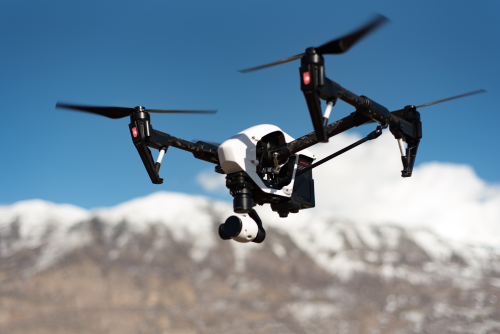
Choosing propeller guards for your drone without wasting money comes down to one question: what problem are you actually trying to solve? The right guards can make indoor practice, close-proximity filming, and certain commercial jobs safer and less stressful. The wrong guards add weight, reduce flight time, get in your camera frame, and end up unused in a drawer.
Quick Take
If you want the short version, here it is:
- Buy propeller guards when you regularly fly indoors, near walls, around fragile surfaces, or in other controlled close-proximity situations.
- Skip them if most of your flying is outdoors in open space and you care more about flight time, portability, and clean footage.
- Choose model-specific guards, not vague “universal” kits.
- Full ring guards protect better than minimal tip guards, but they also add more weight and drag.
- Original manufacturer guards usually fit better and are less likely to cause sensor or clearance issues, but a proven aftermarket option can still be good value.
- On small drones, even a modest guard kit can noticeably affect handling and endurance.
- For many pilots, spare propellers and better practice deliver more value than guards.
- If your main work is tight indoor flying, a purpose-built ducted or caged drone may make more sense than retrofitting a standard camera drone.
A simple rule: buy guards for a specific job, environment, or training need, not because they seem like a smart accessory in theory.
What propeller guards actually do
Propeller guards are protective structures that sit around the spinning propellers. Their job is straightforward: reduce direct contact between the propellers and whatever the drone might touch.
That can help in a few ways:
- protect the propeller tips from light wall, branch, or furniture contact
- reduce the chance of minor cuts or strikes in accidental close contact
- make indoor training less punishing
- reduce some damage from awkward takeoffs and landings
- give certain venue managers or clients more confidence during indoor work
But propeller guards have limits, and misunderstanding those limits is where people waste money.
Propeller guards do not:
- make a drone crash-proof
- make it safe to fly carelessly near people
- turn a non-indoor drone into a great indoor drone
- cancel out poor piloting habits
- guarantee legal permission to fly near people, indoors, or in restricted areas
They are a risk-reduction accessory, not a permission slip and not a substitute for skill.
Do you actually need propeller guards?
A lot of drone owners buy guards because they sound responsible, then barely use them. Before comparing designs or brands, decide whether your flying actually justifies them.
Good reasons to buy propeller guards
You probably should consider them if you regularly do one or more of these:
- practice indoors as a beginner
- fly in warehouses, offices, studios, or event spaces
- shoot real-estate interiors or tight architectural spaces
- operate near walls, ceilings, beams, or branches
- teach new pilots
- work in environments where a minor prop strike could damage surfaces, products, or client trust
- need them to meet a venue, facility, or internal safety requirement
Guards make the most sense when the likely mistake is a light side contact with an object, not a high-speed impact or long-range outdoor crash.
When they are probably wasted money
You can often skip propeller guards if you mainly:
- fly outdoors in open fields or coastal viewpoints
- shoot landscapes where maximum endurance matters
- travel light and want minimal setup time
- need the cleanest possible ultra-wide footage
- already use a ducted or caged platform built for close work
- are trying to compensate for risky decisions, like flying too close to uninvolved people
For many outdoor pilots, spare propellers are the smarter purchase. Props are cheap relative to downtime, and guards won’t help much if your most common mistake is a rough landing or a wind-related drift in open air.
The main types of propeller guards
Not all propeller guards do the same job. Picking the wrong style is one of the easiest ways to overpay.
| Type | Best for | Pros | Tradeoffs |
|---|---|---|---|
| Minimal tip or arc guards | Light beginner protection, occasional indoor practice | Lighter, cheaper, easier to pack | Limited protection, gaps still allow contact |
| Full ring guards | Indoor flying, close walls, controlled commercial interiors | Better coverage, better prop protection in side contact | More drag, more bulk, more likely to affect flight time |
| Ducted protection | Cinewhoop-style flying, close-proximity FPV | Strong protection, built around the aircraft’s design | Usually belongs on a purpose-built platform, not a casual add-on |
| Full protective cage systems | Industrial indoor inspection or high-contact environments | Best contact tolerance, strongest safety margin | Heavy, specialized, expensive, often requires a different drone class |
Minimal guards
These are the lightest option and often the most attractive to casual buyers. They are fine for basic orientation practice and small indoor sessions, but they are not the best answer if your real goal is serious interior filming or repeated close-proximity work.
Full ring guards
These wrap each propeller more completely and are usually the better choice for indoor camera drone work. If your main concern is brushing a wall, door frame, or shelf, full guards are where the value usually starts to make sense.
Ducts and cinewhoop-style protection
In FPV, many drones are designed from the start with ducted propeller protection. That setup is part of the aircraft’s whole design, not just an accessory. If you want smooth close-proximity indoor FPV video, buying a drone meant for that role is usually smarter than trying to force an open-prop platform into it.
Full cages
These are more common in industrial and inspection work. If your business depends on flying inside tanks, plants, or complex structures, this is not really a “buy some guards” conversation. It is a platform-selection conversation.
How to choose propeller guards without wasting money
Here is the buying process that matters most.
1. Start with exact compatibility
This is the first filter, and it eliminates a lot of bad purchases.
Check:
- exact drone model
- exact generation, if there are multiple versions
- battery configuration, if the manufacturer specifies one
- whether the guards are approved or recommended for your aircraft
- whether the drone can still fold, store, or calibrate normally with them attached
Avoid anything marketed too broadly. “Fits most mini drones” is usually a warning sign, not a value proposition.
A good propeller guard should mount securely without flexing into the propeller arc. If the fit is vague, the risk is simple: vibration, blade contact, false sensor behavior, or the guard popping off mid-flight.
2. Match the guard to the real mission
Do not buy based on general fear. Buy based on the type of flying you actually do.
Ask yourself:
- Will I fly indoors or outdoors most of the time?
- Am I trying to protect the props, nearby surfaces, or both?
- Do I need guards all the time, or only for certain jobs?
- Is my usual risk light wall contact, or is it wind, range, and terrain?
A few examples:
- If you are a beginner learning in a garage or living room, full guards can make sense.
- If you are a travel creator shooting open-air viewpoints, they probably do not.
- If you are a real-estate operator doing interior reveal shots, keep guards in the kit for those jobs only.
- If you are an FPV pilot wanting to fly close to people or through small spaces, a purpose-built ducted platform is usually the right answer.
3. Decide between manufacturer guards and aftermarket guards
Original manufacturer guards usually cost more, but they tend to fit better and cause fewer surprises. That matters on modern drones where sensor placement, folding arms, and camera field of view are all tightly packaged.
Aftermarket guards can still be a smart buy if they are:
- designed for your exact model
- well-reviewed by pilots using the same drone
- made from material that flexes without sagging
- mounted with secure hardware or reliable clips
- known not to enter the frame or touch the props under load
Red flags include:
- “universal” claims
- unclear mounting photos
- no listed weight
- reviews mentioning prop strikes against the guard
- designs that look too soft, too brittle, or too loose
If your drone has obstacle sensors or a wide-angle lens, proven fit matters more than saving a small amount upfront.
4. Check the weight and drag penalty
This is where many buyers get disappointed.
Propeller guards add:
- weight
- aerodynamic drag
- width
- sometimes setup friction
On larger drones, the impact may be manageable. On small drones, especially lightweight travel models, the effect can be obvious. You may notice:
- shorter flight time
- slower acceleration
- less confident braking
- weaker wind performance
- more battery stress in demanding maneuvers
You do not need exact numbers to make a smart choice. You just need to be realistic.
If your drone’s biggest strength is long flight time from a small battery, adding guards works against that strength. If your flying happens in calm indoor spaces, that tradeoff may be acceptable. If you routinely fly outdoors in breeze or on travel days with limited batteries, it may not be.
5. Check camera and sensor clearance
A cheap guard that appears in your footage is not cheap anymore.
Before buying, think about:
- whether your camera has a very wide field of view
- whether the drone banks enough for the guards to appear in the corners
- whether the guards might block or confuse side, forward, or downward sensors
- whether the drone’s automatic obstacle functions are still intended to work with guards installed
This matters a lot for:
- cinematic travel footage
- interior fly-throughs
- hyperlapse or tracking shots
- drones with strong stabilization crops or wide-angle modes
If a guard is not designed around your camera angle, you may get prop guard edges in the frame during turns or faster flight. That is a classic money-wasting purchase: the guards “fit,” but they make the footage less usable.
6. Look at durability and repairability
A good propeller guard should absorb light contact and survive normal handling. It should not be so rigid that it cracks easily, and it should not be so soft that it bows into the propeller path.
Look for:
- stable mounting points
- smooth, even shape around the prop arc
- enough rigidity to hold clearance
- replaceable pieces, if the system is modular
- easy access to props and motors for maintenance
For occasional users, simple and sturdy is better than clever and fragile.
For commercial users, repairability matters more. If one cracked section forces you to replace the whole kit, downtime costs can exceed any savings from buying the cheapest option.
7. Think about how they fit your workflow
A surprisingly important question is this: will you actually use them when needed?
Guards are easy to buy and easy to leave at home if they are annoying.
Consider:
- how long they take to install and remove
- whether they require tools
- whether they fit in your case while attached
- whether you need a different bag or insert
- whether you must reconfigure the drone each time
A guard that installs in seconds is much more likely to become part of your real workflow than a guard that involves tiny screws and partial disassembly.
For pilots who switch between indoor and outdoor jobs, quick-swap convenience is a real buying criterion, not a luxury.
8. Compare guard cost against what they actually save
The smartest buying question is not “Are these guards affordable?”
It is “What loss do these guards realistically prevent?”
They can save you money when they reduce:
- propeller replacement
- minor body scuffs
- aborted interior shoots
- damage to walls, furniture, or products
- stress during training
- time lost from small avoidable contacts
They are poor value when they mostly create:
- worse endurance
- bulkier packing
- lower image quality
- more preflight hassle
- confidence that leads to sloppy flying
For a hobbyist who flies outdoors, the better purchase may be:
- spare propellers
- one extra battery
- simulator practice
- a dedicated carrying solution
For a commercial operator doing indoor work, guards can pay for themselves in one job if they prevent a minor incident.
Best choices by pilot type
Different pilots waste money in different ways. Here is the practical fit.
Beginner hobbyist
Best option: model-specific full guards for early indoor practice, or skip entirely if you will learn outdoors in open space.
Best value test: – If you are learning in small rooms, buy guards. – If you are learning in a wide empty field, buy spare props first.
Travel creator
Best option: removable guards only if you expect interior shots, tight spaces, or controlled close work.
Why: travel drones are often chosen for portability and efficient flight. Permanent guards undermine both.
Aerial photographer
Best option: keep guards as a situational tool, not a permanent setup.
Use them for: – interior reveals – controlled client environments – close structure work
Skip them for: – landscapes – long scenic flights – windy outdoor sessions
FPV pilot
Best option: choose the right platform rather than bolting guards onto the wrong one.
If your goal is smooth, safer close-proximity video, a ducted cinewhoop-style build is more sensible than trying to retrofit a freestyle quad or standard camera drone.
Commercial operator or enterprise team
Best option: choose guards based on the job risk, client environment, and workflow cost.
For occasional indoor tasks, model-specific full guards may be enough.
For repeat indoor inspection, industrial navigation, or high-contact environments, stop thinking like an accessory buyer and start thinking like a fleet planner. A different aircraft may deliver better safety, uptime, and insurance clarity.
Safety, legal, and operational limits to know
Propeller guards reduce some risk, but they do not remove your responsibilities.
Before flying with guards, verify the following for your location and operation:
- whether added accessories change your drone’s takeoff weight in a way that affects the rules where you fly
- whether your commercial insurer or internal operations manual allows that accessory configuration
- whether an indoor venue, stadium, warehouse, or event space has its own safety requirements
- whether flying near people, workers, or attendees is allowed at all under the applicable aviation and venue rules
A few practical reminders:
- In many markets, weight matters. On very light drones, accessories can push the aircraft over an important threshold. Verify before assuming nothing changes.
- Guards do not automatically allow operations over people or closer to uninvolved people.
- Indoor flights may still involve property-owner permission, workplace rules, privacy concerns, and site-specific safety procedures.
- Never fly with cracked, warped, or loose guards.
- After installing guards, do a short low-altitude hover test in a safe open area to check clearance, vibration, warnings, and camera view.
- Keep children, pets, and bystanders well clear even with guards installed.
Common mistakes that waste money
These are the most common buyer errors.
Buying guards before defining the use case
If you cannot describe exactly when you will use them, do not buy yet.
Choosing “universal” instead of model-specific
Fit issues are the fastest route to regret.
Leaving them on all the time
A lot of pilots install guards once, then quietly accept worse flight time and portability for no good reason. Use them when the mission calls for them.
Assuming guards make outdoor flying easier
They usually make wind performance worse, not better.
Ignoring footage intrusion
If your lens is wide, test for guard visibility before relying on them for client work.
Confusing propeller guards with transport accessories
A propeller holder for storage is not a propeller guard for flight.
Using guards as a confidence crutch
If the accessory makes you fly closer to people or obstacles than you otherwise would, it is creating a different kind of risk.
Retrofitting the wrong drone for the wrong job
If close indoor flight is your core need, buy a platform designed for it. Accessories should improve fit, not fight the aircraft’s original purpose.
FAQ
Are original manufacturer propeller guards worth the extra cost?
Often, yes. They usually offer better fit, fewer clearance problems, and better compatibility with sensors and folding designs. Aftermarket can be good value, but only when it is proven on your exact drone.
Do propeller guards reduce flight time?
Yes, usually. They add weight and drag, which can reduce endurance and make the drone feel less efficient, especially on smaller aircraft.
Can I fly outdoors with propeller guards installed?
Usually yes, if they are designed for the drone, but outdoor performance may be worse. Expect more drag, more width, and less confidence in wind. For many outdoor flights, guards are not worth leaving on.
Do propeller guards make it safe to fly near people?
No. They may reduce some risk from minor contact, but they do not make close flying safe or automatically legal. Keep proper distance and verify the rules and venue requirements for your operation.
Should I buy spare propellers first or propeller guards first?
If you mostly fly outdoors in open areas, spare props are often the better first purchase. If you are learning indoors or filming in tight spaces, guards may save more stress and downtime.
Can propeller guards change the legal status of my drone?
They can, depending on local rules and the drone’s takeoff weight. On very light drones, even small accessories can matter. Verify your applicable aviation rules before flying.
Are propeller guards required for indoor commercial work?
Sometimes a venue, client, or company safety process may require them, but there is no universal rule you should assume. Check site requirements, your local operating rules, and your insurer or internal SOPs before the job.
Do guards help in crashes?
They can help in light side contact or minor bumps. They are much less helpful in high-speed impacts, ground strikes, or situations where the drone hits something hard with real force.
The decision that saves the most money
Buy propeller guards only when they solve a specific flying problem: indoor training, close-proximity work, or a client environment that justifies the tradeoff. If you mostly fly outdoors, the smarter spend is often spare props, more practice, or a better-suited drone setup. The best propeller guard is not the cheapest one on the shelf; it is the one that matches your drone, your job, and your actual risk.
