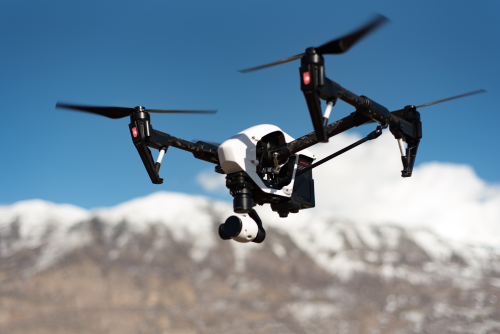
Adventure sports make people buy the wrong drone for the wrong reason. The most exciting clips online often come from advanced FPV pilots or full crews, while most buyers really need something portable, quick to launch, and forgiving in wind, cold, and travel. If you are wondering what is the best drone for adventure sports, the simplest answer is this: buy for your sport, your skill level, and your real-world workflow, not for the most dramatic promo video.
Quick Take
If you want the shortest possible answer, these are the best-fit options for most buyers:
- Best all-around adventure sports drone for most people: DJI Mini 4 Pro
- Best for stronger wind and more versatile mountain footage: DJI Air 3
- Best for immersive FPV action shots: DJI Avata 2
- Best for dead-simple solo clips and fast setup: HoverAir X1 or a similar pocket auto-follow drone
- Best premium image-first option for paid productions: DJI Mavic 3 Pro
- Worst first buy for most beginners: a custom 5-inch FPV drone
The reason is simple. Adventure sports footage usually rewards portability, safe setup, tracking, and reliability more than it rewards raw speed or cinema-grade specs. A drone that stays in your backpack because it is too big, too hard, or too stressful to fly is not the best drone for your sport.
Best Adventure Sports Drones at a Glance
| Drone or drone class | Best for | Skill level | Budget band | Why it works | Main limitation |
|---|---|---|---|---|---|
| HoverAir X1 or similar pocket auto-follow drone | Hiking, jogging, casual skiing, travel snippets, solo creators who want zero setup | Beginner | Entry | Very fast to use, low friction, easy solo clips | Limited wind tolerance, shorter range, lower image quality |
| DJI Mini 4 Pro | Most hikers, travelers, trail creators, ski trips, social content, general outdoor use | Beginner to intermediate | Mid-range | Very portable, strong feature set, good tracking, easier travel kit | Light airframe is less ideal in stronger wind |
| DJI Air 3 | Mountain biking with a spotter, alpine trips, coastal wind, more polished edits | Beginner to intermediate | Upper mid-range | Better wind confidence, dual-camera flexibility, strong all-round footage | Bigger, heavier, more travel and regulatory friction |
| DJI Avata 2 | FPV-style descents, close terrain shots, immersive action sequences | Beginner with training to advanced | Upper mid-range to premium | Protected props, easier FPV entry, dynamic motion | Not the best single do-everything travel drone |
| DJI Mavic 3 Pro | Brand campaigns, tourism work, paid productions, image-first crews | Intermediate to advanced | Premium | Higher-end image options and pro workflow value | Expensive, larger, and often overkill for casual adventure use |
| Custom 5-inch FPV | Racing, high-speed chase, advanced action cinematography | Advanced | Variable | Maximum speed, agility, repairability | Hard learning curve, higher crash risk, not beginner-friendly |
What Actually Makes a Drone Good for Adventure Sports?
Before comparing models, get clear on what matters in the field.
1. Fast setup beats impressive specs
Adventure sports are messy. Weather changes. Friends move on. Light disappears. You often get one clean run, one jump, one descent, one reveal over a ridge.
A good adventure drone should be:
- quick to unfold or deploy
- easy to launch from uneven ground
- simple to recover
- ready to shoot without menu diving
This is why many people get more usable footage from a compact camera drone than from a more exciting but more demanding FPV setup.
2. Tracking matters, but not as much as people think
Automated subject tracking is useful, especially for:
- trail running
- hiking
- skiing on open lines
- biking on wider trails
- solo creator workflows
But tracking is not magic. It can struggle with:
- trees and branches
- cliffs and terrain occlusion
- changing light
- fast direction changes
- crowded environments
If you are buying a drone mostly for follow mode, buy with realistic expectations.
3. Wind performance matters more than many first-time buyers realize
Adventure sports often happen in places that are bad for small aircraft:
- ridgelines
- coastlines
- mountain passes
- ski slopes
- open deserts
- valleys with shifting gusts
A lighter drone is easier to travel with, but it is usually less comfortable in rougher air. That is one of the biggest tradeoffs between the Mini class and the Air or Mavic class.
4. Portability is not just a convenience feature
A drone that fits your actual activity wins.
If you are:
- hiking all day
- biking with a hydration pack
- traveling with airline carry-on limits
- moving between buses, ferries, ski lifts, and trailheads
then a compact kit matters as much as the camera.
5. Repairability and accessory cost count too
For adventure use, the true cost is not just the drone body. You should also expect to buy:
- spare batteries
- spare propellers
- a charger or hub
- memory cards
- a protective case
- possibly ND filters for video in bright light
- possibly prop guards for specific setups
On the FPV side, repairability can be better, but crashes are more frequent. On camera drones, crashes are less common for beginners, but a single impact can be expensive.
Best Drone for Adventure Sports by Budget
Product bundles and taxes vary by country, so treat these budget bands as rough buying zones rather than fixed global prices.
Entry budget: best for casual clips, learning, and low-risk buying
If your budget is tight, the smartest move is usually one of these two paths:
Option 1: A pocket auto-follow drone
A drone like the HoverAir X1 makes sense if your priorities are:
- very fast solo clips
- almost no setup hassle
- hiking and travel snippets
- social media content over cinematic perfection
This type of drone is great for people who want short, easy clips without learning a full camera-drone workflow. It is especially appealing for runners, hikers, skiers, and travelers who want a drone they will actually use.
Best fit: – absolute beginners – solo adventurers – people who hate setup time
What to watch: – limited image quality compared with larger camera drones – limited wind performance – less flexibility for traditional aerial framing
Option 2: A basic ultralight camera drone
In many markets, discounted or entry-level compact drones such as the DJI Mini 4K, Mini 2 SE class, or DJI Mini 3 can be a smart buy.
This path is better if you want:
- true aerial composition
- better video quality than a pocket auto-follow drone
- a real flying experience
- still photos as well as video
Best fit: – beginners who want to learn camera-drone skills – travel creators on a budget – hikers and casual outdoor shooters
What you give up at this level: – advanced obstacle sensing – more reliable tracking – stronger wind confidence – premium low-light performance
Mid-range budget: the best value zone for most buyers
For most people shopping seriously for adventure sports, this is the sweet spot.
Best all-around pick: DJI Mini 4 Pro
If you want one recommendation that fits the widest number of buyers, it is the DJI Mini 4 Pro.
Why it stands out:
- very portable for travel and active days
- strong feature set for a compact drone
- good tracking and obstacle sensing for its class
- easy to carry on hikes and trips
- useful for both stills and video
- friendly for beginners without feeling limiting too quickly
It is especially strong for:
- hiking and backpacking
- ski and snowboard trips
- travel content
- scenic trail footage
- casual sponsor or creator work
- vertical social video
It is also an unusually low-regret drone. Many adventure buyers want something capable, but not something they are afraid to carry, launch, and learn. The Mini 4 Pro hits that balance very well.
Its biggest limitation is also obvious: it is still a light drone. In stronger mountain or coastal wind, a heavier drone can feel more secure.
Upper mid-range budget: choose between classic cinematic and FPV-style action
This is where your buying decision becomes less about “good or bad” and more about shot style.
Best for classic outdoor adventure footage: DJI Air 3
Choose the DJI Air 3 if you want a more capable outdoor camera drone and you do not mind carrying a larger kit.
Why it makes sense:
- better wind confidence than the Mini class
- more presence and stability in bigger landscapes
- dual-camera flexibility for different shot types
- strong choice for travel creators who want more polished footage
It is a strong fit for:
- mountain biking with a spotter
- alpine and coastal shooting
- hikes where wind is a serious factor
- travel films that benefit from varied focal lengths
Who should buy it: – intermediate buyers – serious creators – people who often shoot in open, windy terrain – users who find the Mini class a little too compromised
Who may regret it: – ultralight travelers – people who mostly shoot casual clips – buyers in regions where heavier drones bring more paperwork or restrictions
Best FPV entry point: DJI Avata 2
If the shot you want is not “clean overhead landscape” but “I want to feel the speed of the descent,” then the DJI Avata 2 is the better fit.
FPV means first-person view: flying through goggles for a more immersive perspective. In adventure sports, FPV footage can look incredible for:
- bike descents
- ski runs
- terrain reveals
- close-follow action lines
- dynamic motion near features
The Avata 2 is appealing because it lowers the barrier to FPV compared with building a custom racing drone. Its protected-prop design also gives newer FPV pilots more confidence.
It is a good choice for: – creators whose main goal is action feeling – pilots willing to train in a simulator and build skill – buyers who want FPV without going straight to custom builds
It is not the best choice if you want: – your one and only travel drone – strong still-photo capability – maximum flight time per battery – the easiest beginner experience
Premium budget: only worth it if your output really needs it
Best image-first premium pick: DJI Mavic 3 Pro
For brand work, tourism campaigns, or serious paid production, the DJI Mavic 3 Pro can make sense. It brings a more premium imaging workflow and more creative lens options than smaller drones.
It suits: – professional travel creators – tourism boards and destination work – commercial outdoor productions – buyers who already know why they need a premium camera drone
But here is the important truth: for many adventure sports buyers, a premium drone is not the best drone.
Why?
Because bigger drones are:
- heavier to carry
- harder to justify on light trips
- more stressful to launch in awkward terrain
- often more regulated depending on where you fly
- expensive to risk around rough environments
For many real-world buyers, the Air 3 is the smarter “serious” purchase.
Best Drone for Adventure Sports by Skill Level
Total beginner: pocket auto-follow or Mini 4 Pro
If you have never flown a drone before, start simple.
Best fit: – HoverAir X1 or similar if convenience is everything – DJI Mini 4 Pro if you want to learn proper camera-drone skills
Avoid starting with: – custom FPV – bigger premium drones – anything you feel afraid to crash, carry, or practice with
Beginner creator who wants room to grow: Mini 4 Pro
This is the easiest recommendation in the market segment. It is capable enough to keep, small enough to travel with, and forgiving enough to learn on.
Intermediate outdoor shooter: Air 3
If you already understand framing, planning, and safe flying, and you often work in larger landscapes or windier terrain, the Air 3 is a better long-term tool.
FPV learner: Avata 2
If FPV is your main goal, skip the wishful thinking and buy the right kind of drone. Just be honest: FPV is a separate discipline. You should expect simulator time, extra caution, and a steeper learning curve.
Advanced or paid operator: custom FPV plus a conventional camera drone
Most serious adventure sports filmmakers do not use one drone for everything. They combine:
- a stable camera drone for scenic shots
- an FPV drone for speed and immersion
That is the pro answer, but it is not the right first purchase for most buyers.
Best Adventure Sports Drone by Feature Priority
If portability is your top priority
Choose DJI Mini 4 Pro or a pocket auto-follow drone.
Best for: – backpacking – airline travel – long walking days – minimalist creator kits
If wind performance matters most
Choose DJI Air 3, or Mavic 3 Pro if you are buying for premium production.
Best for: – ridgelines – coastal environments – open alpine locations
If you want the easiest solo clips
Choose a pocket auto-follow drone first, or the Mini 4 Pro if you want a more complete drone.
Important limit: easy solo capture does not remove your responsibility to fly safely and legally.
If you want the most exciting action footage
Choose DJI Avata 2.
Best for: – immersive action sequences – terrain-follow style visuals – creators who value motion over traditional aerial polish
If you want the best all-round balance
Choose DJI Mini 4 Pro.
That is why it keeps appearing in this guide: it is the most broadly useful answer for most buyers.
Safety, Legal, and Travel Limits to Know
Adventure sports and drones create more risk than many buyers expect. Before flying, verify the rules and site restrictions that apply where you are.
Verify these before every trip
-
National or local drone rules – Registration, pilot requirements, airspace restrictions, and operating categories vary by country. – A lighter drone may simplify some rules in some places, but not everywhere.
-
Land manager or venue restrictions – National parks, nature reserves, ski resorts, beaches, stadiums, and event venues may ban or limit drone use even if the broader airspace is legal.
-
Commercial use requirements – Sponsored content, brand shoots, tourism work, or paid deliverables may be treated differently from personal recreation. Verify what applies in your location.
-
Battery and airline rules – Lithium batteries are typically carried in cabin baggage, with terminals protected, but airline policies vary. Check your airline before travel.
Operational risks that matter in adventure sports
- Follow mode is not autopilot freedom. In many places you are still expected to keep visual line of sight and remain able to control the aircraft.
- Cold weather reduces battery performance. Keep batteries warm before flight and expect shorter endurance.
- Terrain blocks signal and visibility. Cliffs, trees, gullies, and ridges can create sudden risk.
- Most consumer drones are not waterproof. Snow, spray, rain, and salt air can end a session quickly.
- Do not fly near rescue activity, lifts, traffic, or crowds. Adventure locations can change fast, and emergency aircraft may appear with little warning.
- Wildlife matters. Coastal birds, alpine species, and nesting areas are common conflict points. Leave if animals react.
If your sport requires your full attention, the safest setup is often to have a separate pilot or spotter rather than relying on autonomous tracking.
Common Mistakes People Make
Buying FPV first because the clips look better
FPV clips look amazing because skilled pilots made them. If you are new, a compact camera drone usually gives you more usable footage, faster.
Assuming a sub-250g drone means “no rules”
A lighter drone can help in some regions, but it never means “fly anywhere.”
Trusting obstacle sensing too much
Thin branches, lift cables, uneven terrain, glare, and fast movement can fool sensors. Obstacle avoidance is a safety aid, not a guarantee.
Buying for camera specs instead of carry habits
Many buyers would be happier with a smaller drone they actually pack than with a larger drone that stays home.
Underbudgeting for the full kit
Batteries, props, storage, chargers, cases, and repairs matter. The cheapest drone is not always the cheapest system.
Using a drone where a drone is the wrong tool
Some sports and locations are simply bad drone scenarios: – crowded beaches – narrow forest tracks – climbing routes with people below – protected wildlife areas – active race courses without organizer permission
FAQ
Is a sub-250g drone always the best choice for adventure travel?
Not always. It is often easier to carry and may fall into a simpler regulatory category in some places, but it also gives up some wind performance and presence. If you hike or travel light, it is often the right answer. If you work in stronger wind or larger mountain environments, a heavier drone may be worth the tradeoff.
Should I buy an FPV drone for mountain biking or skiing?
Only if FPV-style action is your main goal and you are willing to train. FPV is excellent for speed and immersion, but it is not the easiest or most flexible first drone. For most buyers, a Mini 4 Pro or Air 3 is the smarter first purchase.
Can follow mode replace a camera operator?
No. Follow mode is useful, but it is not a replacement for judgment, line of sight, or safe positioning. It can also fail when terrain, trees, lighting, or subject speed become difficult. In many situations, a separate pilot or spotter is the safer and more compliant setup.
What is better for hiking: DJI Mini 4 Pro or DJI Air 3?
For most hikers, the Mini 4 Pro. It is easier to carry, easier to justify bringing, and still very capable. Choose the Air 3 if you regularly shoot in stronger wind or you specifically want the extra camera flexibility and do not mind the larger kit.
Are pocket auto-follow drones good enough for adventure sports?
Yes, for the right buyer. They are great for quick solo clips, travel snippets, and low-friction use. They are not the best choice if your priority is premium image quality, strong wind handling, or more deliberate aerial composition.
Can I fly a drone at ski resorts, beaches, parks, or race events?
Sometimes, but never assume. You may need approval from the land manager, venue operator, organizer, or aviation authority, depending on the location and the nature of the flight. Always verify before flying.
How many batteries do I really need for an adventure day?
For most buyers, three batteries is a practical minimum for a meaningful outing, and more if you expect multiple attempts, cold weather, or long travel between usable flight spots. In winter or high-altitude conditions, plan conservatively.
Do I need insurance for adventure sports drone filming?
It depends on the country, the type of operation, and whether you are flying recreationally or commercially. Many venues, clients, and production jobs will expect insurance even when the law does not explicitly require it. Verify this before a paid shoot.
The decision that causes the least regret
If you want the safest, most broadly useful answer to “what is the best drone for adventure sports,” buy the DJI Mini 4 Pro. If you need better wind performance and more serious outdoor versatility, step up to the DJI Air 3. If what you really want is speed, closeness, and adrenaline in the footage, buy the DJI Avata 2 and commit to learning FPV properly.
Make your decision in this order: shot style first, travel burden second, legal and safety reality third, budget last. That sequence usually leads to the right drone the first time.
