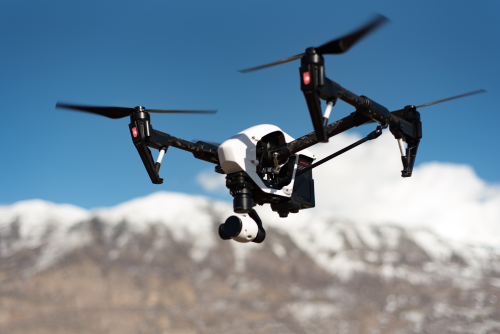
Beach trips are one of the most tempting reasons to buy a drone, but they are also one of the easiest places to buy the wrong one. Wind, salt, sand, crowds, glare, and local flying restrictions make beach vacations far less forgiving than a quiet park near home. For most travelers, the best drone for beach vacations is not the cheapest drone or the biggest drone. It is the one you can pack easily, fly safely, and realistically use in coastal conditions without regretting the purchase.
Quick Take
If you want the short answer, here it is:
- Best overall for most beach vacations: a premium sub-250g folding camera drone, especially the DJI Mini 4 Pro
- Best value pick: DJI Mini 3
- Best for windy coastlines and more serious creators: a larger travel camera drone such as the DJI Air 3
- Best for FPV-style action footage: DJI Avata 2, but only if FPV is the reason you are buying
- Best ultra-budget move: buy an entry-level mini only if you expect calm conditions and modest expectations
- Best non-purchase decision: if your destination is heavily restricted, crowded, or wildlife-sensitive, it may be smarter to skip buying a drone and use a phone, action camera, or local licensed operator instead
One more reality check: the beach is a harsh place for drones. If you mostly travel to windy coasts, crowded resort strips, or protected shorelines, the “best” drone may be the one you decide not to bring.
What actually makes a drone good for beach vacations
A beach drone has to do more than shoot nice video. It has to survive the environment, fit your bag, and give you a realistic chance of flying legally and responsibly.
1. Wind handling matters more than headline camera specs
Beach destinations are often breezier than inland spots. Even on days that feel pleasant on the ground, coastal gusts can push a small drone around.
That means:
- ultra-cheap toy drones are usually a bad choice
- very small drones can work well, but only if they have reliable GPS positioning and good stabilization
- larger drones usually hold position better in stronger wind, but they are heavier, louder, and harder to travel with
If your dream footage is sunrise over a calm bay, a mini drone can be perfect. If your trip is to a gusty cliff coast or open Atlantic beach, a larger travel drone may be the better buy.
2. Portability is not optional for travel
The best beach-vacation drone is usually one you can carry in a small day bag with spare batteries, a charger, and a few basic accessories.
Smaller folding drones win on:
- airline and carry-on convenience
- lighter vacation packing
- easier casual use
- lower social footprint at busy beaches
Bigger drones win on:
- better wind confidence
- more lens flexibility in some models
- more stable flight in difficult air
Most buyers regret going too big more often than they regret going slightly smaller.
3. Sand and salt are real enemies
Consumer drones are not beach-proof just because people use them at the beach. Most are not waterproof, and salt air plus blowing sand can cause expensive problems.
You want a drone that is easy to:
- launch from a clean pad or case
- wipe down carefully after use
- store in a protective bag
- maintain with readily available replacement props and support
Beach conditions favor practical owners, not careless ones.
4. Safety features are worth paying for on vacation
Vacation flying is different from flying at your regular local field. You are more likely to be distracted, rushed, or unfamiliar with the area.
Helpful features include:
- reliable GPS lock
- dependable return-to-home
- stable hovering
- obstacle sensing on higher-end models
- strong app support and clear alerts
- easy battery charging and management
For beginners, these features matter more than “pro” resolution or extreme speed.
5. Camera flexibility matters, but only after the basics
At the beach, bright reflections and high contrast can make footage look harsh. Good stabilization and solid automatic exposure behavior matter more than most new buyers realize.
Useful camera features for beach trips:
- stabilized gimbal footage
- decent low-angle sunrise and sunset performance
- vertical video options for social posting
- a second focal length or zoom option if you want to keep distance from people, boats, or wildlife
That last point is underrated. A second lens can help you stay respectful and still get strong shots.
6. Legal simplicity matters
A sub-250g drone can reduce friction in some countries, but it does not mean you can fly anywhere. Beaches often sit near airports, resort zones, protected habitats, military areas, or national parks.
The more you travel internationally, the more valuable it becomes to own a drone that is simple to carry, simple to register where required, and easy to justify bringing.
7. Noise and beach etiquette matter more than many buyers think
A giant loud drone can ruin the experience for everyone around you, including you. Smaller travel drones are usually better for vacation use because they are less intrusive and easier to fly briefly at sunrise or in quieter corners without drawing a crowd.
Best drone for beach vacations by budget
Prices move by market, tax, bundles, and season, so the ranges below are broad USD-equivalent guide bands rather than fixed live pricing.
| Budget band | Best fit | Good examples | Choose it if… | Main regret risk |
|---|---|---|---|---|
| Under $350 | Entry mini camera drone | DJI Mini 4K, DJI Mini 2 SE, reputable refurbished mini models | You want basic vacation footage, calm conditions, and the lowest spend | Weak wind confidence, fewer safety features, limited growth |
| $350 to $700 | Best value travel drone | DJI Mini 3 | You want a real travel drone without paying premium pricing | Still a small drone in coastal gusts, fewer advanced protections |
| $700 to $1,100 | Best all-around choice | DJI Mini 4 Pro | You want the strongest mix of portability, safety features, creator tools, and travel convenience | Higher replacement cost, still not ideal for very windy shores |
| $1,100 to $1,600 | Best for windy coasts and serious travel creators | DJI Air 3-class drone | You care more about wind handling and lens flexibility than ultralight packing | Bigger bag, louder presence, more travel and compliance friction |
| Specialty budget | Best for action-focused FPV travel | DJI Avata 2 | You specifically want immersive, dynamic flying and already accept FPV tradeoffs | Not the easiest beginner vacation drone, less versatile for normal travel shooting |
The best picks, explained
Best overall for most travelers: DJI Mini 4 Pro
If you want one answer for the broadest number of buyers, this is it.
Why it stands out for beach vacations:
- very travel-friendly size
- strong everyday camera quality for photos and video
- more advanced safety and flight features than cheaper mini drones
- easy fit for solo travelers, couples, and content creators
- good balance between “small enough to bring” and “good enough to keep”
Who it fits best:
- beginners with a healthy budget
- travelers who want one drone for beaches, cities, mountains, and family trips
- creators who care about vertical content, easy editing, and low packing hassle
Who should skip it:
- buyers on a strict budget
- travelers who mainly visit very windy coastlines
- people who are really buying for FPV, not standard aerial travel footage
Best value: DJI Mini 3
For a lot of people, this is the smart buy.
Why it works:
- lighter spend without dropping into toy-drone territory
- good travel form factor
- strong enough camera results for social, casual YouTube, and holiday memories
- a simpler path into drone travel without major buyer’s remorse
Who it fits best:
- first-time drone owners
- travelers who want a capable but not overcommitted purchase
- beach vacationers who mainly fly in calm morning or evening conditions
Who may outgrow it:
- buyers who want the strongest safety feature set
- creators who want more advanced tracking and premium workflow tools
- anyone expecting frequent windy beach flying
Best for windy coastlines and more creative flexibility: DJI Air 3
If your beach trips often mean open coast, sea cliffs, or breezy shorelines, stepping up to a larger travel drone can be worth it.
Why people choose this class:
- stronger presence in the air than a mini drone
- more confidence in wind
- more versatile framing options
- better fit for serious travel creators who want more than quick vacation clips
Tradeoffs:
- less pocketable
- more noticeable in public
- more baggage space and battery planning
- in some jurisdictions, more weight can mean more regulatory friction
This is often the right answer for buyers who already know they will use their drone often after the vacation.
Best for FPV beach content: DJI Avata 2
This is not the “best beach drone” for most people. It is the best beach drone for a very specific buyer.
Buy it if:
- you want immersive, dynamic footage rather than classic scenic travel shots
- you already understand FPV basics or are willing to learn properly
- you are buying the drone because action flying is the hobby, not just because you want a few aerial beach clips
Skip it if:
- you are a total beginner who mainly wants beautiful vacation footage
- you want the simplest travel camera drone
- you do not want the added complexity of FPV workflow, batteries, and training
For most vacationers, a conventional camera drone is the better first purchase.
Best beach drone by skill level
If you are a true beginner
Start with a GPS-equipped camera drone, not a toy quadcopter.
Your priorities should be:
- stable hover
- easy controls
- dependable return-to-home
- good app guidance
- affordable spare batteries and props
- a size you will actually pack
Best fit:
- DJI Mini 3 if you want the smartest balance of cost and capability
- DJI Mini 4K or Mini 2 SE only if budget is tight and expectations are modest
- DJI Mini 4 Pro if you want the easiest long-term buy and can afford it
What beginners usually get wrong: they buy the cheapest thing with four propellers, then discover beach wind makes it borderline unusable.
If you are an intermediate travel creator
You will get the most value from either:
- DJI Mini 4 Pro for portability-first travel
- DJI Air 3 for wind confidence and more framing flexibility
This is the stage where feature tradeoffs start to matter more than price alone.
Pick the Mini if you want:
- lighter packing
- easier casual flights
- simpler vacation convenience
Pick the Air if you want:
- more confidence in breezier conditions
- more intentional travel filmmaking
- a drone you can also use seriously after the trip
If you are an advanced pilot or FPV flyer
Buy for the footage style you actually want.
- For classic cinematic travel work: Air 3-class
- For compact high-end travel convenience: Mini 4 Pro
- For dynamic action lines and immersive flying: Avata 2
Advanced buyers are usually better off choosing the platform that matches their post-trip use, not just the vacation.
Features that matter most at the beach
If you are comparing models, rank features in this order.
1. Reliable flight stability and return-to-home
This is your insurance against unfamiliar locations, sudden gusts, and vacation distractions.
2. Good gimbal stabilization
Beach footage looks cheap fast if the horizon is shaky.
3. Battery workflow
Look for a setup that makes sense for travel:
- enough batteries for short sunrise or sunset sessions
- easy charging from wall, car, or power bank where supported
- a charging routine you can manage in hotels or rental homes
4. Practical safety aids
Obstacle sensing, warnings, and stable hover behavior are especially helpful when you are flying near palms, hotels, rocks, or dunes.
5. Vertical video and quick-share workflow
If you post travel content quickly, this can matter more than bigger photo specs on paper.
6. Lens flexibility
A second lens or zoom helps you keep distance from people, surfers, wildlife, or boats while still getting usable shots.
Features buyers often overrate
These matter, but usually less than people think for beach vacations:
- extreme transmission range
- sport-mode speed bragging rights
- maximum photo resolution
- top-end slow motion you rarely use
- “water-adjacent” marketing that buyers mistake for waterproofing
Assume your drone is not waterproof unless the manufacturer explicitly says otherwise.
Safety, legal, and travel limits to know before you buy
This is the part too many people skip.
Beach flying is often regulated more tightly than buyers expect
Before you fly, verify:
- National aviation rules for the country or territory you are visiting
- Local beach, park, or coastal authority rules
- Protected wildlife restrictions, especially during nesting or migration periods
- Resort, hotel, marina, and private property policies
- Nearby airport or heliport restrictions
- Airline battery rules for carrying lithium batteries
- Commercial filming permissions if you are shooting for a client, brand, or paid resort content
A legal drone purchase does not guarantee a legal vacation flight.
Beaches create extra safety risks
Be especially cautious around:
- crowds
- swimmers and surfers
- boats and jet skis
- lifeguard operations
- emergency helicopters
- nesting birds, turtles, seals, and other coastal wildlife
- cliffs, masts, wires, and resort structures
Never assume open sand means open airspace.
Salt water changes the risk calculation
Over-water flying always carries extra recovery risk. If you lose power or orientation, you often lose the drone completely.
Also remember:
- glare can make visual orientation harder
- bright reflections can confuse your own judgment
- some obstacle-sensing systems are less dependable over water or in intense glare
- beach wind can shift faster than expected
Travel tip: think about the flight before the purchase
If you are heading to a packed public beach in peak season, you may have almost no responsible time or space to fly. The best beach drone is often used at:
- sunrise
- quiet shoulder-season beaches
- remote legal coastlines
- private property where flight is permitted and safe
Common mistakes people make with beach drones
Buying the cheapest drone for a windy destination
Cheap toy drones and low-spec minis disappoint fast at the coast.
Assuming sub-250g means “no rules”
It may help in some places, but it does not erase local restrictions, park bans, privacy rules, or protected area limits.
Launching straight from sand
Sand and grit are terrible for motors, gimbals, and camera assemblies. Use a clean launch pad, hard case lid, or another stable clean surface.
Flying in the middle of a crowded beach day
Even if legal, it is usually a bad idea. You will annoy people, limit your shot options, and increase safety risk.
Forgetting that beach light can be harsh
Your best footage usually comes early or late, not at the brightest midday hour.
Treating obstacle sensors as magic
They help, but they do not remove the need for good judgment, especially over water, in glare, or around thin objects.
Underpacking batteries and cleaning gear
Beach sessions are often short and timed around light. One battery and no cleaning kit is a classic regret.
What to pack with a drone for a beach vacation
A smart beach kit is small and practical.
Bring:
- 2 to 3 flight batteries if allowed and practical
- spare propellers
- a compact charger or charging hub
- microfiber cloth
- soft brush or air blower for dust and sand
- a clean landing pad or hard surface for takeoff
- ND filters if you care about smoother daylight video
- a small protective bag or case
- battery terminal covers or safe storage method for air travel where needed
If you are flying premium gear, a manufacturer care plan or suitable insurance can be worth considering, especially for travel and over-water use. Check local availability and terms in your market.
FAQ
Is a sub-250g drone the best choice for beach vacations?
For many travelers, yes. It is often the easiest size to pack and the least intrusive to use. But it is not automatically the best if your trips are mostly to windy coastlines. Also, sub-250g does not mean rule-free.
Can I fly a drone from any public beach?
No. Beach access rules vary widely by country, city, island, park authority, and even resort zone. Some places restrict takeoff and landing from beaches, some protect wildlife habitats, and some limit all drone use near tourist areas. Always verify locally before flying.
Are drones safe to fly near salt water?
They can be flown near salt water, but the environment adds risk. Salt air, spray, glare, and recovery difficulty make beach flying less forgiving. Treat every over-water flight as higher risk than an inland flight.
Are beach drones waterproof?
Most mainstream consumer camera drones are not waterproof. Do not assume beach use means water resistance. Unless the manufacturer clearly states water protection, treat water contact as a serious failure risk.
Should I buy an FPV drone for a beach vacation?
Only if FPV is the experience you actually want. If your goal is scenic travel footage, a standard camera drone is usually easier, safer, and more versatile. FPV makes sense when dynamic flight is the point of the purchase.
Do I need ND filters for beach video?
Not always, but they are often useful. Beaches are very bright, and ND filters can help create smoother-looking motion in daylight video. If you mainly shoot auto-exposure clips for casual use, they are helpful but not essential.
Can I take drone batteries on a plane?
Usually yes, but airline rules for lithium batteries vary by carrier and route. In many cases batteries must be packed in carry-on baggage rather than checked luggage, with terminals protected. Verify with your airline before departure.
Is it better to buy used for a beach trip?
It can be, especially in the entry and mid-budget ranges, but buy carefully. Avoid drones with unknown history, especially units that may have seen heavy coastal or humid use. A reputable refurbished unit is often safer than a random private listing.
The decision that makes the most sense
If you want the simplest buying answer, get the DJI Mini 4 Pro. It is the best beach-vacation drone for most people because it balances travel size, capability, and beginner-friendly features better than almost anything else.
If you want to spend less, get the DJI Mini 3. If your trips are often windy and you care more about image flexibility than packing small, step up to the DJI Air 3. If you mainly want dynamic FPV beach footage, choose the DJI Avata 2.
Before you buy, do one final check: make sure your destination actually gives you legal, safe, practical chances to fly. That single step will save more regret than any spec-sheet comparison.
