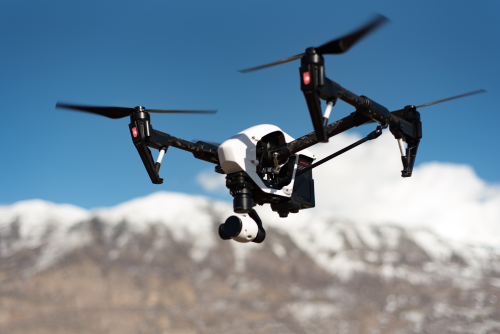
If you are asking what is the best drone for FPV practice, the smartest answer is usually smaller, simpler, and cheaper than most people expect. For most new pilots, a durable micro-whoop or small trainer quad beats a fast 5-inch freestyle build and also beats buying a cinematic FPV drone just because the video looks better in ads. The best practice drone is the one that gives you the most safe repetitions, the lowest crash cost, and a clean upgrade path when your skills improve.
Quick Take
For most beginners, the best drone for FPV practice is a 65mm to 75mm brushless micro-whoop or a ready-to-fly beginner kit built around that class.
Here is the short version:
| If you are… | Best FPV practice choice | Why it works | Biggest drawback |
|---|---|---|---|
| A total beginner with no gear | Ready-to-fly micro-whoop kit | Lowest friction, lowest crash cost, indoor-friendly | You may outgrow the included radio and goggles |
| A beginner who knows you want to stay in FPV | Bind-and-fly brushless micro-whoop plus a better radio | Better long-term value and upgrade path | More compatibility decisions |
| A pilot with simulator time and outdoor space | 2-inch to 3.5-inch trainer quad | Better in light wind, closer to outdoor freestyle feel | More expensive crashes |
| A creator who wants cinematic FPV more than pure practice | Compact cinewhoop or DJI Avata 2-style platform | Easier to get usable footage fast | Not the cheapest or toughest way to learn manual FPV |
| A future freestyle pilot thinking about a first 5-inch | Usually start smaller first | Safer, cheaper, less intimidating | Delays the “full-power” experience, but usually saves money |
Key Points
- Best overall for most people: a brushless micro-whoop.
- Best low-budget path: a ready-to-fly FPV kit from a known brand.
- Best long-term value: a good radio first, then a bind-and-fly whoop in a common ecosystem.
- Best outdoor practice step-up: a 2-inch to 3.5-inch trainer.
- Not usually the best first practice drone: a 5-inch freestyle quad or heavy cinematic rig.
- If your real goal is content, not freestyle: a protected cinewhoop or Avata-style drone may fit better.
- Biggest buying mistake: choosing by camera quality instead of crash cost, parts support, and practice value.
What actually makes a good FPV practice drone
A good FPV practice drone is not the one with the highest top speed or the prettiest onboard footage. It is the one that lets you build stick control without turning every small mistake into an expensive repair.
The best practice drones usually have these traits
1. They survive beginner mistakes
You will bump walls, clip branches, misjudge throttle, and land badly. A practice drone should be able to take that. Small ducted quads, often called whoops, are popular because the propellers are protected and the all-up weight is low.
2. They are cheap to keep flying
Practice only works if you can fly a lot. That means:
- affordable batteries
- easy-to-find props
- common spare parts
- simple repairs
- no fear every time you arm the motors
If one crash makes you stop flying for two weeks, it is a bad practice platform.
3. They work in the space you actually have
If you live in an apartment and only have small indoor space or a quiet courtyard, a micro-whoop makes sense. If you have open outdoor space and light wind is common, a small 2-inch to 3.5-inch trainer will be less frustrating.
4. They teach real FPV habits
You want a drone that can grow with you into manual mode, also called acro mode, where the drone does not self-level. Stabilized modes are helpful at first, but they do not replace real FPV control.
5. They have a sane upgrade path
FPV is an ecosystem purchase, not a one-box purchase. Your radio, goggles, batteries, charger, receiver protocol, and video system all matter. A practice drone that fits into a common ecosystem saves money later.
The best FPV practice drone by budget and skill level
Budget matters, but total system budget matters more than drone-only budget. New buyers often forget the cost of goggles, controller, batteries, charger, and spare parts.
A simple budget framework
These ranges are approximate total-system thinking, not live market pricing. Costs vary by region, taxes, bundle contents, and whether you buy new or used.
| Total budget mindset | Best class | Best for | Main tradeoff |
|---|---|---|---|
| Entry budget | Ready-to-fly micro-whoop kit | First-time pilots who want the easiest start | Entry kits can be limiting long term |
| Mid budget | Better radio plus bind-and-fly micro-whoop or small trainer | Beginners who want room to grow | More setup and compatibility choices |
| Higher budget | Digital small trainer, cinewhoop, or integrated platform | Creators and committed hobbyists | Higher repair cost and heavier systems |
| Premium budget | 5-inch freestyle or advanced digital setup | Experienced pilots or mentored beginners with proper space | Highest risk, complexity, and operating burden |
Best for absolute beginners: ready-to-fly micro-whoop kits
If you have no FPV gear and want the easiest entry, a ready-to-fly kit is usually the best answer. These kits include the drone, radio controller, and goggles.
Common examples in this category include beginner kits from BetaFPV’s Cetus line and EMAX Tinyhawk kits.
Why this class works:
- low setup stress
- lower crash energy
- indoor and backyard practice
- lower total entry cost
- enough realism to learn core stick habits
Where it falls short:
- included radios and goggles can be basic
- video quality is usually modest
- wind performance is limited
- you may replace most of the kit later if you stay in the hobby
Who should buy this: – complete beginners – parents buying a first FPV setup – casual hobbyists who want to test interest before spending more
Who may regret it: – anyone already certain they want a serious long-term FPV setup – buyers who mainly want outdoor park flying in wind – creators who care a lot about image quality
Best overall for most new FPV pilots: a brushless bind-and-fly micro-whoop
If you already know FPV is not a one-week impulse hobby, the best value is often a bind-and-fly brushless micro-whoop plus a better radio.
A bind-and-fly quad comes assembled, but you supply the controller, goggles, batteries, and charger. Popular examples in this class include the Happymodel Mobula6 and Mobula7 style of whoop.
Why this is the sweet spot:
- much better long-term value than many starter kits
- real FPV flying feel
- durable enough for daily practice
- easy to fly indoors or in calm outdoor conditions
- spares are usually common in established whoop classes
What to prioritize: – a common radio ecosystem – reliable spare parts support in your region – multiple batteries so you can get meaningful practice in one session – a charger that handles your battery type properly
A good rule: if your main goal is skill, not video, this class is hard to beat.
Best next step after simulator time: a 2-inch to 3.5-inch trainer
If you already have decent simulator hours and access to open outdoor space, a small outdoor trainer is often better than staying on a tiny whoop forever.
This class gives you:
- better authority in light wind
- a more “locked in” outdoor feel
- stronger transition toward freestyle
- more useful speed and momentum management practice
This is often the right step for: – beginners with 10 to 20+ hours in a simulator – pilots who want to move toward freestyle – buyers who find micro-whoops too floaty outdoors
Tradeoffs:
- crashes cost more
- they can still be too much for very tight spaces
- setup complexity increases
- battery and charging needs become more serious
If your end goal is a 5-inch freestyle quad, a 3-inch or 3.5-inch trainer is often the smartest intermediate buy.
Best for creators: cinewhoops and Avata-style platforms
If your real goal is not pure freestyle practice but capturing immersive video, a small cinewhoop or an integrated FPV platform like the DJI Avata 2 can make sense.
These options are good for: – travel creators – brand content teams – pilots who want confidence-building assist features – buyers who want usable footage sooner
But there is a catch: these are often better filming tools than practice tools.
Why they are not the best first practice drone for most people:
- heavier than micro-whoops
- more expensive to repair
- proprietary batteries or ecosystem lock-in can raise costs
- you may avoid taking risks that are actually necessary to learn manual control
A cinewhoop or Avata-style platform is best when your buying goal is: – cinematic flight – easier immersion – less tinkering – a shorter path to polished footage
It is less ideal when your goal is: – cheapest skill progression – high-volume crash-and-repeat practice – pure freestyle learning
Why a 5-inch freestyle drone is usually the wrong first practice buy
A 5-inch freestyle quad is exciting, powerful, and iconic in FPV. It is also usually the wrong answer for a first practice drone.
Why beginners get pulled toward it:
- it looks like “real FPV”
- it is what many advanced pilots fly
- it has the performance ceiling people dream about
Why it is usually a poor first practice purchase:
- higher crash energy
- louder and more conspicuous
- bigger safety and legal burden
- more intimidating to practice with regularly
- higher repair cost
- you need more space and more discipline from day one
A 5-inch can work for a beginner if all of this is true:
- You already have serious simulator time.
- You have a mentor or experienced local pilots.
- You have legal, safe outdoor space.
- You are comfortable learning repair basics quickly.
- You understand that mistakes are more expensive.
For most buyers, starting smaller gets you better faster.
Best FPV practice choice by feature priority
Sometimes budget is not the main issue. Sometimes the deciding factor is where you fly, how you travel, or what you want to do next.
Best for indoor practice
Choose a 65mm micro-whoop.
Why: – safest indoor option in normal home spaces – low weight – prop protection – ideal for short repetition-based drills
Watch out for: – very limited outdoor performance – lower speed may feel tame once you improve
Best for outdoor park practice
Choose a 75mm to 85mm whoop or a 2-inch to 3-inch trainer, depending on local space and wind.
Why: – more authority outdoors – better visibility and control in open areas – still manageable for developing pilots
Watch out for: – tiny whoops get pushed around by wind – small outdoor quads still need safe, legal open space
Best for lowest crash cost
Choose an analog micro-whoop.
Why: – usually lowest parts cost – lighter setups often crash better – batteries tend to be cheaper – great for high-volume practice
Watch out for: – lower video clarity – less confidence for some beginners who prefer a cleaner image
Best for long-term upgrade path
Choose: – a good radio first – a common receiver ecosystem – a drone with easy-to-source parts
For open FPV setups, many buyers choose ELRS because of its broad support and strong long-term value. Just make sure the frequency variant and transmitter settings fit your region and local rules.
Best for travel creators
Choose a compact digital trainer, small cinewhoop, or Avata-style platform if footage matters more than cheapest practice.
Why: – better onboard image options – easier to create clips worth keeping – simpler travel packing than a full 5-inch kit in many cases
Watch out for: – battery transport rules vary by airline – local FPV rules vary by country – protected props do not make close-proximity flight safe around people
How to choose the right FPV practice drone without regretting it
1. Decide what you are actually practicing for
Ask yourself which outcome matters most:
- learning manual acro
- indoor repetition and stick confidence
- travel content
- future freestyle
- cinematic work
- racing
- a low-stress hobby
If you skip this step, you will likely buy for image quality and regret it.
2. Set a total system budget
Do not budget for the drone only. Budget for:
- drone
- radio controller
- goggles
- batteries
- charger
- spare props
- basic tools
- replacement frame or canopy if relevant
- simulator software
A cheap drone with an expensive ecosystem can still become a costly first setup.
3. Pick your ecosystem before you pick your quad
This is where many buyers go wrong.
You need to think about:
- radio link: how the controller talks to the drone
- video system: analog or digital
- parts support: can you get replacements locally or regionally
A simple rule:
- If you want the cheapest practice path, analog still makes a lot of sense.
- If you want better video clarity and confidence in the goggles, digital is attractive.
- If you want maximum flexibility across many small quads, choose a common radio ecosystem with strong community support.
Also remember that not every pair of goggles works with every FPV drone. Always verify compatibility before you buy.
4. Match the drone to your real flying space
Choose the smallest quad that still fits your environment.
- Small home or apartment: 65mm whoop
- Backyard or calm courtyard: 65mm to 75mm whoop
- Open park in light wind: 75mm to 85mm whoop or 2-inch to 3-inch trainer
- Large open field and supervised progression: 3-inch to 3.5-inch trainer, then larger freestyle later
If you buy too much drone for your available space, your practice volume drops.
5. Buy the spares that keep you flying
For a first practice setup, this matters more than fancy accessories.
Start with:
- 4 to 8 batteries
- spare props
- a few common screws or hardware items
- a basic tool set
- safe battery charging habits
- simulator time on the same radio if possible
The goal is simple: when you crash, you want to be back in the air fast.
Analog vs digital for FPV practice
This question deserves a direct answer.
Choose analog if:
- you want the lowest-cost practice setup
- you care more about flight reps than image quality
- you are buying a tiny whoop
- you want lighter weight and cheaper repairs
Choose digital if:
- you value a clearer view in the goggles
- you want an easier visual experience while learning
- you plan to create footage or move into digital content workflows
- you accept higher system cost
For pure skill-building, analog remains a very strong choice. For confidence and image quality, digital can be worth it. There is no universal winner. The better answer depends on whether you are buying a practice machine or a practice-plus-content machine.
Safety, legal, and compliance limits to know
FPV is fun, but it sits inside real aviation, property, and battery-safety rules. Those rules vary by country, and often by location.
A few global realities matter almost everywhere:
FPV rules may be stricter than regular line-of-sight flying
Because goggles block your direct view of the aircraft, some jurisdictions require a visual observer or similar spotter arrangement for outdoor FPV flight. Verify your local aviation rules before flying.
Registration and electronic ID requirements can depend on weight and use
Some places regulate by takeoff weight. Some add requirements based on where you fly or whether the flight is recreational or commercial. If you are buying with paid work in mind, verify the current rules before choosing a heavier platform.
Local restrictions can be stricter than national rules
Parks, beaches, tourist areas, nature reserves, venues, campuses, and private property may all have their own restrictions or permissions process.
Battery safety is not optional
- charge on a safe surface
- do not charge damaged packs
- let batteries cool before recharging
- check airline rules before traveling
- store and transport batteries carefully
“Ducted” does not mean “safe to fly near people”
A whoop or cinewhoop with prop guards is still an aircraft with spinning propellers. Do not practice around uninvolved people, moving vehicles, or sensitive property.
Common mistakes people make when buying an FPV practice drone
Buying for camera quality instead of learning value
The best-looking drone ad is rarely the best practice buy. You improve faster when crashes are affordable and flight sessions are frequent.
Starting too big
A 5-inch quad feels exciting. It also makes beginners tense, cautious, and less willing to practice. Small quads create more repetition and less fear.
Underestimating the full setup cost
Many buyers budget for the drone and then realize they still need:
- goggles
- controller
- batteries
- charger
- spares
That is how “cheap” starter purchases become expensive.
Mixing incompatible ecosystems
A drone, receiver, goggles, and radio all need to work together. Never assume compatibility. Verify it before checkout.
Buying obscure models with weak spare parts support
A slightly less hyped drone from a supported brand is often the smarter purchase than a niche model with poor parts availability.
Skipping the simulator
A simulator does not replace real flying, but it dramatically reduces early crashes and helps you learn orientation, throttle control, and recovery habits.
Treating a cinewhoop as a safety shortcut
Protected props reduce some risk. They do not remove the need for distance, permission, legal compliance, and common sense.
FAQ
What is the best drone for FPV practice if I am completely new?
For most people, it is a brushless micro-whoop or a ready-to-fly beginner FPV kit. That gives you the lowest-risk way to build real stick skills.
Is the DJI Avata 2 good for FPV practice?
It can be good for accessible cinematic FPV and confidence-building, especially if you value image quality and simplicity. It is usually not the best pure practice tool if your goal is low-cost manual skill progression.
Should I buy analog or digital first?
If budget and crash cost matter most, start with analog. If clarity in the goggles and content creation matter more, consider digital. The right answer depends on whether you are optimizing for flight reps or polished footage.
Is a 5-inch freestyle drone too much for a beginner?
Usually, yes. It is not impossible, but it is often more expensive, more demanding, and less forgiving than a smaller trainer. Most beginners progress faster by starting smaller.
How many simulator hours should I get before flying a real FPV drone?
There is no universal number, but enough time to take off, turn, recover, and land with basic control will help a lot. Even a modest amount of simulator practice can save significant repair cost.
How many batteries should I buy with my first FPV drone?
A practical starting point is 4 to 8 batteries, depending on the drone class and your budget. Too few batteries makes every session short and less productive.
Do I need a spotter to fly FPV?
In many places, possibly yes. FPV can trigger extra requirements because you are not maintaining direct visual contact with the drone while using goggles. Always verify the current rules with your local aviation authority.
Can I practice FPV indoors?
Yes, but a micro-whoop is the right class for it. Clear the area, keep people and pets away, and start gently. Larger FPV drones are not appropriate for normal indoor practice.
The buying decision most people should make
If you want the simplest honest answer, here it is: the best drone for FPV practice for most people is a small brushless micro-whoop, ideally paired with a decent radio and a simulator. If you already have simulator time and safe outdoor space, move up to a 2-inch to 3.5-inch trainer. If your real priority is cinematic footage, then a cinewhoop or Avata-style platform may fit better, but buy it knowing you are choosing convenience and image quality over the cheapest learning path.
Pick the smallest drone that matches your space, buy into an ecosystem you can actually support, and optimize for practice volume, not bragging rights. That is the decision that usually saves the most money and builds the most skill.
