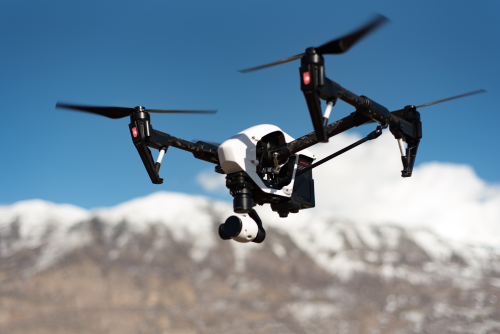
Family-vacation drones should be easy to pack, simple to fly, and good enough to capture the trip without becoming the trip. The best option is usually not the biggest or most expensive model, but the one you will actually bring, legally fly, and feel comfortable launching in a few minutes. For most travelers, that means either a small foldable camera drone or a very simple self-flying “follow” drone.
Quick Take
If you are asking what is the best drone for family vacations, here is the short answer:
- Best overall for most families: a small foldable Mini-class camera drone, especially something like the DJI Mini 4 Pro if your budget allows.
- Best value: a more affordable Mini-class drone such as the DJI Mini 3 or DJI Mini 4K, depending on what is available in your market.
- Best for absolute beginners: a self-flying pocket drone such as the HoverAir X1 or DJI Neo.
- Best for creators who care more about image quality and flexibility: a larger mid-size foldable drone such as the DJI Air 3.
- Usually not the best only drone for a family trip: an FPV drone, even though it can produce the most dramatic footage.
Best fit at a glance
| Buyer type | Best drone type | Good examples | Why it fits | Main tradeoff |
|---|---|---|---|---|
| Total beginner, wants easy clips | Self-flying pocket drone | HoverAir X1, DJI Neo | Fast setup, low stress, easy follow shots | Weaker in wind, less scenic range and flexibility |
| Most families | Mini-class foldable camera drone | DJI Mini 4 Pro, DJI Mini 3 | Best balance of size, image quality, safety, travel convenience | Still needs rule checks and some piloting basics |
| Budget-conscious traveler | Entry Mini-class drone | DJI Mini 4K, Potensic Atom | Better than bargain toy drones, portable, practical | Fewer premium features and safety aids |
| Enthusiast or creator | Mid-size foldable drone | DJI Air 3 | Better camera flexibility, more confidence in wind | Bigger bag, more attention, more travel friction |
| Experienced FPV pilot | FPV drone as a second drone | DJI Avata 2 | Unique action footage | Not ideal as your main family-vacation drone |
What actually makes a drone good for family vacations
A vacation drone has a different job from a professional real-estate drone, a mapping drone, or a dedicated FPV setup. You are trying to capture memories with minimal hassle.
Here is what matters most.
1. Small size and low packing friction
If it takes half a backpack, you will leave it in the hotel. A good family-travel drone should fit into a small shoulder bag with spare batteries, a charger, and extra propellers.
2. Fast setup
Family trips move quickly. The best drone is one you can launch for a sunrise beach shot, a mountain overlook, or a quiet lakeside clip without a 15-minute setup routine.
3. Reliable safety features
For beginners, features matter more than raw camera specs. Look for:
- Stable hover
- Good GPS positioning
- Automatic return-to-home
- Obstacle sensing or obstacle avoidance
- Clear beginner flight modes
Automatic return-to-home means the drone can fly back toward its takeoff point if signal drops or battery gets low. That alone can prevent a ruined trip.
4. Good-enough camera, not maximum camera
For family vacations, “good enough” is usually plenty. Most people will share clips on phones, TVs, and social platforms. You do not need cinema-grade specs to make a great travel film. You do need clean video, decent stills, and easy automatic shots.
5. Quiet, low-drama flying
Smaller drones are generally less intimidating around other people. That matters on beaches, viewpoints, resorts, and public spaces where you need to be discreet and respectful.
6. Lower regulatory friction
In many places, sub-250 g drones fall into lighter regulatory categories. That does not mean rule-free, but it often makes travel easier. For family vacations, that matters a lot.
7. Easy charging and accessories
A good travel drone should not require a suitcase full of extras. Prioritize:
- USB-C or easy charging options
- Spare batteries that are easy to manage
- Common replacement propellers
- Strong app support
- A compact controller or simple phone-based workflow
Best drone for family vacations by budget
Budget matters, but this is one category where spending too little can create more frustration than savings.
Around $200 to $400: best for simple memories, not serious aerial work
This range is best for two kinds of buyers:
- People who want a very easy “flying camera” for quick clips
- People who want an affordable first real drone from a reputable brand
The strongest options here are usually:
- Self-flying pocket drones like DJI Neo or HoverAir X1
- Entry Mini-class drones like DJI Mini 4K
- In some markets, value models like the Potensic Atom
Who this budget suits
- Parents who do not want a steep learning curve
- Casual vacationers who just want short scenic clips
- Buyers who are unsure how often they will really use a drone
What you gain
- Lower cost
- Smaller risk if you end up using it only a few times a year
- Lighter travel kit
- Less intimidating learning curve
What you give up
- Weaker wind performance
- Less advanced obstacle sensing
- More basic tracking
- More limited image quality in difficult light
Best advice in this range
If you are choosing between a cheap no-name drone and a basic drone from a trusted ecosystem, buy the trusted one. Family vacations are not the place to troubleshoot poor GPS, weak apps, unstable hover, or unavailable spare parts.
Around $400 to $900: the sweet spot for most families
This is the strongest range for most buyers. It is where travel-friendly drones become meaningfully better without becoming bulky or overkill.
The most compelling choices are usually:
- DJI Mini 3
- DJI Mini 4 Pro
If your goal is to buy one drone that can handle several years of vacations, the Mini 4 Pro is one of the safest recommendations in the market. It is small enough to travel well, advanced enough to grow with, and simple enough for non-experts to use.
Who this budget suits
- First-time buyers who want to avoid buyer’s remorse
- Families taking multiple trips per year
- Hobbyists who also want decent photos and video at home
- Travelers who care about portability but want real camera-drone capability
What you gain
- Strong balance of portability and image quality
- Better intelligent flight modes
- Better safety systems
- Better resale value and ecosystem support
- A drone you are less likely to outgrow quickly
What you give up
- It is still a drone you need to learn and manage
- You still need to verify local rules
- Small drones still have limits in strong wind and poor weather
Best choice here
If you want the simple answer, this is the range where a Mini-class foldable drone is the best drone for family vacations.
Around $900 to $1,400: best for creators who will use it often
This range starts to make sense when the drone is not just for vacations, but also for regular content creation, photography, or hobby flying.
A strong example is the DJI Air 3.
Who this budget suits
- Travel creators
- Enthusiast photographers
- Buyers who often shoot landscapes, coastlines, and scenic road trips
- People comfortable carrying a bigger kit
What you gain
- Better camera flexibility
- Stronger confidence in wind
- Better framing options for landscapes and compressed telephoto-style shots
- More room to grow creatively
What you give up
- More size and weight
- More attention in public
- More travel and compliance friction
- Overkill for many casual users
For most family trips, this category is a luxury, not a necessity.
Above $1,400: usually too much drone for the job
At this point you are often entering enthusiast or professional territory. Unless you already know why you need a larger or more advanced drone, it is probably not the best vacation buy.
Large drones can absolutely produce better results, but they also bring:
- Bigger bags
- More public attention
- More setup friction
- More worry about where you can legally and safely fly
For family vacations, convenience usually beats absolute performance.
Best drone by feature priority
Not everyone shops by budget first. Sometimes one feature decides the purchase.
Best for the easiest possible use
Choose a self-flying pocket drone.
Best for:
- Parents who do not enjoy manual piloting
- Quick clips of walks, bike rides, and picnic setups
- Travelers who want something closer to an action camera that happens to fly
Good examples include HoverAir X1 and DJI Neo.
These are great “memory machines,” but they are not the best scenic landscape drones.
Best for the broadest all-round travel use
Choose a Mini-class foldable camera drone.
Best for:
- City breaks
- Beach trips
- Road trips
- Mountain overlooks
- Mixed photo and video use
This is why the DJI Mini 4 Pro is such a common recommendation. It does the most things well without becoming cumbersome.
Best for better subject tracking
Look for:
- Reliable active tracking modes
- Strong obstacle awareness
- Stable video in motion
For family use, tracking is helpful for hikes, biking, and walking shots, but do not treat it like a fully aware robot. Trees, wires, crowds, and sudden motion can still create risk.
Best for scenic photos and stronger wind confidence
Choose a slightly larger drone like the DJI Air 3 if:
- You shoot a lot of coastlines, cliffs, and open viewpoints
- You care more about image flexibility than maximum portability
- You already know you will use the drone beyond one or two trips
Best for vertical social clips
Many newer travel-friendly drones make vertical video easier. If you mainly post to social platforms, a Mini-class drone with easy vertical shooting is often more useful than a bigger drone with more technical power.
Best drone by skill level
Skill level matters as much as budget.
If you have never flown a drone before
Start with one of these:
- A self-flying pocket drone if you want the easiest entry
- A Mini-class drone with beginner modes if you are willing to learn properly
Avoid:
- Large drones
- FPV as your first and only vacation drone
- Bargain-bin toy drones with weak stabilization
If you are a beginner but want a real long-term drone
Buy a Mini-class foldable drone. This is the best balance between easy learning and room to grow.
You will learn:
- How to launch and land safely
- How to manage battery and wind
- How to frame useful travel shots
- How to use automated modes without depending on them
If you are already a hobbyist or creator
Consider whether your vacations are mostly:
- Family-first trips, where portability matters most
- Creator-first trips, where image flexibility matters more
If the trip is family-first, a Mini-class drone still often wins. If the trip is content-first, an Air-series drone may be worth the larger kit.
If you are an FPV pilot
Bring FPV only if you already fly it confidently and legally. For most family vacations, FPV works better as a second drone, not the main one.
Why?
- Goggles reduce situational awareness around family members and bystanders
- Batteries disappear quickly
- Dynamic flying needs more space and discipline
- It is harder to use casually during a normal sightseeing day
The footage can be incredible, but it is not the easiest or safest family-trip setup.
Safety, legal, and travel checks you should make before buying
A drone can be perfect on paper and still be the wrong purchase for your trip.
Verify these before you travel
- Whether your destination allows tourist drone use at all
- Whether registration, pilot certification, or digital ID rules apply
- Whether your specific locations ban takeoff or landing
- Whether local parks, beaches, heritage sites, or resorts have stricter rules
- Whether your airline allows your batteries and how they must be packed
A few practical rules:
- Spare lithium batteries usually belong in carry-on baggage, not checked baggage, but always verify airline policy.
- Protect battery terminals and carry batteries safely.
- Do not assume a small drone is automatically legal everywhere.
- Do not fly over crowds, roads, or active beachgoers just because the drone is tiny.
- Do not use tracking modes close to trees, cables, balconies, or children running unpredictably.
- Respect privacy. A family vacation is not a reason to film strangers near pools, hotel windows, or private villas.
The safest buyer is the one who checks rules before the trip, not at the launch site.
Common mistakes and limits to know
Mistake 1: buying the cheapest drone possible
Ultra-cheap drones often create the worst first experience. Poor stabilization, weak wind handling, bad apps, and missing spare parts ruin trips fast.
Mistake 2: buying too much drone
A larger drone may be objectively better, but if it stays in the hotel room, it is not better for your family.
Mistake 3: assuming follow mode is foolproof
Tracking is helpful, not magical. Trees, poles, wires, and crowded areas still demand judgment.
Mistake 4: ignoring charging reality
If your trip involves long drives, camping, ferries, or multiple hotels, think about how you will actually charge batteries every day.
Mistake 5: planning to fly everywhere
Many famous viewpoints, parks, beaches, and resorts restrict drone use. Build your vacation around what is allowed, not what looks cinematic online.
Mistake 6: forgetting weather and environment
Most family-vacation drones do not love:
- Strong coastal wind
- Rain
- Salt spray
- Dust
- Sand takeoffs
- Cold battery conditions
A great travel drone is still a small aircraft, not an all-weather action camera.
A simple buying framework
If you want to decide in five minutes, use this:
Buy a self-flying pocket drone if:
- You hate the idea of learning manual flight
- You mostly want short clips of walks, kids, bike rides, or campsite moments
- You care more about convenience than scenic aerial range
Buy a Mini-class foldable drone if:
- You want the best all-around family vacation drone
- You want scenic shots, beach shots, road trip footage, and family memories
- You want something portable but still capable
Buy an Air-series drone if:
- You already know you enjoy flying
- You care more about image flexibility and wind performance
- You do not mind carrying a bigger kit
Skip FPV as your main travel drone if:
- This is your first drone
- You mainly want easy family memories
- You will fly around typical tourist environments
FAQ
Is a sub-250 g drone always easier to travel with?
Often, yes, but not always. In many places it falls into a lighter category, but some countries and local authorities still restrict, register, or ban small drones. Always verify the rules for the exact destination.
Is a cheap drone good enough for family vacations?
A reputable entry-level drone can be. A very cheap no-name drone usually is not. For vacations, reliability matters more than squeezing the price to the lowest possible number.
Do I need obstacle avoidance for a family drone?
Not absolutely, but it is very helpful. Beginners benefit from it, especially when filming in unfamiliar places. Still, obstacle systems do not see everything and should never replace cautious flying.
Is a selfie drone better than a regular camera drone?
It is better only if ease matters more than flexibility. Selfie drones are excellent for fast clips and low-stress use, but a Mini-class camera drone is better for scenic travel footage and wider creative use.
Should I buy FPV for travel videos?
Only if you already know you enjoy FPV and accept the extra complexity. For most families, FPV is not the easiest or safest main vacation drone.
How many batteries should I bring?
For most family trips, two to three flight batteries is a practical starting point. That gives you enough flexibility for sunrise, sunset, and one opportunistic flight without overpacking. Always check airline battery rules before you fly.
Can I fly a drone at beaches, resorts, or national parks?
Sometimes, but not reliably enough to assume yes. Beach rules vary, resort policies vary, and many protected areas restrict drones. Verify with the relevant authority or property operator before flying.
What is the safest one-drone choice for most buyers?
A reputable Mini-class foldable drone is the safest all-around purchase for most people. It offers the best mix of portability, quality, safety features, and travel practicality.
The bottom line
For most people, the best drone for family vacations is a small Mini-class foldable camera drone, with the DJI Mini 4 Pro standing out as the premium all-around choice and the DJI Mini 3 or Mini 4K making more sense for tighter budgets. If you want the easiest, least intimidating experience, go with a self-flying pocket drone instead. Before you buy, match the drone to how your family actually travels, not to the most cinematic footage you have seen online.
