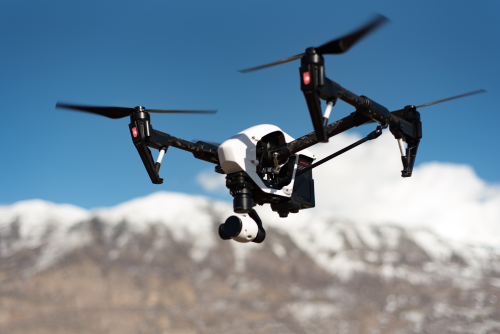
Choosing the best drone for inspection is less about buying the most expensive aircraft and more about matching the drone to the asset, the risk, and the evidence you need to capture. A roofer doing occasional visual checks needs a very different tool from a utility team inspecting lines, solar arrays, or industrial equipment. This guide breaks the choice down by budget, key features, and pilot skill level so you can buy with fewer surprises and less regret.
Quick Take
If you want the short answer to “what is the best drone for inspection?”, here it is:
- For basic roof, gutter, façade, and site-condition checks, a compact camera drone with strong obstacle sensing is usually enough.
- For repeat paid inspection work, the sweet spot is often an enterprise drone with a tele camera, better support, and a cleaner reporting workflow.
- For solar, electrical, and heat-loss work, thermal is not optional. Buy a real thermal platform from the start.
- For utilities, critical infrastructure, public safety, and industrial environments, look at rugged multi-sensor enterprise systems with better redundancy and service support.
- If you need measurements, maps, or repeatable documentation, camera quality alone is not enough. You may also need RTK, mapping software, and a defined workflow.
Best Drone for Inspection by Budget
The table below is the fastest way to narrow your search.
| Budget band | Best fit | What to prioritize | Typical buyer | Example class |
|---|---|---|---|---|
| Under $1,000 | Entry-level visual inspection | Easy flying, strong obstacle sensing, good stills/video, low replacement cost | Homeowners, new roofers, part-time operators, learners | DJI Mini 4 Pro-class compact drone |
| $1,000 to $3,000 | Best value for light commercial work | Better wind performance, better battery life, stronger camera, safer standoff if dual-camera is available | Small contractors, creators doing occasional inspections, solo operators | DJI Air 3-class foldable drone |
| $3,000 to $10,000 | Serious professional inspection | Tele camera, thermal option, enterprise software, RTK option, stronger service support | Roofing businesses, solar teams, survey-inspection crossover operators | DJI Mavic 3 Enterprise, Mavic 3 Thermal, Autel EVO II Dual 640T class |
| $10,000+ | Critical infrastructure and high-consequence jobs | Rugged airframe, wide + zoom + thermal, better redundancy, fleet support, mission planning | Utilities, industrial teams, public safety, inspection departments | DJI Matrice 30T, Autel EVO Max 4T, Skydio X10 class |
Specific model availability, support, firmware policies, and regulatory fit vary by country. Treat model names as shortlist examples, not universal winners.
What “Best” Really Means in Inspection
For inspections, “best” does not mean highest resolution or biggest drone. It means the aircraft that helps you capture usable evidence safely, legally, and repeatably.
A good inspection drone should answer these four questions:
-
What are you inspecting?
Roofs, towers, bridges, solar panels, façades, power lines, chimneys, tanks, and indoor assets all create different demands. -
What output do you need?
A quick visual report, a client-ready photo set, a thermal anomaly scan, or a measurable 3D model are not the same job. -
How close can you safely fly?
If you cannot or should not get close, you need zoom. Many buyers overspend on size and underspend on standoff capability. -
Who will fly it?
A beginner benefits from simplicity and low stress. An enterprise team may need ruggedness, logs, fleet control, and formal maintenance.
That is why there is no single best drone for inspection in every situation.
Best Choice by Skill Level
Your own experience matters almost as much as the drone.
Beginner or occasional operator
If you are new to drones or only inspect occasionally, the best inspection drone is usually a small, stable camera drone with excellent obstacle sensing and a forgiving flight experience.
This buyer profile fits:
- roofers doing occasional visual checks
- real estate or property teams documenting exterior issues
- small business owners who want photos before sending a crew up
- first-time commercial drone buyers
What you want:
- a compact foldable airframe
- dependable auto-hover and return-to-home
- obstacle sensing in multiple directions
- strong image quality in daylight
- affordable spare batteries and propellers
What you do not need yet:
- thermal, unless it directly affects your service
- RTK for precision positioning
- a large rugged airframe
- advanced mission-planning tools you will not use
A compact drone in the Mini 4 Pro class is often the lowest-risk place to start. It will not replace a true enterprise system, but it can absolutely handle basic visual inspection work when used within its limits.
Growing solo operator
If you already fly comfortably and want to do paid inspection work weekly, step up to a more capable foldable or entry enterprise platform.
This is the best fit for:
- solo roof and exterior inspectors
- construction documentation providers
- drone service providers adding inspection to photo/video work
- teams that need better wind handling and longer sessions
What matters most here:
- stronger camera performance
- better standoff options
- longer effective working time
- faster deployment on site
- cleaner file management and report workflow
This is the category where many buyers land because it balances cost and capability well.
Professional inspection specialist
If inspection is a core service, not a side add-on, you will usually be happier in the enterprise tier.
That means looking for:
- tele or zoom camera options
- thermal if your sector needs it
- enterprise app ecosystem
- RTK if you need repeatable mapping or measurements
- better local support and repair channels
- batteries and accessories designed for frequent field use
This is where drones like the Mavic 3 Enterprise or Mavic 3 Thermal become compelling. You are not just paying for the aircraft. You are paying for workflow reliability.
Enterprise team or regulated operator
For utilities, industrial sites, public safety, energy, telecom, and other higher-consequence environments, the best drone is usually a rugged multi-sensor system rather than a consumer foldable.
This buyer needs:
- thermal and zoom on one platform
- stronger wind and weather tolerance
- better mission management
- standardized maintenance
- operational logs and fleet visibility
- formal support and reduced downtime risk
A bigger system is not always better for image quality, but it is often better for repeatability, support, and job-site confidence.
The Features That Actually Matter for Inspection
Marketing specs can be distracting. These are the features that genuinely change inspection results.
Zoom or tele camera
For many inspection jobs, zoom is more valuable than a slightly better wide camera.
Why it matters:
- lets you keep a safer distance from roofs, façades, towers, and energized assets
- helps capture defects without risky close passes
- reduces collision pressure for less experienced pilots
- makes inspection of inaccessible areas more practical
If your work involves towers, high façades, industrial structures, or electrical assets, zoom is often the smartest upgrade.
Thermal camera
Thermal imaging shows heat patterns, not magic truth. It can be essential for:
- solar hotspot detection
- electrical fault investigation
- moisture or heat-loss surveys in some building contexts
- industrial maintenance checks
But thermal has limits:
- reflective surfaces can mislead
- direct sun loading affects results
- wet surfaces change readings
- temperature interpretation needs training
- local rules may affect how and where you can collect certain data
If thermal findings are central to your service, buy a real thermal drone and learn proper capture conditions. Do not assume a standard camera drone can fill the gap.
Obstacle sensing
Obstacle sensing is one of the best risk reducers for inspection, especially near buildings and structures.
It helps with:
- slow exterior passes
- holding safe spacing around assets
- avoiding some side and rear surprises
- reducing beginner stress
But it is not collision-proof. Thin wires, branches, complex steel structures, reflective glass, and low-light conditions can still cause trouble.
Wind performance and stability
Inspection often happens around large structures that create turbulence. Wind handling is not just about flying fast. It is about getting sharp, usable images without fighting the aircraft.
Buyers regularly underestimate how much wind affects:
- façade and roof work
- tower inspection
- coastal jobs
- rooftop urban environments
A drone that flies fine in an open park can feel much worse near a building edge.
RTK and positioning accuracy
RTK stands for real-time kinematic positioning. It improves location accuracy and repeatability.
You need it if you care about:
- repeat inspections from similar positions
- accurate maps or orthomosaics
- measurement-based workflows
- survey-inspection crossover work
You probably do not need it for:
- basic roof photos
- one-off visual checks
- simple marketing-plus-inspection documentation
RTK is valuable, but only when your workflow can use it.
Software and reporting workflow
A drone is only part of the inspection system.
Also consider:
- how you annotate images
- how you deliver findings
- whether you need thermal analysis software
- cloud storage and team access
- whether your clients want raw imagery, a PDF report, or a 3D model
Many buyers focus on aircraft specs and ignore the workflow that clients actually pay for.
Serviceability and downtime
For business users, repair support matters more than people admit.
Check before buying:
- local or regional repair availability
- spare battery cost and lead times
- propeller and accessory availability
- warranty terms
- enterprise support options
- how long you can afford to be grounded
The wrong drone is often the one you cannot get repaired quickly.
Match the Drone to the Job
This is where most buying mistakes happen. Start with the job, not the brand.
Residential roof and gutter inspections
Best fit:
- compact or prosumer foldable drone
- strong obstacle sensing
- good stills and video
- multiple spare batteries
Why:
Most roof work is visual. You need safe viewpoints, clear documentation, and fast setup. A small drone is often easier to deploy around homes and less intimidating to clients and neighbors.
When to upgrade:
If you frequently inspect steep roofs, large estates, or harder-to-access areas, a drone with better zoom or more stable wind handling can save time and reduce risk.
Building façades and exterior envelopes
Best fit:
- prosumer or enterprise drone
- tele camera strongly preferred
- precise low-speed control
- reliable positioning near structures
Why:
Façades often involve vertical surfaces, overhangs, reflective glass, and wind shear. Zoom helps you hold safer offset distances instead of creeping dangerously close.
Solar inspections
Best fit:
- enterprise drone with thermal
- repeatable capture workflow
- enough batteries for site coverage
- analysis software that supports thermal reporting
Why:
A normal RGB camera can document layout and visible damage, but it cannot replace thermal for hotspot detection. If solar is the business, thermal should be part of the initial purchase, not a future maybe.
Construction progress and defect documentation
Best fit:
- prosumer or enterprise drone
- strong wide camera
- optional RTK if you need repeatability or mapping
- manageable file workflow
Why:
Many construction teams need both visual documentation and occasional inspection angles. This is a common crossover use case where a mid-tier drone gives good value.
Towers, utilities, and industrial assets
Best fit:
- enterprise multi-sensor drone
- zoom camera
- thermal if relevant
- strong operational reliability
- experienced pilot only
Why:
This work usually involves more risk, more standoff, and stricter client expectations. Consumer drones can capture some of this work, but they are often the wrong long-term answer if the job volume is serious.
Indoor or confined-space inspection
Best fit:
- dedicated collision-tolerant indoor inspection drone
Why:
A standard GPS camera drone is usually the wrong tool for tanks, ducts, tunnels, boilers, or other confined spaces. If this is your use case, shortlist specialized indoor platforms instead of forcing an outdoor drone into the job.
What People Get Wrong When Buying an Inspection Drone
They buy for rare jobs instead of regular jobs
If 80 percent of your work is simple roof documentation, do not start with a heavy thermal enterprise platform unless that will pay for itself quickly.
They ignore zoom
A wide camera can make pilots fly too close. In inspection, safe standoff is often more important than headline resolution.
They confuse obstacle sensing with guaranteed safety
Sensor systems help, but they do not eliminate the need for slow, deliberate flying and proper site planning.
They forget the total system cost
Your real spend includes:
- spare batteries
- charger or hub
- memory cards
- case
- replacement props
- software subscriptions
- training
- insurance
- maintenance and downtime
A cheap aircraft can become an expensive system fast.
They assume thermal works in every condition
Thermal results depend on weather, surface properties, time of day, and operator skill. It is powerful, but it is not automatic.
They buy a consumer drone for enterprise expectations
If clients expect documented maintenance, risk assessments, data handling discipline, and fast replacement support, a consumer platform may not be enough even if the camera looks good.
Safety, Legal, and Operational Risks to Check Before You Buy
Inspection work often sits close to regulated flight activity, private property, sensitive infrastructure, and commercial liability. Before you buy, verify the rules that apply where you operate.
Check these items with the relevant aviation authority, site owner, insurer, and local authority where needed:
- drone registration requirements
- pilot qualification or licensing for commercial operations
- electronic identification or remote ID rules
- visual line of sight limits
- flight near people, roads, buildings, or critical infrastructure
- controlled or restricted airspace
- night operation rules
- privacy and data collection limits
- insurance requirements for commercial work
- site-specific permissions, including industrial and utility property rules
A few practical cautions matter everywhere:
- Do not inspect energized infrastructure unless you understand the operational risks and client requirements.
- Do not rely on automation alone around buildings, cranes, towers, cables, or reflective glass.
- Do not launch from unsafe rooftops, roadsides, or crowded areas just because the aircraft is small.
- Do not promise thermal diagnostics beyond your competence. Image interpretation can have real consequences.
- If you travel internationally with an inspection kit, verify airline battery rules and the destination country’s drone rules before departure.
A Simple 7-Point Buying Checklist
If you are ready to shortlist, use this in order.
1. Define the primary inspection output
Do you need:
- close visual photos
- thermal evidence
- zoomed defect imagery
- 3D model or mapping output
- repeatable periodic documentation
2. Identify the hardest environment you regularly face
Think about:
- wind
- tight spaces
- reflective surfaces
- GPS-poor areas
- long walking distances
- travel frequency
Buy for your normal hardest job, not your easiest one.
3. Decide whether zoom is mandatory
If you inspect anything tall, fragile, energized, or difficult to approach, zoom should move high on your list.
4. Decide whether thermal is revenue-critical
If solar, electrical, heat-loss, or industrial maintenance is part of your actual service, thermal belongs in the initial budget.
5. Price the full kit, not just the aircraft
For most inspection work, plan for at least:
- 3 to 5 batteries
- spare props
- reliable storage
- controller solution
- carrying case
- reporting workflow
6. Check support before specs
A slightly less exciting drone with better repair access and better accessory availability is often the smarter business buy.
7. Make sure the aircraft matches the pilot
If the least experienced person on your team will struggle with it, your operational risk goes up immediately.
FAQ
Do I need a thermal drone for roof inspections?
Not always. For many roof inspections, a standard camera drone is enough for documenting damage, missing materials, drainage issues, and general condition. Thermal becomes more relevant when you are specifically looking for moisture patterns, insulation issues, or heat-related anomalies and you know how to capture and interpret the data correctly.
Is a sub-250-gram drone enough for paid inspection work?
Sometimes, yes. A small drone can be excellent for basic visual inspections and early-stage commercial use. But sub-250 g status does not automatically remove commercial rules, privacy obligations, or airspace restrictions. Always verify the rules where you operate.
What is more useful for inspection: a better wide camera or zoom?
For many professional inspections, zoom is more useful. It helps you capture detail while keeping safer distance from structures and hazards. A great wide camera is helpful, but safe standoff often wins in real work.
Should I buy RTK for inspection work?
Buy RTK if you need repeatable positioning, measured outputs, or mapping-grade documentation. Skip it if your work is mostly visual evidence and client reports based on photos and video.
Can one drone do roof, solar, mapping, and tower inspections?
One drone can cover some overlap, but not every job equally well. A visual inspection drone can handle roofs and general exterior work. Solar often needs thermal. Accurate mapping may need RTK and a stronger workflow. Towers and utilities usually benefit from zoom and a more capable platform.
Are enterprise drones worth it for a small business?
Yes, if inspection is a core paid service and downtime, support, and reporting quality matter. No, if you only do occasional visual checks and cannot yet justify the full system cost. The biggest difference is not just hardware. It is reliability and workflow.
What software matters most for inspection buyers?
Start with the software that supports your deliverable. If clients want annotated image reports, choose a platform that makes review and reporting easy. If they want thermal analysis, use software built for thermal workflows. If they want maps or models, look at photogrammetry and inspection data management tools.
What if I need indoor inspections too?
Do not assume your outdoor inspection drone can safely handle confined spaces. Indoor inspection often needs a collision-tolerant platform designed for GPS-denied environments. If indoor work is a serious part of your business, treat it as a separate buying decision.
Final Decision
If you are just starting, buy a compact drone that is easy to fly, hard to crash, and cheap to keep in the air. If inspection is becoming paid, repeat work, move up to an enterprise platform with zoom, support, and a workflow your clients can trust. And if thermal, utilities, or industrial assets are central to your business, buy for the job you actually do most often, not the one that looks most impressive on paper.
