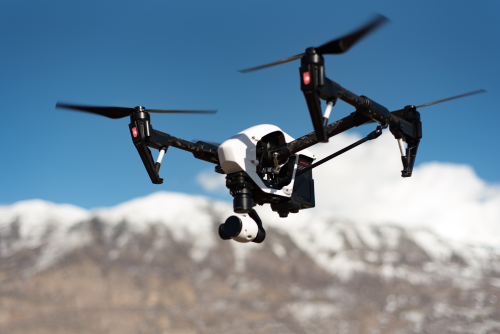
If you are asking what is the best drone for real estate, the simplest answer is this: for most buyers, it is not the biggest drone or the most expensive one. The best fit is usually the drone that gives you clean daylight image quality, reliable safety features, fast setup, and the least operational friction for the places you work. For most solo agents, creators, and small property media businesses, that points to the DJI Mini 4 Pro, with the DJI Air 3 or Air 3S as the better step-up for heavier weekly use.
Quick Take
For most people, the best drone for real estate is the DJI Mini 4 Pro. It is small, capable, easy to carry, and strong enough for the kind of exterior photos and video most property marketing actually needs.
Here is the fast version:
| Buyer type | Best fit | Why it works | Main tradeoff |
|---|---|---|---|
| Most buyers | DJI Mini 4 Pro | Best balance of quality, safety, portability, and ease of use | Less confidence than larger drones in strong wind |
| Tight budget | DJI Mini 3, Mini 4K, or a good refurbished older DJI Mini | Good enough for daylight listing work and learning | Fewer premium features and less room to grow |
| Busy real estate shooter | DJI Air 3 or Air 3S | Better wind handling, dual-camera flexibility, stronger day-to-day workhorse feel | Bigger, louder, and often more regulated than mini-class drones |
| Luxury property specialist | DJI Mavic 3 Classic or Mavic 3 Pro | Better stills, better low-light, stronger premium output | Higher cost and harder to justify for ordinary listings |
| Interior fly-through specialist | DJI Avata 2 as a second drone | Dynamic indoor and transition shots for social-first marketing | Not a primary listing drone and requires FPV skill |
Key Points
- The best real estate drone is the one that matches your listings, your workflow, and your local rules.
- Most agents and solo property shooters do not need a cinema-class drone.
- A mini-class drone is often the smartest first buy because it is easier to carry, launch, and use regularly.
- Obstacle sensing, reliable return-to-home, and fast setup matter more than headline resolution.
- Bigger drones start to make sense when you shoot luxury homes, large estates, coastal properties, or listings in windier conditions.
- FPV can be a powerful upsell, but it should usually be an add-on, not your only aircraft.
- Always verify local aviation, privacy, venue, and commercial flight rules before marketing a paid service.
What actually makes a drone good for real estate?
Real estate is a specific kind of drone work. You are not filming a feature movie. You are trying to make a property look clear, attractive, truthful, and easy to understand.
That means the best drone for real estate usually needs five things.
Clean, stable footage without a lot of effort
Property work rewards smoothness more than drama. A reliable gimbal, stable hovering, and predictable movement matter more than extreme speed.
You want footage that makes viewers feel oriented: – a clean reveal of the house – a smooth rise showing the lot and surroundings – a gentle orbit – a short approach or pullback – a few context shots showing access, neighborhood, views, or amenities
If the drone is hard to control, drifts, or struggles with basic stabilization, it will show up immediately in the final video.
A camera that is good in normal daylight
Most real estate drone content is shot in good weather and decent light. Because of that, you do not always need the biggest sensor or the most advanced color workflow.
What you do need is: – crisp stills for listing portals and brochures – clean 4K video or similarly strong delivery quality – decent dynamic range so bright roofs and darker landscaping both hold up – good automatic exposure behavior for quick jobs – optional vertical shooting or easy cropping for social media
For standard homes, the jump from a very cheap drone to a good Mini or Air series drone is huge. The jump from a good midrange drone to a premium Mavic is real, but smaller than many buyers expect.
Safety features that reduce bad surprises
Real estate shoots often happen near trees, fences, utility lines, driveways, pools, neighboring homes, and parked cars. You are not flying over a wide-open field.
That makes these features valuable: – obstacle sensing – reliable GPS positioning – accurate return-to-home – stable hovering – clear battery and signal warnings
A lot of buyer regret comes from underestimating how much easier a safe drone is to use on a real job.
Portability and low friction
A real estate drone often sits in the car, goes from listing to listing, and gets launched for short windows. If it is annoying to carry or slow to deploy, you will use it less.
That is why small drones do so well in this category. The easier the drone is to pack, charge, and launch, the more likely it becomes part of your regular service instead of a once-a-month extra.
A workflow that fits property marketing
The best drone for real estate is not just the aircraft. It is the kit and the process around it.
Think about: – how fast you can get from arrival to first shot – whether you can shoot both horizontal and vertical content – battery turnaround – how easily the files fit your editing workflow – whether spare parts and batteries are easy to buy in your region
The buyer who thinks about workflow usually makes the better purchase.
Best drone for real estate by budget
Prices change often by country, taxes, bundle, and retailer, so it is better to think in budget bands than exact numbers.
| Budget band | Best choices | Best for | What to watch |
|---|---|---|---|
| Entry budget | DJI Mini 4K, DJI Mini 3, refurbished older DJI Mini models | Learning, occasional listings, agent-created content | More limited safety features and less confidence in wind |
| Midrange | DJI Mini 4 Pro, DJI Air 3, DJI Air 3S | Most paid real estate work | You still need to budget for batteries and accessories |
| Premium | DJI Mavic 3 Classic, DJI Mavic 3 Pro | Luxury homes, agency teams, polished premium work | Higher cost, bigger size, more operational friction |
| Specialty add-on | DJI Avata 2 | FPV interior and transition shots | Requires training and should not be your only drone |
Entry budget: good enough to start, if you choose carefully
If your budget is limited, the smartest move is usually to buy a solid DJI Mini-class drone instead of an ultra-cheap no-name model.
Good entry-level choices include: – DJI Mini 4K – DJI Mini 3 – a refurbished or previous-generation DJI Mini from a reputable source
Why these make sense: – image quality is usually strong enough for daylight property marketing – they are small and easy to carry – they are simpler to learn than larger drones – batteries, props, and community support are easier to find than with many low-cost brands
Who should buy here: – a solo agent creating basic listing media – a beginner photographer adding aerials – a new operator testing local demand before spending more
Main compromise: – less wind confidence – less room for aggressive or complex flying – fewer advanced safety features on lower-cost models – weaker low-light performance
If you are trying to save money, a good refurbished older premium Mini is often a better buy than a brand-new toy drone.
Midrange: the real sweet spot for most buyers
This is where the best real estate drone for most people lives.
DJI Mini 4 Pro: best for most real estate buyers
If you want one recommendation that fits the largest number of buyers, it is the DJI Mini 4 Pro.
It works because it combines: – strong image quality – useful safety features – very portable size – low setup friction – easy solo operation – strong fit for both standard property video and social media clips
It is especially good for: – solo real estate agents – part-time property shooters – photographers who need an aerial add-on – creators who want one compact drone for listings and general travel work
It is not the strongest option for every windy or high-end scenario, but it is the easiest drone to recommend without overbuying.
DJI Air 3 or Air 3S: best step-up for regular paid work
If you shoot real estate every week, the Air 3 family is where things start to feel more like a dedicated work tool than a lightweight convenience drone.
Why step up: – better performance in wind – more confidence on larger properties – dual-camera flexibility for wider scenes and more compressed perspective – better fit for shooters who do multiple listings in a day
The medium tele camera matters more than some buyers realize. It can help you frame a house more flatteringly, separate the property from its background, and avoid making everything look tiny and stretched.
Choose Air 3 or Air 3S if: – you shoot coastal, elevated, or windy locations – you market larger homes or rural properties – you want a more robust feel than a Mini – you shoot often enough to justify the upgrade
The tradeoff is simple: it is bigger, more visible, and in many jurisdictions it can create more compliance friction than a mini-class drone.
Premium: best for luxury homes and premium property media
A premium drone starts to make sense when the property value, client expectations, and final deliverable quality all justify it.
DJI Mavic 3 Classic
For many professionals, this is the smarter premium buy than going straight to the most complex flagship setup. It gives you premium image quality without forcing you to pay for every extra camera feature if you do not need them.
Best for: – high-end residential marketing – hospitality properties – villas, resorts, estates, and large waterfront homes – operators who already know how to fly and edit professionally
DJI Mavic 3 Pro
This makes more sense if you genuinely use the extra camera flexibility and your clients will pay for the difference.
Best for: – established media companies – premium agencies – luxury-focused operators – mixed-use shoots where multiple focal lengths help tell the story better
The warning here is important: many buyers move up too early. Most ordinary residential listings will not suddenly pay more just because the drone is larger.
Specialty add-on: FPV for cinematic interiors and transitions
For some real estate brands, especially luxury, hospitality, and social-first marketing, first-person view (FPV) fly-throughs can be a real differentiator.
The DJI Avata 2 is relevant here because it makes immersive interior and transition shots more accessible than traditional open-prop FPV rigs.
It is useful for: – door-to-pool or driveway-to-interior transitions – amenity walkthroughs – gym, lobby, restaurant, and resort sequences – social media reels that need a more dynamic feel
But this is the key point: an FPV drone is usually a second drone, not your main real estate drone.
Why: – it is not the best tool for clean listing stills – it is not the easiest way to shoot ordinary exterior coverage – indoor flying requires much more skill and risk control – clients may love the look, but they still need standard wide exterior shots
Best drone for real estate by skill level
Budget matters, but skill level matters just as much.
Best for absolute beginners: DJI Mini 4 Pro
If you are new and want the easiest path to professional-looking property work, start here. You get strong results without jumping too far ahead of your ability.
You are less likely to regret it if: – you are learning manual camera decisions – you want to keep your kit light – you need a drone that does not feel intimidating
Best for beginners on a tighter budget: DJI Mini 3 or Mini 4K
These make sense if you want to learn the basics and keep the risk lower while you build confidence.
Buy this class if: – you are not yet charging premium rates – you mainly shoot simple daytime exteriors – you are still deciding how much drone work will matter in your business
Best for confident beginners and intermediates: DJI Air 3 or Air 3S
If you already know how to fly safely, plan shots, and manage a listing workflow, this is a strong upgrade.
It suits: – real estate media businesses – busy creators – operators in more demanding wind conditions – users who want more shot variety without jumping to a large premium platform
Best for experienced professionals: Mavic 3 Classic or Mavic 3 Pro
Choose this level if you already know why you need it. Premium drones reward experienced operators more than beginners because the value comes from how you use the extra image quality and camera flexibility.
Best for FPV-skilled creatives: Avata 2 plus a main listing drone
If you want to sell cinematic fly-throughs, social reels, or branded property experiences, use an FPV-capable drone as a second system. Keep a standard camera drone for the bread-and-butter listing work.
Features worth paying for
When buyers compare real estate drones, these are the upgrades that usually matter.
Reliable obstacle sensing
Especially valuable near: – trees – rooflines – balconies – fences – landscaping – driveways and parked vehicles
It is not a license to fly carelessly, but it can reduce simple mistakes.
Better wind performance
If you shoot coastal homes, elevated sites, farms, large lots, or taller buildings, better wind handling can matter more than extra camera resolution.
A medium tele camera
This is one of the most underrated upgrades for property marketing. A second camera with a tighter view helps: – make a home look more flattering – compress distance in a pleasing way – isolate amenities – show details without flying too close
Vertical-content flexibility
If agents want short-form social clips, vertical shooting support or easy vertical crops are practical time savers.
A controller with a built-in screen
Not essential, but very useful. It speeds up setup, reduces cable issues, and makes quick property jobs smoother.
Extra batteries
Three batteries is a realistic minimum for paid work. Four is even better if you shoot multiple properties in a day.
Features you can treat as secondary
These are nice, but often less important than buyers think.
- extreme video resolution beyond your delivery needs
- top speed
- advanced color profiles you will never grade properly
- oversized accessory bundles that mostly add clutter
- “intelligent” flight gimmicks you will not use on client jobs
For real estate, consistency beats complexity.
Safety, legal, and operational limits to know
Real estate drone work is commercial or promotional activity in many places, and aviation, privacy, and local access rules vary widely. Before flying, verify the rules that apply in your country, region, city, venue, and airspace.
At a minimum, check:
- whether the drone or pilot must be registered
- whether commercial or promotional use needs a certificate, authorization, or local approval
- whether insurance is required or strongly expected for paid work
- whether the property is near controlled or restricted airspace
- whether local rules limit night flying, flights near roads, or flights near uninvolved people
- whether the takeoff and landing point is allowed by the property owner, venue, or community management
- whether privacy expectations or filming restrictions affect neighbors, pools, courtyards, children, license plates, or adjacent land
A small drone can reduce compliance friction in some jurisdictions, but it is not a universal loophole. Always verify the actual rule where you operate.
Two more real estate-specific cautions matter:
Do not misrepresent the property
Drone footage can easily make a lot, boundary, view, or distance look different from reality. Be careful with: – boundary overlays – lot-line graphics – views that depend on altitude rather than a realistic living perspective – nearby roads, power lines, construction, or neighboring structures you conveniently leave out
If you use overlays, only use information that has been properly verified.
Indoor flying is still a risk issue
Even where aviation rules focus on outdoor airspace, indoor drone work still involves safety, property damage, insurance, and venue permission. A drifting drone inside a furnished home is a fast way to create an expensive problem.
Common mistakes buyers make
Buying too much drone too early
A premium drone does not automatically create better listing media. If your shot planning, flying, and editing are still basic, a smaller drone may earn you more with less stress.
Buying too cheap and calling it “good enough”
Real estate is unforgiving of poor stabilization, weak GPS, or unreliable apps. The footage looks amateur immediately.
Ignoring batteries, props, and charging
Many buyers spend everything on the aircraft and then run an underpowered kit. A drone with one battery is not a proper business setup.
Assuming indoor fly-throughs are easy
They are not. Indoor work is advanced, especially around furniture, glass, lighting fixtures, and tight doorways.
Thinking bigger always means better
Sometimes bigger means louder, more visible, slower to deploy, and harder to justify. For many agents, that is a downgrade in real-world usefulness.
Forgetting repair and support
Before buying, check: – battery availability – prop availability – local repair options – turnaround time – resale demand in your region
A great drone with weak support can become a headache fast.
A simple way to choose the right one
If you want to make this decision quickly, use this five-step filter.
-
List the properties you actually shoot.
Small urban homes, large estates, coastal villas, resorts, farms, and apartment towers do not all need the same drone. -
Decide whether you need one drone or two.
Most people need one standard camera drone. Only advanced users need to add FPV. -
Budget for the full kit, not just the aircraft.
Include batteries, props, storage, charging, carrying case, memory cards, and any local compliance costs. -
Choose the smallest drone that fully meets the job.
Smaller often means easier to use, easier to carry, and easier to deploy consistently. -
Buy for your next 12 months, not your fantasy business.
Get the drone that fits the work you are actually likely to book.
FAQ
What is the best all-around drone for real estate?
For most buyers, it is the DJI Mini 4 Pro. It has the best overall balance of image quality, size, safety features, and ease of use for standard property marketing.
Is a mini drone good enough for paid real estate work?
Yes, in many cases it is more than good enough. A capable mini-class drone can produce professional-looking exterior photos and video for a large share of residential listings. Just verify local commercial flight rules before using it for paid work.
Which is better for real estate: Mini 4 Pro or Air 3/Air 3S?
Choose the Mini 4 Pro if you want portability, simplicity, and a lower-friction everyday drone. Choose the Air 3 or Air 3S if you shoot more often, work in windier conditions, or want more camera flexibility.
Do I need a premium drone for luxury property listings?
Not always, but premium drones start to make more sense when the homes are high value, the marketing package is more polished, and twilight or premium still-image quality matters more.
Can I fly a drone inside a house for real estate video?
Only if you have permission, the space is safe, and you have the skill to do it. Standard camera drones can drift indoors, and interior flights carry real damage risk. FPV-style drones are often better for complex indoor work, but they require training.
How many batteries do I need for real estate shoots?
At least three is a sensible starting point for paid work. If you shoot several properties in a day, four can make your workflow much more reliable.
Is FPV worth it for real estate?
It can be, but usually as an add-on service. FPV shines for cinematic walkthroughs, amenity tours, and social content. It is not the best first drone for ordinary listing work.
Is DJI the only brand worth considering?
No, but for many buyers DJI still offers the strongest mix of ecosystem, app maturity, accessory availability, and resale value. If you are considering another brand, compare local support, battery availability, software stability, and repair options before buying.
The decision that makes sense for most buyers
If you want the safest default purchase, get the DJI Mini 4 Pro with at least three batteries and build a repeatable real estate shot list around it. If you already shoot listings regularly, deal with wind, or want a more robust workhorse, step up to the DJI Air 3 or Air 3S. Only move to a Mavic 3-class drone or add FPV when your clients will actually pay for what those tools do better.
