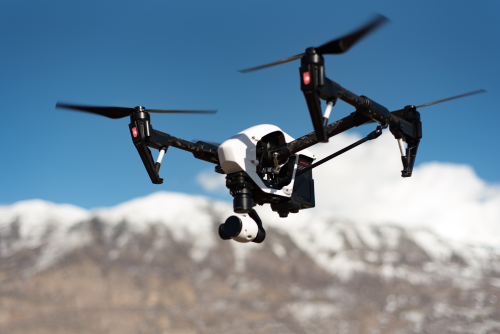
The best backpacks for drone pilots who want fewer problems in the field are not always the biggest, hardest, or most expensive. The right bag reduces setup time, protects fragile parts, keeps batteries and tools under control, and helps you move through airports, trails, and job sites without fighting your own gear. If your current pack feels like a random box with shoulder straps, this is the upgrade logic that matters.
Quick Take
If you want fewer field problems, buy a drone backpack for workflow first and capacity second.
Key points
- The best drone backpack is the one that lets you access the aircraft, batteries, filters, controller, and tools without unpacking half the bag.
- Most pilots are better served by one of five styles: urban creator, travel modular, hiking/adventure, commercial worksite, or FPV-specific.
- Good organization beats raw storage volume. Loose batteries, mixed clean-and-dirty gear, and buried tools create avoidable delays.
- For many pilots, the safest buy is a modular camera backpack that can carry both drone and camera gear, not a drone-only pack.
- If you travel, verify airline and local rules for lithium batteries, carry-on limits, and drone operations before the trip. Your backpack does not make your kit automatically compliant.
Shortlist by pilot type
| Pilot type | Best backpack style | Strong options to shortlist | Main tradeoff |
|---|---|---|---|
| Beginner with compact drone | Small modular daily backpack | Lowepro Fastpack Pro series, Peak Design Everyday Backpack | Can feel tight once you add a camera kit |
| Travel creator | Modular travel/photo backpack | PGYTECH OneMo series, WANDRD PRVKE series | Easy to overpack |
| Aerial photographer carrying drone + camera | Hybrid camera backpack | Peak Design Everyday Backpack, Lowepro ProTactic BP series | Camera-first layouts may need divider tweaks |
| Hike-in landscape pilot | Adventure backpack with camera core | Shimoda Action X series, f-stop Tilopa/Ajna | Usually slower access than urban bags |
| FPV pilot | FPV-specific backpack | Torvol Pitstop Backpack Pro | Less elegant for everyday non-FPV use |
| Commercial operator | Rugged work backpack | Lowepro ProTactic BP series, PGYTECH OneMo series | Heavier when fully loaded |
What “fewer problems in the field” really means
A good drone backpack solves small failures before they become big annoyances.
For most pilots, those failures look like this:
- You need one battery and have to open three compartments to find it.
- Your ND filters, props, and cables end up mixed together.
- The gimbal area gets squeezed because the bag is too soft or poorly divided.
- The backpack is comfortable in the store and miserable after 45 minutes of walking.
- You bring everything “just in case” and end up with a heavy, slow, disorganized loadout.
- You arrive at a site and realize your cards, permits, charger, landing pad, or sun hood are in another pouch at home.
The best backpacks reduce friction in five ways:
1. Fast access
Side access, rear-panel access, or a well-designed top compartment matters more than people expect. If reaching the aircraft takes too long, you shoot less, miss moments, and expose gear to more dirt and impact while rummaging.
2. Real protection
Drone cameras, gimbals, antennas, action cams, lenses, and battery contacts all need controlled storage. Good dividers, stiff walls, and predictable compartments matter more than an impressive-looking shell.
3. Better battery discipline
You want a clear system for:
- charged batteries
- depleted batteries
- battery checker or labels
- charger and cables
- fire-resistant battery pouches if you use them
- safe terminal protection for travel
A backpack that turns battery management into one repeatable habit is worth real money.
4. Comfortable carry
The field problem may not be your drone at all. It may be shoulder strain, poor weight distribution, back sweat, or a bag that swings when hiking, climbing, or moving through crowds. Once that starts, you stop carrying what you need or start making rushed choices.
5. Clean workflow separation
Drone operations often involve more than the aircraft:
- controller
- phone or tablet
- spare props
- filters
- chargers
- power bank
- laptop
- memory cards
- landing pad
- tools
- water and outerwear
- paperwork
If your bag cannot separate these cleanly, your setup time grows and your mistake rate goes up.
The five backpack types that actually make sense
Most drone pilots do not need a “drone backpack” in the narrow sense. They need the right backpack format for how they work.
1. Urban creator backpacks
Best for:
- compact drones
- city shooting
- creator carry
- drone + mirrorless camera + laptop
Strengths:
- quick side access
- cleaner everyday look
- easier to use off the drone job
- good laptop and admin storage
Weaknesses:
- less hiking comfort
- easier to overload with tech
- weather protection varies
This is often the smartest category for creators with drones like the DJI Mini, Air, or Mavic-class aircraft.
2. Modular travel backpacks
Best for:
- travel creators
- pilots moving through airports
- hybrid photo/video work
- one-bag setups
Strengths:
- flexible internal cubes and dividers
- better clothing and personal-item integration
- useful beyond drone work
Weaknesses:
- can become too large and heavy
- not always the fastest access
- some are more travel-first than field-first
3. Adventure and hiking backpacks
Best for:
- landscape pilots
- mountain and trail use
- long walk-ins
- all-day outdoor work
Strengths:
- better suspension and load transfer
- room for layers, food, water, tripod, and safety gear
- better comfort over distance
Weaknesses:
- slower drone deployment
- often more expensive
- some require separate camera inserts
If you hike more than you shoot, this style usually beats a city-oriented camera bag.
4. Commercial worksite backpacks
Best for:
- inspections
- real estate
- survey support kits
- crews carrying accessories, tablets, and documents
Strengths:
- rugged build
- strong organization
- easier to standardize across teams
Weaknesses:
- heavier
- less discreet
- can feel bulky for casual use
5. FPV-specific backpacks
Best for:
- freestyle and racing
- field repair
- goggles, radios, props, tools, and LiPos
- pilots who set up from the bag
Strengths:
- better external carry for quads
- smarter tool and spare-part handling
- layouts built around FPV workflow
Weaknesses:
- less useful for camera-drone travel
- can become chaotic if you carry too many spares
- niche design for general photography
The best backpacks to shortlist right now
These are not “best” because they win a fake universal ranking. They are the most sensible backpack families to consider based on fit, workflow, and the kinds of field problems they actually solve.
PGYTECH OneMo series
Best for: all-round hybrid drone and camera carry
Why it stands out:
- Strong balance between photo backpack and drone workflow
- Modular interior that works well for mixed kits
- Useful external organization for cables, chargers, tablets, and small accessories
- Popular with creators who carry both drone and ground camera gear
Why it leads to fewer problems:
The OneMo-style layout helps pilots keep flight gear and camera gear in one bag without turning the inside into a junk drawer. It suits people who need one backpack for travel days, creator work, and general shooting.
Watch-outs:
- Easy to overpack
- Can get heavy fast
- Not the best choice if you mainly hike long distances
Best fit for:
- YouTube creators
- travel shooters
- one-bag operators
- pilots who regularly carry a drone and a mirrorless setup together
Peak Design Everyday Backpack
Best for: creators who want a clean everyday bag that still handles drone work
Why it stands out:
- Excellent everyday usability
- Fast side access
- Flexible divider system
- Strong fit for drone + camera + laptop workflows
Why it leads to fewer problems:
A lot of pilots buy a drone-only bag and then realize they still need somewhere for their camera, laptop, mics, or daily items. The Everyday Backpack solves that mismatch well, especially for people whose drone is only one part of their content kit.
Watch-outs:
- More of a creative-work backpack than a rugged field pack
- Divider setup takes some trial and error
- Comfort on long hikes is not its core strength
Best fit for:
- urban creators
- travel vloggers
- real estate shooters carrying a compact kit
- drone owners who want one bag they can use every day
Shimoda Action X series
Best for: pilots who hike to locations
Why it stands out:
- Adventure-oriented carry system
- Good support for longer walks
- Better integration with outdoor clothing, layers, and trail essentials
- Well suited to mixed photo, drone, and outdoor gear
Why it leads to fewer problems:
If you are hiking, the field problem is often fatigue and poor access planning, not simple lack of storage. Shimoda’s adventure-first design helps keep weight stable and wearable over real distance.
Watch-outs:
- Access can be slower than urban camera bags
- Usually costs more than basic creator backpacks
- Best when you genuinely need outdoor carry performance
Best fit for:
- landscape pilots
- mountain travelers
- outdoor filmmakers
- anyone who regularly carries drone gear beyond roadside launch points
Lowepro ProTactic BP series
Best for: commercial operators and organized shooters
Why it stands out:
- Rugged, structured design
- Serious organization
- Access options that suit working professionals
- Strong reputation in camera and field-carry workflows
Why it leads to fewer problems:
This is the kind of bag that helps if your day involves multiple stops, multiple batteries, tablets, documents, lens changes, and repeated setup. It feels more like a mobile workstation than a casual backpack.
Watch-outs:
- Tactical styling is not discreet
- Heavier than minimalist options
- Can be overkill for a beginner with a small drone
Best fit for:
- real estate teams
- inspection crews
- event shooters
- operators who like everything in a defined place
WANDRD PRVKE series
Best for: travel-heavy pilots who also care about daily usability
Why it stands out:
- Strong travel appeal
- Clean, modern layout
- Good for mixed personal and gear carry
- Works well when paired with modular inserts
Why it leads to fewer problems:
The PRVKE line is useful for people moving between airport, hotel, city, and shoot locations. It handles “travel life” better than many pure camera backpacks.
Watch-outs:
- You may need to tune the insert layout to your drone setup
- Can become less efficient if you carry too many small loose accessories
- Some users will want more rigid organization
Best fit for:
- travel creators
- lifestyle photographers with drone kits
- pilots who want one bag for both personal travel and flying days
Lowepro Fastpack Pro series
Best for: smaller kits and local shoots
Why it stands out:
- Straightforward organization
- More approachable for beginners
- Good balance of daily carry and gear storage
- Practical for compact drone systems
Why it leads to fewer problems:
Not every pilot needs an expedition pack. If your usual job is short local sessions, a compact real estate shoot, or casual weekend flying with a small drone, a lighter and simpler bag often works better than a giant modular system.
Watch-outs:
- Not ideal for large professional loadouts
- Limited headroom for future kit growth
- Less specialized than premium modular options
Best fit for:
- beginners
- hobbyists
- compact-drone owners
- pilots who value simplicity over maximum capacity
Torvol Pitstop Backpack Pro
Best for: FPV pilots
Why it stands out:
- Designed around FPV field workflow
- Better support for goggles, radios, tools, props, and quads
- Known for practical field-use details
Why it leads to fewer problems:
FPV creates a different kind of mess: props, antennas, straps, LiPos, tools, and quick repairs. A generic photo backpack usually handles this poorly. The Torvol-style approach reduces setup chaos and keeps repair essentials easier to reach.
Watch-outs:
- Niche layout for camera-drone pilots
- Less polished for office, travel, or urban use
- Can encourage carrying too much bench gear
Best fit for:
- freestyle pilots
- race-day setups
- pilots who build and repair in the field
f-stop Tilopa or Ajna
Best for: serious outdoor photographers who also fly drones
Why it stands out:
- Outdoor-first design
- Modular internal camera units
- Strong reputation for adventure photo carry
- Good for larger mixed kits when the hike matters as much as the shoot
Why it leads to fewer problems:
If your field day involves weather, terrain, layers, food, tripod carry, and longer movement, outdoor design matters. This style keeps the drone as part of a bigger location kit rather than treating it like the only item that matters.
Watch-outs:
- More system thinking required
- Not the fastest out of the box
- Better for intentional packers than casual throw-it-in users
Best fit for:
- mountain shooters
- travel landscape photographers
- drone pilots who also carry full camera systems outdoors
How to choose the right drone backpack in 10 minutes
If you want to avoid buyer regret, use this sequence.
1. List your real flight kit, not your fantasy kit
Put these on the floor:
- drone
- controller
- typical number of batteries
- charger
- cables
- phone or tablet
- filters
- props
- landing pad
- camera
- laptop
- water bottle
- jacket
- tools
If you do not carry it on most jobs, do not let it drive the purchase.
2. Decide what you need fastest
Pick your top access priority:
- aircraft
- batteries
- controller
- camera
- laptop
- tools
That should shape the bag style.
3. Match the bag to movement, not just gear
Ask yourself which description is true most often:
- I walk from car to launch point.
- I move through airports and cities.
- I hike for an hour or more.
- I work from site to site all day.
- I fly FPV and repair in the field.
That answer matters more than brand loyalty.
4. Think about growth, but do not buy for a future you may never become
Some upgrade room is smart. Buying a huge pack for gear you do not own yet usually just creates a heavy, sloppy bag now.
5. Check non-drone items
Many pilots forget these:
- laptop size
- water bottle carry
- outerwear
- tripod straps
- passport pocket
- admin/document storage
- rain cover
- room for personal items during travel
6. Test your battery system before you buy
You need a repeatable way to separate:
- full batteries
- used batteries
- charging gear
- high-priority spares
- battery-safe pouches or sleeves if you use them
If a bag has nowhere obvious for that system, it will annoy you every trip.
Safety, travel, and compliance limits to know
A backpack solves organization, not regulation.
If you travel or work commercially, verify the following before the trip or job:
Battery transport
Rules for lithium batteries vary by airline, route, airport security authority, and battery watt-hour rating. Many airlines and security authorities place strict limits on spare lithium batteries, and checked-baggage treatment may differ from carry-on treatment. Confirm:
- whether spare batteries must be in carry-on baggage
- terminal protection requirements
- battery quantity limits
- watt-hour thresholds
- airline-specific restrictions for drone batteries and LiPos
Local drone laws
Before flying in another country, region, city, park, or protected area, verify:
- registration requirements
- pilot competency or licensing rules
- airspace restrictions
- local park or landowner permissions
- privacy and filming restrictions
- commercial operation requirements if you are being paid
Worksite permissions
For client work, especially inspections, events, construction, or real estate, confirm:
- takeoff and landing permission
- site induction requirements
- insurance expectations
- data handling or privacy rules
- whether the site bans radio equipment, batteries, or photography in some areas
Weather and environmental protection
A weather-resistant bag is not the same as waterproof storage. If rain, sand, salt air, dust, or snow are part of your routine, build a real weather plan:
- rain cover
- dry pouches
- microfiber cloths
- sealable battery and card storage
- separate wet compartment if possible
What people get wrong about drone backpacks
Bigger is not automatically better
Large bags invite bad packing habits. Empty space turns into “might as well bring it,” and that turns into fatigue and disorganization.
Drone-specific is not always best
A lot of pilots are better off with a camera or adventure backpack that happens to carry a drone well. Pure drone bags can be too narrow if your workflow includes cameras, mics, laptops, clothing, or travel items.
Easy access matters more than max padding
Overbuilt protection sounds good until you need the aircraft quickly and have to unzip half the bag on muddy ground.
Water resistance gets oversold
A coated exterior helps. It does not make your gear safe in prolonged rain, boat spray, or dropped-bag conditions.
Comfort is a performance feature
If the bag hurts to carry, your decision-making gets worse. You rush pack-down, skip batteries, leave tools behind, or avoid the extra walk to the better launch point.
Common backpack mistakes drone pilots make
- Storing loose batteries without a clear charged/used system
- Mixing props, filters, cards, and cables in one catch-all pocket
- Choosing a bag that only works for one idealized use case
- Ignoring laptop and document storage for travel or client work
- Packing a bag so tightly that the gimbal area gets pressure
- Carrying tools you never use while forgetting the ones you always need
- Buying a backpack that looks impressive but is miserable after 30 minutes on your back
- Assuming the included dividers are the best possible layout instead of reconfiguring them
FAQ
Should I buy a backpack or a hard case for my drone?
If you walk, travel, or move often between locations, a backpack is usually the better everyday tool. If your priority is maximum crush protection, vehicle transport, or checked equipment handling, a hard case may suit you better. Many professionals end up using both: backpack for active carry, hard case for transport and storage.
Are drone-specific backpacks better than camera backpacks?
Not always. Drone-specific bags can be great if your kit is simple and centered around one aircraft. But if you carry a camera, laptop, audio gear, or personal travel items, a modular camera backpack often works better.
What size backpack is best for most drone pilots?
For many hobbyists and creators with compact folding drones, a medium backpack is the sweet spot. It should hold the drone, controller, several batteries, charger, filters, and a few extras without forcing you into overpacking. If you regularly carry a full camera kit or outdoor gear, go larger only when the extra capacity serves a real purpose.
Can I put drone batteries in checked luggage?
Do not assume you can. Spare lithium batteries are often restricted, and many airlines require them to be carried in the cabin with protected terminals. Rules vary by airline, battery type, and watt-hour rating, so confirm with your airline and airport security authority before departure.
Do FPV pilots need a different backpack than camera-drone pilots?
Usually, yes. FPV gear creates a different workflow: goggles, radios, LiPos, tools, props, spare parts, and often field repairs. An FPV-specific backpack can be far more efficient than a general camera bag.
Is a waterproof backpack necessary?
Not for everyone. Many pilots do fine with weather-resistant fabric plus a rain cover and internal pouches. If you work in persistent wet conditions, boat environments, snow, or heavy dust, you need more than basic water resistance.
How many batteries should my backpack comfortably carry?
Enough for your normal session with a clear organization system. More important than the number is whether you can separate charged and depleted packs, protect terminals, and access batteries without unloading the bag.
What is the best backpack for a drone and camera combo?
For most mixed workflows, look at modular hybrid bags such as the PGYTECH OneMo series, Peak Design Everyday Backpack, or adventure-focused options like the Shimoda Action X series if hiking is part of the job.
The smart buy
If you want fewer problems in the field, stop shopping for the backpack with the most features and start shopping for the one that matches your actual flying day. A compact creator bag, a modular travel pack, an adventure backpack, or an FPV-specific rig can all be “best” if they reduce access time, protect your gear, and keep batteries and tools under control. Pick the bag that makes your next 20 flights easier, not the one that looks most impressive on day one.
