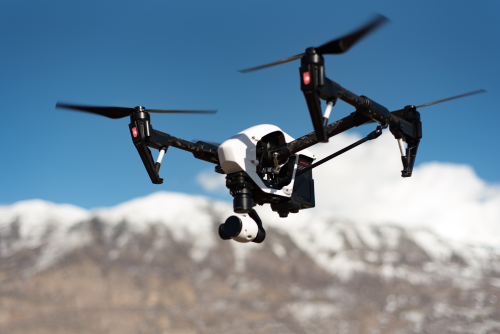
Cold weather does not just shorten flight time. It can trigger voltage sag, sudden battery-percentage drops, sluggish power delivery, and more aborted flights than most pilots expect. The best battery warmers for drone pilots who want fewer problems in the field are the ones that keep packs gently warm, easy to rotate, and within the manufacturer’s approved operating range without adding new safety risks.
Quick Take
If you want the short version, this is the buying logic:
-
Best overall for most drone pilots: a thermostatically controlled insulated battery pouch
Best mix of safety, portability, and consistency for camera-drone batteries. -
Best for travel creators and compact kits: a USB-powered heated organizer
Easy to run from a power bank, small enough for carry-on style kits, and practical for 2 to 4 batteries. -
Best for FPV pilots: a LiPo-safe warming bag with gentle temperature control
Better for multiple soft-pack batteries, fast pack rotation, and strong takeoff performance in cold conditions. -
Best for enterprise teams and vehicle-based work: a 12V or AC-powered heated hard case
Best when downtime costs money and you are cycling through many batteries on a job. -
Best low-cost option: a high-quality insulated battery pouch
It does not actively heat, but if your batteries start warm and your exposure times are short, insulation alone is often enough. -
Skip anything with no temperature control
If it is just a hot pad in a pouch, a generic heated bag with no lithium-focused design, or a setup that presses direct heat against cells, keep looking.
Why drone batteries struggle in the cold
Drone batteries hate two things: being too cold to deliver power properly, and being charged outside their approved temperature range.
In plain English, cold batteries become less willing to release energy quickly. That shows up as:
- less punch during takeoff
- weaker performance in wind
- quicker voltage drop under load
- battery percentage that looks fine at rest, then falls fast in the air
- automatic warnings or early return-to-home behavior
- more stress on the pack over time
This matters for almost every kind of pilot:
- Beginners get confused by battery numbers that suddenly drop.
- Aerial photographers lose the safe margin needed for one more pass.
- FPV pilots feel voltage sag immediately when they punch throttle.
- Travel creators often launch at sunrise, in mountains, or in winter destinations.
- Commercial teams cannot afford delays caused by cold-soaked batteries.
A battery warmer is not about making a pack “hot.” It is about starting the flight with the battery in a healthy, usable range so the aircraft behaves more predictably.
For many drones, that means starting near room temperature, not trying to overheat the pack. If your drone app shows battery temperature, use that. If your manufacturer gives a specific temperature recommendation for flight or charging, follow that instead of guessing.
What the best battery warmers actually do
A good battery warmer should solve four real problems:
- Keep batteries above the worst cold-soak zone
- Hold a stable, moderate temperature
- Make pack rotation easy in the field
- Avoid unsafe direct heating or overheating
That last point matters. The best warmer is not the hottest one. It is the one that gives you controlled warmth, insulation, and safe handling.
The best battery warmer types for drone pilots
Here is the most useful way to compare them.
| Warmer type | Best for | Power source | Main strengths | Main tradeoff |
|---|---|---|---|---|
| Thermostatically controlled insulated pouch | Most consumer and prosumer camera drones | USB power bank, USB-C, or 12V | Balanced, portable, consistent | Not ideal for large fleets |
| USB-powered heated organizer | Travel kits and light field bags | Power bank or USB-C adapter | Compact, easy to pack, simple | Usually lower capacity |
| LiPo-safe warming bag | FPV pilots | USB, DC, or built-in controller | Better for soft-pack batteries and fast rotation | Quality varies a lot |
| Vehicle-powered heated hard case | Enterprise, inspections, mapping, public safety | 12V vehicle power or AC | High capacity, strong workflow, weather resistant | Bigger and more expensive |
| Passive insulated pouch | Mild cold and budget-conscious pilots | No power needed | Cheap, simple, no electrical risk | Does not actively recover cold batteries |
Thermostatically controlled insulated pouch: best overall
For most pilots, this is the sweet spot.
A good insulated heated pouch can keep 2 to 4 smart batteries at a gentle, usable temperature while you set up, swap packs, and wait for the next flight window. It works especially well for:
- DJI-style intelligent batteries
- compact folding drones
- creator kits
- real estate shooters
- solo operators
What makes this type strong is control. Instead of throwing raw heat at the battery, it creates a mild warmed environment and keeps the temperature from swinging too much.
Look for:
- low, stable temperature control
- soft insulation rather than a bare heating plate
- enough room so batteries are not crammed tightly
- easy-open design for glove use
- separate sections for charged and flown packs
- power input that matches your kit, ideally USB-C or common DC power
This is the safest “buy once, use often” choice for most readers.
USB-powered heated organizer: best for travel creators
If your drone kit lives in a backpack, a compact USB-powered warmer makes sense.
This type is especially practical when:
- you fly while traveling
- you shoot from trailheads, city walks, or roadside pull-offs
- you already carry a power bank
- you only need 2 or 3 batteries ready at a time
The advantage is portability. A small heated organizer fits your workflow better than a bulky field case if you are moving often, working alone, or trying to stay light.
The limit is performance in very cold environments. A small USB-powered pouch can maintain warmth reasonably well, but it may struggle to recover batteries that are already deeply cold. In other words, it works best when the batteries started warm and the pouch is helping keep them there.
For travel users, this is often the smartest purchase because it actually gets used.
LiPo-safe warming bag: best for FPV pilots
FPV batteries are where battery warming becomes more obvious.
High-demand FPV flights expose cold-related issues fast:
- immediate voltage sag
- reduced punch
- unstable feel under hard throttle
- shorter usable packs
- rough first laps or first lines of the day
A good FPV warming bag should do more than just heat. It should also support the realities of FPV battery management:
- multiple packs at once
- quick swapping
- fire-resistant materials
- organized separation
- low, controlled temperature range
- strong zipper or flap closure
- compact fit inside a larger field bag
If you fly freestyle, racing, or cinematic chase in cold weather, this is one of the few accessories that genuinely improves consistency.
One warning: this category has a lot of questionable products. Some are basically generic heated pouches with little attention to lithium safety. A true FPV-ready bag should prioritize temperature stability and pack handling, not just warmth.
Vehicle-powered heated hard case: best for enterprise and all-day jobs
If you operate from a vehicle, this is the most professional option.
A heated hard case or heated case insert makes sense for:
- inspection teams
- survey and mapping work
- public safety or emergency support
- utility and infrastructure operations
- cold-weather construction documentation
- any crew rotating many batteries in one day
Why it works:
- larger capacity
- better weather protection
- easier standard operating procedure for crews
- reliable power from the vehicle
- less time wasted warming packs one by one
This type of setup also reduces one of the biggest hidden problems in cold-weather jobs: inconsistent handling between crew members. When every pack lives in the same controlled case, your process becomes more repeatable.
The downside is obvious: cost, bulk, and less flexibility if you are hiking or traveling light.
Passive insulated pouch: best budget choice in mild cold
Not every pilot needs an active heater.
A good insulated pouch can be enough when:
- you launch soon after leaving a warm vehicle or building
- the weather is cool, not extreme
- you only fly a few packs
- you want a lighter and simpler setup
- your drone already has decent battery temperature monitoring
This is the right answer for many casual pilots who are tempted to overbuy.
If you store the batteries warm, minimize exposure before launch, and keep the pouch out of wind, insulation alone can prevent a lot of field issues. It will not rescue a battery that has already gone cold for an hour, but it can preserve workable temperature surprisingly well.
Think of this as the low-cost, low-risk option for occasional winter flying.
How to choose the right battery warmer
The “best” warmer depends less on brand hype and more on fit.
Match it to your battery type
Start here.
Different drone batteries behave differently:
- Smart camera-drone batteries are rigid, shaped packs with built-in management electronics.
- FPV LiPo packs are soft packs that need careful handling and usually rotate fast.
- Li-ion packs used in some long-range or custom setups still dislike cold, especially during charging.
The warmer should physically fit the battery shape without crushing it, bending leads, or forcing direct contact against a heat element.
Prioritize temperature control over maximum heat
This is the single biggest buying rule.
You do not want a pouch that gets “very warm.” You want one that stays gently warm and predictable.
The goal is usually to get batteries into a healthy operating range, often around room temperature, unless your battery maker says otherwise. More heat is not automatically better.
Look for products that mention:
- thermostat control
- temperature regulation
- low, stable heating
- even warming, not hot spots
If a product only advertises “fast heating,” that is a weak sign.
Choose the right power source for your workflow
The best power option depends on where you fly.
- USB-C or USB power bank: best for travel, hiking, and small creator kits
- 12V vehicle input: best for inspection crews and roadside operations
- AC wall power: useful at indoor staging areas, but less relevant once you are mobile
Ask yourself one simple question: can you keep the warmer powered during the downtime that matters most?
Think about pack rotation, not just storage
A warmer is part of a workflow, not just a pouch.
Useful design details include:
- separate charged and used sections
- room for labeled batteries
- easy one-hand or gloved access
- visibility of pack counts
- cable routing that does not interfere with fast swaps
A warmer that technically works but slows down your launches will stay at home.
Insulation and weather resistance matter as much as heating
In real field use, heat without insulation is inefficient.
Good warmers should reduce heat loss from:
- wind
- snow or damp air
- cold vehicle interiors
- repeated opening and closing
Water resistance matters too, especially if you work near snow, mist, or winter mud.
Look for lithium-aware design
A heated pouch is not automatically a battery-safe pouch.
Prefer options that show some awareness of lithium battery use:
- sensible interior padding
- no aggressive direct-contact heating plate
- fire-resistant or protective materials
- structured layout that prevents batteries from banging together
- enough breathing room so electronics are not crushed
If it looks like a generic food warmer repurposed for batteries, be careful.
Who actually needs a battery warmer?
A battery warmer is worth buying if any of these sound familiar:
- you regularly fly below about 10°C / 50°F
- you shoot sunrise or winter scenes
- you launch from mountains, ski areas, or windy coastlines
- you do long setup work before takeoff
- your drone sits between flights while you change locations
- you fly FPV in cold weather
- you do paid work where aborted flights cost time or credibility
You may not need one if:
- you mostly fly in warm climates
- your flights are short and casual
- you usually go from a warm car to immediate takeoff
- your drone app makes battery temperature easy to monitor and you rarely see cold-related warnings
For many hobby pilots, a quality insulated pouch is enough. For crews working in real winter conditions, active warming becomes much easier to justify.
A simple cold-weather battery workflow that prevents most problems
A battery warmer works best when it supports a disciplined routine.
1. Start with batteries that are already warm
Do not expect the warmer to perform miracles on deeply cold batteries. Start from indoor temperature or a warm vehicle cabin whenever possible.
2. Keep spare batteries in the pouch until just before launch
Do not leave the next pack sitting exposed on a table, tailgate, or snow-covered case.
3. Check battery temperature if your system provides it
Many drones show battery temperature in the app. Use it. It is better than guessing from the outside of the shell.
4. Fly the first minute gently
Even with a warmed pack, avoid maximum throttle immediately after takeoff in cold conditions. A short period of gentle hovering or moderate flight helps the battery stabilize under load.
5. Rotate used and fresh packs clearly
Mark or separate:
- ready to fly
- flown but still warm
- flown and cooling
- do not charge yet
This matters more than people think, especially when multiple packs look identical.
6. Let cold or damp batteries acclimate before charging
If a battery has been in freezing air, do not rush straight into charging. Check the manufacturer’s approved charging temperature range and make sure the battery has returned to it first.
Safety, travel, and operational limits to know
Never overheat a drone battery
A battery warmer should produce gentle warmth, not “hot to the touch” heat. If the battery feels overly hot, the warmer is doing the wrong job.
Charging temperature matters as much as flight temperature
Cold-weather damage often happens during charging, not flight. Charging a lithium battery outside its approved temperature range can shorten life or cause failure. Always verify the battery maker’s guidance.
Watch for condensation
Moving between cold outdoor air and a warm vehicle or room can create moisture. Let batteries acclimate before charging or sealing them away long term.
Do not improvise with unsafe heat sources
Avoid:
- open flame
- high-output heating pads with no regulation
- direct contact with very hot reusable warmers
- leaving batteries on vehicle defrosters or dashboards in strong sun
- wrapping batteries tightly against heat elements
Improvised warming can create uneven heating, hidden damage, or worse.
Travel rules still apply
Battery warmers do not override airline or border rules. If you travel:
- verify airline rules for spare lithium batteries
- verify rules for power banks
- check whether any heat packs or electronic warming accessories have restrictions
- keep batteries protected from short circuits during transport
Airport policies vary, and security staff may interpret accessories differently.
Commercial pressure does not change battery physics
If you fly for clients, do not let schedule pressure push you into launching with a cold-soaked or questionable pack. A battery warmer reduces risk; it does not make every battery ready for every condition.
Common mistakes pilots make
Buying a heater instead of a battery warmer
A pouch that simply gets hot is not automatically suitable for drone batteries.
Assuming all “warm” batteries are ready
The outside shell can feel warmer than the internal cells. Use the app or the manufacturer’s guidance when possible.
Leaving the warm pack exposed too long before takeoff
If you install the battery and then spend ten minutes changing ND filters, chatting, or waiting for talent, you undo the benefit.
Charging too soon after a cold flight
A pack may need time to return to the approved charging range.
Mixing charged and flown batteries
This creates avoidable mistakes, especially in cold weather when battery behavior is already less forgiving.
Treating a warmer as a fix for an aging battery
A weak, puffed, damaged, or unbalanced battery is still a problem battery. Warming can improve behavior in the short term, but it does not restore health.
Forgetting that insulation often solves half the problem
Some pilots jump straight to heated gear when a better pouch and tighter handling routine would have solved the issue more simply.
FAQ
Do I really need a battery warmer for a drone like a DJI camera drone?
Not always. If you fly in mild weather and launch soon after leaving a warm indoor space or vehicle, a good insulated pouch may be enough. A true warmer becomes more useful when you fly in winter, mountains, at sunrise, or on jobs with long gaps between flights.
What temperature should a drone battery be before flight?
Follow your battery or aircraft manufacturer’s guidance first. As a general rule, you want the battery to start in a healthy operating range, often near room temperature rather than cold-soaked. If your drone app shows battery temperature, use that reading instead of guessing.
Can I use a regular heated pouch or lunch bag?
You can, but it is usually not the best option. Many generic heated bags are designed to get warm, not to manage lithium batteries safely or evenly. They may lack insulation, thermostat control, internal protection, or pack organization.
Is insulation alone enough?
Often, yes, for moderate cold and short sessions. If the batteries start warm and are not exposed for long, insulation can preserve enough heat to prevent many problems. It is less effective once the batteries have already become cold.
Should I warm batteries before charging too?
What matters most is that you only charge them within the manufacturer’s approved temperature range. If the battery is still too cold from field use, let it acclimate first. Do not assume that a warm outer shell means the whole battery is ready to charge.
Can a battery warmer improve flight time?
Sometimes, yes, but the bigger benefit is usually consistency, not dramatic extra minutes. Expect fewer false starts, less voltage sag, and more predictable early-flight behavior rather than huge gains in endurance.
Are battery warmers allowed on airplanes?
The warmer itself may be allowed, but the real issue is usually the batteries and power banks. Airline rules vary by carrier and route. Verify current rules for spare lithium batteries, terminals protection, carry-on placement, and any power banks or warming accessories you plan to carry.
Can a battery warmer fix an old or damaged battery?
No. If a battery is swollen, damaged, has abnormal cell balance, or behaves unpredictably, retire it according to the maker’s guidance. A warmer is a workflow tool, not a repair tool.
The decision that makes the most sense
If you want fewer battery problems in the field, buy for temperature control, insulation, and workflow, not for maximum heat. For most pilots, the smartest choice is a thermostatically controlled insulated pouch; for light travel kits, a USB-powered organizer is the practical winner; and for heavy cold-weather or commercial work, a vehicle-powered heated case is the upgrade that actually pays for itself. Before you buy, match the warmer to your battery type, your power source, and how long your batteries really sit in the cold between flights.
