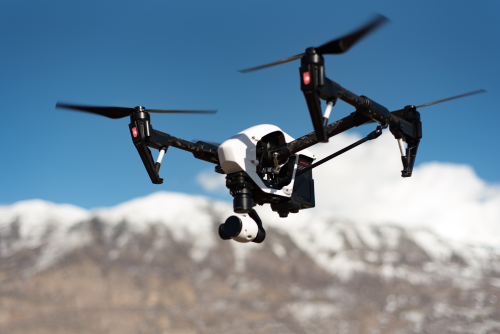
A good hard case does more than protect a drone from impact. It cuts down the little failures that ruin field days: a cracked gimbal cover, a wet battery bay, a missing cable, a bent antenna, or ten wasted minutes hunting for the right SD card while the light disappears. The best hard cases for drone pilots who want fewer problems in the field are the ones that protect the aircraft, speed up setup, and fit the way you actually work.
Quick Take
If you want the short version, these are the hard-case options that make the most sense for most pilots:
- Best overall for serious travel and professional use: Pelican Air-style cases
- Strong protection with less weight than old-school heavy hard cases.
-
Good if you move between car, airport, and job site often.
-
Best balance of durability and daily usability: Nanuk hard cases
-
Excellent for creators, inspectors, and small teams that want a tough case that still feels manageable day to day.
-
Best if you want a ready-made drone layout: HPRC drone-specific cases
-
Great for camera-drone pilots who want a clean, pre-cut interior and fast packing.
-
Best for checked transport, rough vehicle work, or crew handling: SKB iSeries cases
-
A strong choice when gear gets loaded, unloaded, stacked, and moved by more than one person.
-
Best premium value in many global markets: B&W International drone-ready cases
-
Often a smart middle ground if you want real protection without paying only for brand recognition.
-
Best format for small folding drones: compact carry-on hard cases with a quality insert
- Often smarter than buying a huge case for a small drone kit.
The main buying rule: choose for workflow first, shell second. A slightly less “indestructible” case that opens fast, keeps batteries organized, and fits your actual kit will usually create fewer field problems than a giant case with the toughest marketing claims.
Why a hard case solves more than impact damage
Most pilots buy a hard case because they are worried about drops, bumps, and travel. That matters, but the bigger value is operational.
A good case reduces problems by helping you:
- Find gear fast
- Notice missing items immediately
- Keep batteries separated and labeled
- Protect the gimbal, controller sticks, antennas, and props
- Keep dust, rain, and mud off sensitive parts
- Pack the same way every time
- Hand gear to another crew member without confusion
That last point is underrated. If your layout is repeatable, the case becomes a checklist. One empty slot tells you what is missing before takeoff instead of after a long drive.
For many pilots, the best hard case is not the strongest one. It is the one that makes setup, teardown, and transport boring in the best possible way.
The hard cases worth buying by pilot type
Here is the clearest way to think about the market.
| Case family | Best for | Why it reduces field problems | Main tradeoff |
|---|---|---|---|
| Pelican Air-style | Pros, frequent travelers, commercial operators | Proven protection with lower weight, broad size range, good long-term support | Premium pricing, interior often needs customization |
| Nanuk | Creators, solo operators, inspectors | Strong shell, practical daily use, good balance of size and protection | Still heavy if overpacked |
| HPRC drone-specific | DJI-style camera drone users, fast deployment | Pre-cut layouts, clean organization, easy visual inventory | Less flexible if your kit changes often |
| SKB iSeries | Vehicle crews, checked transport, shared gear pools | Rugged shell, dependable for harsh handling and weather | Bulkier and heavier |
| B&W drone-ready | Value-focused premium buyers, global buyers | Solid protection and often sensible ready-made interiors | Fewer ecosystem options than the biggest brands |
| Large modular hard cases with dividers | Enterprise teams, FPV teams, multi-payload kits | Adaptable interiors, easy to reconfigure, better for changing kits | Easy to make too large and too heavy |
Pelican Air-style cases: best overall for frequent movers
If you want one answer that fits a lot of serious drone pilots, this is it.
Pelican’s Air line became popular for a simple reason: it delivers premium hard-case protection without as much of the weight penalty that made older cases annoying to live with. For drone operators, that matters a lot. The case only helps if you are willing to actually carry it.
Why this style works well:
- Lower weight than classic heavy-duty hard cases
- Good size range for small drones up to larger commercial kits
- Strong hardware and a proven reputation for tough transport
- Good if your kit changes and you need a shell that will last through multiple drone upgrades
Best for:
- Commercial operators
- Travel creators
- Real estate and inspection pilots
- Buyers who want one case they can keep for years
Watch-outs:
- The shell is excellent, but the interior decides whether it is truly useful.
- If you buy a generic shell and then use poor foam, you can ruin the benefit.
- It is easy to oversize the case and end up carrying air, weight, and regret.
Best interior approach: – Small camera-drone kits: quality custom insert or padded divider set – Mixed kits: padded dividers with a lid organizer – Stable single-drone kit: precision-cut foam can be excellent
Nanuk hard cases: best balance of toughness and everyday use
Nanuk has become a favorite among people who want premium protection but also care about usability. In practice, that means cases that feel a little less like military surplus and a little more like something you can open, close, and live out of every week.
Why Nanuk-style cases work:
- Tough shell and dependable sealing
- Good latch feel and everyday handling
- Strong choice for pilots who want one case for work and travel
- Often a nice middle ground between maximum ruggedness and practical portability
Best for:
- Solo operators
- Content creators
- Mapping or inspection pilots with medium-sized kits
- Buyers who want premium quality without automatically defaulting to the oldest brand name
Watch-outs:
- Like any premium hard case, it gets heavy fast if you pack too much.
- If you are checking the case often or stacking it in rough commercial transport, compare shell thickness and wheel setup carefully.
Best interior approach: – Divider system if your accessories change – Custom insert if your layout is stable and speed matters
HPRC drone-specific cases: best for fast pack-and-go camera-drone workflows
HPRC is especially attractive if you use a popular folding camera drone and want a case that already understands your kit. Many of its drone-ready cases are designed around a specific aircraft and common accessory set, which can save time and decision fatigue.
Why they reduce field problems:
- Pre-planned cutouts make it obvious where everything goes
- Fast visual check before leaving a location
- Cleaner packing than a do-it-yourself foam job
- Good for pilots who want less setup thinking and more flying
Best for:
- DJI-style folding drone users
- Beginners who want a clean starting point
- Professionals who use a stable kit and do not swap gear often
Watch-outs:
- The better the fit, the less flexible it becomes.
- A new controller, extra filters, different charging setup, or a second aircraft can make a once-perfect layout feel cramped fast.
- If you upgrade drones often, brand-specific interiors can age out faster than generic shells.
Best interior approach: – Usually brand-made custom foam if the drone and controller setup matches your real kit exactly
SKB iSeries cases: best for rough transport and shared crews
If your case will be checked, tossed into trucks, handled by assistants, or exposed to harder commercial use, SKB’s iSeries cases deserve attention. They are a serious option when durability matters more than sleekness.
Why they work:
- Strong shell for rougher handling environments
- Good option for vehicle-based operations
- Useful when more than one person may pack, move, or unload the gear
- Makes sense for organizations standardizing transport across a fleet
Best for:
- Survey teams
- Inspection crews
- Production companies
- Enterprise and government-style operations
- Anyone who prioritizes transport abuse resistance over minimal weight
Watch-outs:
- Weight and bulk can become the real problem.
- A case that is too big can slow deployment, trigger baggage issues, and tempt you to carry too much in one box.
- For solo pilots, a smaller premium case is often the smarter decision.
Best interior approach: – Modular dividers for complex kits – Custom foam only if the gear list is highly standardized
B&W International cases: best value among premium hard cases
B&W is worth a look if you want a serious case from a known protective-case maker but do not want to treat Pelican as the only premium option. For global buyers, this can be a practical lane.
Why they make sense:
- Real hard-case protection without chasing hype
- Good for buyers who want a premium-feeling case and a clean layout
- Often a sensible choice for small to medium drone kits
Best for:
- Hobbyists moving into paid work
- Photographers and travel creators
- Buyers comparing premium options on function rather than brand loyalty
Watch-outs:
- Accessory ecosystem and aftermarket inserts may be narrower than the biggest names.
- Availability can vary by market.
Best interior approach: – Drone-ready inserts if available for your aircraft – Simple divider setup if you want longer-term flexibility
Large modular hard cases: best for enterprise teams and FPV kits that keep changing
Not every pilot should buy a drone-specific foam case. If you fly FPV, work with multiple payloads, carry repair gear, or run an enterprise kit that changes often, you may be better off with a large modular case and padded divider system.
Why this format works:
- Lets you reconfigure the layout without buying a new shell
- Better for odd shapes, field tools, radios, chargers, and spare parts
- More realistic for teams running evolving kits
Best for:
- FPV pilots
- Teams with repair tools and spare parts
- Operators using different sensors or payloads
- Companies standardizing one case type across multiple aircraft
Watch-outs:
- Dividers are flexible, but not magical.
- Very delicate parts may still need a smaller protective insert inside the case.
- If the case gets too large, it becomes a storage trunk instead of a field tool.
Best interior approach: – Padded dividers plus smaller internal pouches – Battery organizers – Lid organizer for props, cards, tools, paperwork
How to choose the right hard case for your drone workflow
Do this in order. It prevents most buyer regret.
1. Start with the kit you actually carry, not the kit you imagine
Lay out everything you bring on a normal job or flying day:
- Aircraft
- Controller
- Batteries
- Charger or charging hub
- Props
- ND filters or lenses
- Cables
- Spare SD cards
- Tablet or phone mount
- Landing gear or pad if you truly use it
- Small tools
- Documentation
Now remove the gear you almost never use. Many people buy a case for fantasy capacity and carry an oversized brick forever.
2. Decide whether your kit is stable or always changing
This choice determines the interior.
Choose custom foam if:
- You use one main drone setup
- You want the fastest possible inventory check
- You value neatness and repeatability
- Your accessories do not change much
Choose padded dividers if:
- You swap drones or payloads
- You fly FPV
- Your work kit evolves often
- You want to reuse the case through upgrades
3. Size for mobility, not maximum storage
A case should move easily from car to site, through airports, and around uneven ground.
Ask:
- Can I carry this fully loaded without hating it?
- Will it fit in my vehicle and still leave room for other gear?
- If I travel, is the size reasonable for airline and security handling?
- Will wheels help, or just add bulk?
A case that is 20 percent too big is often worse than one that is 10 percent tight.
4. Check these shell features before buying
These details matter more than marketing language:
- Reliable latches
- Good seal against dust and water
- Pressure equalization valve so the case is easier to open after altitude or temperature changes
- Sturdy hinges
- Comfortable handle
- Lock points if you need tamper resistance
- Replaceable foam or divider availability
- Light interior color or clear organization so small parts are easier to see
5. Think about field speed
A case is a workflow tool. Ask yourself:
- Can I remove the drone without fighting the foam?
- Can I swap batteries quickly?
- Is the controller stored ready to use, or do I need extra assembly every time?
- Can I see instantly if a battery or prop set is missing?
- Is there a place for used memory cards, lens wipes, or wet cloths?
Small annoyances become big annoyances after a few months.
Foam vs dividers: the choice that matters most
The shell gets most of the attention, but the insert usually determines whether the case helps or frustrates you.
Custom foam
Best when:
- Your kit is stable
- You want a clean, professional layout
- You value fast visual inventory
Pros:
- Excellent organization
- Good protection from shifting
- Looks professional for client-facing work
Cons:
- Hard to adapt later
- Cheap foam wears out
- Bad cutouts can stress antennas, props, or controller sticks
Pick-and-pluck foam
This is the foam you can tear into squares yourself.
Pros:
- Cheap
- Easy to start with
Cons:
- Tears and degrades faster
- Looks rough over time
- Can create weak support around heavier items
For serious use, it is usually a temporary solution, not the final one.
Padded dividers
Best when:
- Your loadout changes
- You need reconfiguration
- You carry oddly shaped items
Pros:
- Flexible
- Reusable through upgrades
- Better for mixed kits
Cons:
- Less clean visual inventory
- Small items can migrate if you do not use pouches
- Not as “grab and inspect” friendly as precision foam
Travel, batteries, and compliance limits to know
Hard cases help with transport, but they do not remove legal or operational responsibilities.
Batteries are the biggest travel issue, not the case
Spare lithium batteries are often the part of the kit that triggers airline or security rules. Requirements vary by airline, airport security authority, and country. Before a trip, verify:
- Whether spare batteries must travel in carry-on baggage
- Watt-hour limits for the batteries you are bringing
- Terminal protection requirements
- Limits on quantity or packaging
A hard case can organize batteries well, but it does not make them automatically compliant or fire-safe in every context.
Waterproof does not mean worry-free
A waterproof case helps in rain, dust, mud, and boat transport. But:
- Do not seal wet gear inside for long periods
- Let aircraft and batteries dry before storage
- Use desiccant if you work in humid areas
- Watch for condensation after moving between cold and warm environments
Commercial crews should store paperwork with the kit
If you fly for work, it is smart to keep a document pouch in or with the case for:
- Registration details
- Operator credentials
- Insurance information
- Client access instructions
- Site checklists
- Emergency contact info
Requirements vary by country and operation, so verify what you must carry locally.
Border and customs checks can still be a factor
A neat hard case helps explain your gear, but it does not simplify every border crossing. Some countries may care about temporary import, serial numbers, or professional equipment declarations. Check those requirements before travel, especially if you are carrying multiple aircraft or a visibly commercial kit.
Common mistakes that create more problems instead of fewer
Buying the biggest case you can afford
Bigger sounds safer. In reality, it often means:
- More weight
- More empty space
- Slower setup
- More temptation to carry unnecessary gear
Buy the smallest case that fits your real working kit well.
Choosing a perfect foam layout for a kit that will change next month
If you are likely to add a second controller, switch filters, use different batteries, or upgrade drones soon, fixed foam can age badly.
Treating the case like a storage closet
A field case should support the mission, not carry every drone thing you own. Keep overflow accessories elsewhere.
Ignoring battery organization
Loose batteries in a premium hard case still create friction. Use a system:
- charged / used separation
- label orientation
- terminal protection where appropriate
- clear count before you leave site
Packing wet or dusty gear
The case protects gear from the environment, but it can also trap the environment with your gear if you close it too quickly.
Paying for shell strength and skimping on the insert
A premium shell with terrible foam is like putting racing tires on a bent wheel. The interior matters.
FAQ
Are hard cases better than drone backpacks?
For maximum protection and repeatable organization, usually yes. For hiking or long walking approaches, not always. If you travel mostly by car, work on client sites, or want fewer setup mistakes, a hard case is often the better tool. If you trek long distances, a backpack may still be the better carry solution.
Is a waterproof hard case worth it for drone pilots?
Usually yes, especially if you work in dust, rain, coastal areas, or changing weather. The benefit is not just water resistance. A good seal also helps keep out dust and grit that can wear moving parts and connectors.
Should I choose custom foam or padded dividers?
Choose custom foam if your kit is stable and speed matters most. Choose padded dividers if your gear changes, you fly FPV, or you want the case to last through upgrades.
Can I take a drone hard case on an airplane?
Often yes, but the critical issue is usually the batteries, size, and airline rules, not just the case itself. Verify your airline’s current baggage and lithium battery requirements before every trip. Security screening practices also vary by country.
Do hard cases protect drone batteries well enough?
They protect against bumps and organization problems, but a hard case is not a substitute for proper battery transport practice. You still need to follow the battery manufacturer’s guidance and any airline or local transport rules.
What size hard case should a small folding-drone owner buy?
Smaller than many people think. For a compact folding drone, controller, a few batteries, filters, props, and cables, a compact premium case is often the sweet spot. Oversizing just adds weight and wastes space.
Are wheeled cases worth it?
Yes, if your kit is genuinely heavy or you work in airports, convention centers, or large industrial sites. No, if wheels tempt you into buying a case that is too large for easy lifting, stairs, or rough terrain.
How long should a good hard case last?
A quality shell can last through several drone upgrades if you buy the right size and can replace or reconfigure the interior. That is one reason premium cases often make sense over time.
The smart buy
If you want fewer problems in the field, do not shop for the toughest case first. Shop for the case that makes your drone kit easier to carry, easier to check, and harder to pack wrong. For most serious pilots, that means a premium hard case from a proven brand, sized conservatively, with an interior built around the way you actually fly.
