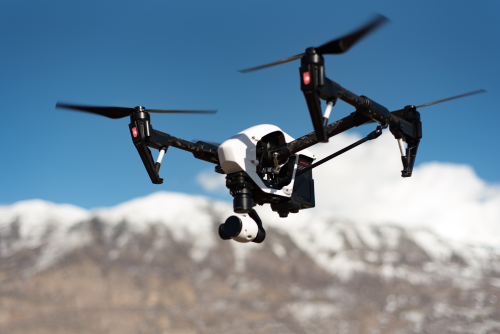
Propeller guards can stop a minor bump from turning into broken blades, a ruined shoot, or a grounded flight day. But the best propeller guards for drone pilots who want fewer problems in the field are not simply the biggest or cheapest ones. The right set is the one that fits your exact drone, your flight environment, and your tolerance for extra weight, drag, and setup time.
Quick Take
If you want the short version, here it is:
- The best overall propeller guards for most camera-drone pilots are model-specific OEM or high-quality third-party guards made for that exact aircraft.
- For indoor flying, training, and tight spaces, full-coverage 360-degree guards usually make the most sense.
- For occasional travel use, quick-install guards that pack flat are better than bulky permanent setups.
- For FPV close-proximity filming, a dedicated ducted cinewhoop is usually better than adding guards to a freestyle quad.
- For open outdoor aerial photography, prop guards often create more problems than they solve. Carry them for specific jobs rather than leaving them on full-time.
- The best prop guard is the lightest, strongest, easiest-to-mount option that does not block sensors, enter the frame, or make the drone feel unpredictable.
What propeller guards actually solve
Good propeller guards help with very specific field problems:
- Light wall strikes indoors
- Doorway and hallway misjudgments
- Minor branch contact in slow flight
- Safer takeoff and landing around clutter
- Training flights where beginners are still learning distance, braking, and orientation
- Reduced prop damage during close-proximity work
What they do not do:
- Make flying near people automatically safe
- Protect the gimbal, camera, or battery from every crash
- Eliminate the need for careful flight planning
- Make windy outdoor flights easier
- Turn an unsuitable drone into the right drone for the job
That last point matters. A camera drone with bolt-on guards is still a camera drone. A cinewhoop is still a different class of aircraft with different handling, protection, and shot style.
The propeller guard styles that matter most
| Guard type | Best for | Main advantages | Main tradeoffs |
|---|---|---|---|
| Model-specific snap-on guards | Beginners, occasional indoor use, casual creators | Light, simple, easy to carry, usually better fit | Less protection than full cages, can still flex into props if poorly made |
| Full 360-degree guard kits | Indoor flight, tight spaces, real estate, training | Better all-around prop protection, more forgiving in close quarters | More drag, less endurance, more wind sensitivity |
| Integrated ducts on cinewhoops | FPV filming near objects, controlled close-proximity shots | Built into the aircraft design, consistent handling for that platform | Not a simple accessory swap, different drone category and workflow |
| Heavy-duty rigid cages | Industrial inspection, enterprise indoor work, asset protection | Maximum collision tolerance, protects aircraft and surroundings better | Expensive, heavy, specialized, often not practical for everyday flying |
One more category is worth mentioning because people confuse it with real prop guards: storage prop holders. Those are for packing and transport, not for flight.
Which propeller guard is best for your kind of flying?
For beginners with small camera drones: model-specific snap-on guards
If you are new to flying, the best place to start is usually a lightweight guard set made specifically for your drone model.
Why this category works:
- The fit is usually better
- Mounting points are more predictable
- The guards are less likely to interfere with folding arms or props
- You can remove them when you outgrow the need
This is the safest buying path for first-time pilots using compact camera drones. You do not need the most aggressive cage setup for basic practice. You need something that reduces stupid mistakes without making the drone feel completely different.
Best fit for:
- First-week pilots
- Backyard hover practice
- Calm indoor training in large rooms
- Basic orientation drills
- Family users sharing one drone
Avoid:
- Universal “fits most drones” guards
- Ultra-cheap brittle plastic
- Guard sets that require awkward adapters or extra landing gear just to mount properly
If your plan is mainly outdoor learning in open space, use guards for early sessions, then remove them once basic control improves.
For indoor creators and real estate work: full 360-degree guards
If you fly inside homes, gyms, warehouses, hotels, or retail spaces, full-coverage guards are usually the best choice.
Indoor work creates a different risk profile:
- GPS or GNSS support may be weak or absent
- Walls and ceilings arrive fast
- Door frames punish small control errors
- Wash from the props can disturb dust, décor, and lightweight objects
A proper 360-degree guard buys you margin. It helps when a slow side drift turns into a brush against a wall, and it reduces the chance that a brief contact ends the job.
Best fit for:
- Real estate walkthroughs
- Hospitality and venue tours
- Social clips in controlled interiors
- Training in large indoor spaces
- Slow cinematic reveals
What to prioritize:
- Full prop coverage
- Stable mount points
- Minimal flex
- Quick installation
- No camera intrusion on wide shots
What usually matters less indoors:
- Maximum top speed
- Long-range efficiency
- Best-in-class wind handling
If indoor work is a regular part of your business, this is one of the few cases where prop guards often earn their keep every time you fly.
For travel creators: removable guards that pack small
Travel pilots often buy guards with the right intention and the wrong workflow. The bulky set that seemed smart at checkout ends up staying in the hotel because it is annoying to install, awkward to pack, or too large for the sling bag.
For travel, the best propeller guards are not necessarily the most protective. They are the ones you will actually carry.
Look for:
- Tool-free or near-tool-free installation
- Compact packing shape
- Low chance of losing tiny screws in the field
- Good case compatibility
- Easy removal between indoor and outdoor flights
Travel-friendly use cases include:
- Tight takeoff areas
- Resort or villa interiors with permission
- Short training sessions in unfamiliar environments
- Slow shots near static structures
Travel creators should also think about the rule side. In some countries and regions, adding guards can change the takeoff weight enough to affect registration or operating category. Before the trip, verify the current requirements for the destination and for your aircraft configuration.
For FPV close-proximity filming: a cinewhoop, not a compromise
This is where a lot of pilots buy the wrong solution.
If your goal is to fly close to people, through indoor spaces, around vehicles, or near set pieces in a controlled production environment, the best “propeller guard” is often not an accessory at all. It is a dedicated ducted cinewhoop.
Why:
- The ducts are part of the airframe
- The tune and flight feel are built around that design
- Prop protection is more consistent
- The aircraft is meant for close-proximity shot styles
Trying to turn a freestyle FPV quad into a safe-ish indoor or people-adjacent rig with a basic guard add-on is usually a bad trade. Handling changes, durability may be poor, and the result is often worse than using the right platform from the start.
That said, no guard setup makes it acceptable to fly recklessly near people. You still need site control, permissions where required, a clear safety plan, and local compliance checks.
For commercial indoor inspections: rigid cages and collision-tolerant systems
If you inspect tanks, warehouses, rafters, plant interiors, or other confined industrial spaces, your needs go beyond “protect the props.”
You are managing:
- Downtime risk
- Asset damage risk
- Crew safety
- Client confidence
- Mission continuity in hostile spaces
In this environment, the best propeller guard setup is a rigid cage or a purpose-built collision-tolerant aircraft. That is a different buying decision from the hobby or creator market. The right choice is the one that protects the mission, not just the propellers.
Best fit for:
- Indoor industrial inspection
- Confined-space reconnaissance
- Infrastructure surveys in GPS-denied spaces
- Enterprise teams with formal operating procedures
What to prioritize:
- Structural durability
- Reliable control after light contact
- Easy field replacement parts
- Payload protection
- Stable performance in tight spaces
This is also the segment where insurance, internal safety management, and client approval processes matter most. Verify those requirements before you standardize a platform.
For outdoor aerial photographers: often no guards, just a good guard kit in the bag
This is the least exciting answer, but usually the most honest one.
If you mainly shoot landscapes, coastlines, mountains, farmland, or general outdoor establishing shots, prop guards are often not the best default setup. They add drag, shorten flight time, increase wind sensitivity, and can make the drone feel less precise.
For many outdoor pilots, the best strategy is:
- Fly without guards in open areas
- Carry a compatible set for occasional tight or risky locations
- Install them only when the mission really benefits
That gives you the protection when you need it without paying the penalty on every flight.
How to choose the right propeller guards without buyer regret
1. Buy for the exact drone model
Do not shop by brand alone. Shop by exact aircraft model and generation.
Small changes in motor spacing, arm shape, sensor placement, or body geometry can make one guard set fine on one drone and terrible on another. “Close enough” is not close enough here.
If the manufacturer offers official guards for your model, start there. If you go third-party, choose established sellers with clear compatibility notes and a reputation for solid fit.
2. Check the total takeoff weight
This is not just a performance issue. It can also be a compliance issue.
Accessories can increase total takeoff weight enough to matter for:
- Registration thresholds
- Local operating categories
- Insurance conditions
- Client-approved equipment lists
Rules vary by country and region, so verify the current requirements that apply to your aircraft with guards installed.
3. Prioritize stiffness over marketing claims
A guard that is extremely light but flexes into the prop under load is not a good guard.
You want a balance:
- Light enough not to punish flight time too hard
- Rigid enough not to deform easily
- Durable enough to survive bag life and light knocks
Watch for weak hinge points, thin connection arms, or locking tabs that feel loose after only a few installs.
4. Check for camera and sensor interference
This is one of the most common hidden problems.
Before relying on a new guard set, test for:
- Props or guards entering the frame
- Obstacle-sensing interference
- Downward vision system issues
- Odd hovering behavior
- Auto-braking or obstacle alerts that do not match reality
Do not assume compatibility because the guards physically attach. Compatibility also means normal flight behavior and usable footage.
5. Think about field workflow
A good prop guard in theory can still be a bad accessory in practice.
Ask yourself:
- Can I install this quickly without a table?
- Will I lose tiny screws in grass or gravel?
- Does it fit in my current case?
- Can I remove one damaged section without replacing the whole set?
- Can I carry spares without adding clutter?
Field problems are often workflow problems. The accessory that lives in your bag and works fast is usually better than the “better” one that stays at home.
6. Match the guard to the mission, not your anxiety
Many pilots buy guards as a permanent comfort blanket. That often leads to worse results.
Use them when they genuinely reduce mission risk:
- Indoor work
- Beginner practice
- Tight reveal shots
- Controlled close-proximity environments
- Specific client or site requirements
Leave them off when they mainly reduce performance:
- Windy outdoor conditions
- Long-distance scenic flights
- Shots that demand maximum efficiency
- Situations where weight or frame clearance really matters
Safety, legal, and operational limits to know
Propeller guards reduce some risks, but they do not erase operational responsibility.
Keep these limits in mind:
- Guards do not make flying over people automatically lawful or safe.
- Guards can still injure eyes, skin, or fingers.
- Added drag and weight can change braking distance, climb performance, and battery life.
- Some guards may affect sensing systems or automated flight behavior.
- In some jurisdictions, the installed accessory configuration can affect registration or operational category.
- For indoor commercial work, you may still need site permission, risk assessment, insurance confirmation, or client approval.
A smart habit is to do a fresh low-altitude hover and control check every time you install a new guard set or switch back to guarded flight after a long gap.
Common mistakes pilots make with propeller guards
Treating “universal” guards like a bargain
Universal accessories are often a false economy. Poor fit creates vibration, flex, awkward balance, and unreliable protection.
Leaving guards on for all flights
If most of your flying is outdoors in open areas, permanent guards can mean less flight time and more wind trouble for no real benefit.
Using guards to justify risky flying
A guard is not a license to skim walls, fly into crowds, or attempt shots beyond your control level.
Ignoring the spare-parts question
Mounting clips, small screws, and one damaged ring section can ground a whole day. Buy spares if the system uses tiny parts.
Forgetting that guards do not protect everything
You can save a prop and still lose a gimbal, camera, or arm in the same incident. Guards reduce one class of damage. They do not eliminate crash cost.
Confusing storage prop holders with in-flight guards
Transport accessories help in the bag. They are not meant to be flown.
FAQ
Are propeller guards worth it for beginner drone pilots?
Usually, yes. For beginners, they can prevent simple tip strikes from becoming broken props or interrupted training sessions. They are most useful during early practice and indoor flying.
Do propeller guards reduce battery life?
Yes, usually. Extra weight and drag mean shorter flight times and, in many cases, slightly slower or less efficient handling. The exact impact depends on the drone and the guard design.
Are OEM propeller guards always better than third-party options?
Not always, but OEM guards are often the safest starting point because fit and compatibility are more predictable. Good third-party options can be excellent, but poor ones can flex, rattle, block sensors, or fit badly.
Can I use propeller guards outdoors?
Yes, but that does not mean you should use them all the time. Outdoors, guards can make the drone more sensitive to wind and reduce efficiency. They make the most sense when you are flying in tighter spaces or doing specific close-range work.
Do propeller guards make flying near people safe or legal?
No. They reduce some contact risk, but they do not remove the need to follow local aviation rules, maintain safe separation, and operate responsibly. Verify the rules that apply in your location and scenario.
Can prop guards push an under-250-gram drone into a different rule category?
They can in some places, because the all-up takeoff weight may change. Always check the current rules in the country or region where you plan to fly, especially when traveling or doing commercial work.
Is a cinewhoop better than a camera drone with prop guards?
For close-proximity FPV filming, usually yes. A cinewhoop is designed around ducts and that style of flying. A camera drone with accessory guards can work for some slow, controlled shots, but it is not the same tool.
What should I test after installing new prop guards?
Do a low hover, gentle yaw, slow forward flight, braking, and a short footage check. Confirm there is no frame intrusion, no sensor confusion, no abnormal vibration, and no loose mounting points.
The smart buy
If you want fewer problems in the field, buy propeller guards the same way you would buy batteries or cases: for a specific job, not for vague peace of mind. For most pilots, the best choice is a lightweight, model-specific guard set used only when the mission calls for it. If you fly indoors, train beginners, or do close-proximity work, good guards are cheap insurance; if you mostly shoot outdoors, the smarter move is often to keep them in the bag until you truly need them.
