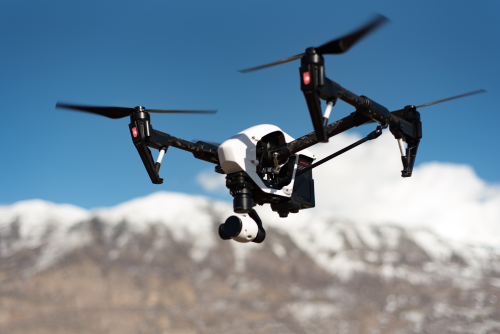
Opening a drone rental business sounds simple until you discover what actually kills margins: generic positioning, weak screening, damaged gear, endless support, and prices copied from competitors who may not even know their own costs. If you want to open a drone rental business without looking generic or undercutting your value, you need a sharper model than “we rent drones by the day.” The strongest businesses sell trust, workflow fit, and reduced risk just as much as they rent aircraft.
Quick Take
- Start with a customer problem, not a fleet list.
- Pick one or two rental lanes you can serve better than generalist competitors.
- Package drones as job-ready kits, not just standalone airframes.
- Price from total ownership, support, downtime, and risk costs, not from the cheapest listing in your market.
- Build screening, contracts, deposits, battery handling, and incident processes before you scale marketing.
- Make compliance clear: the renter may still need registration, pilot credentials, insurance, or local permissions depending on where and how they fly.
- A premium-looking drone rental business is usually built on process, specialization, and reliability, not on having the biggest menu.
Why generic drone rental businesses struggle
The fast way to look generic is to build a website that says some version of:
- We rent drones
- Here are the models
- Here are the daily prices
- Contact us for availability
That format turns your business into a commodity. When buyers cannot see a meaningful difference, they compare only on price. That is exactly where a drone rental company becomes fragile.
Cheap rates attract more than budget-conscious customers. They often attract:
- first-time renters who need heavy support
- underprepared pilots
- last-minute jobs with higher failure risk
- clients who value convenience but not care
- renters more likely to challenge damage charges
A better question is not “How do I rent drones?” It is “Why should a specific type of customer rent from me instead of buying, borrowing, or hiring an operator?”
That shift changes everything. It pushes you to define:
- who you serve
- what jobs they need to complete
- what risk you remove for them
- what support they will pay extra for
- what makes your process more reliable than a random listing
Choose a business model before you buy the fleet
A lot of founders buy aircraft first and strategy second. That is backwards.
The right starting model determines your fleet, staffing, insurance questions, turnaround process, and marketing language.
| Model | Best fit | What customers are really paying for | Margin outlook | Complexity |
|---|---|---|---|---|
| Self-serve local rental | hobbyists, creators, short-term users | convenience and immediate access | often thin | low to medium |
| Project kit rental | real estate teams, production crews, inspection support | job readiness, accessories, consistency | better | medium |
| Managed fleet or subscription | agencies, enterprise teams, in-house media departments | uptime, maintenance, predictable access | strong if utilization is healthy | high |
| Rental plus onboarding or training | newer business users, schools, teams adopting drones | confidence and fewer mistakes | solid if standardized | medium to high |
| Rental plus pilot network or operated service | clients who need results more than gear | outcome delivery, not just equipment | strong, but not pure rental | high |
The strongest starting point for many founders
If you are opening from scratch, a project-kit model is usually easier to defend than a general walk-in rental model.
Why?
Because a “job-ready” offer lets you compete on usefulness instead of just price.
Examples:
- real estate content kit
- event recap kit
- training school practice kit
- backup drone kit for agency shoots
- short-term overflow fleet for internal corporate teams
That creates a more credible business than “Drone A for one day.”
Separate equipment rental from flight services
This matters operationally and legally.
Renting equipment to a customer is not the same as providing a piloted commercial drone service. In many places, the end user may need their own registration, pilot qualification, insurance, or work authorization depending on the aircraft, the location, and whether the flight is recreational or commercial.
Be very clear in your messaging:
- Are you renting equipment only?
- Are you providing training?
- Are you also offering operated services through your own pilots?
If you mix those together carelessly, you confuse the customer and create risk for yourself.
Pick a niche that gives you pricing power
The easiest way to stop looking generic is to stop trying to serve everyone.
A niche does not mean a tiny market. It means a clear buyer profile with repeatable needs.
Good niches for drone rental businesses
Creator and media rentals
These customers care about:
- compact kits
- quick pickup
- extra batteries
- ND filters for video
- easy backups
- weekend-friendly booking
This is a crowded lane, so you need strong presentation and tight operations.
Real estate and property media teams
These renters value:
- reliable battery sets
- simple setup
- backup aircraft options
- clear handoff
- same-day or next-day availability
- predictable image and video workflow
This can be a good niche because the shoots are repeatable and the accessory needs are standardized.
Production agencies and overflow shoots
These customers often rent because:
- their own gear is booked elsewhere
- they need a backup body fast
- they need a second matching unit
- a freelancer is joining a production
These buyers usually care less about headline price and more about speed, uptime, and professionalism.
Training providers and education programs
Schools, academies, and training centers may need:
- multiple matching units
- standardized batteries and controllers
- durable cases
- simple damage procedures
- replacement availability
This can be steady business if you build repeat contracts.
Inspection support and internal business teams
Some companies do not want to own extra drones all year. They may need short-term capacity for seasonal work, internal pilots, or specific projects.
This lane can be attractive, but it also brings higher expectations around reliability, documentation, and support.
How to choose your niche
Pick a lane with these traits:
- Repeatable jobs
- Predictable accessory needs
- Customers who understand the value of downtime prevention
- Low enough support burden for your team size
- Demand you can actually reach through partnerships or local presence
If you cannot describe your first 20 likely customers in practical terms, your niche is still too broad.
Build offers around outcomes, not aircraft
Customers do not wake up wanting “a drone rental.” They want to complete a job.
So build offers around outcomes.
Generic offer
- Camera drone
- One day
- Lowest price in town
Better offer
- Real estate shoot kit with 3 batteries, charging hub, ND filters, spare props, quick-start checklist, and phone support during business hours
The second offer feels more valuable because it reduces friction.
Strong kit ideas that feel premium
Real estate content kit
Include only what improves the shoot:
- compact camera drone
- multiple batteries
- charger or charging hub
- spare props
- memory media if your model requires it
- lens filters if relevant
- quick handover checklist
- shot planning tips for property work
Creator weekend kit
Best for short-form video and travel-style work:
- compact folding drone
- extra batteries
- car charging option if practical
- lightweight case
- spare props
- fast pickup and return flow
Backup production kit
Designed for people who already know what they are doing:
- matched aircraft and controller setup
- consistent firmware and tested batteries
- labeled accessory inventory
- priority replacement if a unit fails
Training fleet pack
Useful for schools or workshops:
- multiple identical aircraft
- numbered batteries and cases
- standardized check-in and check-out sheet
- simplified damage process
- optional instructor briefing
The point is not to sound fancy. The point is to make the offer feel intentional.
Price for sustainability, not for attention
Undercutting feels smart at the beginning because it wins inquiries. But a drone rental business can lose money while looking busy.
Your price has to cover more than the drone itself.
What your daily rate actually needs to cover
| Cost area | What founders often miss | |—|—|—| | Asset recovery | the drone loses value even if it is not crashed | | Batteries | they are consumables with limited healthy cycle life | | Maintenance and repairs | props, motors, gimbals, controllers, calibration, testing | | Turnaround labor | charging, cleaning, packing, logging, inspecting | | Support time | pre-rental questions, troubleshooting, return follow-up | | Insurance and risk reserve | premiums, deductibles, uninsured damage exposure | | Logistics | delivery, shipping materials, storage, cases | | Downtime | weather delays, repairs, missing accessories, late returns | | Payment and admin | transaction fees, invoicing, disputes, contract handling |
Use a realistic utilization assumption
A common mistake is pricing as if each drone will be rented most days of the month.
New businesses rarely have that level of utilization. Weather, seasonality, repairs, quiet weeks, late returns, and market demand all reduce real billable days.
A safer pricing thought process is:
- Estimate total monthly cost to own and support one rentable kit.
- Add a damage reserve and target profit.
- Divide by realistic billable days, not your best-case fantasy.
If your rate only works when every unit is rented constantly, your pricing is already broken.
What to charge for separately
Do not hide every cost inside one low headline number.
Charge separately where customers can see added value:
- delivery or pickup convenience
- extended support hours
- onboarding or briefing
- specialty accessories
- additional batteries
- rush bookings
- replacement priority
- long-term managed fleet agreements
That lets you keep a clear entry point without giving away operationally expensive extras.
Better discounting rules
If you offer discounts, do it with purpose.
Reasonable discount structures include:
- longer rentals that reduce turnaround labor per day
- repeat business agreements
- education or team packages with predictable volume
- managed subscriptions with defined usage rules
Bad discounting includes:
- matching the cheapest competitor automatically
- cutting price for first-time customers who look risky
- lowering price without reducing included support
- offering weekend packages that actually increase your support load
Cheap pricing does not build brand trust. Consistency does.
The customer experience is your real product
A premium drone rental business is mostly operations dressed as customer confidence.
Your process should make the renter feel that everything is under control.
A strong rental workflow
-
Screen the use case – Ask what the customer is trying to shoot or inspect. – Confirm whether they are experienced enough for the equipment. – Clarify whether they need equipment rental, training, or an operated service.
-
Confirm eligibility – Check what local rules the customer may need to comply with. – Make it clear that the renter is responsible for legal operation unless your business is providing the pilot. – Verify identity, company details, or prior experience where appropriate.
-
Recommend the right kit – Do not upsell a more complex aircraft if a simpler kit fits the job. – Simpler often means fewer incidents and happier returns.
-
Use a clear contract – Spell out rental period, damage responsibility, prohibited use, battery handling, late return terms, and incident reporting.
-
Prepare the kit professionally – Battery health checked – Accessories counted – Firmware consistency verified – Case organized – Return inventory sheet ready
-
Run a clean handoff – Explain what is included – Confirm return time – Note visible condition at handover – Tell the customer how to reach support
-
Inspect immediately on return – Check aircraft, props, batteries, controller, accessories, and logs – Document any issue before the customer disappears into the evening
That workflow does more for your brand than a flashy homepage ever will.
Safety, legal, compliance, and operational risks to handle early
A drone rental business sits close to several regulated areas, even if you are “just renting gear.”
You do not need to scare customers. You do need to be disciplined.
What you should verify in your market
Depending on jurisdiction, you may need to understand or verify:
- aircraft registration rules
- remote pilot qualification or certification rules
- whether commercial use changes the pilot’s obligations
- remote identification or electronic identification rules where applicable
- no-fly zones, restricted airspace, and local geofencing realities
- privacy and data rules for imagery capture
- park, venue, heritage, or municipal restrictions
- insurance requirements for operators, venues, or clients
Do not guess. Tell renters what they must verify before flight.
Insurance is not one simple box to tick
You should confirm:
- whether your policy covers third-party rental use
- whether loss, theft, and accidental damage are covered during the rental period
- whether the renter must carry their own liability policy
- whether professional or commercial use changes the exposure
- what happens if a customer flies where they should not
Coverage details vary widely. Get them reviewed properly before you scale bookings.
Batteries and shipping can become a hidden problem
Lithium batteries introduce real operational friction.
If you plan to ship rentals:
- verify carrier rules
- verify packaging requirements
- verify domestic versus international limits
- build extra turnaround time into your schedule
Cross-border rentals can be even more complex because customs, temporary import rules, and airline restrictions may apply. Many new drone rental businesses are better off starting local or domestic before promising international fulfillment.
Data privacy and memory handling matter too
If the drone, controller, or app stores flight or media data, decide how you will handle it between customers.
Have a process for:
- clearing storage where appropriate
- not accessing customer content unnecessarily
- returning forgotten media
- documenting any incident involving lost or sensitive data
Market the business like a specialist, not a catalog
Most drone rental websites feel interchangeable because they are built like camera gear menus.
If you want stronger customers, lead with expertise.
What better positioning looks like
Instead of:
- drone rentals available
- best prices
- wide selection
Try building around:
- who the rental is for
- what the kit helps them accomplish
- how fast and reliable your turnaround is
- what support they get
- what happens if something fails
- why your process reduces risk
Content and sales angles that work better
- “Best kit for a two-property real estate shoot”
- “How our backup production rentals prevent canceled shoot days”
- “What first-time business renters should verify before flying”
- “Why our training fleet uses matching aircraft and labeled batteries”
- “When renting a drone is smarter than buying one”
This kind of messaging attracts customers who value readiness, not just a low number.
Partnerships beat broad ads for many rental businesses
Especially early on, consider local or niche partnerships with:
- real estate media companies
- production agencies
- tourism content teams
- event videographers
- training schools
- insurance restoration firms
- internal marketing departments that only need drones occasionally
Partnership-driven business usually produces better customers than generic bargain traffic.
Common mistakes that make drone rental businesses look cheap
Buying too much fleet too early
A small, well-utilized, well-maintained fleet beats a large mixed fleet that sits idle or breaks your support system.
Competing only on day rate
This is the fastest route to low-margin, high-risk rentals.
Serving everyone
Creators, beginners, survey teams, FPV pilots, schools, and enterprise departments all need different workflows. If you market to all of them at once, you look vague.
Renting to poorly screened customers
Not every inquiry is good business. Some customers need training. Some need an operated service. Some are simply too risky for the gear.
Forgetting the accessory experience
A premium rental is not just a working drone. It is a complete, tested, job-ready kit.
No backup plan for damage or failure
If one aircraft failure destroys your week, your business is too brittle.
Confusing “supportive” with “free consulting”
Support adds value, but unbounded support can quietly destroy your margin.
Ignoring fleet aging
The resale value, buyer appeal, and support burden of older drones changes over time. Plan your refresh cycle before the fleet becomes hard to rent profitably.
FAQ
Should I start a drone rental business as a standalone company or as an add-on to services?
For many founders, an add-on to existing production, training, or drone service work is lower risk. You already have customers, gear knowledge, and operational discipline. A standalone rental business can work, but it needs clearer positioning and stronger systems from day one.
Is it smart to rent drones to complete beginners?
Usually only with limits. Beginners often need more support and create more risk. If you want that market, build a beginner-safe offer with simple equipment, clear onboarding, and strict screening rather than handing out advanced kits casually.
How many drones should I start with?
Start with the smallest fleet that can support your first niche reliably. That may be just a few standardized kits plus backup batteries, props, and at least one contingency plan if a unit goes down.
Should I offer shipping from the start?
Only if you understand the logistics. Shipping adds battery handling, packaging, timing, loss risk, and support complexity. Many new operators should validate demand locally before expanding into courier or regional shipping.
Is consumer demand enough, or should I focus on business clients?
Business clients often provide better repeat usage and less price sensitivity if your offer solves a real workflow problem. Consumer demand can still work, but it is usually more competitive and more support-heavy.
Do I still need insurance if the renter has their own coverage?
Possibly, yes. You need to confirm what your own policy covers during third-party rental use and whether the renter’s policy is sufficient. Do not assume their coverage protects your asset or your business.
How do I avoid looking generic online?
Lead with use cases, kit design, turnaround reliability, and customer fit. Show that you understand the job, not just the drone model list. A specialist message always looks more valuable than a catalog page.
Can I combine rental and pilot services under one brand?
Yes, but make the distinction clear. Equipment rental, training, and operated flight services involve different expectations and, in many places, different compliance questions. Separate the offers clearly so customers understand what they are buying.
The best next move
If you are serious about opening a drone rental business without looking generic or undercutting your value, do not start by shopping for more drones. Start by choosing one customer type, one repeatable use case, and one premium process you can deliver better than local alternatives. When your offer is built around reliability and outcomes instead of cheap access, your pricing stops looking expensive and starts looking justified.
