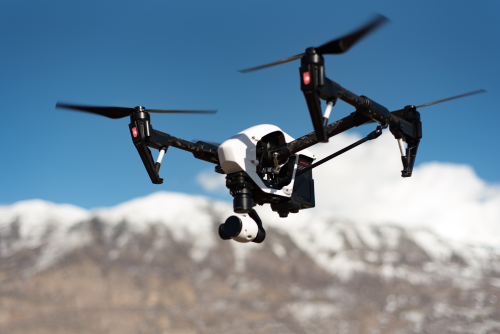
Affordable camera drones vs flagship camera drones is not really a contest between “good” and “best.” It is a buying decision about fit: what you need the drone to do, how often you will fly it, how much financial risk you can absorb, and how steep a learning curve you actually want. For most beginners, hobbyists, travel creators, and many small-business buyers, an affordable camera drone is the smarter purchase. For repeat paid work, tougher lighting, stronger post-production needs, and higher reliability demands, a flagship can absolutely earn its place.
Quick take
If you want the short answer, here it is:
- Choose an affordable camera drone if you are buying your first serious drone, flying mostly in daylight, creating for social media or web delivery, traveling often, or learning aerial composition and flight discipline.
- Choose a flagship camera drone if your work regularly depends on better low-light performance, stronger dynamic range, more editing flexibility, better wind authority, or premium client-facing deliverables.
- If you are torn between the two, the safest buying rule is this: buy the least expensive drone that can reliably handle your main 80% use case.
- The most common buying regret is not “I bought too cheap.” It is “I bought too much drone for how I actually fly.”
What “affordable” and “flagship” usually mean
This comparison is about stabilized camera drones, not freestyle or racing FPV drones. If your goal is manual cinematic chase flying, your decision process will be different.
Affordable camera drones
An affordable camera drone usually means an entry-level or mid-range consumer model designed around portability, ease of use, and good-enough image quality for everyday creators.
These drones typically appeal to:
- first-time pilots
- hobbyists
- travelers
- real estate newcomers
- social-first creators
- small businesses that need aerial coverage without a premium production budget
Their strengths are usually:
- lower upfront cost
- smaller size and easier packing
- less stressful learning
- solid automatic flight features
- footage that looks very good in decent light
Their typical limits are:
- less low-light flexibility
- less room for aggressive color grading
- fewer advanced camera options
- more visible performance limits in wind or demanding conditions
- higher chance that you will outgrow them if drone work becomes central to your income
Flagship camera drones
A flagship camera drone usually means a premium consumer or prosumer platform built for image quality, operational confidence, and more demanding production work.
These drones are often aimed at:
- professional photographers and filmmakers
- agencies
- recurring commercial operators
- higher-end real estate teams
- advanced solo creators
- businesses that need better consistency and less compromise
Their strengths are usually:
- better sensor performance
- cleaner footage in difficult light
- more dynamic range, meaning better detail in bright skies and darker shadows
- more file flexibility for editing and color work
- better flight authority and stability in tougher conditions
- more advanced safety and navigation features
- sometimes additional cameras or focal length options
Their downsides are usually:
- much higher total cost
- more expensive batteries, props, filters, cases, and repairs
- heavier workflow demands on storage and editing hardware
- more legal or administrative friction in some places because of weight class
- more “fear tax,” where owners fly less often because mistakes are costly
Side-by-side: where the real tradeoffs are
| Factor | Affordable camera drones | Flagship camera drones | What it means in practice |
|---|---|---|---|
| Upfront spend | Lower and easier to justify | Significantly higher | Premium performance costs more than the aircraft alone |
| Total ownership cost | Usually manageable | Often much higher than expected | Extra batteries, filters, storage, repairs, and insurance scale upward fast |
| Image quality in good light | Often very strong | Excellent | In daylight, the gap is smaller than marketing suggests |
| Low-light performance | More limited | Usually much better | Sunrise, sunset, interior-adjacent exteriors, and overcast work favor flagships |
| Editing flexibility | Good for light edits | Better for serious grading | Flagship files often hold up better in professional post-production |
| Wind handling | Often decent, sometimes limited sooner | Often stronger | Bigger aircraft usually cope better, but you still must respect official limits |
| Portability | Usually better | Usually worse | Smaller drones get taken on more trips and more practice flights |
| Learning pressure | Lower | Higher | Cheaper mistakes usually mean faster learning through repetition |
| Automation and sensing | Good on many modern models | Usually more complete | Helpful, but not a substitute for pilot judgment |
| Travel and legal simplicity | Sometimes easier if lighter | Sometimes more complicated | Weight thresholds matter in many countries, but rules vary and must be checked |
| Best fit | Beginners, travel, hobby, many web-based client jobs | Professionals, demanding creators, premium deliverables | Your output standard should drive the choice |
Start with total cost, not box price
A lot of buyers compare the aircraft price and stop there. That is how people end up buying a drone they can technically afford but cannot comfortably operate.
Before choosing affordable or flagship, estimate your first-year cost in six parts:
-
Drone and controller – The obvious starting point.
-
Flight essentials – Extra batteries – Charging hub – Spare propellers – Fast memory cards – A protective case or bag
-
Camera accessories – Neutral density filters, often called ND filters, which reduce light so video motion looks more natural – Lens protection if relevant – Landing pad if you often launch from dust, sand, or grass
-
Support and repair – Manufacturer service plans if available – Third-party insurance where appropriate – Expected downtime if a repair is needed
-
Compliance costs – Registration – Required training or pilot exams – Local operating permits if your use case or country requires them – Commercial insurance where applicable
-
Post-production – More storage – Faster editing hardware – Backup drives – More time spent grading and managing larger files
With affordable drones, these line items tend to stay reasonable. With flagships, every category becomes more expensive.
That matters because the best drone for your budget is not the one you can barely buy today. It is the one you can operate confidently for the next 12 months without resenting every battery purchase, repair bill, or travel decision.
Match the drone to your goal, not your ego
The right choice gets clearer once you stop thinking in terms of “entry-level” and “professional” and start thinking in terms of the work itself.
First drone, hobby flying, and travel content
Affordable camera drones usually win here.
Why:
- you will actually take them with you
- you are more likely to practice often
- the footage is usually more than good enough for social platforms, YouTube, travel reels, and personal archives
- lighter drones can be less cumbersome for travel in some jurisdictions
If your drone is mainly for vacations, weekend flights, scenic clips, and learning the basics, a flagship is often overkill. The extra image quality sounds exciting, but if the drone stays home because it is bulky, stressful, or expensive to risk, it is not helping you.
A flagship makes more sense only if travel content is central to your business or your audience expects polished, high-end aerials in mixed lighting conditions.
Aerial photography and landscape work
This depends on how serious the output is.
Choose affordable if:
- you shoot mostly in daylight
- you share online rather than printing large
- you care more about portability than maximum editing latitude
- drone photography is one part of a wider hobby kit
Choose flagship if:
- you regularly shoot at sunrise, sunset, or in changing light
- you need stronger highlight and shadow recovery in edits
- you sell prints, license images, or build client deliverables from your aerial stills
- you want the cleanest files for serious post-processing
For many enthusiasts, affordable drones already produce excellent landscape imagery. The flagship advantage becomes more meaningful when you are pushing conditions, not just flying on nice afternoons.
Real estate and small business marketing
This is where many buyers overspend.
For standard real estate listings, local business promos, rooftop views, and short web videos, affordable camera drones are often enough. Clients usually care about:
- clear, stable footage
- safe and legal operations
- quick turnaround
- shots that make the property or business look useful and inviting
They usually do not care what model you flew.
A flagship starts to make more sense when:
- you shoot luxury properties
- twilight exteriors are part of the package
- your deliverables go beyond listing content into brand film territory
- you need more consistency across repeated paid shoots
- the drone footage must match higher-end ground cameras in a polished edit
If you are new to paid drone work, remember that legal permissions, pilot competence, insurance, and property access matter as much as camera quality. Verify commercial operating requirements in your country before selling services.
Professional video and branded content
This is where flagship drones justify themselves most clearly.
If drone shots are a planned part of production and not just a bonus angle, a flagship can be worth the jump because it usually offers:
- cleaner image quality in hard light and low light
- files that hold up better in color grading
- better consistency with premium cameras
- more reliable performance in professional workflows
- more confidence when the cost of reshooting is high
A branded campaign, tourism promo, corporate film, or agency job often punishes weak footage more than casual content does. In those cases, the flagship is not just buying better image quality. It is buying margin for error.
Enterprise teams and inspection-heavy operations
If you are a business buyer, be careful not to frame the decision too narrowly.
If your team needs:
- repeatable inspections
- zoom-focused asset reviews
- thermal imaging
- mapping outputs
- RTK or survey-grade positioning
- formal fleet management
then “affordable camera drone vs flagship camera drone” may not be the full question. You may need a specialized enterprise platform, software stack, training plan, and documented operating procedures.
In other words, a flagship camera drone is not automatically the right enterprise drone just because it is premium.
Which type is better for the learning curve?
This is where many people get surprised.
A flagship drone can be easier to fly in some ways because it may offer better obstacle sensing, stronger stabilization, better flight confidence, and more room to recover usable footage. But that does not automatically make it better for learning.
For most new pilots, affordable drones are better for learning because:
- they reduce fear of making costly mistakes
- they encourage more frequent practice
- they are easier to pack and launch casually
- they simplify the early stage of building habits like preflight checks, smooth stick control, and visual composition
The real learning curve in camera drones has three parts:
Flying skill
This includes takeoff discipline, orientation, stick smoothness, return planning, weather judgment, and landing control.
An affordable drone is usually enough to build all of that.
Camera skill
This includes framing, movement, horizon control, exposure, and understanding when a shot is actually worth taking.
A flagship gives you more headroom, but it does not teach taste. A beginner with a premium drone can still shoot dull footage.
Operational judgment
This includes reading the location, respecting people and property, understanding airspace, and deciding when not to fly.
That comes from repetition and discipline, not from spending more.
A useful rule: buy the drone you will be willing to fly thirty times, not the drone you will baby for fear of crashing once.
The middle option most buyers should not ignore
The choice is not always “cheap” or “flagship.”
A mid-range camera drone often gives buyers the best balance of:
- strong image quality
- better wind performance than very small drones
- manageable travel size
- enough control to grow into
- lower stress than a true flagship
This is often the sweet spot for:
- serious hobbyists
- travel creators who also do occasional paid work
- real estate operators moving beyond basic listings
- content teams that want quality without full premium overhead
There is also the used-market route, but treat it carefully. A used flagship can be a value only if you verify:
- battery health and replacement availability
- controller condition
- gimbal and airframe integrity
- repair support in your region
- firmware and account status
- spare parts access
A cheap used flagship with aging batteries and weak repair support can become more expensive than a new affordable drone very quickly.
Safety, legal, and operational limits to know before spending more
A bigger or more expensive drone does not give you more freedom to fly.
Before you buy, verify the rules that apply in the places you will actually operate. Globally, the big variables often include:
- aircraft weight class
- registration requirements
- pilot competency tests or certifications
- e-identification or remote ID requirements where applicable
- airspace restrictions
- national park, heritage site, or beach-specific limits
- venue permissions for events or private property
- privacy and data-use rules
- insurance requirements for commercial work
- airline battery carriage rules for travel
A few practical points matter a lot:
- Lighter can be easier, but not always. In some countries, lighter drones face fewer restrictions. In others, many core rules still apply.
- Commercial use is often treated differently. If you are flying for clients, promotional work, or as part of a business workflow, verify what changes.
- Travel adds friction. Crossing borders with batteries and drone gear can involve airline rules, local declarations, or country-specific operating restrictions.
- Obstacle avoidance is not permission. Safety features reduce workload; they do not replace your responsibility to fly conservatively and legally.
If you will use the drone for work, especially near clients, people, buildings, or sensitive areas, check with the relevant aviation authority and site operator before relying on assumptions.
Common mistakes when comparing affordable vs flagship camera drones
Buying for the rare 5% scenario
Many people shop for the one dramatic shoot they imagine rather than the conditions they actually fly in every month.
If 80% of your flights are daylight travel clips, neighborhood landscapes, or normal client web work, do not buy primarily for extreme low-light edge cases.
Chasing sensor size while ignoring pilot skill
Better hardware helps, but jerky movement, poor timing, bad framing, and weak editing will still look amateur.
The fastest quality improvement often comes from better flying habits and shot planning, not a more expensive drone.
Ignoring weight and travel friction
A drone you can always carry often beats the drone you leave at home.
This is especially true for travelers, hikers, and creators who work solo.
Underbudgeting the ecosystem
A premium drone without enough batteries, storage, filters, or a reliable transport solution is a compromised purchase.
Assuming clients care about your drone model
Most clients care about results, compliance, communication, and delivery speed. If you can create strong footage safely and legally, the model badge matters much less than many buyers think.
Forgetting the edit workflow
Higher-quality files are great, but they also demand more from your computer, storage, and time. If your laptop struggles or your turnaround is tight, a flagship can create new bottlenecks.
Trusting automation too much
Obstacle sensing, subject tracking, and intelligent modes can help, but they are not crash-proof and they are not equally reliable in every environment.
A simple decision framework
If you are still unsure, use this buying filter.
| Question | If this sounds like you, lean affordable | If this sounds like you, lean flagship |
|---|---|---|
| What is your main output? | Social, web, personal content, basic client work | Premium commercial, branded, cinematic, heavily graded work |
| When do you usually shoot? | Mostly clear daylight | Mixed light, twilight, demanding weather windows |
| How often will you fly? | Casual or developing a habit | Regularly, with business or production pressure |
| How important is portability? | Extremely important | Nice to have, but not the priority |
| How painful is repair cost? | Very painful | Manageable as part of business or serious hobby budget |
| Do you need strong post-production flexibility? | Not really | Yes, it matters often |
| Do local rules reward lighter drones? | Yes, and that affects your usage | No, or you can manage the extra compliance |
| Will the better footage create real value? | Probably not enough to justify the jump | Yes, through client work, brand quality, or critical output |
A practical buying rule:
- If you answered left-column logic most of the time, buy affordable.
- If you answered right-column logic most of the time, buy flagship.
- If you split the table almost evenly, a good mid-range camera drone is probably your real answer.
FAQ
Is an affordable camera drone good enough for paid work?
Often, yes. For standard real estate, tourism clips, local business marketing, and social-first branded content, an affordable drone can be enough if you fly well, edit well, and operate legally. The limit usually appears when clients expect premium low-light performance, heavier grading, or more demanding production consistency.
Will a flagship drone make a beginner’s footage look professional?
Not by itself. A flagship can improve image quality and give you more room in editing, but it will not fix poor composition, unsafe habits, weak shot selection, or jerky movement. Skill still matters more than the price tag.
Is it smarter to buy a used flagship or a new affordable drone?
Usually choose the one with the lower ownership risk, not just the lower sticker price. A used flagship can be a bargain if batteries are healthy, service support exists, and the airframe is clean. If any of those are uncertain, a new affordable drone is often the safer buy.
Are flagship drones safer because they have better sensors and automation?
They can be easier to operate confidently, but not automatically safer in careless hands. Sensors can miss thin branches, wires, reflective surfaces, low light issues, or complex environments. Safe flying still depends on your planning, awareness, and restraint.
Does a lighter drone always mean fewer legal obligations?
No. In many places, lighter drones can make compliance simpler, but they are not a free pass. Registration, pilot rules, privacy obligations, and airspace restrictions may still apply depending on the country and the operation.
How many batteries should I budget for?
For most buyers, at least three total batteries makes the drone much more usable. One battery often leads to rushed practice sessions, poor planning, and frustration. Professional users may need more depending on travel, location access, and job duration.
When should I upgrade from affordable to flagship?
Upgrade when the drone is limiting paid outcomes or important creative goals, not when marketing makes you restless. Good upgrade signals include repeated low-light compromises, client demands for cleaner files, workflow mismatches, or clear revenue that can support the higher ownership cost.
Final call
For most people, an affordable camera drone is the better first and often best long-term buy. It gets you in the air more often, teaches you faster, travels better, and is already capable of excellent results in normal conditions.
A flagship camera drone is the right choice when better image quality and higher operational confidence create real value, not just bragging rights. If your work, clients, or creative standards genuinely need that extra headroom, buy it confidently. If not, save the money, fly more, and upgrade only when your footage or business has truly outgrown the affordable class.