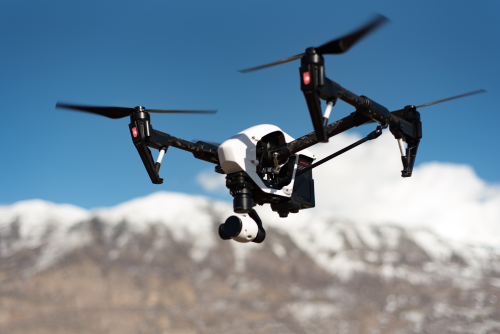
Shopping for the best camera drones under $1,500 usually comes down to one question: what are you actually filming? A travel creator who wants vertical reels, a YouTuber who needs polished B-roll, and a parent capturing holidays and weekend trips do not need the same drone. In this budget, there are several genuinely good options, but the right pick depends more on workflow and regret risk than on one flashy spec.
Quick take
If you want the short version, these are the camera drones I’d actually shortlist for YouTube, travel reels, and family videos:
- Best overall for most creators: DJI Air 3
- Best mix of image quality, flight confidence, battery life, and lens flexibility.
-
Great if you want one drone that can handle YouTube B-roll, travel footage, and casual family shooting.
-
Best lightweight travel pick: DJI Mini 4 Pro
- The easiest recommendation for frequent travelers and vertical-first creators.
-
Small, capable, and far less annoying to pack than a larger drone.
-
Best for action-heavy travel reels: DJI Avata 2
- The most fun option here for immersive movement and energetic social clips.
-
Not the best all-round family drone, but very strong for creators who want motion.
-
Best for scenic image quality and low-light leaning buyers: Autel EVO Lite+
- Worth a look if image character and larger-sensor-style shooting matter more than the strongest app ecosystem.
-
Availability and support can vary by market, so check that before buying.
-
Best value starter drone: DJI Mini 3
- Still one of the smartest lower-cost buys for beginners, families, and casual travel creators.
-
You give up some safety and automation compared with newer models, but the value is real.
-
Best used-market image upgrade: DJI Mavic 3 Classic
- Only if you are comfortable buying used and verifying condition carefully.
- It can be an image-quality bargain when priced below this budget.
One important note: the drone may fit under $1,500, but the exact bundle may not. Controller choice, extra batteries, taxes, and regional pricing can move a purchase above or below the line very quickly.
Key points before you buy
For this kind of buyer, five things matter more than marketing language:
-
A second lens can matter more than a slightly better sensor.
For YouTube and travel storytelling, a tele or medium tele lens gives you more variety than endless wide shots. -
Vertical workflow matters if reels are a priority.
A drone that shoots native vertical can save time and preserve image quality for social platforms. -
Small drones are easier to pack, but bigger drones are usually easier to fly in wind.
That tradeoff matters a lot for beaches, mountain lookouts, coastlines, and open spaces. -
Obstacle sensing helps, but it is not magic.
It reduces stress for beginners, especially around slow, careful moves. It does not make automated tracking safe near trees, wires, or people. -
The real budget is not just the aircraft.
Extra batteries, storage cards, a charger, maybe neutral density filters, and a repair or replacement plan often matter more than stretching for the next model up.
What actually matters for YouTube, travel reels, and family videos
Before choosing a model, decide which of these best describes you:
YouTube creator
Prioritize:
- Stable hover and smooth flight
- Reliable app and editing workflow
- Good dynamic range in daylight
- Lens flexibility for more interesting shots
- Enough battery life to capture multiple setups in one outing
Travel reels creator
Prioritize:
- Small size and low travel friction
- Fast setup and quick pack-down
- Vertical shooting or easy vertical crop workflow
- Quiet, discreet flying in public places where legal and appropriate
- Good subject tracking for simple solo clips
Family video buyer
Prioritize:
- Easy takeoff and simple controls
- Good safety features
- Predictable return-to-home behavior
- Low setup stress
- A drone you will actually carry, not leave at home
That’s why there is no single “best” drone under $1,500 for everyone.
The best camera drones under $1,500
| Drone | Best for | Why it stands out | Main watch-out | Budget fit |
|---|---|---|---|---|
| DJI Air 3 | Most people who want one drone for everything | Dual cameras, strong flight time, confident handling | Larger and heavier than Mini models | Standard kits usually fit; premium bundles can exceed |
| DJI Mini 4 Pro | Travel creators and vertical-first shooters | Very portable, strong features, native vertical shooting | Less wind authority than larger drones | Usually fits comfortably depending on bundle |
| DJI Avata 2 | Action reels and immersive movement | FPV-style footage with less setup pain than DIY FPV | Not the best all-round family or scenic drone | Usually fits in standard form |
| Autel EVO Lite+ | Scenic shooting and buyers who value image character | Strong photo/video appeal in good light and lower light | Ecosystem and support vary by region | Usually under budget |
| DJI Mini 3 | Budget-conscious beginners and families | Excellent value, compact, easy to carry | Fewer advanced safety features | Well under budget in many markets |
DJI Air 3
Best overall for YouTube, travel, and family use
If you want one drone that does the most things well, the DJI Air 3 is the safest recommendation in this budget.
Its biggest strength is simple: it gives you two useful cameras in one aircraft. The wide lens handles your big establishing shots, while the medium tele lens helps you create more polished sequences without needing to fly dangerously close. That matters for YouTube B-roll and travel storytelling because it makes your footage feel less repetitive.
Why it works so well:
- Dual-camera setup creates more visual variety
- Strong battery life for a drone in this class
- More stable and confidence-inspiring than ultra-light drones in moderate wind
- Good safety feature set for slower, planned shooting
- A better long-term buy if you know you will keep creating for a while
It is especially good for:
- YouTubers who want better B-roll without stepping into much pricier drones
- Travelers who do not mind carrying something bigger than a Mini
- Parents or hobbyists who want nicer footage but still want a fairly easy flying experience
Think twice if:
- Your priority is the lightest travel kit possible
- You want native vertical shooting
- You fly mainly in places where sub-250g drones are much less hassle from a compliance or packing standpoint
The biggest reason people regret buying the Air 3 is not image quality. It is size. If a drone feels too bulky for your normal bag, you stop bringing it.
DJI Mini 4 Pro
Best lightweight travel pick
For a lot of people, the DJI Mini 4 Pro is the best real-world answer to this whole category.
It is the drone I would point most travel creators toward first, especially if reels matter. It is compact, highly portable, and much easier to justify bringing on city breaks, road trips, hikes, and family vacations. It also offers native vertical shooting, which is a real workflow advantage if Instagram Reels, Shorts, or TikTok-style deliverables are part of your plan.
Why it stands out:
- Very travel friendly
- Native vertical capture is genuinely useful
- Strong safety and automation for its size
- Great “take it everywhere” drone
- Easier to carry than the Air 3, which usually means more actual flying
It is best for:
- Solo creators filming themselves on trips
- Buyers who want one drone for travel and family use
- People who care about social-first content and fast editing
Think twice if:
- You often fly in exposed, windy locations
- You care more about lens variety than packability
- You want the most planted, stable feeling aircraft in the air
One important limit to know: some extended battery options can affect the aircraft’s weight category. That can matter for local rules, so verify the weight and legal consequences in the places you plan to fly.
If your goal is “high-quality footage with the least friction,” the Mini 4 Pro is hard to beat.
DJI Avata 2
Best for action-heavy travel reels
The DJI Avata 2 is not the best choice for everyone, but it is absolutely one of the best creator drones under $1,500 if your content style depends on motion.
This is an FPV drone, meaning first-person view flying with goggles. Compared with a normal camera drone, FPV footage feels faster, more immersive, and more physical. If your reels need energy rather than calm scenic sweeps, the Avata 2 can create shots the others on this list simply cannot.
Why creators buy it:
- Dramatic, immersive footage
- Better entry point to FPV-style content than building a DIY setup from scratch
- Great for movement through spaces, reveals, chasing action, and dynamic travel edits
- Easier to get interesting social clips with less need for heavy post-production storytelling
It is best for:
- Adventure travel creators
- Reels-focused shooters
- Buyers who already know they want action and motion more than classic scenic drone shots
Think twice if:
- You want a straightforward family drone
- You mainly shoot landscapes, sunsets, and clean, cinematic hover shots
- You do not want to learn goggles-based flying
- You need the quietest or least attention-grabbing option
This is the biggest buying trap: people see dramatic FPV footage and assume Avata 2 will replace a conventional camera drone. For many users, it will not. It is a specialty tool with a broader learning curve.
If your content identity is built around movement, it is a fantastic buy. If not, it may become an expensive second drone rather than your main one.
Autel EVO Lite+
Best for buyers who prioritize scenic image quality
The Autel EVO Lite+ remains a worthwhile option for buyers who care deeply about image quality and a more photography-leaning feel, especially for landscapes, travel scenes, and golden-hour shooting.
The reason to look at it is not that it wins every category. It is that some buyers prefer what it offers visually and want an alternative to DJI’s ecosystem. If you tend to shoot slower, more deliberate footage, it can be a very appealing option.
Why it deserves a spot:
- Strong image-focused appeal
- Good fit for scenic travel footage
- Attractive option for buyers who want a more photography-minded experience
- Often strong value within this budget band
It is best for:
- Landscape shooters
- Scenic travel filmmakers
- Buyers who care more about image character than the most polished beginner workflow
Think twice if:
- You want the broadest accessory and support ecosystem
- You prioritize the simplest app experience
- You need easy local support or parts access in your market
That last point matters. Drone support, repairs, firmware experience, and accessory availability can vary a lot by region. Before buying, check what real after-sales support looks like where you live.
If you want a drone that feels more like an image tool than a social-first gadget, the EVO Lite+ is worth serious consideration.
DJI Mini 3
Best value buy for beginners and families
The DJI Mini 3 is still one of the easiest drones to recommend when someone wants very good footage without spending close to the top of the budget.
It does not give you everything the Mini 4 Pro gives you, but that is exactly why it makes sense. Many families, hobbyists, and casual creators do not need the latest obstacle sensing package or the most advanced tracking. They need a small drone that is easy to carry, captures good-looking video, and does not feel financially painful.
Why it is such a good value:
- Compact and easy to travel with
- Native vertical shooting
- Good image quality for the money
- Lower buyer regret for first-time drone owners
- Leaves budget for batteries, storage, and accessories
It is best for:
- First-time buyers
- Families who want holiday and weekend footage
- Budget-conscious creators who still care about image quality
- People who want a second, lighter drone they will actually carry
Think twice if:
- You want the strongest safety feature set
- You fly near obstacles often
- You want a drone that feels more future-proof for regular creator work
The Mini 3 is not the most advanced drone here. It may be the smartest purchase for a huge number of people.
A used-market option worth considering: DJI Mavic 3 Classic
If you are open to used gear, the DJI Mavic 3 Classic can be one of the most interesting buys around this budget.
Its appeal is straightforward: better pure image potential than most of the new drones you can buy under $1,500. If your priority is image quality for YouTube, real estate-style scenic work, or polished landscape travel footage, it can be a serious step up.
But this is only a smart buy if you inspect carefully.
Before buying used, verify:
- The drone is not still bound to the seller’s account
- Battery condition and cycle count
- Gimbal smoothness and camera focus behavior
- Crash history, shell damage, or repaired arms
- Controller compatibility and charging accessories
- Firmware access and region support
If you do not want that risk, skip used and buy new. If you are comfortable evaluating gear, the Mavic 3 Classic can be the image-quality bargain in this class.
Which one should you buy?
If you want the fastest decision possible, use this:
Buy the DJI Air 3 if:
- You want one drone that covers YouTube, travel, and family footage well
- You value two lenses more than the smallest bag size
- You want the most balanced all-rounder
Buy the DJI Mini 4 Pro if:
- Travel is your main use case
- You want native vertical shooting
- You care about portability almost as much as image quality
Buy the DJI Avata 2 if:
- Your content is motion-first
- You want energetic reels more than classic cinematic drone footage
- You are willing to learn a different style of flying
Buy the Autel EVO Lite+ if:
- Scenic image quality matters more than the strongest ecosystem
- You shoot landscapes and golden-hour travel footage
- Local support in your market checks out
Buy the DJI Mini 3 if:
- You want the best value
- This is your first drone
- You want good footage without overspending
The real cost most buyers forget
A lot of people spend too much on the aircraft and too little on the kit that makes it useful.
Set aside room in your budget for:
- Two or three batteries
-
One battery is rarely enough for a real outing.
-
A good microSD card
-
Cheap cards are a surprisingly common source of recording problems.
-
A charger or charging hub
-
Especially important for travel and family days out.
-
Neutral density filters
-
These reduce light so your daytime video can keep more natural-looking motion blur.
-
A safe storage case or bag
-
Not glamorous, but it helps you actually carry the drone.
-
A repair or replacement plan if available in your market
- Often a smarter spend than stretching to a slightly better model
For many buyers, a Mini 3 with useful accessories is a better purchase than a more advanced drone with no batteries and no protection plan.
Safety, travel, and compliance checks to do before flying
Even for casual travel and family use, drones are regulated aircraft in many places. Rules vary widely, so treat this as a checklist to verify locally rather than a one-size-fits-all answer.
Check these before you fly
-
Confirm whether your drone must be registered or marked – Sub-250g helps in some countries, but it does not mean rule-free everywhere.
-
Verify whether remote identification, operator competency, or local permits apply – Requirements can differ by aircraft weight, purpose, and location.
-
Check airspace and site-specific restrictions – Parks, beaches, heritage sites, city centers, resorts, and event venues often have their own rules.
-
Review airline battery rules before travel – Spare lithium batteries usually belong in carry-on baggage with terminals protected, but airline limits vary.
-
Do not rely on obstacle sensing around people, trees, wires, or water – Safety systems help, but they are not perfect and should not replace judgment.
-
Keep privacy and local sensitivity in mind – Family-friendly or tourist-heavy locations can still be the wrong place to launch, even if airspace appears open.
-
If you plan to monetize footage, verify whether commercial or professional operating rules differ – In some places, paid or business use triggers extra requirements.
Common mistakes people make in this budget
1. Buying for specs instead of content style
A larger sensor sounds great, but if the drone is too bulky to carry, it loses to a smaller drone that actually comes with you.
2. Ignoring the value of a second lens
For YouTube, a second perspective often improves your final video more than a small bump in headline image quality.
3. Treating FPV as a normal beginner drone
FPV can be amazing. It is not automatically the best first drone for family trips and simple scenic footage.
4. Underbudgeting batteries
A single battery is the fastest route to frustration. You spend more time waiting than creating.
5. Assuming sub-250g means “legal everywhere”
It does not. Always verify the rules where you fly, not where you bought the drone.
6. Overestimating follow and tracking features
Subject tracking can be useful for solo shooting, but it is not a license to fly close to people, traffic, or obstacles.
7. Forgetting repair and support
A drone is not just a spec sheet. It is also firmware, batteries, spare parts, service, and app stability over time.
FAQ
Is a Mini drone good enough for YouTube?
Yes, for many creators it is. If your channel uses travel B-roll, voiceover, talking-head segments, and social cutdowns, a Mini 4 Pro or even a Mini 3 can be more than enough. You mostly upgrade to something like the Air 3 for lens flexibility, wind performance, and a more robust overall feel.
Which drone under $1,500 has the best all-round video quality?
For overall creator use, the DJI Air 3 is the strongest all-rounder because it combines good image quality with two useful focal lengths and strong flight confidence. If you are open to used gear, a Mavic 3 Classic can offer stronger image potential, but used buying adds risk.
Is DJI Avata 2 a good first drone?
Only if you specifically want FPV-style footage and are willing to learn that style of flying. If you want easy family videos, scenic travel clips, and stress-free hovering shots, a Mini 4 Pro or Air 3 is a better first purchase.
Should I buy the Fly More combo or the base kit?
For most people, the combo is the smarter buy if it stays within budget. Extra batteries and easier charging change the ownership experience more than most buyers expect. If the combo pushes you into debt or unnecessary spending, buy the base kit and add batteries later.
Is native vertical shooting important?
It is important if reels or Shorts are a major part of your workflow. Native vertical capture can save time and preserve more useful image area. If your main output is YouTube in horizontal format, it matters less.
Can I take these drones on a plane?
Usually yes, but the batteries are the critical issue. Airline rules for spare lithium batteries vary, and some carriers or airports apply extra limits. Always check your airline and departure airport before the trip.
Is a used drone worth it?
It can be, especially if you want better image quality for the money. But only buy used if you can verify account unbinding, battery health, physical condition, and full functionality. If you are not confident inspecting gear, buy new.
Do I need obstacle avoidance as a beginner?
You do not absolutely need it, but it reduces stress and can make first ownership much smoother. Just remember it is a backup aid, not a guarantee against crashes.
Final decision
If you want the safest one-drone recommendation, buy the DJI Air 3. If portability and vertical travel content matter most, buy the DJI Mini 4 Pro. If your budget is tighter, the DJI Mini 3 is still a smart buy. And if your reels live or die on speed and motion, the DJI Avata 2 is the specialist pick.
The best drone under $1,500 is the one you will actually carry, fly legally, and use often enough to justify the batteries charging on your desk.