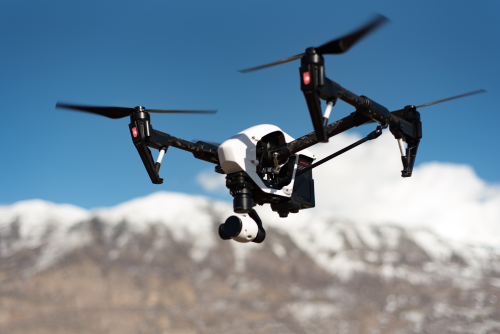
If you’re shopping for the best camera drones under $2,500 for YouTube, travel reels, and family videos, the real question is not “Which drone is best?” It’s “Which drone will actually fit the way I travel, shoot, edit, and fly?” In this price range, the wrong choice usually is not a bad drone. It is a good drone that is too big, too limited, too expensive to maintain, or too awkward for the content you actually make.
Quick Take
If you want the shortest version:
-
Best overall for most buyers: DJI Air 3S
The strongest mix of image quality, flight confidence, flexibility, and creator-friendly camera options. -
Best for travel and family use: DJI Mini 4 Pro
Small, easy to carry, easier to live with, and excellent for social-first shooting. -
Best pure image quality under this budget: DJI Mavic 3 Classic
The pick for creators who care more about footage quality than pack size. -
Best value if found at a good discount: DJI Air 3
Still one of the smartest buys if the newer Air 3S stretches your budget too far. -
Best non-DJI alternative: Autel EVO Lite+
Worth a look if you want a different ecosystem, but check local support and accessory availability first.
One important note: all of these drones can fit under the $2,500 ceiling in at least one common configuration, but the final total depends on your controller choice, taxes, local stock, and whether you buy extra batteries or protection coverage.
How to choose the right drone in 60 seconds
Before you compare specs, answer these four questions:
-
Will you actually carry it often?
A smaller drone with slightly lower image quality usually beats a larger drone that stays at home. -
Do you shoot mostly vertical social content, mostly horizontal YouTube footage, or both?
Travel reels and family clips reward quick setup and simple vertical capture. Long-form YouTube benefits more from richer footage and more lens variety. -
Do you edit seriously or keep things simple?
If you color grade, crop aggressively, or shoot at sunrise and sunset, camera quality matters more. If you mostly want clean footage straight out of camera, ease of use matters more. -
Are you buying only the drone, or the real kit?
Extra batteries, memory cards, spare props, filters, a charger, and a case matter more than many buyers expect.
Here is the fast decision framework:
- Choose the DJI Mini 4 Pro if portability is your top priority and you want a drone you will bring on nearly every trip.
- Choose the DJI Air 3S if you want one drone that can handle YouTube, travel reels, and better-looking family videos without major compromise.
- Choose the DJI Mavic 3 Classic if image quality is the priority and you are okay with a larger, pricier setup.
- Choose the DJI Air 3 if you find it meaningfully cheaper than the Air 3S and want the best value balance.
- Choose the Autel EVO Lite+ if you specifically want a non-DJI option and you have confirmed good regional support.
Best camera drones under $2,500 at a glance
| Drone | Best for | Typical budget position | Why it stands out | Main tradeoff |
|---|---|---|---|---|
| DJI Air 3S | Most buyers, mixed content creators | Mid to upper-mid | Strong all-round camera package, flexible framing, good flight confidence | Bigger and less travel-light than a Mini |
| DJI Mini 4 Pro | Travel, family use, social-first creators | Lower to mid | Ultra-portable, easier to pack, beginner-friendly, strong vertical workflow | More affected by wind and low light |
| DJI Mavic 3 Classic | Best image quality | Upper end | Excellent dynamic range and more cinematic-looking footage | Larger, pricier, less casual to carry |
| DJI Air 3 | Value-focused buyers | Mid | Dual-camera versatility and strong flight performance at a better buy-in | Older than Air 3S, lower upside in tougher light |
| Autel EVO Lite+ | Non-DJI buyers | Lower to mid | Good image quality and useful manual control options | Support, resale, and ecosystem vary by market |
1) DJI Air 3S: Best overall for YouTube, travel reels, and family videos
For most people spending serious money but not wanting to overspend, the DJI Air 3S is the safest recommendation.
Why? Because it solves the real-world problems creators run into:
- You want footage that looks clearly better than phone video.
- You want more than one perspective without carrying multiple drones.
- You want a drone that feels stable and confidence-inspiring in normal outdoor conditions.
- You want something advanced enough to grow with, but not so large that it turns every flight into a production.
The biggest strength of the Air line is balance. In the Air 3S, that balance gets better. You get stronger imaging than the Mini class, more flexibility than a single-lens setup, and a more travel-friendly body than a Mavic 3-class drone.
For YouTube, that matters because your B-roll needs variety. A second focal length lets you move beyond the typical “everything looks wide and far away” drone footage problem. For travel reels, it helps you create tighter, more layered shots that look more intentional. For family videos, it gives you clean scenic clips without needing expert flying skills.
Why the Air 3S stands out
- Better all-round image quality than smaller travel drones
- More framing flexibility than single-camera drones
- Stronger wind confidence than the Mini class
- Easier long-term upgrade path for a creator who is becoming more serious
- A better “only drone” choice than most alternatives
Where it is not ideal
- It is still larger and more noticeable than a Mini
- Travel rules can be less forgiving than with sub-250g drones in some places
- Once you add accessories, the total spend can climb quickly
Buy it if
- You want one drone to do almost everything well
- You make both horizontal YouTube content and vertical short-form clips
- You care about image quality but still want portability
Skip it if
- You need the smallest possible drone for frequent air travel
- You mostly fly casually on vacations and family outings
- You want the best image quality available under this budget and do not mind extra size
2) DJI Mini 4 Pro: Best for travel reels and family-first shooting
If you know you value portability more than absolute image quality, the DJI Mini 4 Pro is still one of the smartest drones you can buy.
This is the drone for people who say:
- “I want something I’ll actually bring everywhere.”
- “I want fast setup.”
- “I don’t want my family trip to turn into a gear haul.”
- “I’m posting on Instagram, Shorts, or TikTok as much as YouTube.”
The Mini 4 Pro works because it removes friction. It packs small, launches quickly, and fits naturally into trips where you are also carrying luggage, a phone, maybe a camera, and everything else normal people bring.
For family videos, that matters more than spec-sheet buyers admit. The best family drone is often the one that is simple enough to take to the beach, the overlook, or the holiday cabin without debate.
It is also a strong fit for travel creators who shoot a lot of vertical content. If your output leans social-first, the Mini 4 Pro is easier to justify than a heavier, more cinematic drone.
Why the Mini 4 Pro stands out
- Extremely travel-friendly
- Easier to live with for casual and frequent flying
- Strong features for beginners and solo creators
- Excellent choice when social content matters as much as YouTube
Where it is not ideal
- Smaller drones generally struggle more in wind than larger ones
- Low-light footage and heavy color grading are not its strongest use cases
- Buyers sometimes outgrow it if they get serious about cinematic image quality
Buy it if
- You travel often and pack light
- You want a family-friendly drone that is not a burden
- You shoot a lot of reels, shorts, and quick scenic clips
Skip it if
- You regularly fly in windier locations
- You want your drone footage to look as polished as possible in sunrise, sunset, or contrast-heavy scenes
- You already know you want a bigger creator tool
3) DJI Mavic 3 Classic: Best pure image quality under $2,500
If image quality is the main reason you are spending this much, the DJI Mavic 3 Classic is the strongest pick in this budget band.
This is the drone for creators who already understand why better camera hardware matters:
- Better dynamic range, meaning more detail in bright skies and dark shadows
- More natural highlight roll-off, so sunsets and reflective surfaces look less harsh
- Cleaner footage in difficult light
- More flexibility in editing before the image starts to break apart
That makes the Mavic 3 Classic especially appealing for YouTube creators who care about a more polished, cinematic look. If you shoot travel films, destination features, documentary-style content, or premium family keepsakes rather than quick social clips, you will notice the difference.
The tradeoff is obvious: this is not the easiest drone to treat casually. It is larger, less discreet, more expensive to build into a full kit, and harder to justify if most of your output ends up compressed into short-form platforms.
Why the Mavic 3 Classic stands out
- Best-looking footage of the drones on this list
- Better headroom for color grading and post-production
- Strong choice for creators who want footage that will still hold up as their editing improves
Where it is not ideal
- Larger and less convenient for casual travel
- More expensive once you add the real accessories
- Overkill for many family-video buyers
Buy it if
- You care most about footage quality
- You shoot YouTube content that benefits from a more cinematic look
- You edit seriously and want room to grow
Skip it if
- You want an easy throw-in-the-bag travel drone
- You mainly post quick reels and simple family clips
- You know convenience usually beats perfection for your workflow
4) DJI Air 3: Best value if the price gap is meaningful
The DJI Air 3 is no longer the newest option in this part of the market, but that is exactly why it remains attractive.
If you find it at a clear discount compared with the Air 3S, it can be the smartest dollar-for-dollar buy in the category.
You still get the core things that made the Air series such a strong creator platform:
- Dual-camera flexibility
- Better flight confidence than the Mini line
- A solid middle ground between portability and serious content creation
- A much more “future-proof” feel than entry-level drones
For buyers who do not shoot difficult lighting often, or who just want strong-looking footage without squeezing every last bit of image quality from the sensor, the Air 3 is still very easy to recommend.
The important part is pricing. If the Air 3 is only slightly cheaper than the Air 3S in your market, the newer model is usually the better buy. If the gap is big enough to pay for extra batteries, filters, and protection coverage, the Air 3 becomes very compelling.
Why the Air 3 still makes sense
- Strong feature set with fewer compromises than smaller drones
- Excellent value in discounted or refurbished channels
- Better use of budget than stretching too hard for a newer model
Where it is not ideal
- It is harder to recommend at near-Air-3S pricing
- Buyers who care about the newest imaging improvements may feel they settled
Buy it if
- You want the Air-series experience without paying top tier
- You found a genuinely good deal
- You would rather save money for batteries and travel accessories
Skip it if
- The Air 3S is only modestly more expensive in your region
- You know you want the best overall option, not the value option
5) Autel EVO Lite+: Best non-DJI alternative
Not everyone wants to buy into DJI, and that is where the Autel EVO Lite+ deserves attention.
It remains one of the most credible non-DJI camera drones for buyers who want good-looking footage and a familiar foldable form factor. It is especially worth a look if:
- You prefer a different brand ecosystem
- DJI availability is uneven in your region
- You value manual camera control options like adjustable aperture
- You have confirmed good local dealer or repair support
The biggest caution here is not image quality. It is ecosystem confidence. Before buying, make sure you can easily get batteries, propellers, service, and reliable app support where you live. This matters more than many review videos admit.
DJI usually wins on accessories, resale strength, polish, and broader creator familiarity. But if your regional support picture is good, the EVO Lite+ can still be a sensible buy.
Why it stands out
- Solid camera performance for the money
- Useful manual control flexibility
- Good alternative for buyers who specifically want a non-DJI option
Where it falls short
- Regional after-sales support can vary
- Accessory and repair experience may not be as smooth as DJI
- Resale value and community support may be less predictable
Buy it if
- You want a real non-DJI alternative
- You have checked local stock, support, and spare-part access
Skip it if
- You want the safest ecosystem choice
- You rely heavily on polished app workflow and easy accessory sourcing
What your real $2,500 budget should include
A lot of buyers think in airframe-only terms. That is how regret starts.
For YouTube, travel reels, and family videos, your useful kit usually includes:
- Drone and controller
- At least 2 extra batteries
- High-speed memory card
- Spare propellers
- Simple protective case or shoulder bag
- ND filters if you shoot daytime video often
ND filters are like sunglasses for the camera. They help you keep more natural-looking motion in bright conditions. - Charging hub or travel charger
- Repair plan, care plan, or a repair reserve
A good rule: do not spend the full budget on the drone body unless you already know exactly what accessories you need. In many cases, a slightly cheaper drone with a complete kit is the smarter purchase than a premium drone with one battery and no backup plan.
Safety, legal, and travel checks to make before you fly
Even for family videos and travel content, drone use is regulated. The exact rules vary widely by country, park, city, coastline, and even specific venue.
Before you buy or travel, verify these five things with the relevant authority:
-
Registration and operator requirements
Some places regulate by weight, some by risk, and some by where you fly. A sub-250g drone can reduce friction in some regions, but it does not mean “no rules.” -
Airspace restrictions
Airports, heliports, emergency zones, urban cores, and sensitive areas may have limits even if your drone can physically take off there. -
Park, heritage, and private-property rules
National parks, protected sites, beaches, and tourist attractions often have separate drone restrictions beyond aviation law. -
Battery and airline rules
Lithium batteries usually need special handling for air travel. Airlines can have different limits, and spare batteries should generally be treated more carefully than regular luggage items. Verify with your airline before the trip. -
Commercial or monetized use
In some places, monetized content, client work, or promotional use can trigger different operating requirements. In others, the distinction is more about operational risk than whether you earn money. If your content supports a brand, business, or channel income, verify before flying.
Also remember: obstacle sensing is helpful, but it is not permission to fly close to people, traffic, or structures. Respect privacy, avoid overflying crowds, and do not assume a “smart” drone will protect you from poor decisions.
Common mistakes buyers make
1) Buying for specs instead of workflow
A bigger sensor is great. But if the drone is too bulky for your bag, you will fly less. For many travel creators, the best drone is the one that gets packed without a second thought.
2) Ignoring total kit cost
One battery and no filters may be fine for a test flight, not for a travel week or family holiday. Budget for the full system.
3) Assuming sub-250g means unrestricted
In some regions it helps. In others, not nearly as much as people think. Always verify local rules.
4) Expecting obstacle avoidance to save every mistake
Trees, wires, branches, low light, and complex surfaces can still create problems. Fly with margin.
5) Overbuying for family use
If your real goal is simple scenic clips on trips and family gatherings, a Mavic-class drone may be more burden than benefit.
6) Underbuying for serious YouTube work
If you already know you care about grading, cinematic footage, and long-term channel quality, the cheapest acceptable option often becomes the expensive mistake.
7) Forgetting repair and resale
The best purchase is not just what flies well today. It is what you can support, repair, and resell in your region.
FAQ
Is the DJI Mini 4 Pro good enough for YouTube?
Yes, for many creators it is more than enough. If you shoot mostly in decent light, value portability, and want a drone you will use often, it is a very strong YouTube tool. If you care heavily about cinematic grading or low-light image quality, the Air 3S or Mavic 3 Classic is a better fit.
Is a bigger sensor more important than a second camera?
It depends on your content. A bigger sensor helps image quality, especially in contrasty or lower-light scenes. A second camera gives you more shot variety and better storytelling flexibility. For many YouTube and travel creators, lens flexibility is more useful day to day than chasing the absolute best image.
Should I buy a Fly More bundle or spend on a better drone body?
Usually, buy enough batteries to actually use the drone properly. A slightly cheaper drone with extra batteries and essential accessories is often more valuable than a better drone with a thin kit.
Are refurbished drones worth it?
Yes, if they come from a reputable seller and include a meaningful warranty. Refurbished Air 3 and Mavic 3 Classic units can be especially attractive if you want better hardware without overspending. Check battery condition, warranty coverage, return policy, and controller inclusion before buying.
Do I really need ND filters?
If you shoot daytime video regularly, they are very useful. They help you control shutter speed for more natural motion blur, especially in bright sun. If you mostly shoot stills or quick casual clips, they are less essential.
What should I verify before flying internationally?
Check destination drone rules, registration needs, restricted locations, airline battery policies, and whether protected sites or parks ban drone operations. Also verify customs or import-related rules if your destination is strict about drones or camera equipment.
Should I buy an FPV drone instead for travel reels?
Only if the fast, immersive FPV look is the main style you want. FPV drones have a steeper learning curve, higher operational risk, and are usually a worse “only drone” for general travel, YouTube, and family use. Most buyers should start with a camera drone and add FPV later if needed.
The smart buy for most people
If you want one answer, buy the DJI Air 3S. It is the most complete all-rounder here.
If you want the easiest drone to carry, enjoy, and actually use on trips, buy the DJI Mini 4 Pro.
If you care most about footage quality and can live with more bulk, buy the DJI Mavic 3 Classic.
And if you find a strong discount, do not overlook the DJI Air 3. It is still one of the best value creator drones in this budget range.
The best camera drone under $2,500 is the one that matches how you really travel, really shoot, and really edit. Buy for your workflow, not just the spec sheet.