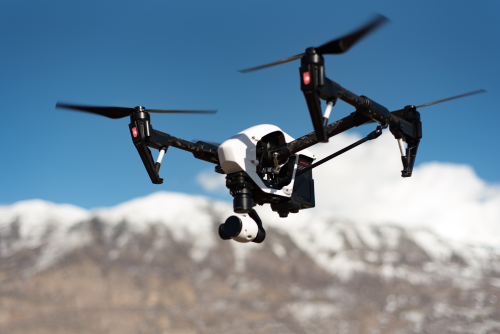
The best camera drones under $300 are no longer just toy flyers with shaky video and unreliable apps. If you buy carefully, you can get real 4K footage, GPS-assisted flight, and enough stability for YouTube B-roll, travel reels, and family videos. The catch is that under this budget, every drone is a tradeoff between ease, image stability, wind performance, and how much room you have to grow.
Quick Take
If you want one fast answer, here it is:
-
Best overall new buy: DJI Mini 4K
Best for buyers who care most about stable footage, travel-friendly size, and a proven flying experience. -
Best for solo creators and quick family clips: DJI Neo
Best for easy self-filming, quick launches, and low-stress casual use. -
Best non-DJI value pick: Potensic Atom SE
Best for buyers who want a lower-cost travel drone from an established budget brand with GPS and decent 4K results. -
Best used or refurbished value: DJI Mini 2
Still one of the smartest buys if you find a clean unit from a reputable seller. -
What I would skip:
No-name “4K” drones with no real GPS return-to-home, weak apps, and no parts support. They often look cheap upfront and expensive in frustration.
Best Camera Drones Under $300 at a Glance
| Drone | Best for | Typical place in the budget | Biggest strength | Main compromise |
|---|---|---|---|---|
| DJI Mini 4K | Best overall image and travel value | Top end of the budget | True stabilized footage with a 3-axis gimbal | Usually basic package only at this budget |
| DJI Neo | Solo creators, family clips, ease of use | Lower to mid budget | Very easy to launch, film yourself, and pack anywhere | Weaker wind performance and less cinematic scenery footage |
| Potensic Atom SE | Budget-conscious travel buyers | Mid budget | Good value, GPS, foldable design | Electronic stabilization instead of a full gimbal |
| DJI Mini 2 (used/refurb) | Best used buy | Varies by seller | Proven 4K quality and mature ecosystem | Battery health and warranty depend on seller |
What Actually Matters in a Sub-$300 Camera Drone
A lot of buyers focus on the wrong specs. Under $300, you should care less about flashy box claims and more about the basics that affect real footage.
1. Stabilization matters more than headline resolution
A gimbal is a small mechanical stabilizer that keeps the camera level while the drone moves. It makes a huge difference in how smooth your video looks.
A drone can claim 4K video, but if the footage wobbles or jitters, it will still look cheap. For YouTube, reels, and family memories, smooth footage beats inflated spec sheets every time.
2. GPS and return-to-home are worth paying for
GPS helps the drone hold position better and enables return-to-home, which means it can try to fly back to its takeoff point if signal is lost or battery gets low. That does not make it foolproof, but it makes it far more usable than toy-class drones.
3. Under 250g is helpful, but not a free pass
Many budget travel drones sit below 250g because that can reduce regulation friction in some countries. But it does not automatically mean “no rules.” Some places still require registration, operator IDs, training, or location-specific permission.
4. Most sub-$300 drones are daylight tools
You should expect the best results in bright conditions or soft golden-hour light. Low light is where cheap sensors fall apart fast, with mushy detail, noise, and weak dynamic range.
5. Reels creators should expect to crop
Most drones in this price band are still built around horizontal shooting. For travel reels and shorts, you will usually crop your footage vertically in editing. That means you want stable 4K footage and simple, predictable movement.
6. The ecosystem matters
A cheap drone is not a bargain if you cannot get: – spare batteries – replacement props – app updates – decent customer support – a controller that holds signal reliably
This is one reason established brands matter more than spec-sheet brands.
My Buying Baseline for This Budget
If you want a drone under $300 that is actually worth owning, this is the minimum standard I would use:
- Real GPS-assisted flight
- Return-to-home
- 4K video or, at minimum, very stable video from a reputable platform
- A controller or control method that is proven and easy to trust
- Good parts availability
- A realistic path to getting spare batteries
If a drone misses most of that list, it is probably not a good content tool.
Best Camera Drones Under $300
DJI Mini 4K
Best for: the strongest all-around footage under $300
If your main goal is to make your videos look better, the DJI Mini 4K is the easiest recommendation in this category. For scenic YouTube cutaways, travel landscapes, and family vacation clips, it gives you the most balanced mix of image quality, flight confidence, and portability.
The biggest reason it stands out is simple: it behaves like a real camera drone, not a toy.
Why it’s a top pick
- 3-axis gimbal stabilization gives smoother footage than most rivals in this budget
- Under-250g design makes it easy to pack for travel
- Reliable GPS flight behavior makes it easier for beginners to trust
- DJI ecosystem usually means better app polish, stronger support, and easier resale
Where it fits best
Choose the Mini 4K if you want: – YouTube B-roll, meaning scenic cutaway footage between your talking scenes – travel clips with slow pans and steady reveals – a first serious drone that still feels relevant later – a platform you can learn proper camera-drone basics on
What to watch out for
- At this budget, you are usually buying the basic package, not the battery-heavy combo
- It is not the best choice if your main goal is filming yourself quickly with minimal setup
- You should not expect premium obstacle avoidance features in this class
- Vertical reels usually mean cropping in post, not true native vertical capture
Who should buy it
Buy the DJI Mini 4K if your priority is best-looking footage per dollar in a new drone.
Who should skip it
Skip it if you mainly want: – very fast selfie-style clips – casual social content over scenic footage – built-in prop guards for low-stress family use
In those cases, the DJI Neo may fit you better.
DJI Neo
Best for: solo creators, beginner-friendly travel clips, and family use
The DJI Neo is one of the most interesting budget drones because it simplifies the entire experience. It is small, approachable, and designed for quick content capture rather than traditional “set up the controller and fly a landscape mission” use.
For a lot of buyers, that matters more than pure image quality.
Why it stands out
- Very easy to launch and use
- Great for self-filming
- Built-in prop protection makes it feel less intimidating around casual use
- Compact size makes it easy to bring anywhere
Where it fits best
Choose the Neo if you want: – quick travel reels – family activity clips – low-friction solo filming – a beginner drone that feels less technical
It is especially good for the buyer who wants to capture moments, not become a drone pilot as a hobby.
What to watch out for
- Wind performance is more limited than larger, more traditional camera drones
- Scenic cinematic footage is usually not as strong as what you get from the Mini 4K
- If you want to learn classic stick-flying and long scenic shots, it is not the strongest long-term platform
- Like most drones in this price band, it is still not a low-light tool
Who should buy it
Buy the DJI Neo if your real goal is easy content, not maximum drone-spec bragging rights.
Who should skip it
Skip it if you want: – the cleanest landscape footage in this budget – more traditional drone handling – the strongest “grow with me” option for aerial photography basics
Potensic Atom SE
Best for: buyers who want a cheaper, established non-DJI travel drone
If you do not want to stretch toward DJI pricing, the Potensic Atom SE is one of the better-known alternatives that still feels like a legitimate GPS camera drone rather than a disposable gadget.
It is not as refined as DJI’s best budget options, but it usually makes more sense than generic marketplace brands with big promises and weak real-world performance.
Why it makes the list
- Foldable and travel-friendly
- GPS-assisted flight
- Decent value for the money
- Usually easier to recommend than random low-cost “4K” drones
Where it fits best
Choose the Atom SE if you want: – a budget travel drone from a brand with some track record – a lower-cost entry point for basic aerial video – a backup drone or casual second drone – a controller-based flying experience without spending at the top of the category
The big compromise
The key tradeoff is stabilization. The Atom SE relies more on electronic image stabilization, often called EIS, rather than giving you the same kind of full mechanical gimbal experience as the Mini 4K or Mini 2.
That means footage can still look good in the right light and with smooth flying, but it is less forgiving.
Who should buy it
Buy the Potensic Atom SE if you want a practical budget travel drone and understand that you are trading some polish and smoothness for price.
Who should skip it
Skip it if your main priority is: – the most reliable image stabilization – the best app and ecosystem – footage that needs to look polished with less effort
DJI Mini 2 (Used or Refurbished)
Best for: buyers who want the smartest bang-for-buck buy
If you are open to the used or refurbished market, the DJI Mini 2 is still one of the strongest sub-$300 decisions you can make. In many markets, a clean Mini 2 from a trustworthy seller is a better content tool than many brand-new budget drones.
This is the drone I would tell many careful buyers to watch for.
Why it still holds up
- 4K video with a real 3-axis gimbal
- Under-250g travel-friendly class
- Mature platform with lots of owner knowledge
- Better real footage than many cheaper new drones
Where it fits best
Choose a used or refurb Mini 2 if you want: – strong value – real travel footage without stretching your budget – a first serious drone from a platform with proven results – better stability than many new low-cost alternatives
What to check before buying used
This matters a lot: 1. Battery health and how many cycles the batteries have 2. Controller condition 3. Any crash history 4. Gimbal behavior 5. Whether the drone activates normally 6. Whether local warranty or return options exist
A cheap used drone becomes expensive fast if you need new batteries immediately.
Who should buy it
Buy the Mini 2 if you are comfortable buying used and want the most proven camera quality per dollar.
Who should skip it
Skip it if you: – want a new product with a clean warranty – do not want to inspect used gear carefully – prefer the simpler self-filming style of the Neo
Which Drone Fits Your Content Style?
If you are stuck between these options, use your actual shooting habits to decide.
For YouTube creators
If your channel uses drone shots as scenic intros, transitions, or establishing shots, buy the DJI Mini 4K. A used DJI Mini 2 is the value alternative.
Why? Because YouTube B-roll benefits most from: – smoother gimbal footage – stable hovering – cleaner camera movement – better trust in the link and return-home behavior
For travel reels and shorts
If your content is mostly short, quick, personal, and social-first, the DJI Neo makes a lot of sense.
If your travel content is more place-focused than self-focused, the DJI Mini 4K is still the stronger pick.
For family videos
If safety feel and simplicity matter most, the DJI Neo is the easiest recommendation. It feels more approachable for quick use and casual memories.
If your family videos are more about vacations, beaches, scenic drives, and wide outdoor shots, the Mini 4K will age better.
For the buyer who wants the least regret
Buy the DJI Mini 4K if you want the safest all-around answer.
Buy the DJI Neo if you know you want fast, easy, personal clips.
Buy the DJI Mini 2 if you are willing to shop carefully used.
Limits to Know Before You Buy
This is where many first-time buyers get disappointed.
Under $300 does not get you everything
You are still giving up some important things:
- Low-light performance
- Robust obstacle sensing
- High wind confidence
- Advanced subject tracking on all models
- Premium color depth for heavy editing
- Big battery bundles inside the headline price
Your audio still comes from somewhere else
A drone is for visuals. If your YouTube video needs spoken audio, interviews, or ambient sound, you will still want a phone mic, wireless mic, or separate recorder.
Flight times are always shorter in the real world
Advertised flight times are best-case numbers. Real use with wind, movement, and safety landing buffer will be lower. If your budget is tight, factor at least one extra battery into the decision.
Cheap accessories can ruin a good buy
A bad memory card, weak charging setup, or low-quality replacement batteries can cause more problems than buyers expect.
Safety, Travel, and Compliance Checks Before You Fly
Because this article covers travel use and real flight activity, this part matters.
1. Verify local drone rules every time you travel
Drone rules vary widely by country and sometimes by city, park, beach, or protected area. Even a small drone may require: – registration – an operator ID – online training – flight approval – local permission for parks, monuments, or heritage sites
Do not assume your home-country rules apply abroad.
2. Under 250g does not always mean unrestricted
Some jurisdictions give lighter drones easier treatment, but others still regulate them heavily. Always verify with the local aviation authority before flying.
3. Check no-fly and sensitive areas
Airports, heliports, government sites, military areas, city centers, wildlife areas, stadiums, and national parks often have special restrictions.
4. Keep distance from people, roads, and moving traffic
Even if your drone is small, flying close to crowds, children, vehicles, or busy public spaces can create serious safety and legal problems.
5. Respect privacy
Family videos and travel content can create privacy issues fast. Avoid hovering close to private homes, hotel balconies, pools, beaches, or people who clearly did not consent to being filmed.
6. Travel with batteries correctly
Airlines commonly require drone batteries to travel in carry-on baggage, not checked luggage. Battery rules can differ by airline and country, so verify before the trip.
7. Paid work can trigger extra rules
If you plan to use your drone for client work, monetized content, tourism marketing, or business deliverables, your local rules may treat that differently from recreational flying. Verify before accepting paid work.
Common Mistakes Buyers Make
Buying “4K” instead of buying stability
A shaky 4K drone often looks worse than a better-stabilized drone with similar resolution.
Spending the whole budget on the drone body
Leave room for: – at least one extra battery – a reliable memory card – spare props – a case or safe way to carry it
Choosing a no-name drone with no ecosystem
If you cannot get parts, support, or reliable firmware updates, you do not really own a tool. You own a future headache.
Ignoring how you actually shoot
A scenic travel shooter and a solo creator do not need the same drone. Buy for your workflow, not just the best headline specs.
Expecting premium wind performance
Small drones are convenient, but they are still small. Coastal wind, mountain gusts, and rooftop turbulence can overwhelm entry-level platforms fast.
Forgetting that reels are edited, not magically captured
Most travel reels look good because the creator planned the shot, flew slowly, cropped thoughtfully, and edited cleanly. The drone helps, but the workflow matters just as much.
FAQ
Is a drone under $300 really good enough for YouTube?
Yes, if your drone footage is supporting footage rather than the entire production. A sub-$300 drone can give you solid establishing shots, travel B-roll, and family visuals. Your video will still depend heavily on story, editing, and audio quality.
What is the best new camera drone under $300 right now?
For most buyers, it is the DJI Mini 4K. It gives the best balance of stabilization, reliability, and travel-friendly usability in a new product.
Should I buy a new budget drone or a used DJI Mini 2?
If you trust the seller and can verify condition, a used DJI Mini 2 is often the better value. If you want cleaner warranty support and less risk, buy new.
Is the DJI Neo better than the DJI Mini 4K?
It depends on your use case. The Neo is better for quick solo filming and easy casual use. The Mini 4K is better for scenic footage, smoother travel video, and learning standard drone camera work.
Do I need a gimbal for travel reels?
You do not absolutely need one, but it helps a lot. A gimbal gives smoother footage and more usable clips. If your reels are scenery-heavy, a gimbal-based drone is usually worth prioritizing.
Can I fly these drones on vacation in any country?
No. Drone laws vary widely. Always verify aviation rules, park rules, privacy expectations, and battery transport rules before you travel.
Are cheap marketplace “4K drones” worth it?
Usually not, if your goal is dependable video. Many use inflated marketing language, weak stabilization, and poor apps. A proven entry model from DJI or Potensic is usually the smarter purchase.
How many batteries do I need?
For casual family clips, two batteries can work. For travel days or YouTube shooting, three is more comfortable. Real-world usable flight time is always lower than the marketing number.
Final Decision
If you want the safest recommendation, buy the DJI Mini 4K. If you want the easiest drone for quick personal content, buy the DJI Neo. If you want to save money without dropping into no-name territory, look at the Potensic Atom SE. And if you are willing to buy used carefully, a clean DJI Mini 2 may still be the smartest value in the whole category.
Before you click buy, decide one thing first: are you mainly filming places, or mainly filming yourself and your people? That answer will usually tell you which drone to get.