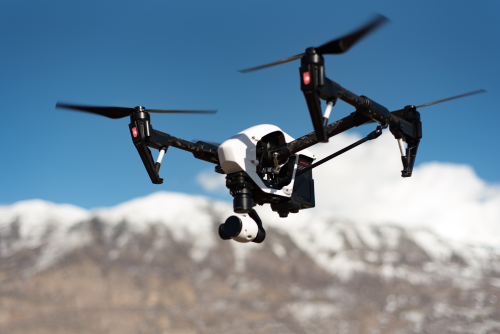
If you are shopping for the best camera drones under $500 for YouTube, travel reels, and family videos, the good news is that this budget now buys real capability, not just toy-grade flying cameras. The catch is that the market splits into two very different categories: stable mini camera drones for scenic footage, and ultra-simple selfie drones built for quick social clips. Choosing the right one depends less on spec-sheet hype and more on how you actually shoot.
Quick Take
For most buyers, the safest all-around pick is the DJI Mini 4K. If your content is more social-first and you want easier follow shots or family clips with less setup, DJI Flip or DJI Neo make more sense. If you want strong value without paying for the DJI ecosystem, the Potensic ATOM is one of the few budget alternatives worth real consideration.
| Drone | Best for | Why it stands out | Biggest limitation | Budget fit |
|---|---|---|---|---|
| DJI Mini 4K | Best overall | Stable footage, reliable flight behavior, proven beginner choice | No obstacle sensing, not ideal for vertical-first workflow | Usually fits comfortably |
| DJI Flip | Travel reels and family creators | Creator-friendly shooting modes with a more forgiving design | Base kit may fit the budget, combo kits often do not | Often fits in base package |
| Potensic ATOM | Best value alternative | Strong footage and portability for the money | Smaller ecosystem, weaker resale and support footprint than DJI | Usually fits comfortably |
| DJI Neo | Easy reels, walking shots, casual memories | Palm launch, simple follow-style capture, very low barrier to entry | Weaker landscape image quality and wind performance | Usually fits comfortably |
| HOVERAir X1 | No-controller family clips | Fast autonomous capture with almost no setup | Limited manual control and image quality | Usually fits comfortably |
| DJI Mini 3 (used or refurb) | Smart stretch option | Better creator workflow and vertical shooting if you buy carefully | Not consistently under $500 new | Often fits used or refurb |
Pricing varies by region, controller bundle, and sale cycle. In this price range, base kits often fit the cap, while fly-more bundles can push the same drone above it.
What actually matters in a camera drone under $500
A lot of buyers get trapped by headline claims like “8K,” “48MP,” or “5-mile range.” In real use, those numbers matter less than a few practical basics.
1. Stabilization matters more than resolution
A true mechanical gimbal usually beats higher advertised resolution with weak stabilization. For YouTube travel footage, smooth motion is what makes clips look expensive. A solid 4K or even 2.7K file with clean stabilization is more useful than shaky “8K” from a bargain-bin drone.
2. Your shooting style matters more than raw flight specs
Ask yourself what you will film most often:
- YouTube landscape videos: prioritize stable footage, reliable hovering, and cleaner scenic shots
- Travel reels: prioritize fast launch, compact size, and easy social editing
- Family videos: prioritize simplicity, prop protection, and safe, low-stress flying
- Walking or biking clips: prioritize tracking-style modes and quick follow capture
- Vacation b-roll: prioritize portability, battery life, and easy transport
3. Quick setup is a real feature
A drone that takes too long to unfold, connect, calibrate, and launch gets left in the bag. This matters more than most people admit. Social-first drones win here. Traditional mini camera drones win once you are in the air.
4. Batteries and accessories affect the true budget
Under $500 sounds straightforward until you add:
- spare batteries
- a proper microSD card
- a charger or charging hub
- a case
- propeller replacements
A great drone with one battery is frustrating on vacation. If possible, leave room in the budget for at least one spare battery and a reliable memory card.
5. Audio is not part of the drone deal
If you are making YouTube videos or family edits, remember that drone footage is mainly for visuals. Propellers ruin onboard sound. Plan to use music, voiceover, or audio captured separately from a phone or mic.
6. Sub-250 g helps, but it does not solve everything
Many of the best choices in this bracket are under 250 grams because that can reduce regulatory friction in some countries. But “lighter” does not mean “free from rules.” Registration, pilot competency, airspace restrictions, privacy limits, and park rules still vary widely.
Best camera drones under $500
DJI Mini 4K — best overall for most buyers
If you want one drone that can handle YouTube b-roll, vacation clips, and family travel footage without much drama, the DJI Mini 4K is the easiest recommendation. It behaves like a “real” camera drone, not a toy. You get the kind of stable, smooth footage that still matters more than flashy marketing language.
Why it works so well:
- reliable hovering and predictable flight behavior
- stabilized video that looks clean for scenic pans and reveals
- compact, travel-friendly form factor
- easy learning curve for first-time buyers
- strong app and accessory ecosystem
This is the best fit for buyers who care about cinematic-looking travel footage more than autonomous selfie tricks. It is especially good for:
- city and landscape b-roll
- beaches, coastlines, and viewpoints in calm conditions
- vacation recaps
- beginner YouTube channels that need dependable aerial inserts
The main compromise is creator workflow. It is better for horizontal video than vertical-first content, and it lacks the smarter safety features and hands-free capture some social creators now expect. It also does not make you crash-proof. There is no budget drone in this class that should be treated casually around trees, wires, or people.
Buy it if you want the strongest all-around mix of footage quality, portability, and reliability under the cap.
DJI Flip — best for creators who want easier social capture
DJI Flip is the most interesting pick in this budget range if your content sits between classic drone footage and quick creator filming. In base configuration, it can land under the $500 ceiling in some regions, and it gives you a more social-first experience than older entry-level camera drones.
Its appeal is simple: it is built for people who want useful footage fast.
Why it stands out:
- easier, more approachable shooting style than a traditional mini drone
- better fit for travel reels, creator clips, and family moments
- more forgiving design for casual use than fully open-prop mini drones
- stronger “take it out and use it now” energy than many budget drones
For buyers who want to film themselves, capture movement, and get more casual clips without immediately feeling like they are operating a tiny aircraft mission, Flip makes a lot of sense.
The tradeoff is value math. The base kit can fit the budget, but upgraded controller bundles or extras can quickly move it out of this category. It also should not be treated as a magic safety shield. A more forgiving design is not the same as full obstacle awareness or permission to fly close to people.
Choose DJI Flip if your priority is travel reels, creator-friendly shooting, and family-friendly ease, and if the base package still fits your real budget after batteries and storage.
Potensic ATOM — best value alternative to DJI
The Potensic ATOM is one of the few non-DJI drones in this price band that deserves serious consideration from practical buyers. If DJI pricing is high in your region, or you want strong value without dropping into toy-grade territory, ATOM is a sensible alternative.
What makes it compelling:
- compact sub-250 g form factor
- stabilized footage that is genuinely usable for travel edits
- beginner-friendly GPS-style flight experience
- good price-to-performance balance
- usually more budget headroom left for extra batteries
The biggest reason to buy it is simple: it gives you a lot of the experience people actually want from a small camera drone without forcing you to pay for the strongest brand ecosystem.
It is a good fit for:
- beginners buying their first real drone
- travel users who want a smaller spend but not a disposable experience
- buyers who care more about getting clean footage than brand prestige
The tradeoffs are mostly around the ecosystem. DJI still tends to be stronger in app polish, accessory support, resale confidence, and overall market trust. If you plan to upgrade later and resell your first drone, that matters.
Choose ATOM if you want one of the best value buys in the category and you are comfortable stepping outside the DJI default.
DJI Neo — best for easy reels, walking shots, and casual family moments
DJI Neo is not the best scenic camera drone here, but it may be the most fun and the easiest to actually use. That matters. A drone that leaves the bag every day often beats a technically better drone that stays packed because setup feels annoying.
Neo is strong for:
- short social clips
- casual follow-style shots
- travel diaries
- family moments where speed matters more than cinematic perfection
- buyers who are nervous about flying something larger
Its biggest strengths are low friction and accessibility. Palm-style launching, simple shooting modes, and a tiny footprint make it much more approachable than a standard mini drone. For travel reels and active memory capture, that is a real advantage.
But it is not a replacement for a more serious mini camera drone if your priority is wide scenic footage for YouTube. Image quality, wind performance, and overall “aerial cinema” feel are below what you get from something like the Mini 4K. Think of it as a better social tool than landscape tool.
Buy DJI Neo if your goal is to capture yourself, your friends, or your family more often with less setup, and you are willing to trade some image quality for speed and simplicity.
HOVERAir X1 — best for buyers who do not want to “learn drone flying”
HOVERAir X1 is the strongest fit for a specific buyer: someone who wants flying-camera moments, not a drone hobby. If that sounds like you, it can be more useful than a technically superior mini drone.
Why people like it:
- very fast autonomous capture
- little to no traditional piloting mindset required
- easy for family trips, hikes, and quick memory capture
- less intimidating for non-drone people
This is a “get the shot and move on” device. It is especially appealing for travelers, parents, and casual creators who mainly want short clips of themselves in motion.
The tradeoffs are important:
- weaker image quality than the best small gimbal drones
- limited manual creative control
- poor fit for windy coastlines, open lookouts, or dramatic aerial landscape work
- less useful if your goal is polished YouTube b-roll
In other words, it is excellent at being easy, but only fair at being cinematic.
Choose HOVERAir X1 if your top priority is effortless family and travel clips in calmer conditions, and you care more about convenience than classic aerial filmmaking.
DJI Mini 3 — smartest used or refurbished step-up
If you are willing to buy used or refurbished, the DJI Mini 3 is one of the smartest ways to stretch this budget. In many markets it is not consistently under $500 when bought new, but clean used units or reputable refurbished offers can bring it back into play.
Why it is worth hunting:
- stronger creator workflow than older entry-level minis
- very good travel form factor
- better fit for vertical content than many budget rivals
- meaningful step up if you want one drone for both YouTube and reels
This is the option for buyers who already know they care about content quality and flexibility, and who would rather buy a better older model than a flashy new budget model from a weaker brand.
If you shop this route, inspect carefully:
- Confirm the drone is not account-locked or owner-bound.
- Check battery health and swelling.
- Inspect the gimbal and arms for hard-crash damage.
- Make sure the controller, charger, and props are included.
- Prefer reputable refurb programs or sellers who allow testing.
If you can buy carefully, Mini 3 is often a better long-term decision than buying a cheap “spec monster” from an unknown marketplace brand.
Which one should you buy?
If you want the shortest possible answer:
- Buy DJI Mini 4K if you want the safest all-around recommendation.
- Buy DJI Flip if you are a creator-first buyer and the base package still fits your budget.
- Buy Potensic ATOM if you want value and do not need the DJI ecosystem.
- Buy DJI Neo if you want the easiest path to social clips and personal follow-style footage.
- Buy HOVERAir X1 if you want convenience above all else.
- Buy a used or refurbished DJI Mini 3 if you are comfortable shopping carefully and want the best stretch value.
If your budget is really closer to the low-$300 range, look at discounted entry-level mini drones rather than no-name “8K” marketplace specials. A cheaper drone from a proven ecosystem is usually the smarter buy.
Safety, travel, and compliance checks before you fly
Even for family videos and vacation clips, drone use is regulated activity in many places. Before buying, think beyond the product page.
What to verify
- whether your country requires registration for the drone or operator
- whether sub-250 g drones get lighter treatment or still require training
- where you are allowed to take off and land
- airspace restrictions near airports, cities, government sites, or events
- local rules on filming people, beaches, parks, and wildlife areas
- whether monetized or client work is treated differently from personal use
Travel basics
If you plan to fly on trips:
- check airline battery rules before packing
- keep spare batteries in carry-on luggage unless your airline states otherwise
- protect battery terminals and pack safely
- verify destination drone rules before departure, not at the airport
- remember that tourist landmarks often prohibit drone launches even when the wider airspace looks open
Family-video reality check
A drone with prop guards is still not a toy. Do not launch casually around children, crowds, roads, balconies, or uninvolved beachgoers. Keep visual line of sight, stay conservative in wind, and do not rely on automation to save a bad setup.
Common mistakes that cause buyer regret
Buying for advertised resolution instead of actual footage quality
Most regret starts here. A well-stabilized 4K drone from a trusted platform beats a shaky “8K” drone with weak stabilization and poor flight tuning.
Spending the whole budget on the drone only
A one-battery setup is limiting. Budget for at least:
- one extra battery
- a quality microSD card
- spare props
Expecting obstacle avoidance at this price
You may find some creator-friendly safety features, but under $500 is still a compromise zone. Assume you are responsible for avoiding trees, wires, signs, and people.
Buying a selfie drone for windy travel locations
If your dream trip is cliffs, coastlines, mountains, or exposed viewpoints, choose a proper mini camera drone over a self-flying social drone.
Ignoring the editing workflow
For YouTube, landscape footage is perfect. For reels, vertical workflow matters more. A drone can be excellent and still be a poor fit for your main platform.
Flying the first time on vacation
Practice at home first. The worst way to learn is at a once-in-a-lifetime location with wind, crowds, and limited battery time.
FAQ
Is a drone under $500 good enough for YouTube?
Yes, if you shoot in good light and use the drone for supporting footage rather than expecting cinema-drone performance. Stable flight, smart shot selection, and clean editing matter more than expensive gear.
Which drone under $500 is best for travel reels?
For the most balanced travel footage, DJI Mini 4K is still the safest pick. For faster, more personal, social-first clips, DJI Flip or DJI Neo are often better fits.
Is 4K necessary for family videos?
Not always, but it helps with longevity and cropping. More important than 4K alone is stabilization, ease of use, and whether the drone is simple enough that you will actually bring it along.
Can I use these drones indoors?
Only with care, and not all are good indoor choices. GPS-style camera drones are generally happier outdoors. Self-flying drones like DJI Neo or HOVERAir X1 are often better for limited indoor use, but you still need space, caution, and people awareness.
Should I buy new or refurbished?
New is simpler for first-time buyers. Refurbished or used can be excellent value, especially for a model like DJI Mini 3, but only if you can verify battery condition, account status, and physical health.
Do I need a drone with obstacle avoidance?
At this budget, treat obstacle features as a bonus, not a guarantee. They are not a substitute for careful flight planning and manual awareness.
What is the best first accessory to buy?
A spare battery is usually the smartest first add-on. After that, get a reliable microSD card and extra propellers. Filters and cases can wait if the budget is tight.
Can I travel internationally with a drone under $500?
Often yes, but rules vary by country and airline. Battery transport, customs handling, and drone operating permissions differ, so verify before packing.
Final decision
If you want one low-risk recommendation, buy the DJI Mini 4K. If your content is more about quick travel reels, walking shots, and family moments than classic aerial b-roll, lean toward DJI Flip or DJI Neo. If value matters most, Potensic ATOM is the budget alternative worth your attention. Then use whatever money is left on batteries, practice time, and learning where you can fly legally, because that is what turns a good purchase into footage you actually keep.