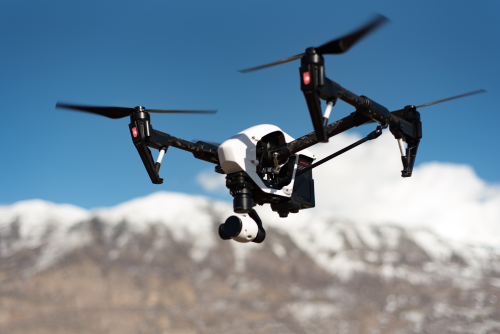
Shopping for the best drones for 4K video gets confusing fast because almost every decent drone now claims 4K. The real difference is not whether a drone records 4K, but how good that 4K looks, how easy the drone is to fly safely, and whether the footage fits your workflow. Buy on resolution alone and you can easily end up with shaky footage, weak low-light results, or a drone that is wrong for your travel, creator, or client needs.
Quick Take
If you want the short version, this is what actually matters before you buy a 4K drone:
- Prioritize sensor quality, gimbal stability, and color flexibility over the word “4K.”
- For most beginners and travel creators, a modern mini-class folding drone is the sweet spot.
- For regular client work, real estate, or more serious content production, mid-size and flagship camera drones are usually worth the extra cost.
- FPV drones are great for dynamic action shots, but they are not the best all-purpose 4K video tools for most buyers.
- Budget for batteries, filters, storage, repair support, and legal compliance, not just the aircraft.
- Always verify local flight rules, registration requirements, airspace restrictions, privacy rules, and airline battery limits before flying or traveling.
Which type of 4K drone fits you?
| If you are… | Best fit | Models buyers often compare | Why it fits | Main regret risk |
|---|---|---|---|---|
| A beginner, traveler, or casual creator | Mini-class camera drone | DJI Mini 4 Pro and similar mini folding drones | Light, portable, easy to carry, strong video for the size | Can struggle more in wind and demanding pro work |
| A serious creator, solo operator, or small business | Mid-size all-rounder | DJI Air 3, Air 3S, Autel EVO Lite+ class | Better wind handling, often more lens flexibility, stronger all-around shooting | Less travel-friendly and often more expensive to outfit properly |
| A higher-end commercial shooter | Flagship camera drone | DJI Mavic 3 Classic, Mavic 3 Pro class | Better image quality, more grading room, more professional feel | Higher cost, heavier kit, more painful if damaged |
| An action, sports, or chase shooter | FPV drone | DJI Avata 2 or custom FPV with action camera | Fast, immersive, dramatic movement | Harder learning curve, not ideal for stable all-purpose coverage |
Why “4K” is the wrong place to start
In 2026, 4K is no longer the useful separator it once was. Many drones can record 4K. That does not mean they all deliver the same result.
Two drones can both shoot 4K and still look completely different because of:
- sensor size
- lens quality
- color depth
- dynamic range
- codec efficiency
- gimbal quality
- wind resistance
- low-light handling
- pilot assistance and tracking
- how well the footage survives editing
A cheap or badly matched 4K drone may produce footage that looks sharp in perfect midday light but falls apart in shadows, highlights, motion, or color grading. A better drone may look cleaner, smoother, and more “professional” even if both files are technically 4K.
So the real buying question is this: what kind of 4K video do you need to produce, in what conditions, and for how much effort?
What actually matters before you buy
Sensor size and lens quality matter more than headline resolution
A larger sensor generally captures more light and holds detail better in bright skies, dark shadows, and difficult lighting. That matters more than most buyers expect.
Why it matters:
- Better dynamic range means less blown-out sky and less muddy shadow detail.
- Low-light footage usually looks cleaner.
- Color transitions look more natural.
- The image tends to hold up better when edited.
For many buyers, a modern 1/1.3-inch class sensor is already very good. If you shoot often at sunrise, sunset, indoors near windows, or for higher-value client work, moving up to a larger-sensor drone can be worth it.
Also pay attention to lens behavior, not just sensor size:
- Is the field of view too wide for your taste?
- Do you need a second lens or tele lens for safer framing from farther away?
- Does the image look natural, or too distorted at the edges?
A second lens is often more useful than people think, especially for real estate, travel storytelling, construction, and scenes where you cannot safely fly close.
Bit depth, codec, and color profile decide how editable your footage is
This is where a lot of buyers either overspend or underbuy.
In plain English:
- 8-bit video gives you less room to push color and exposure in editing.
- 10-bit video stores more color information and is safer if you like grading.
- Log or flat profiles preserve more highlight and shadow information, but they usually need color correction before they look finished.
- H.265/HEVC files are efficient, but can be heavier on older computers.
If you mostly want quick social clips with minimal editing, standard color profiles may be enough.
If you edit in Premiere Pro, Final Cut, DaVinci Resolve, or deliver client work, 10-bit capture is one of the most useful upgrades you can buy. It makes skies, water, skin tones, and shadow recovery much more forgiving.
A common buyer mistake is paying extra for advanced recording options and then never using them. Be honest about your workflow. If you do not grade footage now and do not plan to learn, do not let pro codecs alone make your decision.
Frame rate matters, but only if it matches how you shoot
Most buyers think in terms of “Can it do 4K?” Better questions are:
- Can it shoot the frame rates I actually use?
- Can it shoot them without heavy crop or quality penalties?
- Do I need smooth slow motion or just clean standard footage?
If you mostly publish talking-head B-roll, real estate tours, travel scenes, or YouTube videos, regular frame rates are enough.
If you want cinematic slow motion, sports coverage, water movement, or reveal shots with more drama, higher frame rates in 4K can matter. Just remember that more frame rate is not automatically better. It changes shutter settings, storage use, and the look of motion.
A real 3-axis gimbal beats “electronic stabilization” for most buyers
For camera drones, stable footage is non-negotiable. A proper 3-axis mechanical gimbal is still one of the biggest reasons aerial footage looks polished.
Why it matters:
- It smooths out drift and small movement.
- It keeps horizon lines cleaner.
- It helps footage look professional even when the pilot is still learning.
- It makes slow, deliberate moves easier to capture.
This is also why FPV and standard camera drones should not be confused. FPV footage can look exciting and cinematic, but it has a different feel. If you need calm, floating, repeatable shots, a regular gimbal drone is the better tool.
Wind performance affects real-world video more than spec sheets suggest
The drone that looks perfect in a product video may feel much less impressive on a breezy beach, cliff, rooftop, or open field.
Stronger wind handling matters because it improves:
- footage smoothness
- pilot confidence
- safety margins
- battery efficiency
- the ability to hold framing on location
Mini drones are excellent today, but physics still matters. If you often shoot on coastlines, mountains, open landscapes, or larger job sites, a slightly bigger drone may save you a lot of frustration.
Obstacle sensing and tracking are useful, but not magic
For solo creators, good tracking and obstacle sensing can be a major quality-of-life upgrade. They help with follow shots, reveal shots, and repeatable movement.
But treat these systems as assistance, not permission.
They can still be caught out by:
- thin branches
- wires
- low light
- reflective surfaces
- fast side movement
- gaps that look safe but are not
If you are buying your first drone, good obstacle sensing is a practical feature worth paying for. If you are buying for commercial work, it is helpful, but it should not replace disciplined planning.
Battery ecosystem and charging reality matter a lot
Marketing flight times rarely match real shoots. Wind, temperature, climbing, aggressive flying, and repeated setups all cut into usable time.
For most buyers, the question is not “How long does one battery last?” It is:
- How many takeoffs and setups can I complete in a session?
- Can I charge in the field?
- How painful is it to keep this kit powered while traveling?
A drone that is slightly cheaper but has expensive batteries, awkward charging, or weak accessory support can become annoying fast.
As a buying rule, most video-focused owners should plan for at least:
- multiple batteries
- a good charger or charging hub
- fast memory cards from a trusted brand
- spare propellers
- ND filters if shooting in bright daylight
Controller experience is part of image quality
A good controller helps you get better footage because it makes it easier to fly precisely.
Pay attention to:
- screen visibility outdoors
- stick feel
- app reliability
- map and airspace awareness features
- speed of setup
- whether you trust the connection
A drone can have a great camera and still be unpleasant to use if the controller workflow slows you down or makes you nervous. That matters more than many buyers realize.
Repair support, local availability, and total ownership cost
A drone is not just a camera purchase. It is an ecosystem purchase.
Before you buy, check:
- how easy spare batteries are to find
- whether props, arms, and chargers are available in your region
- whether local service or warranty support exists
- how long you can realistically wait if something breaks
- whether you are comfortable flying a drone that is costly to repair
For professional users, downtime matters almost as much as image quality.
The best choice depends on what you shoot
Best for most beginners and travel creators: mini-class camera drones
If your priority is travel, portability, easy packing, and strong video in a small package, mini-class drones are hard to beat. This is where buyers often compare drones like the DJI Mini 4 Pro.
Why this category is usually the smartest first buy:
- easier to carry everywhere
- less intimidating to fly
- better for hikes, trips, and city travel
- good enough video for YouTube, social media, tourism, and many small business needs
- some models add useful creator features like strong tracking and vertical capture
Who should choose this class:
- beginners
- travel creators
- hobbyists
- tourism marketers
- casual real estate shooters
- people who value convenience over maximum image flexibility
Who may outgrow it:
- operators working in strong wind regularly
- buyers needing the best low-light performance
- shooters who need more lens options
- people doing frequent paid client work with demanding deliverables
Best for most serious creators and solo businesses: mid-size all-rounders
This is the category many buyers end up happiest with if they can afford it. It is the sweet spot between portability and stronger production value. Buyers often compare drones like the DJI Air 3, Air 3S, and regionally available alternatives in the same class.
Why this category works so well:
- better wind confidence than mini drones
- often better lens flexibility
- more stable “serious tool” feel
- stronger fit for real estate, tourism, branded content, and regular creator use
- usually a better long-term buy if you already know you will use the drone often
This class makes sense if the drone is not just a fun purchase, but a tool you expect to use consistently.
Best for premium quality and higher-value client work: flagship camera drones
If you need the cleanest image, more grading room, and a stronger commercial feel, flagship camera drones are where you should look. Buyers often compare drones in the DJI Mavic 3 Classic and Mavic 3 Pro class.
This category suits:
- high-end real estate teams
- production companies
- tourism brands
- commercial content creators
- operators who need better highlight and shadow handling
- buyers who want a drone they are less likely to outgrow quickly
Why not everyone should buy one:
- much higher total cost once batteries and accessories are added
- heavier travel burden
- often overkill for casual social media use
- more painful financially if you crash or damage it
If you only post occasional travel clips, this class is usually unnecessary. If paid work is part of the plan, it can make sense.
Best for action and chase footage: FPV drones
FPV drones are amazing when you need speed, energy, or an immersive point of view. Buyers often look at the DJI Avata 2 or custom FPV builds with an action camera.
FPV is the right answer if your goal is:
- dynamic sports footage
- vehicle chase shots
- indoor fly-through style visuals
- dramatic motion that a standard camera drone cannot replicate
FPV is usually the wrong answer if you need:
- calm cinematic hovering shots
- easy travel use
- straightforward real estate coverage
- beginner-friendly flying
- simple, low-stress operation
It is a specialized tool, not the best general 4K video drone for most people.
A 10-minute pre-purchase checklist
Before you click buy, do this:
-
Define your main output.
Social clips, YouTube, real estate, inspections, tourism, or brand work all reward different features. -
Decide how much editing you really do.
If you color grade, prioritize 10-bit and log. If you do not, put more weight on convenience and quick turnaround. -
Choose your size class honestly.
Travel-first buyers often do best with a mini drone. Regular commercial shooters often regret buying too small. -
Budget for the full kit.
Add batteries, charger, memory cards, spare props, filters, case, and possibly insurance. -
Check repair and support in your region.
A great drone with weak after-sales support can become a bad purchase quickly. -
Verify legal and location realities.
Make sure you can actually fly where you plan to shoot. -
Watch real sample footage on a large screen.
Not just social clips. Look at shadow detail, sky handling, motion, and noise. -
Think one year ahead.
If you know paid work, stronger wind conditions, or more demanding clients are likely, buy for the next stage, not just today.
Common mistakes people make when buying a 4K drone
Confusing 4K with image quality
Resolution is only one piece. A better sensor and better stabilization usually improve footage more than a higher marketing number.
Buying for the rare shoot instead of the normal one
Do not buy a large, expensive drone for the two times a year you imagine doing “cinematic” work if most of your real use is travel and casual creation.
Underbudgeting batteries and accessories
A drone with one battery is rarely a satisfying video kit.
Ignoring low-light reality
Many consumer drones look great in good daylight and much worse after sunset. If dawn, dusk, or darker scenes matter to you, step up in sensor class and keep expectations realistic.
Assuming obstacle avoidance makes risky shots safe
It does not. Wires, branches, and tight gaps remain dangerous.
Choosing FPV for work that needs repeatable smooth shots
FPV looks incredible when used well, but it is not the easy answer for real estate, tourism, or general brand content.
Treating sub-250 g as a universal legal loophole
It is not. Lighter drones can reduce friction in some countries, but rules still vary widely.
Safety, legal, and operational limits to know
A 4K camera does not change the fact that a drone is an aircraft. Before flying, especially for travel or commercial work, verify the rules that apply where you are.
Key points to check:
- Registration and pilot requirements: These vary by country and by drone weight or use case.
- Remote identification or electronic ID rules: Some regions require it, some exempt certain classes, and some apply it differently.
- Airspace restrictions: Airports, military zones, city centers, events, protected sites, and critical infrastructure often have extra rules or outright bans.
- Commercial activity rules: In some places, commercial and recreational flying are treated differently. In others, the main difference is operational risk, not payment.
- Privacy and filming consent: Recording people, homes, resorts, or private venues may trigger privacy, property, or venue rules even if the flight itself is legal.
- Travel and batteries: Airline rules for lithium batteries vary by carrier and country. Carry-on limits, terminal protection, and battery quantity rules should be checked before you travel.
- Parks and protected areas: Local park, heritage, or conservation authorities may impose separate restrictions beyond aviation law.
If you fly FPV, verify whether your jurisdiction requires additional operational measures such as a visual observer or stricter line-of-sight expectations.
Also remember that safe aerial video is not just about rules. It is about judgment: weather, crowds, emergency landing options, and whether the shot is worth the risk.
FAQ
Is 4K enough for YouTube and client work?
Yes, in most cases. Clean, stable, well-exposed 4K is still more than enough for YouTube, social media, real estate, tourism, and many commercial deliverables. Footage quality, color handling, and camera movement matter more than jumping to higher resolutions.
Do I need 10-bit color and log profiles?
Only if you edit enough to benefit from them. If you grade footage, match shots, or deliver to clients, 10-bit is very useful. If you want fast, ready-to-post clips, a good standard color profile may be enough.
Is a sub-250 g drone automatically easier legally?
Not automatically. In some countries it can reduce registration or operational friction, but not everywhere. Location rules, privacy rules, airspace restrictions, and local takeoff bans can still apply. Always verify the specific rules where you plan to fly.
How many batteries should I buy for video work?
More than one. For casual use, three batteries is a comfortable starting point. For client work or travel days with multiple locations, many operators want enough power for a full session without relying on uncertain field charging.
Do I need ND filters for 4K video?
If you care about natural-looking motion in bright daylight, probably yes. ND filters reduce light so you can keep more cinematic shutter settings. They are not mandatory for everyone, but many video shooters consider them essential kit.
Should I buy an FPV drone or a regular camera drone?
Buy a regular camera drone if you need stable, versatile footage and easier operation. Buy FPV only if dynamic movement is a major part of your style or deliverables. For many creators, the best setup is a standard camera drone first, FPV later.
Is it better to buy an older flagship or a newer mid-range drone?
It depends on your priorities. An older flagship may offer better image quality and a more “pro” feel. A newer mid-range drone may offer better tracking, smarter safety features, and a more modern workflow. If you travel often and work solo, newer mid-range models can be the smarter buy.
Can a mini drone be used for paid work?
Yes, often. Many mini drones are capable enough for social campaigns, tourism clips, real estate socials, and small business content. But strong wind, demanding clients, low-light scenes, and heavier production expectations are where their limits show faster.
The buying move that saves the most regret
Do not ask, “Which drone shoots 4K?” Ask, “Which drone class fits the way I actually shoot?” If you choose the right class for your travel, workflow, wind conditions, editing habits, and legal reality, the best drone for 4K video becomes much easier to spot.