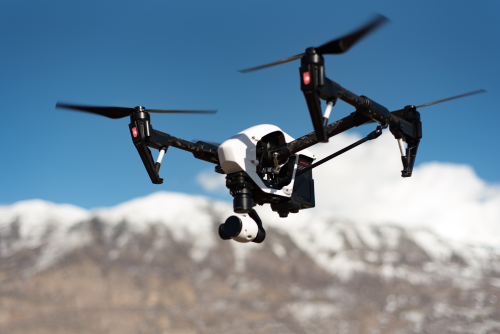
The best drones for adventure sports are not automatically the smallest, fastest, or most expensive. The right choice depends on how you actually shoot: a beginner who wants safe travel footage, a creator who needs dynamic follow shots, or a working pro delivering client-ready edits. This guide breaks down the best drones for adventure sports by real-world fit, so you can choose the right tool without buying into the wrong category.
Quick Take
If you want one simple answer, here it is: the DJI Mini 4 Pro is the best all-round adventure sports drone for most buyers, especially beginners and travel creators. If you need stronger wind performance and more creative flexibility, step up to the DJI Air 3S. If your priority is immersive action footage, the DJI Avata 2 is the right FPV-style pick. For solo athletes who want easy hands-free clips, the DJI Neo is the simplest entry point. For paid commercial work, look at the DJI Mavic 3 Pro, and only consider the DJI Inspire 3 if you run high-end productions with crew, permits, and budget.
These are not ranked by hype. They are ranked by fit.
| Drone | Best for | Why it stands out | Main tradeoff |
|---|---|---|---|
| DJI Mini 4 Pro | Beginners, travelers, lightweight creators | Best balance of portability, camera quality, and ease of use | Small body is less confidence-inspiring in strong wind or aggressive chase shots |
| DJI Air 3S | Serious creators and frequent outdoor shooters | Better all-round performance and more flexible framing than mini-class drones | Bigger bag, more cost, more regulatory friction in some markets |
| DJI Avata 2 | FPV-style action storytelling | Dynamic, immersive footage with protected props | Different workflow, shorter endurance, still needs training |
| DJI Neo | Solo athletes, casual users, social clips | Extremely easy to launch, carry, and use | Limited wind performance and limited headroom for pro results |
| DJI Mavic 3 Pro | Solo professionals and brand work | More lens flexibility and stronger professional workflow fit | Expensive, larger, and often overkill for hobby buyers |
| DJI Inspire 3 | Commercial teams and cinema-grade productions | Serious production platform for high-end work | Cost, crew needs, travel complexity, and compliance overhead |
Key Points
- Buy for the shot style, not the spec sheet.
- Follow modes are helpful, not magical. Trees, cliffs, snow, glare, and speed can break tracking.
- Adventure sports and FPV are not the same thing. Many buyers need a stable camera drone, not a goggles-first setup.
- Portability matters more than many people expect. The drone you actually carry beats the one you leave in the car.
- No mainstream adventure drone is truly waterproof. Water sports demand extra caution.
- Rules vary by country, park, venue, and event. Always verify before flying, especially for commercial work.
How to choose the right drone for adventure sports
Start with the kind of shot you want
Most buyers make the same mistake: they shop by headline features instead of the shots they need.
Ask yourself which of these sounds most like your real use:
- Scenic support footage: wide reveals, trail flyovers, summit shots, camp scenes, slow-moving athletes
- Solo follow clips: jogging, hiking, road cycling, light trail use, travel vlogs
- Dynamic chase footage: mountain biking, snow sports, motocross, aggressive terrain
- Commercial hero shots: tourism, outdoor brands, documentaries, event coverage
- Fast social content: quick launch, short clips, minimal setup
Once you know the shot style, the shortlist gets much smaller.
The buying filters that matter most
1. Piloted shots or automated follow?
If you mostly fly scenic shots with time to reposition, a standard camera drone is usually best. If you want the drone to track you while you move, you need good subject tracking and enough safety margin around trees, cliffs, poles, cables, and spectators.
Important reality check: automated follow is not a substitute for pilot skill. It can fail when lighting changes, terrain gets complex, or the subject is partially hidden.
2. Do you need a light travel drone?
For hiking, international trips, and mixed-use travel, size matters a lot. Smaller drones are easier to pack, charge, and justify carrying. In some countries, lighter drones may also reduce regulatory burden, but that is not universal, so verify locally.
3. How close to the action will you fly?
If you want tight, flowing movement through trees, around terrain, or near riders, an FPV-style platform makes more sense than a standard GPS camera drone. If you want safer stand-off distance and cleaner scenic footage, a standard camera drone is usually the better buy.
4. Is your output social, YouTube, or paid client work?
If you mainly post short-form clips, you can accept more limitations in camera flexibility. If clients expect usable footage in changing light, multiple framing options, and room for color grading in post, you need more headroom.
5. How painful would a crash be?
Adventure sports create exactly the conditions that expose weak buying decisions: wind, dust, snow, trees, cliffs, moving subjects, rushed setup, and remote locations. If one crash or one lost drone would end the trip, buy conservatively.
Best drones for adventure sports
DJI Mini 4 Pro
Best overall for beginners and travel creators
For most people shopping the best drones for adventure sports, this is the safest recommendation. The Mini 4 Pro is small enough to carry almost anywhere, capable enough to produce genuinely polished footage, and simple enough that beginners can grow into it instead of outgrowing it immediately.
Why it works well:
- Easy to pack for hiking, skiing trips, road travel, and mixed creator setups
- Strong balance of photo and video quality for its size
- Good fit for scenic shots, trail coverage, travel edits, and moderate tracking
- Beginner-friendly flight experience compared with FPV systems
- Big ecosystem for batteries, cases, filters, props, and tutorials
Where it fits best:
- Hiking and trekking
- Trail running with wide safety margins
- Travel adventure content
- Snow trips where you mainly want scenic support shots
- Solo creators who need one drone for many jobs
Who should skip it:
- Riders who want very tight chase footage through trees
- Pilots regularly flying in stronger mountain wind
- Commercial operators who need more lens flexibility or more post-production headroom
- Anyone who expects it to behave like an FPV drone
The Mini 4 Pro is the drone many buyers should start with because it teaches the right habits without forcing a heavy kit.
DJI Air 3S
Best for serious creators who want a noticeable step up
If the Mini class feels a little too compromised for your use, the Air 3S is the next sensible move. It is still portable, but it feels more like a tool built for people who regularly shoot outdoors and want more confidence in changing conditions.
Why it stands out:
- Better all-round creator platform than a mini drone
- More framing flexibility for storytelling
- Better fit for travel films, YouTube work, tourism content, and outdoor brand shoots
- Usually a stronger choice when locations are windy, bright, or visually complex
Best use cases:
- Adventure travel creators who publish often
- Landscape-heavy sports footage
- Overlanding, road trips, trail and coastal content
- Ski, snowboard, or MTB edits where you want both wide scenic shots and cleaner medium framing
Watch-outs:
- Larger and heavier to pack
- More expensive batteries and accessories
- In some markets, the bigger class can bring more compliance steps
- Still not the right tool for aggressive close-range chase flying
If you know you will use the drone a lot and care about higher-end-looking footage, the Air 3S is one of the easiest upgrades to justify.
DJI Avata 2
Best for immersive action storytelling and beginner-accessible FPV
FPV means first-person view, where the pilot typically flies using goggles for a more direct, dynamic perspective. For adventure sports, FPV is what gives you those flowing chase shots, terrain dives, and high-energy sequences that standard camera drones struggle to produce.
The Avata 2 is the easiest mainstream entry point into that style.
Why it works:
- Designed for dynamic movement and immersive footage
- Protected propellers make minor contact less catastrophic than on exposed-prop drones
- Better suited to tight terrain and action-oriented movement than a standard camera drone
- More approachable than building and tuning a traditional custom FPV setup
Best fit:
- Mountain biking
- Ski and snowboard follow shots
- Action-heavy tourism videos
- Creators who want movement and speed, not just scenic footage
- Buyers willing to practice before flying around terrain
Limits to understand:
- It still has a learning curve
- Battery life is usually shorter than standard camera drones
- The footage style is more “action camera in the sky” than classic aerial cinema
- It does not replace a Mini or Air for all-purpose travel work
- In many places, using goggles may require a visual observer or spotter to help maintain compliance
The Avata 2 is not the best first drone for everyone. But if the shots in your head are dynamic, low, and fast, this is the right category.
DJI Neo
Best for ultra-simple solo clips and casual adventure use
The Neo is the easiest drone on this list to carry and use. It makes sense for solo athletes, casual travelers, and buyers who want something closer to a flying camera companion than a traditional drone workflow.
Why it appeals:
- Very small and easy to bring anywhere
- Fast launch workflow
- Useful for quick social clips, travel snippets, and casual follow content
- Lower barrier to entry than larger camera drones or FPV systems
Good fit for:
- Walks, hikes, city travel, casual cycling, beach trips, and simple social content
- Users who want short clips without building a full drone kit
- Buyers who know they will not spend much time learning manual camera work
Where people get disappointed:
- Wind can become a major problem
- Image quality and flexibility are limited compared with Mini, Air, or Mavic models
- Not ideal for complex terrain or faster sports
- Not suitable for serious commercial expectations
The Neo is a convenience-first drone. If you value ease over maximum quality, it is one of the most realistic adventure companions. If you want footage that can carry a full travel film or client project, move up.
DJI Mavic 3 Pro
Best for solo professionals shooting paid adventure work
If you film for tourism brands, outdoor companies, lodges, guides, or adventure events, the Mavic 3 Pro is the more realistic professional buy than jumping straight to a cinema platform. It offers a better balance of mobility and professional output than larger crew-oriented systems.
Why pros choose it:
- More lens flexibility than entry-level and midrange drones
- Better fit for professional deliverables and varied shot lists
- Strong platform for destination campaigns, outdoor brand work, and higher-end creator-commercial crossover
- Easier to travel with than an Inspire-class setup
Best use cases:
- Tourism and hospitality marketing
- Adventure brand shoots
- Documentary support
- Solo operator commercial work where speed matters
Why it is not for everyone:
- Larger, more expensive, and less forgiving as a first buy
- Replacement cost is harder to stomach
- Still not the best tool for very close dynamic pursuit
- More gear to manage in the field
If adventure sports are part of your business rather than your weekend, the Mavic 3 Pro is where the conversation starts getting professional.
DJI Inspire 3
Best only for high-end productions with crew, permits, and budget
For most readers, this is not the answer. But for agencies, production companies, and serious commercial teams shooting premium outdoor campaigns, it belongs on the list.
Why it matters:
- Built for top-tier production workflows
- Better fit for large commercial sets and demanding post pipelines
- Makes sense when aerial footage is central to the project, not an add-on
Why most buyers should avoid it:
- Expensive to buy, move, insure, and maintain
- Travel and setup are much more complex
- Often requires more crew discipline and stronger operational planning
- Overkill for social, YouTube, or solo adventure content
Only shortlist the Inspire 3 if your work already justifies cinema-grade production overhead.
Which drone fits your sport?
Hiking, trekking, travel adventure
Best picks:
- DJI Mini 4 Pro
- DJI Air 3S
These sports reward portability, fast setup, and scenic image quality more than aggressive tracking.
Skiing and snowboarding
Best picks:
- DJI Avata 2 for dynamic chase footage
- DJI Mini 4 Pro or Air 3S for scenic support shots
Snow creates glare, changing contrast, wind, and reduced depth cues. Follow modes can struggle, and emergency landing options may be poor.
Mountain biking and trail riding
Best picks:
- DJI Avata 2 for action-led storytelling
- DJI Air 3S for safer stand-off coverage and scenic sequences
Dense trees, terrain changes, and speed make this one of the hardest categories for standard camera drones.
Surf, kayak, paddle, sailing, and water sports
Best picks:
- DJI Air 3S or Mavic 3 Pro from experienced operators
- Avoid relying on tiny autonomous drones offshore
No mainstream pick here is waterproof, and water recovery is often impossible. Launch and recovery matter as much as the drone itself.
Adventure brand and tourism production
Best picks:
- DJI Mavic 3 Pro for solo professionals
- DJI Inspire 3 for full production teams
- DJI Avata 2 as a second drone for dynamic inserts
Many commercial adventure shoots are strongest with a two-drone setup: one stable aerial platform and one FPV-style action tool.
Safety, legal, and operational limits to check before you fly
Adventure sports drone use crosses into several risk areas quickly. Before you buy, assume nothing and verify everything.
-
Check national aviation rules – Registration, pilot competency rules, remote identification, altitude limits, and airspace restrictions vary widely.
-
Check the local land or venue rules – National parks, ski resorts, beaches, marinas, race venues, protected areas, and private estates often have their own restrictions even if airspace is otherwise flyable.
-
Do not assume follow mode makes a flight legal – In many places, you still need to maintain visual line of sight and keep separation from uninvolved people and restricted areas.
-
Be extra careful around people, lifts, roads, and events – Flights over crowds or near public infrastructure often bring tighter rules and higher risk.
-
Treat water, snow, cliffs, and forests as hazard multipliers – Reflections, poor GPS conditions, low contrast, gusts, and limited emergency landing zones can turn an easy flight into a loss.
-
For paid work, verify commercial requirements – Depending on the country and the job, you may need additional permissions, insurance, operating procedures, or client-approved safety documents.
Also remember this simple truth: a drone that is technically capable may still be the wrong choice for the location.
Common mistakes buyers make
Buying the fastest-looking drone instead of the right drone
Adventure sports buyers often overestimate how much FPV they really need. If your actual goal is travel edits and scenic storytelling, a Mini or Air may serve you far better than an FPV-first setup.
Trusting tracking too much
Subject tracking is useful, but it is not a co-pilot. Trees, cliffs, dust, snow, and sudden direction changes can break it at the worst moment.
Ignoring wind performance
Mountain viewpoints, ridgelines, beaches, and alpine snowfields expose weak choices quickly. Small drones are amazing travel tools, but they do have limits.
Forgetting battery and charging reality
Adventure days are long. If your charging plan is weak, your shooting day gets short fast. Think about field charging, travel power, cold weather battery behavior, and how much gear you are willing to carry.
Assuming “water resistant enough”
For mainstream adventure drones, the safe assumption is simple: do not treat them as waterproof.
Buying a pro drone with no pro workflow
A bigger drone only pays off if you can use the extra image flexibility, manage the gear, and absorb the replacement cost. Otherwise it becomes expensive baggage.
FAQ
Is a sub-250g drone always the best choice for adventure travel?
Not always. A lighter drone is easier to carry and may reduce regulatory burden in some countries, but it can also give up wind confidence, battery endurance, and image flexibility. If your trips involve exposed ridgelines, coasts, or frequent client work, a larger drone may be worth it.
What is the best drone for skiing or snowboarding?
For scenic shots and general travel use, the DJI Mini 4 Pro or DJI Air 3S are strong choices. For dynamic chase footage, the DJI Avata 2 is the better tool. The right answer depends on whether you want wide cinematic support shots or close action sequences.
Should a beginner buy an FPV drone first?
Usually no. Most beginners are better served by a standard camera drone first, because it builds flight judgment, planning habits, and camera basics with less complexity. Choose FPV first only if you are committed to simulator practice and specifically want action-style footage.
Are follow-me drones legal everywhere?
No. Rules vary by country, and venue-level restrictions can matter as much as aviation rules. In many places, automated tracking does not remove requirements around visual line of sight, separation from people, and restricted airspace. Always verify locally.
Can I use a drone for surfing or kayaking?
Yes, but with caution. Water is one of the highest-risk environments because recovery is unlikely and launch or landing may be awkward. Stronger drones flown by experienced operators are usually safer than tiny autonomous models in these conditions.
What is the best drone for mountain biking footage?
If you want dynamic, close, flowing action, the DJI Avata 2 is the better fit. If you want a safer stand-off distance with scenic context, the DJI Air 3S is a smart choice. For casual trail coverage and travel use, the Mini 4 Pro can still work well if you keep your expectations realistic.
Do I need insurance for paid adventure sports drone work?
In some countries or contracts, yes, and even where it is not mandatory, many professionals treat it as essential. Client work can also require proof of registration, pilot competency, risk assessment, and location permissions. Verify the local rules and the client’s requirements before the shoot.
If I can only buy one drone, which one should I get?
For most buyers, get the DJI Mini 4 Pro. It is the safest all-round purchase for travel, learning, creator work, and general adventure use. Only step outside that answer if you clearly need FPV action footage, stronger pro deliverables, or a more robust creator workflow.
The best next move
If you are still undecided, choose by workflow, not ambition. Buy the Mini 4 Pro if you want the smartest all-rounder, the Air 3S if you know you will push harder on quality and conditions, the Avata 2 if action movement is the whole point, and the Mavic 3 Pro if your adventure footage already supports paid work. Then verify the rules for the places you actually fly, because the best drone on paper is useless in the wrong location.