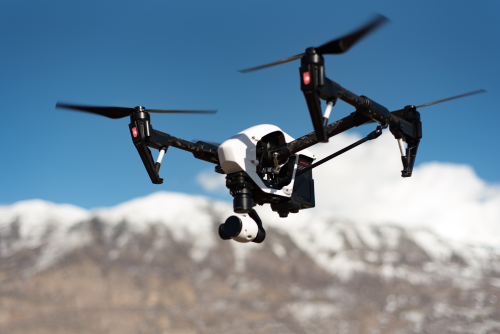
Beach trips expose the gap between a drone that looks good on a spec sheet and one that actually works on the coast. Wind, sand, salt spray, crowded shorelines, and travel logistics all matter more than they do in a park or open field. If you want the best drones for beach vacations, the right pick depends less on “best camera” in the abstract and more on whether you’re a beginner, a creator, or a working pro who needs reliable results away from home.
Quick Take
If you want the shortest answer, here it is:
- Best overall for most beach travelers: DJI Mini 4 Pro
- Best value pick: DJI Mini 3
- Best for serious travel creators: DJI Air 3
- Best for FPV beach action footage: DJI Avata 2
- Best for working pros and premium travel shoots: DJI Mavic 3 Pro
- Best non-DJI alternative to evaluate: Autel EVO Lite+
A few truths matter more at the beach than almost anywhere else:
- Wind handling beats advertised flight time.
- A tele camera is surprisingly useful on beaches because it helps you frame people, waves, cliffs, and surfers without flying too close.
- Sub-250 g drones are often easier to travel with, and in some countries they may face lighter rules, but they are not rule-free.
- No drone likes sand or salt. A beach-friendly drone is really a drone you can launch, land, pack, and maintain carefully.
- The biggest limitation may be legal or operational, not technical. Many beaches, parks, resorts, and protected coastlines restrict or prohibit drone use.
The best picks at a glance
| Buyer type | Best pick | Why it works for beach vacations | Main tradeoff |
|---|---|---|---|
| First-time traveler | DJI Mini 4 Pro | Easy to pack, strong safety features, excellent quality for its size | Light drones have less margin in stronger coastal wind |
| Value-first beginner | DJI Mini 3 | Compact, simple, capable, easier on the budget | Fewer safety aids and less forgiveness |
| Travel creator | DJI Air 3 | Better wind confidence, more versatile framing, strong upgrade path | Bigger bag, more attention, more regulatory friction in some places |
| FPV/action pilot | DJI Avata 2 | Dynamic motion and immersive footage in a more accessible FPV package | Not the best only drone for scenic stills and classic travel coverage |
| Working pro | DJI Mavic 3 Pro | Premium image flexibility and client-grade lens options | Bulk, cost, and more travel risk |
| Non-DJI shopper | Autel EVO Lite+ | Capable folding camera drone with a different ecosystem | Support, accessories, and app experience vary by region |
What makes a drone good for beach vacations?
Beach flying looks simple from social media. In reality, it punishes weak decision-making. The best beach drone is usually the one that gives you margin in five areas.
1. Coastal wind handling
The beach is where small drones reveal their limits fastest. Open shoreline, sea breeze, cliff lift, and gusts around hotels or rocks can make a lightweight drone work hard just to hold position.
What to prioritize:
- Stable hovering in gusts
- Enough power to return comfortably against wind
- Predictable braking and descent behavior
- Clear wind warnings from the app or controller
This is why a tiny selfie drone or toy drone is usually a poor beach purchase, even if it looks ultra-portable.
2. Framing flexibility
Beaches are not just wide landscapes. They’re people, surf, piers, cliffs, boats, dunes, and resort architecture. A drone with only one wide view can still work, but a second, tighter camera becomes much more useful at the coast than many buyers expect.
Why it matters:
- You can stay farther from people and wildlife
- Waves and shoreline curves look more dramatic with compression
- You avoid the “everything looks far away” problem common in wide aerial shots
3. Travel burden
The best beach vacation drone is not automatically the largest or most capable one. You also have to carry it through airports, protect batteries, keep sand out of it, and feel comfortable bringing it to a hotel, ferry, rental car, or hiking trail.
Ask yourself:
- Will you actually bring it on the day trip?
- Can you pack spare batteries and props without hassle?
- Will you feel relaxed flying it, or worried about losing an expensive tool over water?
4. Launch and landing reality
Beach sand is brutal on motors, gimbals, cooling vents, and battery contacts. A drone that technically flies well can still be a headache if you cannot launch and recover it cleanly.
At the beach, your workflow matters:
- Do you have a landing pad or hard surface?
- Can you fly at low tide from firm sand, boardwalk, or packed ground?
- Can you pack it away before salt mist gets everywhere?
5. Repair and ecosystem support
For travel gear, the best drone is often the one with the easiest accessory and replacement path. Batteries, propellers, ND filters, charging options, and spare parts matter more than buyers think.
A good beach vacation drone should have:
- Easy-to-find spare props
- Simple charging workflow
- Common memory cards and accessories
- Service and support you can actually access in your region
The best drones for beach vacations
DJI Mini 4 Pro
Best overall for most beginners and vacation travelers
For most readers, the DJI Mini 4 Pro is the safest recommendation. It packs small, delivers very good image quality for a travel drone, and gives beginners more confidence than older or simpler mini-class models. For beach vacations specifically, its biggest advantage is not just size. It’s the balance of portability, quality, and modern safety features.
Why it works well:
- Light and easy to travel with
- Strong all-around photo and video output
- Useful safety and subject-tracking features
- Good fit for family travel, casual creators, and first-time buyers
- In many regions, the sub-250 g class may be easier to deal with than heavier drones
It is also one of the smartest picks for people who want one drone for both vacation use and everyday local flying after the trip.
Buy it if:
- You want one drone that does almost everything well
- You are a beginner and want more margin from the flight system
- You care about packing light
- You shoot travel reels, short videos, and scenic photos
Skip it if:
- You expect regular strong coastal wind
- You want a bigger jump in framing flexibility and subject separation
- You are doing client work where premium image latitude matters
The regret risk is simple: buyers who choose the Mini 4 Pro for windy midday beach conditions may wish they had stepped up to the Air 3.
DJI Mini 3
Best value pick for casual beach trips
If the Mini 4 Pro is the safe mainstream answer, the DJI Mini 3 is the smart value answer. It is still highly travel-friendly and capable enough for vacation photos and social video, but it asks more of the pilot. That matters at the beach, where conditions are less forgiving.
Why it still makes sense:
- Excellent portability
- Strong value for casual travel capture
- Easier entry point than moving into heavier travel drones
- Good fit for sunrise, sunset, and calmer shoreline conditions
The Mini 3 makes the most sense for buyers who are willing to fly conservatively and who know they do not need every advanced safety feature.
Buy it if:
- You want a compact travel drone without paying for the top mini-tier
- You mostly film scenic shots rather than complex tracking
- You are comfortable learning patiently and flying in open space
Skip it if:
- You want the most beginner-friendly mini drone
- You will rely heavily on automation
- You tend to fly in gusty conditions or close to obstacles
This is a better “simple vacation drone” than a “learn-anywhere drone.” At the beach, that distinction matters.
DJI Air 3
Best for travel creators who want room to grow
The DJI Air 3 is the beach drone I would point most serious creators toward. It is a meaningful step up from the mini class for coastal use because it gives you more confidence in wind and much better framing flexibility. Its dual-camera setup is especially useful at beaches, where staying farther away often gives you both better etiquette and better shots.
Why creators like it:
- Better wind confidence than mini-class drones
- More versatile compositions
- Strong travel-content workflow for both scenic and story-driven shots
- A real upgrade path from “vacation hobbyist” to “content producer”
The Air 3 is the drone for people who already know they will use the footage. If you shoot for YouTube, tourism clients, resort properties, surf brands, or a serious social channel, this is often the sweet spot.
Buy it if:
- You want the best balance of creator performance and travel practicality
- You shoot more than just wide scenic clips
- You expect moderate coastal wind
- You want a drone that can serve hobby and paid work alike
Skip it if:
- You need the lightest possible kit
- You specifically want the lower-friction travel appeal of sub-250 g
- You only fly a few times a year and mostly want casual holiday memories
If you buy one drone for beach trips and expect to keep it for years of travel content, the Air 3 is arguably the smartest long-term pick.
DJI Avata 2
Best for FPV beach action footage
The beach is a natural setting for FPV, or first-person-view, flying: surf lines, winding paths, dunes, boardwalk motion, and cliff edges all look dramatic with immersive camera movement. The DJI Avata 2 makes FPV more approachable than a traditional custom FPV build, especially for people who want a more complete out-of-the-box system.
Why it works:
- Dynamic, high-energy footage
- More approachable FPV entry than building your own system
- Good fit for action sports, travel montages, and movement-heavy edits
- Protected design reduces some of the intimidation factor
But this is not the best only drone for most beach vacations. If your trip is mostly scenic, relaxed, or photo-driven, a standard camera drone is still the better primary tool.
Buy it if:
- You already know you like FPV style
- You want motion-heavy travel footage, not just postcard shots
- You are willing to practice and manage the learning curve
Skip it if:
- This would be your first and only drone
- You care more about still photography or classic cinematic coverage
- You are buying for easy beginner use
For many travelers, the Avata 2 is a brilliant second drone, not the first one to buy.
DJI Mavic 3 Pro
Best for working pros and premium travel shoots
If you are shooting client work, destination campaigns, resort content, high-end real estate near the coast, or a serious commercial portfolio, the Mavic 3 Pro is the premium travel option. It offers more image flexibility, a more professional feel in the air, and a lens setup that supports genuinely stronger storytelling.
Why it earns the upgrade:
- More professional-grade output
- Multiple focal lengths for varied coverage
- Stronger all-around production tool for paid work
- Better fit for projects where missed shots cost money
It also makes sense for experienced creators who know exactly why they want more than an Air-class drone.
Buy it if:
- You get paid for aerial work
- You need more than one look from a single launch
- You prioritize premium travel footage over packing minimal
Skip it if:
- You are a casual vacation flyer
- You hate carrying expensive gear through transit
- You mostly publish to social platforms where the extra overhead may not pay off
For working pros, the question is not whether the Mavic 3 Pro is better. It is whether your trip and deliverables justify bringing it.
Autel EVO Lite+
Best alternative to evaluate outside the DJI ecosystem
Not every buyer wants to default to DJI. The Autel EVO Lite+ is a real option worth evaluating if you prefer a different ecosystem or have stronger Autel support in your market. It offers capable imaging in a foldable travel format and is one of the more sensible non-DJI models for buyers who still want a serious camera drone experience.
Why it deserves consideration:
- Capable camera platform
- Folding design suitable for travel
- Viable option for buyers looking beyond DJI
The catch is practical rather than theoretical. With travel drones, ecosystem strength matters. Before buying, check battery availability, local accessories, after-sales support, firmware cadence, and app reliability in your region.
Buy it if:
- You actively want a non-DJI option
- You have local dealer or service confidence
- You have verified that support in your country is solid
Skip it if:
- You want the broadest mainstream accessory ecosystem
- You travel constantly and value easy battery and spare-part sourcing
How to choose between these drones in 60 seconds
If you are close to buying and just need the final filter, use this sequence:
-
Are you a first-time pilot? – Pick the Mini 4 Pro. – Pick the Mini 3 only if budget matters more than advanced safety features.
-
Do you expect regular beach wind or want better shot variety? – Pick the Air 3.
-
Do you mainly create immersive action footage? – Pick the Avata 2.
-
Are you shooting paid work or premium portfolio content? – Pick the Mavic 3 Pro. – Consider the Air 3 if you want a lighter pro-travel compromise.
-
Do you specifically want to avoid DJI? – Evaluate the Autel EVO Lite+, but verify support in your region first.
Accessories that matter more at the beach
The wrong accessories can ruin a beach drone purchase faster than the wrong drone.
The most useful add-ons
- A foldable landing pad
- One of the best beach purchases, full stop.
-
Choose one that can be weighted or secured.
-
Spare propellers
-
Sand, awkward recoveries, and travel bumps make them essential.
-
Extra batteries
-
Beach trips create long flying days, but not always charging access.
-
ND filters
- Helpful for creators shooting video in harsh sun.
-
More useful than many people think on bright coastlines.
-
A compact protective case or sealed pouch
-
Salt mist and sand intrusion are constant threats.
-
Microfiber cloth and simple cleaning routine
-
Keep grit off the camera and charging contacts.
-
A controller with a bright built-in screen, if available in your ecosystem
- Beach sun can make phone-based flying annoying fast.
Safety, legal, and travel limits to know
Beach drone buying advice is incomplete without the operational reality.
Verify rules before you fly
Beaches are often subject to more than one layer of control:
- National aviation rules
- Local municipal rules
- Park or protected-area restrictions
- Resort, hotel, or private-property rules
- Wildlife protection zones
- Temporary event or crowd controls
A place can be legal under national drone rules and still prohibit takeoff or landing locally. Always verify with the relevant aviation authority and the local land or site manager before flying.
Watch the risks unique to beaches
- Crowds: A scenic beach is often a terrible place to fly because of people density.
- Wildlife: Seabirds, nesting areas, turtles, and marine mammals can turn a casual flight into a harmful one very quickly.
- Wind shifts: Coastal wind can change much faster than inland conditions.
- Salt spray: Even light sea mist can be hard on electronics.
- Overwater loss: Water recovery is rarely realistic for vacation pilots.
Travel and commercial checks
If you are flying on a trip, also verify:
- Your airline’s battery rules and packing requirements
- Whether tourist drone import, registration, or declaration rules apply
- Whether commercial work needs extra authorization or insurance
- Whether local privacy rules or property permissions affect your shoot
A good rule: if you are being paid, filming a resort, or delivering footage to a client, assume you need to verify more than a casual tourist would.
Common mistakes people make with beach drones
1. Buying the lightest drone and expecting it to handle every beach
Small drones are fantastic travel tools, but not magic. Calm sunrise flights are one thing. Midday coastline gusts are another.
2. Choosing based on camera specs alone
At the beach, the shot you can safely and consistently get matters more than having the theoretically best sensor.
3. Treating sub-250 g drones as rule-free
In some countries, lighter drones may face fewer requirements. In others, they still trigger key rules. Always verify.
4. Launching directly from loose sand
This is one of the fastest ways to contaminate motors and gimbals. Use a landing pad or another clean, stable surface.
5. Making FPV your only vacation drone
FPV is incredible for motion. It is not the best answer for every family trip, scenic overlook, or paid property shoot.
6. Ignoring support and spare-part availability
A great drone is less useful if you cannot easily replace props, batteries, or chargers in your home market.
FAQ
Is a sub-250 g drone the best choice for beach vacations?
Often, yes, especially for beginners and light travelers. But not automatically. Sub-250 g drones are easier to pack and may face lighter rules in some places, but they also have less wind margin than heavier models.
Which drone is best for windy beaches?
For most buyers, the DJI Air 3 is the strongest sweet spot for beach wind without jumping to a larger pro platform. If your beach conditions are frequently gusty, it is a safer bet than a mini-class drone.
Can I fly a drone over the ocean at the beach?
Sometimes legally, yes, but it increases risk. Overwater flights reduce your recovery options, and beach wind can change quickly. Before flying, verify local rules, weather, return path, and whether you are comfortable losing the aircraft if something goes wrong.
Do I need ND filters for beach video?
If you care about smoother-looking video in bright sunlight, they are very useful. Beaches produce harsh, reflective light, and ND filters help control shutter speed for more natural motion.
Is FPV a good choice for a beach trip?
It can be excellent if you already know you want that style. For most people, though, FPV is better as a second drone or a specialist tool rather than the only drone on a vacation.
Can I bring drone batteries on a plane?
Usually, yes, but airline rules vary and can be strict. Always check your airline’s latest battery policy, carry batteries as instructed, and protect terminals and packs properly for travel.
What if the beach is legal to fly in nationally but the local area says no?
The local restriction still matters. Public beaches, parks, private resorts, and protected coastlines can have their own limits on takeoff, landing, or operations. Verify both the aviation side and the site-specific rules.
Should working pros travel with one drone or two?
If the assignment matters, two is often smarter than one. Many pros travel with a primary drone and a lighter backup, especially near saltwater where downtime, corrosion, or an accident can end the shoot fast.
The right pick, based on how you actually travel
If you want the safest all-around answer, buy the DJI Mini 4 Pro. If you want the best creator upgrade for beach travel, buy the DJI Air 3. If you are shooting paid work, the DJI Mavic 3 Pro is the premium choice you bring because the job demands it, not because the beach does.
Choose for your real trip, not your fantasy use case. The best beach drone is the one you will pack, fly legally, handle safely, and trust when the wind comes up.