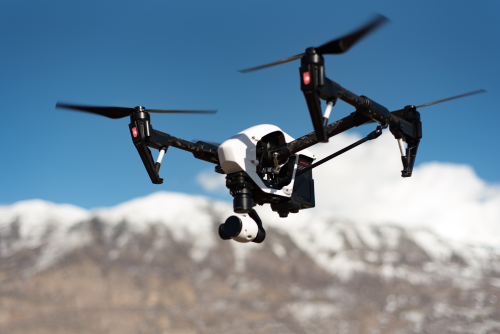
The best drones for beginners are not the cheapest drones, the most advertised drones, or even the safest-looking drones. The right first buy depends on what you actually want to do after your first few flights: travel, family footage, social content, FPV, or future paid work. This guide breaks down the best drones for beginners based on budget, skill level, and real use cases so you can buy once, learn faster, and avoid the most common regrets.
Quick Take
If you want the short answer, here it is:
- Best first real drone for most beginners: DJI Mini 3
- Great balance of ease, image quality, portability, and long-term usefulness.
- Best budget beginner drone with real outdoor usefulness: DJI Mini 2 SE
- A better starting point than most ultra-cheap foldable drones sold on marketplaces.
- Best premium beginner option for travel creators: DJI Mini 4 Pro
- Easier to trust if you value stronger safety features and more automated help.
- Best beginner FPV option: DJI Avata
- Best for people who specifically want immersive flying, not a normal camera drone.
- Best ultra-low-cost learning drone: Ryze Tello
- Good for indoor practice, kids, and basic control skills, but not a serious camera tool.
- Best value alternative to DJI in some markets: Potensic Atom
- Worth a look if pricing, local support, and availability are strong where you live.
The big takeaway: if you want stable outdoor footage, buy a real GPS camera drone with reliable hover, return-to-home, and a stabilized gimbal. If your budget only stretches to toy-drone money, treat that purchase as practice, not as your long-term drone.
Key Points Before You Buy
- Under the lowest budget bands, you are usually buying a trainer, not a serious camera drone.
- Sub-250g drones can be easier to live with in many countries, but they are not rule-free.
- A bundle with extra batteries is usually smarter than buying the absolute cheapest single-battery package.
- Obstacle sensing helps, but it does not make a drone collision-proof.
- If your goal is FPV, do not judge those products by the same criteria as travel camera drones.
- Avoid no-name drones promising “8K,” “professional,” or extreme range at suspiciously low prices.
- Buy for your first 20 flights, not your fantasy workflow 18 months from now.
What Kind of Beginner Are You?
“Beginner” is too broad to be useful. A travel creator, a child learning indoors, and a future real-estate operator should not buy the same drone.
| Buyer type | Best fit | Why it fits | Likely regret if you buy wrong |
|---|---|---|---|
| Casual traveler | DJI Mini 3 or Mini 4 Pro | Light, portable, easy to pack, strong photo/video results | Buying a bulky drone you stop carrying |
| Budget hobbyist | DJI Mini 2 SE | Real outdoor flying basics without toy-drone frustration | Buying too cheap and fighting poor stability |
| Family/weekend flyer | DJI Mini 3 | Easy enough to learn, good footage, room to grow | Buying a racing or FPV drone by mistake |
| FPV-curious beginner | DJI Avata plus simulator time | Safer entry to immersive flying than jumping straight to full manual FPV | Buying a standard camera drone when you wanted excitement |
| Future content creator | DJI Mini 4 Pro or Air 3 | Better tracking, stronger safety features, more serious output | Outgrowing an entry model too quickly |
| Child/classroom/indoor learner | Ryze Tello | Simple, relatively approachable, okay for practice and learning | Expecting stable outdoor cinematic footage |
| Future paid operator | Mini 4 Pro or Air 3, plus training and compliance planning | Better workflow, reliability, and professional runway | Starting with a toy drone and rebuilding your kit later |
Best Drones for Beginners by Budget
Prices move constantly, so it is better to think in budget bands than exact numbers.
Under about $200: good for learning, not for serious results
At this level, the main goal should be control practice, not polished footage.
Best fit: Ryze Tello
The Tello remains one of the few recognizable low-cost beginner drones that makes sense for basic learning. It is especially useful for:
- indoor flying
- kids or supervised first-time pilots
- classroom or coding projects
- learning orientation and gentle stick control
What it does well:
- low-pressure learning
- compact size
- approachable handling
- less intimidating than larger outdoor drones
What it does not do well:
- serious outdoor flying
- wind resistance
- professional-looking footage
- long-term creator use
If your real goal is travel clips, scenic video, or social content, skipping this tier entirely is usually the better move.
About $250 to $500: the real beginner sweet spot starts here
This is where you begin to get the features that make drone flying less frustrating:
- GPS hover so the drone holds position instead of drifting
- return-to-home, which can bring the drone back automatically in some situations
- a gimbal, which is the stabilized camera mount that keeps video smooth
- predictable app support and firmware updates
- enough image quality to still enjoy your footage a year later
Best fit: DJI Mini 2 SE
For many first-time buyers, the Mini 2 SE is where “toy” ends and “real drone” begins.
Why it works for beginners:
- easy to learn
- compact and travel-friendly
- reliable platform with a huge user base
- better resale value than many off-brand drones
- enough capability to teach good habits without overwhelming you
Who should buy it:
- first-time drone owners on a tighter budget
- hobbyists who want stable outdoor flying
- travelers who want a small kit
- buyers who care more about learning than about having the newest features
Who should skip it:
- people who already know they want better low-light results
- buyers who really want stronger automated tracking or better obstacle awareness
- creators who expect to grow quickly into more demanding work
Value alternative: Potensic Atom
In some regions, the Potensic Atom is one of the few budget alternatives worth considering if local support and availability are good.
Why it gets attention:
- lightweight, portable format
- beginner-friendly positioning
- often competitive value compared with better-known brands
Why to be cautious:
- support, parts, and repair pathways can be thinner depending on your market
- community resources and tutorials are not as broad as DJI’s
- resale confidence may be lower
A value alternative only becomes a bargain if you can actually get batteries, repairs, and help when something goes wrong.
About $500 to $900: the best zone for most serious beginners
If you know you will actually use your drone, this is the band where you often get the best mix of low regret and long-term value.
Best overall beginner choice: DJI Mini 3
If someone asks for the best drone for beginners without a special use case, the DJI Mini 3 is the safest answer.
Why it stands out:
- light and easy to carry
- strong image quality for a beginner-friendly drone
- simple enough for early learning
- capable enough that many owners keep it for years
- good fit for travel, social content, family outings, and casual aerial photography
It is the drone I would point most first-time buyers toward because it solves the two biggest beginner problems:
- It is easy enough that you will actually fly it.
- It is good enough that you will not immediately want to replace it.
Best premium beginner option: DJI Mini 4 Pro
The Mini 4 Pro is the beginner drone for people who have the budget and want more help from the aircraft.
Why it is easier to trust:
- more advanced safety and obstacle sensing than cheaper beginner models
- stronger automated shooting and tracking tools
- excellent fit for travel creators and solo operators
- better “headroom” before you outgrow it
Who should buy it:
- nervous first-time flyers who want more safeguards
- solo content creators
- buyers who plan to fly often
- people who want one compact drone to cover a lot of use cases
Who might not need it:
- buyers who just want to learn basic flying
- people on tight budgets
- anyone who will mostly use the drone a handful of times per year
$900 and up: only if you already know why
Spending more can make sense, but it should be intentional.
Best for serious beginners who expect quick growth: DJI Air 3
The Air 3 is not the “default beginner drone,” but it can be the right choice for a beginner who already knows they want:
- more flexibility for visual storytelling
- stronger performance in tougher outdoor conditions
- a platform that feels closer to prosumer work
- less chance of needing an early upgrade
Why not everyone should start here:
- larger size means less casual portability
- extra cost raises the stress of every early flight
- in many jurisdictions, a bigger and heavier drone may create more regulatory or operational friction than a sub-250g model
If you are unsure, the Mini 3 or Mini 4 Pro is usually the better beginner call.
Best Drones for Beginners by Real Use Case
Budget matters, but use case matters more.
If you want a travel drone
Buy a small folding camera drone you will genuinely carry.
Best fits:
- DJI Mini 3
- DJI Mini 4 Pro
What matters most:
- portability
- easy setup
- reliable takeoff from limited spaces where legal and safe
- fast battery swaps
- good footage without heavy editing
What matters less than beginners think:
- ultra-high-end specs on paper
- complicated manual camera work on day one
- advanced accessories you may never use
Travel drones fail when they become a burden. The best travel drone is the one that fits in your bag, charges simply, and gets flown often.
If you want to learn flying on a tighter budget
Best fit:
- DJI Mini 2 SE
What matters most:
- stable hover
- simple controls
- low cost of entry
- good replacement parts and batteries
- lots of tutorials online
What to avoid:
- random marketplace drones with inflated marketing claims
- drones with weak app support
- anything that looks like a pro drone but behaves like a toy
If you want social content and easy good-looking footage
Best fits:
- DJI Mini 3
- DJI Mini 4 Pro
What matters most:
- smooth stabilized video
- easy automated modes
- good results without a steep editing curve
- reliable performance for solo shooting
For this buyer, a cheap drone often becomes false economy. Poor stabilization and weak image quality create frustration fast.
If you want FPV
FPV means first-person view flying, where the experience is more immersive and dynamic than standard camera-drone flying.
Best fit: DJI Avata
The Avata is a better beginner entry point than jumping straight into a custom 5-inch freestyle FPV build.
Why:
- designed for immersive video
- more approachable ecosystem than fully custom FPV
- can help beginners experience FPV without building, soldering, and tuning right away
But there is an important catch: if your dream is true manual freestyle or racing, the smartest first purchase may actually be:
- a radio controller
- an FPV simulator
- then the drone later
That path is cheaper than crashing expensive gear while learning basic muscle memory.
If you want a drone for future side work or business use
Best fits:
- DJI Mini 4 Pro
- DJI Air 3
What matters most:
- reliability
- predictable image quality
- ability to repeat shots
- better obstacle awareness
- stronger workflow fit for client work
For a future service provider, the wrong beginner drone is often not “too simple.” It is “too disposable.” You want something you can train on, build a portfolio with, and use while you learn compliance, planning, and client expectations.
How to Choose Without Buyer’s Remorse
Use this five-step filter.
1. Decide whether you want a camera drone or an FPV drone
These are different categories.
- Camera drones are for stable aerial photos and video.
- FPV drones are for immersive flying, motion, and a more demanding learning curve.
If you mainly want scenic shots, buy a camera drone. If you mainly want the feeling of flying, go FPV.
2. Buy the lowest drone tier that still has real GPS stability
For most adults, the minimum worthwhile beginner buy is a GPS camera drone. That is the line between “learning drone” and “constantly fighting the aircraft.”
3. Prioritize batteries over accessories
Your first upgrade should usually be:
- extra batteries
- a practical charger or charging hub
- spare propellers
- a storage case
Beginners often overspend on filters and underbuy flight time.
4. Think about the controller experience
A beginner-friendly drone should not make your phone setup feel like a chore every time you fly.
Consider:
- app stability
- screen brightness outdoors
- controller comfort
- startup speed
- whether a built-in screen is worth it for your workflow
If every flight starts with cable issues, app updates, and low phone battery, you will fly less.
5. Check repair, support, and parts before checkout
Before buying, verify:
- battery availability
- propeller availability
- local service or mail-in repair options
- firmware support
- whether the drone is still actively supported in your market
A cheaper drone with poor support can become more expensive than a better-known model.
Safety, Legal, and Travel Limits to Know
Buying a beginner drone also means buying into aviation responsibility.
Before your first flight, verify the rules with the relevant aviation authority and local land manager where you plan to fly. Rules vary by country, and sometimes by city, park, shoreline, or protected area.
Key points to check:
- whether the drone or pilot must be registered
- whether there is a competency test, certificate, or online training requirement
- whether remote identification rules apply
- altitude, airspace, and airport restrictions
- whether flying over people, roads, or private property is restricted
- whether commercial use triggers different rules
- whether local privacy laws affect filming
For travel, also verify:
- airline battery rules
- whether lithium batteries must travel in carry-on baggage
- customs or import issues for professional gear
- rules at your destination, not just your home country
- restrictions in national parks, heritage sites, beaches, or urban landmarks
Important: sub-250g does not mean “no rules.” In many places it can reduce the burden, but it does not remove your responsibility to fly safely and legally.
Common Beginner Mistakes
Buying on specs instead of flight experience
A drone advertised with huge resolution numbers can still be worse in real life than a better-supported model with more honest performance.
Underestimating wind
Many beginners test a drone on a windy day, get scared, and assume they bought the wrong product. Start in calm conditions.
Trusting obstacle sensing too much
Obstacle sensing is a support tool, not a shield. Thin branches, wires, side angles, and low-light conditions can still cause crashes.
Buying only one battery
A single battery often leads to rushed, stressful flights. Three-battery kits are frequently the better beginner value.
Starting with manual FPV because it looks cheaper
It is only cheaper if you ignore broken props, broken frames, and repeated crash learning. Sim time saves money.
Assuming travel equals easy flying
Many beautiful destinations have strict drone rules, cultural sensitivity, or crowded conditions that make flying inappropriate or illegal.
Buying a drone that is too big for your real life
A larger drone can be better on paper and worse in practice if you stop carrying it.
FAQ
Is a sub-250g drone the best choice for a beginner?
Often, yes. A lighter drone is usually easier to carry and may face fewer restrictions in some countries. But rules still vary, so you need to check local requirements before flying.
Should I buy a used beginner drone?
Yes, if it comes from a reputable seller and you can confirm battery health, crash history, controller condition, and whether the model still receives support. Used can be a smart way to reach a better drone tier for the same money.
Do I need obstacle avoidance as a beginner?
Not always, but it helps. It is most valuable for nervous first-time pilots, solo creators, and people who want extra confidence. It should never replace line-of-sight awareness or cautious flying.
What is the difference between a toy drone and a real beginner camera drone?
A real beginner camera drone typically has GPS positioning, return-to-home, a stabilized camera, better wind handling, and a more reliable app ecosystem. A toy drone is mostly for basic control practice.
How many batteries should a beginner buy?
Ideally three. That gives you enough time to slow down, make mistakes, and actually learn during each outing without rushing.
Can I travel internationally with a beginner drone?
Usually yes, but you must verify airline battery rules, destination drone laws, protected-area restrictions, and any local permit or registration requirements. Never assume your home-country rules travel with you.
Should I start with FPV if I want cinematic shots?
Only if you specifically want FPV motion and are willing to train more. If you mainly want smooth travel footage, a normal camera drone is the better beginner tool.
Is a premium beginner drone worth it?
Yes, if you know you will fly often and want better safety features, tracking, and longer-term value. No, if you are still unsure whether drone flying will become a real hobby or work tool for you.
Final Decision: What Should You Actually Buy?
If you want the clearest buying advice possible:
- Buy the DJI Mini 2 SE if you want the cheapest real entry into stable outdoor drone flying.
- Buy the DJI Mini 3 if you want the best all-around beginner drone with the lowest chance of regret.
- Buy the DJI Mini 4 Pro if you have the budget and want a more confidence-inspiring travel and creator tool.
- Buy the DJI Avata only if you specifically want FPV.
- Buy the Ryze Tello only if your goal is basic indoor learning, not serious aerial imaging.
The best beginner drone is the one that matches your first real use case, your local rules, and your willingness to practice. Pick the drone you will actually carry, actually charge, and actually fly.