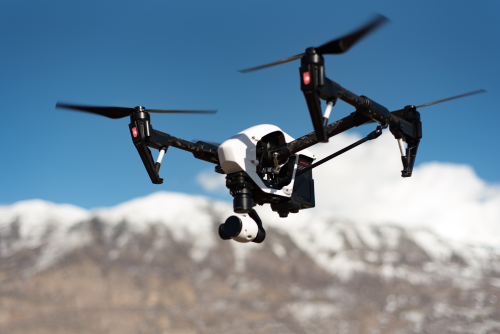
Camping changes what “best drone” means. The right pick has to be light enough to pack, stable enough for breezy clearings and coastlines, easy enough to charge off-grid, and discreet enough that you are not ruining someone else’s campsite. If you’re trying to choose the best drones for campers, start with your real use case and travel style, not just the biggest camera or the most dramatic marketing video.
Quick Take
For most campers, the best all-around buy is a compact folding camera drone in the DJI Mini 4 Pro class: small, travel-friendly, easy to live with, and strong enough for photos and video that actually feel worth carrying home. If your budget is tighter, an entry-level GPS camera drone like the DJI Mini 4K or Potensic Atom is usually smarter than buying a toy drone that will frustrate you. If your camping footage is really about quick selfies, setup clips, and social media moments, a tiny flying camera like DJI Neo can make more sense than a traditional drone.
Pricing changes a lot by country, tax, and bundle, so think in bands, not exact numbers.
| Budget band | Best fit for campers | Best for | Main tradeoff |
|---|---|---|---|
| Entry-level | DJI Mini 4K or Potensic Atom | First-time buyers, daylight scenic shots, occasional camping trips | Fewer premium safety features, less wind margin |
| Midrange sweet spot | DJI Mini 4 Pro or DJI Mini 3 | Most campers, hikers, travel creators, road trips | Still not ideal for the windiest places |
| Premium travel creator | DJI Air 3-class drone | Serious video, windy coastlines, monetized travel content | Bigger, louder, heavier, more to carry |
| Specialty easy-use | DJI Neo | Quick personal clips, camp setup memories, low-friction flying | Not a full landscape camera-drone replacement |
| Specialty action/FPV | DJI Avata 2 | Dynamic action, biking, off-road, immersive footage | Learning curve, noise, niche use case |
If you want the shortest answer
- Best overall for most campers: DJI Mini 4 Pro
- Best budget buy: DJI Mini 4K or Potensic Atom
- Best for absolute beginners who want easy camp clips: DJI Neo
- Best lightweight value option: DJI Mini 3
- Best for serious creators and windy destinations: DJI Air 3-class drone
- Best FPV option for action-heavy trips: DJI Avata 2
What to buy based on real camping use cases
The easiest way to avoid buyer’s regret is to buy for the trip you actually take.
| Your real use case | What to buy | Why it fits |
|---|---|---|
| Scenic campsite reveals, lake shots, sunrise mountain views | Mini 4 Pro or Mini 3 | Best balance of portability, image quality, and ease |
| Cheap but real camera drone for weekend camping | Mini 4K or Potensic Atom | Better value than toy drones, easier to learn on |
| Quick clips of yourself setting up camp, walking to a viewpoint, or cooking by the van | DJI Neo | Fast setup, low-friction use, easy social content |
| Backpacking or hike-in camps where every gram matters | Mini 3 or Mini 4 Pro | Folding, light, easy to justify carrying |
| Vanlife, overlanding, or creator trips where the drone is part of the content workflow | Air 3-class drone | Better camera flexibility and stronger presence in wind |
| Mountain biking, trail riding, snow sports, or dynamic action near camp | Avata 2 | FPV-style movement and protected-prop design |
How to choose the right camping drone before you buy
A camping drone is a travel tool, not just a flying camera. The wrong one gets left in the car, runs out of power too fast, annoys people, or feels too risky to launch.
1. Be honest about how you camp
Start with this question: are you a backpack camper, tent camper, RV traveler, overlander, or vanlifer?
That answer matters more than many buyers expect.
- Backpackers and hike-in campers should prioritize size, weight, and battery logistics.
- Road trippers and RV campers can tolerate a larger drone and more charging gear.
- Family campers in busy campgrounds need something discreet and quick to use.
- Adventure travelers may need stronger wind handling and more dynamic flight options.
A bigger, better camera does not help if the drone feels too bulky to bring out on a trail or too awkward to launch around people.
2. Decide whether you want landscapes, people shots, or action
Many buyers say they want “a camping drone,” but that usually means one of three very different things:
- Landscape drone: wide scenic views, campsite reveals, lakes, ridgelines, sunsets
- Memory-maker drone: quick clips of friends, camp setup, hiking departures, social posts
- Action drone: bike, ski, surf, overland, follow-style or dynamic footage
If you mainly want landscapes, buy a folding camera drone. If you mainly want quick personal clips, a tiny self-flying or beginner-friendly drone may be enough. If you mainly want action, an FPV-style platform is the right tool, but only if you accept the learning curve.
3. Prioritize wind handling more than you think
Camping often puts you in open places: beaches, cliffs, ridges, lakeshores, plains, and desert camps. Those are beautiful drone environments, but they are often windy.
That matters because:
- ultra-light drones are easy to pack but can get pushed around sooner
- stronger wind means shorter effective flight time
- footage can look less stable
- takeoff and landing get trickier in rough terrain
If you mostly camp in sheltered forests, a smaller drone is usually fine. If your trips are often coastal, alpine, or desert, a slightly larger drone may be worth the extra bulk.
4. Don’t ignore charging and battery reality
A drone that needs frequent charging is a very different purchase when you are off-grid.
Before you buy, think about:
- how many batteries you realistically need for a weekend
- whether you have vehicle charging, a power station, or USB-C options
- whether your drone’s charging hub fits your travel setup
- how hot your car or rooftop box gets during the day
For most campers, the “right” battery setup matters almost as much as the drone itself.
5. Respect campsite etiquette and noise
A drone can feel fun to the pilot and intrusive to everyone else nearby.
Good camping drones are:
- quick to launch
- quick to land
- not overly loud for the size
- useful in short windows, not long hover sessions over occupied areas
If you camp in crowded public campgrounds, a compact drone used briefly in an open area is far more realistic than a larger aircraft you plan to fly repeatedly over breakfast hour.
6. Think about support, parts, and resale
Camping is hard on gear. Dust, sand, branches, damp grass, and rushed packing all increase the chance of damage.
Check:
- spare prop availability in your country
- repair turnaround
- battery availability
- resale value if you upgrade later
This is one reason mainstream drones often make more sense for travelers than obscure brands, even when the initial price is lower.
Best drones for campers by budget and skill level
Best overall for most campers: DJI Mini 4 Pro
If you want one recommendation that fits the widest range of campers, this is it.
The Mini 4 Pro-class drone works because it solves the real camping equation well: it is small enough to pack on hikes, capable enough for travel photos and video, beginner-friendly enough to grow into, and premium enough that your footage does not feel disposable. For many campers, this is the point where portability and performance finally feel balanced.
Buy it if
- you want one drone for road trips, camp weekends, and travel
- you care about both photos and video
- you want something compact enough for hiking
- you are new but want room to grow
- you value a strong ecosystem of batteries, cases, accessories, and resale
Skip it if
- you want the cheapest possible entry point
- you usually camp in very windy places
- you mainly want FPV-style action footage
- you do not think you will use the extra features enough to justify the price jump over cheaper Mini-class options
Camping strengths
- easy to justify carrying
- well suited to scenic reveals and travel content
- easier to live with than larger drones
- often the safest long-term buy for people who only want one drone
Camping limits
- still a small drone, so wind remains a real factor
- not a substitute for a larger creator drone if your trips are production-focused
- premium pricing compared with basic starter options
Best budget camping drone: DJI Mini 4K or Potensic Atom
If you are trying to spend carefully, buy a real GPS camera drone from a reputable line, not a toy marketed with inflated promises.
This is the budget zone where camping buyers often make their best or worst decision. The smart move is to buy something simple, stable, and proven enough to learn on. The bad move is chasing maximum claimed range, flashy features, or “4K” from a no-name drone that struggles with stability and support.
Choose this category if
- you are buying your first drone
- camping is one of several hobbies, not the center of your content workflow
- you want scenic shots and simple videos in good daylight
- you are okay learning basic manual positioning and planning your shots
DJI Mini 4K makes sense if
- you want a mainstream ecosystem
- you care about easier resale and battery/accessory availability
- you prefer the safer choice in many markets
Potensic Atom makes sense if
- value matters most
- support in your region looks solid
- you want a lower-cost path into a serious compact drone
What to expect
This class is great for:
- campsite overviews
- lake and beach shots in calmer conditions
- learning camera-drone basics
- occasional travel use
This class is not great for:
- strong-wind destinations
- low-light expectations
- buyers who assume automation will compensate for weak piloting habits
Best for easy camp clips and absolute beginners: DJI Neo
Some campers do not really want a “drone hobby.” They want a flying camera that gets a few fun clips, packs tiny, and does not demand much setup.
That is where DJI Neo stands out. It is a strong fit for camp setup moments, trailhead clips, quick family memory shots, and social media content where convenience matters more than cinematic range or premium landscape performance.
Buy it if
- you want fast, low-friction use
- you mainly shoot short clips of yourself or your group
- you value tiny size over image flexibility
- you do not want the full ritual of unpacking a larger drone every time
Skip it if
- you want your drone to be a serious travel landscape tool
- you camp in windy, open terrain
- you expect it to replace a Mini-class camera drone
- you want your first purchase to cover every future drone use case
Camping strengths
- very easy to carry
- ideal for quick, spontaneous moments
- less intimidating for non-hobbyists
Camping limits
- more niche than many buyers realize
- not the best choice for sweeping scenic work
- easy to outgrow if you get deeper into drone photography
If your real goal is “capture us at camp without much fuss,” this type of drone can be smarter than a full-featured model. If your goal is “beautiful aerial landscapes from every trip,” buy a Mini-class camera drone instead.
Best lightweight value option: DJI Mini 3
The Mini 3 is still one of the smartest buys for campers who want to stay light, get very good results, and avoid paying for every higher-end feature.
It is especially attractive for hikers, backpack campers, and travelers who care more about portability and useful image quality than about having the latest advanced features.
Buy it if
- you want a light folding drone for regular travel
- you want better output than the budget tier
- you do not need the top Mini model
- you prefer a “carry it everywhere” drone over a larger premium system
Skip it if
- you want the strongest safety and tracking features available in the Mini line
- you often fly in complex obstacle-rich spaces and depend on automation
- you want the maximum feature set in one purchase
For many campers, the Mini 3 hits the practical middle ground: better than entry-level, cheaper than top-tier, light enough to keep bringing.
Best for serious creators and windy camping destinations: DJI Air 3-class drone
If your camping trips are also creator trips, client trips, or serious content trips, a DJI Air 3-class drone is where the upgrade starts to make sense.
This class is better for buyers who know they will use the extra camera flexibility and stronger all-around presence. It is especially useful for vanlife channels, tourism content, destination storytelling, and trips where the drone is one of the main cameras rather than a fun extra.
Buy it if
- you shoot travel content regularly
- your camps are often in breezy open terrain
- you want more flexibility than the Mini class gives you
- you are comfortable carrying more weight and charging more gear
Skip it if
- you backpack or hike long distances
- you camp around lots of people and want to stay discreet
- you are still figuring out whether drones will become a real part of your workflow
- you only fly a few times per year
Camping strengths
- better suited to demanding shooting days
- stronger fit for windy destinations
- more comfortable as a creator’s travel drone
Camping limits
- bigger bag footprint
- more noticeable noise
- heavier aircraft can mean more compliance and travel friction depending on where you are
This is not the best first camping drone for most people. It is the best upgrade when camping and content creation are already tightly linked.
Best FPV option for action-focused campers: DJI Avata 2
If your idea of camping content is trail riding, skiing, off-road convoys, cliffside motion, or dynamic cinematic movement, an FPV-style drone like the DJI Avata 2 can be an excellent specialty tool.
But this is exactly that: a specialty tool.
Buy it if
- your trips revolve around action sports or movement
- you specifically want immersive FPV-style footage
- you are willing to practice and build skill
- you understand this is not the same category as a standard travel camera drone
Skip it if
- this is your first drone and you mostly want scenic photos
- you camp in busy, quiet public campgrounds
- you want one drone to do everything
- you are not interested in practicing outside of the trip itself
Camping strengths
- dynamic footage other drone types do not replicate
- useful for action-heavy trips
- protected-prop format can be more forgiving in some environments
Camping limits
- noisier and more attention-grabbing
- shorter, more mission-specific flights
- not ideal as your only camping drone unless action is your entire reason for buying
For most campers, FPV is a second drone, not the first one.
Safety, legal, and campsite compliance you need to check
Camping and drone flying overlap with several rule layers, and they are not the same everywhere.
Before you fly, verify all of these:
1. National aviation rules
Check the aviation authority in the country where you are flying for:
- registration thresholds
- training or competency requirements
- identification or broadcast requirements
- rules tied to weight class
- recreational versus commercial distinctions
A sub-250 g drone may reduce requirements in some places, but it does not mean “legal everywhere.”
2. Land manager and campground rules
This is where many campers get caught out.
Even if national airspace rules allow drone flight, the place you are standing may still prohibit:
- drone launch or landing
- takeoff from a campsite
- drone use in protected habitat
- flight over beaches, reserves, monuments, or heritage areas
Always check the campground, park, reserve, or local land authority directly.
3. Privacy and courtesy
Do not hover near occupied campsites. Do not film strangers without care. Do not use a drone to inspect neighboring areas, tents, vehicles, or private spaces.
Good campsite drone etiquette matters as much as legal compliance.
4. Wildlife and time of day
Many camp areas are close to birds, shoreline habitats, forests, and dawn/dusk animal activity. Avoid disturbing wildlife, and be extra conservative in sensitive natural areas.
5. Battery travel and charging
For cross-border travel and airline travel, verify current battery carriage rules with your airline and relevant authorities. In general, lithium batteries need careful packing, terminal protection, and temperature awareness. Do not leave them baking in a hot vehicle, next to a stove, or near a campfire.
What people get wrong when buying a camping drone
Buying for the spec sheet instead of the campsite
The best camping drone is the one you can safely launch, fly, charge, and pack without turning every stop into a production.
Assuming sub-250 means no rules
It can help in some regions. It does not erase airspace, privacy, protected-area, or campground restrictions.
Buying FPV because the footage looks exciting online
FPV is incredible when it matches your use case. It is a poor first choice for someone who mainly wants peaceful landscape shots and a few trip memories.
Underestimating wind
A drone that feels fine in your backyard may feel very different on a ridge, coast, canyon edge, or open lake.
Forgetting the charging plan
A great drone with one battery and no vehicle or power-station charging solution quickly becomes an expensive passenger.
Buying too much drone
Large drones are easy to admire and hard to carry. For many campers, a smaller drone flown often beats a larger drone that stays in the case.
The camping drone kit that matters more than most people think
You usually do not need a giant accessory setup. You do need a practical one.
Smart adds for most campers
- 2 to 3 extra batteries
- a charging hub that fits your vehicle or power setup
- spare propellers
- a compact landing pad or clean mat for dust, sand, and wet grass
- a simple protective case or padded insert
- a fast, reliable memory card
- a lens cloth and small brush for dust
Nice to have, not mandatory
- neutral density filters for more deliberate video work
- a small power station for longer off-grid trips
- a sun hood or shade strategy for bright-screen days
If your budget is tight, spend money on batteries and spare props before luxury accessories.
FAQ
Is a sub-250 g drone always the best choice for camping?
Not always, but often. Sub-250 g drones are easier to carry, easier to justify on hikes, and may reduce regulatory burden in some places. They are not automatically legal everywhere, and they are not always the best choice for windy camps or heavy creator work.
Can I fly a drone in national parks or campgrounds?
Sometimes, but often not. Rules vary by country, park system, campground operator, and land manager. In many places, protected areas restrict or prohibit drone launch, landing, or flight. Always verify both aviation rules and site-specific rules before the trip.
How many batteries do I need for a weekend camping trip?
For most casual campers, three batteries is a realistic minimum if the drone is a core part of the trip. If you only plan short scenic flights, two may be enough. If you are creating content daily, you may want more plus a reliable charging plan.
What is the easiest camping drone for a complete beginner?
If you want a real drone you can grow into, a Mini-class beginner camera drone is the safer long-term answer. If you want the least setup and mainly care about quick personal clips, DJI Neo is easier but more limited.
Should I buy an FPV drone for camping?
Only if action footage is your main reason for buying and you are willing to practice. FPV is not the best first camping drone for most people. A folding camera drone is usually the better first purchase.
Do I need obstacle avoidance for camping?
It helps, especially around trees and uneven spaces, but it is not magic. Sensors do not replace judgment, clear launch areas, or careful route planning. If budget is tight, good piloting habits matter more than chasing automation.
What is better for campers: a drone or a self-flying camera?
If you care about landscapes, buy a drone. If you mostly care about quick shots of yourself and your group, a self-flying or ultra-simple flying camera can be enough. Many buyers confuse these jobs and end up with the wrong tool.
How do I travel internationally with a drone for camping?
Check the destination country’s aviation rules, any registration or operator requirements, site-specific park rules, and your airline’s current battery policy. Also check customs and import expectations if you are carrying a lot of gear or working commercially. Do not assume the rules from your home country carry over.
Final decision
If you want one camping drone that makes sense for the widest range of buyers, get a DJI Mini 4 Pro-class drone. If you are buying carefully, get a real entry-level GPS camera drone like the Mini 4K or Potensic Atom and skip the toy market. If your trips are really about social clips or action footage, buy a specialty tool like DJI Neo or Avata 2 only when that use case is truly your main one.