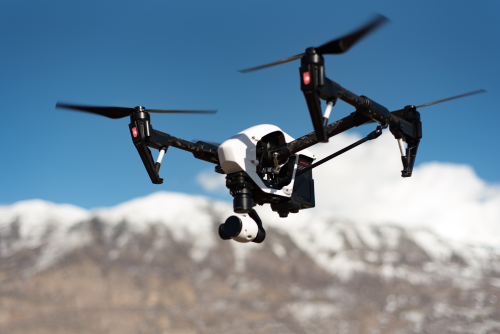
The best drones for content creators are rarely the most expensive ones. They are the drones that match how you actually shoot, how comfortable you are in the air, and how much friction you can tolerate in editing, travel, and compliance. This guide breaks down the best drones for content creators based on budget, skill level, and real use cases so you can buy once, learn fast, and avoid the usual buyer regret.
Quick Take
If you want the short version, start here. Budget bands are rough because bundles, taxes, batteries, and regional availability vary.
| Creator type | Best fit | Skill level | Rough budget band | Why it works |
|---|---|---|---|---|
| Tight-budget beginner who wants a real camera drone | DJI Mini 4K or Mini 2 SE | Beginner | Under $500 | Low-risk entry point, stable GPS flight, good daylight results |
| Solo creator who mostly films themselves | DJI Neo or HoverAir X1 | Beginner | Under $500 | Fast setup, easy follow-style clips, less intimidating than a full drone |
| Travel creator who wants the best low-regret first serious drone | DJI Mini 4 Pro | Beginner to intermediate | $700 to $1,100 | Portable, strong safety features, vertical-friendly workflow, travel-friendly size |
| Creator doing regular brand work, tourism, real estate, or YouTube | DJI Air 3 | Intermediate | $1,100 to $1,800 | Better wind handling, dual-camera flexibility, stronger all-around commercial value |
| Premium creator or production team that needs top-end non-FPV aerials | DJI Mavic 3 Pro | Advanced | $1,800+ | Higher-end image flexibility, stronger client-facing capability |
| Creator focused on action, chase footage, and immersive movement | DJI Avata 2 | Beginner to intermediate FPV | $1,000+ | Easiest route into cinematic FPV without jumping straight to a custom build |
| Experienced FPV pilot who wants maximum agility and tuning freedom | Custom 5-inch FPV build | Advanced | Varies | Best performance ceiling, but highest learning and maintenance burden |
Key Points
- If you are new, a sub-250 g camera drone is usually the safest place to start, but it does not mean rules disappear everywhere.
- If you shoot yourself more than landscapes, a selfie drone may create more usable content than a traditional camera drone.
- If you want one drone for travel, social, YouTube, and occasional client work, the Mini 4 Pro is the easiest recommendation.
- If you already know you will do paid work regularly, the Air 3 is often a smarter long-term buy than jumping straight to a flagship.
- FPV is not a replacement for a standard camera drone for most creators. It is a different style with a different learning curve.
- Budget for the full kit, not just the aircraft: extra batteries, storage, filters, spare props, charging, and protection.
How to choose before you compare models
Most creators get stuck on specs too early. Start with the footage you need to deliver.
Ask these five questions first
-
What do you shoot most? – Travel scenery – Reels and short-form social – Self-filmed walking, hiking, or cycling – Real estate or hospitality – Action sports – Brand or client work
-
Will you mostly fly solo? Solo creators benefit more from easy launch, strong automation, and quick setup than from maximum camera complexity.
-
How much risk can your workflow tolerate? A beginner with a high-end drone can still get poor results if they are nervous flying it. A slightly simpler drone often produces more usable footage.
-
Do you travel often? Size, battery management, and local rule complexity matter. Smaller drones are easier to pack and usually easier to use spontaneously.
-
Do you need this for paid work soon? If yes, think about reliability, support, repeatable shot quality, and whether you can get spare parts and batteries easily in your region.
What matters more than most spec sheets
For content creators, these buying factors usually matter more than headline resolution numbers:
- Flight simplicity: If a drone is easy to launch and position, you will actually use it.
- Obstacle sensing: Helpful for beginners, especially in travel or solo work.
- Portability: Bigger drones often stay at home.
- Wind confidence: Important for coastal travel, mountain trips, and commercial work.
- Lens flexibility: Tele options are useful for compression, parallax, and safer standoff distance.
- Vertical workflow: Valuable for TikTok, Reels, Shorts, and mobile-first clients.
- Repair and support: A great drone with poor support becomes a liability.
- Battery ecosystem: Extra batteries and reliable charging matter more than you think.
Best drones for content creators by budget and skill level
Under $500: best for tight budgets, first flights, and low-risk learning
This is the most misunderstood segment. Many buyers either overspend immediately or waste money on toy drones. For most creators, the right move is either a true entry-level GPS camera drone or a dedicated self-filming drone.
Best buy: DJI Mini 4K or Mini 2 SE
These are good picks for creators who want to learn real drone fundamentals without paying for advanced features they may not use yet.
Best for: – First-time pilots – Travel creators on a strict budget – Hobbyists learning composition and movement – Creators who mainly shoot daylight outdoor scenes
Why they make sense: – Stable, beginner-friendly flight – Real camera-drone experience, not toy-drone frustration – Small and easy to carry – Good enough for social, travel, and basic YouTube b-roll
What you give up: – Fewer advanced safety features – Less flexibility in harder light or stronger wind – Less room to grow into higher-end paid work
Better if you mostly film yourself: DJI Neo or HoverAir X1
These are not substitutes for a Mini-class camera drone in every scenario. They are purpose-built solutions for fast, personal, social-friendly footage.
Best for: – Walking vlogs – Hiking clips – Self-filmed social content – Casual travel memories – Creators who hate setup friction
Why they make sense: – Extremely fast to deploy – Less intimidating than a full controller-first drone – Useful for creators who want the drone to feel like a flying camera assistant
What you give up: – Less image flexibility than a full camera drone – More limits in wind, range, and complex environments – Not ideal as your only drone if landscapes or commercial aerials matter
Who should skip this segment entirely:
If you already know you want regular paid work, higher-quality scenic video, or stronger low-regret long-term value, move up a tier.
$700 to $1,100: the sweet spot for most content creators
For most buyers reading this guide, this is the right category.
Best overall pick for most creators: DJI Mini 4 Pro
If you want the easiest recommendation with the lowest chance of regret, the Mini 4 Pro is the current sweet spot for travel creators, social creators, solo YouTubers, and buyers who want one drone to do almost everything reasonably well.
Best for: – Beginners who want to grow into better work – Travel creators and digital nomads – YouTubers and hybrid photo/video creators – Social-first creators who need vertical-friendly output – Side-hustle shooters testing real estate, tourism, or local brand work
Why it stands out: – Strong balance of size, safety, and image quality – Easier to carry and fly regularly than larger drones – Obstacle sensing helps reduce beginner mistakes – Great “always in the bag” drone – More capable than entry-level options without becoming overkill
Why people buy it and keep it: – It is compact enough to travel with often – It creates content that feels meaningfully above phone footage – It does not punish you with excessive size, noise, or setup time
Who may outgrow it: – Creators shooting in heavier wind often – Teams doing frequent commercial work – Pilots who want more lens flexibility – Advanced users who already know they need premium image latitude
Value alternative: DJI Mini 3 or Mini 3 Pro on sale or refurbished
Depending on local availability, a previous-generation Mini can be one of the smartest buys in the market.
Best for: – Cost-conscious creators who still want a high-quality compact drone – Buyers comfortable choosing a previous-gen platform – People who care more about value than having the newest model
If the price gap is significant, older Mini-class drones can make more sense than stretching too far for features you may not fully use.
$1,100 to $1,800: best for serious creators and growing businesses
This is where the drone stops feeling like a gadget and starts feeling like a tool.
Best step-up drone: DJI Air 3
For creators who shoot consistently, the Air 3 is often the most practical upgrade. It is especially strong for people who need a drone for both personal content and paid work.
Best for: – YouTube channels with regular production – Tourism, hospitality, and real estate creators – Freelancers doing recurring client work – Buyers who want a more stable, wind-capable platform – Creators who want more shot variety from dual cameras
Why it makes business sense: – The dual-camera setup creates more usable angles without changing aircraft – It handles more confidently than smaller drones in many real-world conditions – It feels more “production ready” without the size and cost jump of a flagship
Why it is often the better buy than a flagship: – Better return on investment for most side businesses – Easier to justify if you are still building a client base – Strong enough to deliver professional-looking results in many use cases
Who should choose it over a Mini 4 Pro: – You fly in windier environments – You shoot paid projects weekly – You want more framing options – You are comfortable carrying a larger kit
Who should not: – Ultralight travel creators – Buyers who rarely fly – People who mainly want casual vacation b-roll
$1,800 and up: premium image quality and client-facing flexibility
This tier is for creators and teams who know why they need more.
Best premium non-FPV choice: DJI Mavic 3 Pro
The Mavic 3 Pro makes sense when aerial footage is not just nice to have, but part of a serious production or recurring service offer.
Best for: – Production teams – High-end tourism and destination work – Premium brand campaigns – Experienced aerial photographers and videographers – Operators who need stronger lens flexibility in one aircraft
What makes it worth the money: – More premium image potential – More flexible multi-lens shooting – Better fit for higher-end deliverables
Why many creators should not buy it first: – Bigger kit, higher spend, more risk if underused – More visible and less casual for travel – Harder to justify if you are still learning or not billing enough aerial work
Good rule:
If you are asking whether you need a Mavic 3 Pro, you probably do not yet. If you already lose time or money because your current drone cannot meet client expectations, then it may be the right move.
FPV is a separate buying decision
FPV means first-person view flying, usually with goggles and more dynamic movement. It is a different style, a different risk profile, and often a different audience outcome.
Best first FPV drone for creators: DJI Avata 2
If you want cinematic motion, fly-throughs, action energy, or immersive content without going straight into full manual custom FPV, the Avata 2 is the sensible entry point.
Best for: – Creators exploring action-style footage – Travel and adventure shooters who want dynamic movement – Beginners who want FPV without full custom-build complexity
Why it works: – Lower barrier than a traditional custom FPV setup – More approachable for creators coming from camera drones – Useful for cinematic FPV-style content, especially in controlled environments
Limit to know: It is not a replacement for a standard camera drone if you also need still photos, classic scenic shots, or more traditional client work.
Best for advanced pilots: custom 5-inch FPV
A custom FPV build is the right answer only if you want maximum agility, tuning freedom, and you are prepared for the learning, repairs, battery discipline, and safety responsibility that come with it.
If that sounds exciting rather than annoying, you are the audience. If not, you probably want the Avata 2 or a standard camera drone first.
Which drone fits your real use case?
If budget is only part of the decision, use this shortcut.
For travel creators
Buy a DJI Mini 4 Pro if you want the best balance of portability, safety, and publishable footage.
For self-filming, walking, hiking, and casual social content
Buy a DJI Neo or HoverAir X1 if the priority is speed, simplicity, and getting clips of yourself with minimal setup.
For YouTube creators and hybrid creators
Buy a DJI Mini 4 Pro if portability matters most, or a DJI Air 3 if you want stronger framing options and more confidence for repeat production.
For real estate, hospitality, and tourism work
Buy a DJI Air 3 first. Step to a Mavic 3 Pro only when your clients and revenue justify it.
For action, cars, bikes, and dynamic chase content
Buy a DJI Avata 2 if you are entering FPV. Buy a custom 5-inch FPV only if you are committed to the craft and understand the safety burden.
For premium brand work and production teams
Buy a Mavic 3 Pro if you need higher-end flexibility and already have the workflow to support it.
Safety, legal, and travel limits to check before you buy
Buying the right drone is only half the decision. Flying it legally and safely is the other half.
Before you purchase, verify these points in the places where you plan to fly:
- Registration and operator requirements: These vary widely by country and sometimes by weight class.
- Remote identification or electronic ID rules: Some jurisdictions require it, some do not, and thresholds differ.
- Commercial vs recreational status: Paid work can trigger different obligations.
- Flights near airports, cities, crowds, parks, beaches, or protected areas: Local restrictions often matter more than national headlines.
- Privacy and filming expectations: Recording people or private property can create legal and social problems even where flight is technically allowed.
- Travel and airline battery rules: Airlines often have specific lithium battery limits and carriage requirements.
- Insurance needs: For client work, venue access, or certain countries, liability coverage may be expected or required.
Also remember: a sub-250 g drone may reduce regulatory burden in some places, but it does not mean “no rules everywhere.” Always verify local requirements before flying.
Common mistakes content creators make when buying a drone
1. Buying too much drone too early
A premium drone does not fix weak planning, poor light, or nervous piloting.
2. Confusing selfie drones with full camera drones
They overlap, but they solve different problems. One is about frictionless self-capture. The other is about broader aerial filmmaking.
3. Underbudgeting for the real kit
Expect to need: – At least 2 to 3 batteries – A fast memory card – Spare props – A charging solution – ND filters for smoother-looking video – A case or protective bag
4. Assuming FPV will do everything
FPV is amazing for energy and movement. It is not the best answer for every landscape, travel, or client brief.
5. Ignoring repair and support
A “better deal” is not better if batteries, service, or spares are hard to get where you live.
6. Thinking bigger always means better
Larger drones bring more attention, more packing friction, and sometimes more regulatory complexity.
A simple buyer checklist before you click buy
-
Write down your actual deliverables.
Reels, real estate videos, travel YouTube, hotel promos, action clips, or self-filmed vlogs. -
Pick the drone class, not just the model.
Selfie drone, Mini-class camera drone, mid-size creator drone, premium camera drone, or FPV. -
Set a full-kit budget.
Include batteries, storage, filters, and protection. -
Check your local operating rules.
Especially if you plan to monetize footage. -
Think about how often you will really carry it.
The best drone is the one you will actually bring. -
Buy for the next 18 months, not the next 18 days.
Choose the platform that fits where your content is going, not just this weekend.
FAQ
What is the best first drone for most content creators?
For most people, the DJI Mini 4 Pro is the best first serious drone because it balances portability, safety features, and strong content quality. If your budget is tighter, a Mini 4K or Mini 2 SE is a better first step than a toy drone.
Is a sub-250 g drone enough for paid work?
Often, yes. Many creators shoot real estate previews, tourism clips, social ads, and travel content with sub-250 g drones. But “good enough for paid work” depends on the client, local rules, wind conditions, and the kind of deliverable you promise.
Should I buy FPV or a normal camera drone first?
Buy a normal camera drone first unless you already know your style depends on fast, immersive movement. Most creators need stable, repeatable scenic footage more often than they need FPV.
Are selfie drones like DJI Neo or HoverAir X1 a replacement for a Mini drone?
Not for most creators. They are excellent for self-filming and low-friction clips, but a Mini-class drone is still better for broader aerial photography and more traditional cinematic shots.
Is the Air 3 worth it over the Mini 4 Pro?
Yes, if you fly often, shoot client work, want dual-camera flexibility, or need stronger wind performance. No, if your top priorities are light travel, small bag carry, and casual personal content.
Should I buy a used or refurbished drone?
Yes, if you buy from a reputable seller, check battery health as best you can, inspect for crash history, and confirm local support. Previous-generation Mini drones can be excellent value.
What accessories matter most for creators?
Start with: – Extra batteries – A reliable memory card – Spare propellers – A charging hub or multi-battery charger – ND filters if you shoot a lot of video – A protective case or compact bag
Do I need obstacle avoidance?
Not strictly, but it is one of the most useful features for beginners and solo creators. It does not replace judgment, but it can reduce common mistakes and lower stress while learning.
The bottom line
If you want the safest low-regret answer, buy the DJI Mini 4 Pro. If you mostly film yourself, buy a DJI Neo or HoverAir X1. If aerial content is becoming real client work, buy the DJI Air 3. If you need premium production flexibility, step up to the Mavic 3 Pro. And if what you really want is speed, flow, and action, start FPV with the Avata 2, not a custom build you are not ready to manage.
Pick the drone that matches your content, your confidence, and your workflow. That is the one you will actually fly.