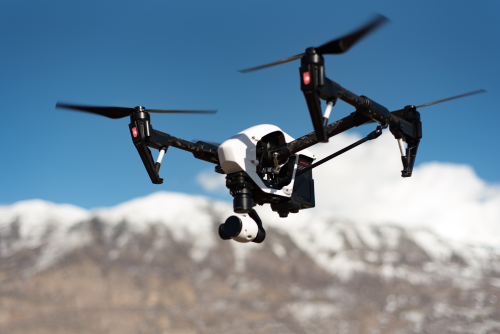
The best drones for creators are not the ones with the longest spec sheet. They are the ones that match your budget, skill level, editing workflow, and the kinds of shots you can legally and safely get on a normal shoot day. If you are trying to figure out the best drones for creators based on budget, skill level, and real use cases, the smartest move is to buy for your output first and the marketing page second.
Quick Take
Prices, bundles, and availability change by market, so think in budget bands rather than exact numbers. For most creators, these are the strongest starting points.
| Creator type | Best fit | Why it stands out | Biggest tradeoff |
|---|---|---|---|
| Tight-budget beginner | DJI Mini 3 | Portable, creator-friendly, strong first drone without overbuying | Less authority in wind than larger drones |
| Best first serious creator drone | DJI Mini 4 Pro | Excellent travel size, strong safety features, great for social and general video | Still a mini-class drone, so not ideal for every windy or demanding scenario |
| Growing creator or small paid-work operator | DJI Air 3 | Better wind performance, dual-camera flexibility, strong all-round value | Larger, heavier, and usually less travel-friendly than a Mini |
| Premium commercial creator | DJI Mavic 3 Pro | Strong image flexibility and more professional runway for client work | Expensive, bigger kit, and often overkill for casual creators |
| Ready-to-fly FPV creator | DJI Avata 2 | Easiest path into cinematic FPV-style flying | Not a substitute for a traditional camera drone |
| Advanced action creator willing to learn repair | Custom 5-inch digital FPV build | Fast, immersive, highly repairable, and best for true action work | Highest learning curve and most demanding safety discipline |
| Non-DJI ecosystem shopper | Autel EVO Lite+ | Worth comparing if local support and pricing are strong | Ecosystem, accessory, and long-term support vary by region |
Key points before you spend money
- If you travel often, a sub-250 g class drone can reduce friction in many places, but it is not automatically exempt from registration, operator tests, or flight restrictions.
- If you publish mostly short-form vertical content, the Mini line makes more sense than many larger drones.
- If you shoot in wind, at coastlines, in mountains, or on paid jobs, stepping up from Mini class to Air class usually improves your hit rate.
- If you want FPV, decide whether you want easy, cinematic FPV or true high-performance FPV. They are not the same purchase.
- Your real budget is the drone plus batteries, charger, memory cards, spare props, filters, case, and possibly insurance or a care plan.
- Most creators regret buying too much drone for too little use, or the wrong type of drone for the way they actually film.
How to choose the right creator drone
1. Buy for the shots you actually need
Ask yourself what percentage of your work looks like this:
- Scenic travel and tourism content
- Real estate and property flyovers
- Outdoor adventure and lifestyle
- YouTube B-roll and brand work
- Vertical social clips
- Fast-moving action and chase shots
- Indoor or tight-space cinematic moves
A drone that is perfect for scenic travel can be the wrong tool for motorsports. A great FPV drone can be a poor choice for stills, quiet landscapes, or client-friendly operations.
2. Weight changes more than portability
Drone weight affects:
- How easy it is to pack
- How it behaves in wind
- How much noise it makes
- How much damage it can do in a crash
- How regulators classify it in many countries
For many creators, the biggest practical divide is not “cheap vs expensive.” It is “mini-class drone vs larger drone.”
3. Your kit cost matters more than the base price
A drone body rarely tells the full story. Most creators should budget for:
- At least 2 extra batteries
- A good charger or multi-battery charging hub
- Fast memory cards
- Spare propellers
- Neutral density filters, often called ND filters, for smoother-looking video in bright daylight
- A protective bag or case
- Possibly a screen-equipped controller for faster field setup
- Insurance or a manufacturer care plan if available in your market
If you are buying FPV, add simulator time, spare parts, tools, and more batteries.
4. Decide whether you want easy flying or dynamic flying
A traditional camera drone is made to hover well, frame well, and deliver predictable footage.
An FPV drone is made to move dynamically through space. It rewards practice, but it demands more skill, more discipline, and more repair tolerance.
If your work is 80 percent travel, landscape, hotels, property, or brand B-roll, buy a camera drone first. If your work is cars, sports, action, and immersive movement, FPV may be worth prioritizing.
Best drones for creators by budget, skill level, and real use cases
Best low-budget creator drone: DJI Mini 3
The DJI Mini 3 is one of the easiest drones to recommend to budget-conscious creators because it does the important things well without forcing you into a bigger, heavier system too early.
Best for
- Beginners who want a real content tool, not a toy
- Travel creators
- TikTok, Reels, and Shorts creators
- Light YouTube B-roll
- Creators who want a one-bag setup
Why it works
The Mini 3 hits a sweet spot: small size, low hassle, good-looking footage, and a strong enough camera for most social and web delivery. It also makes sense for buyers who care about vertical content and portability more than aggressive feature chasing.
Who will regret it
- Creators who frequently shoot in strong wind
- Operators doing more demanding paid work
- Anyone who wants longer-lens compression or more subject separation
- Buyers who already know they want a more advanced obstacle-sensing and tracking package
Smarter budget advice
If you are looking at an ultra-cheap entry drone, ask whether stretching to a Mini 3 gives you more long-term value than buying the cheapest possible model and upgrading quickly. In many cases, it does.
If your budget is even tighter, entry models like the DJI Mini 4K or Mini 2 SE can still work for learning and basic content, depending on local availability. But for creators rather than pure beginners, the Mini 3 usually offers the better runway.
Best first serious creator drone: DJI Mini 4 Pro
For most solo creators, the Mini 4 Pro is the current “buy once, use for years” answer. It is small enough to travel with constantly, but advanced enough that you can use it for serious content and even some paid work.
Best for
- Beginners who want room to grow
- Travel creators who fly often
- Social-first creators
- Solo creators who want strong automation and safety support
- Property, resort, tourism, and lifestyle content
Why it works
The Mini 4 Pro gives creators a rare mix of portability, safety features, and creator-ready output. It is easier to carry, easier to launch on the go, and less intimidating than larger drones. For many people, that means more actual flights and more usable footage.
Its strongest advantage is not just image quality. It is friction reduction. A drone you carry all the time beats a better drone you leave at home.
Who will regret it
- Creators who mostly shoot in windy coastal or mountain conditions
- Operators who want more lens flexibility
- Teams doing premium client work where a larger platform makes more sense
- Buyers who think mini-class automatically means legal simplicity everywhere
Real-world take
If you shoot travel, city overviews where allowed, tourism, hotels, creator brand work, and general aerial B-roll, this is the easiest recommendation in the market.
Best all-round upgrade for growing creators: DJI Air 3
The Air 3 is the drone many creators should buy when the Mini line starts to feel limiting. It is not as packable, but it is a major step up in confidence, wind handling, and shot variety.
Best for
- Growing YouTube creators
- Small agencies and freelancers
- Outdoor creators
- Real estate teams
- Brand videographers who want a stronger all-round system
Why it works
The Air 3’s biggest strength is balance. It gives you better physical presence in the air, stronger wind performance than mini-class drones, and useful focal-length flexibility thanks to its dual-camera setup. That second lens matters more than many buyers expect. It changes how polished your edit feels without forcing you into a premium flagship budget.
Who will regret it
- Ultralight travelers
- Buyers who mostly need quick social clips rather than robust outdoor performance
- Anyone attracted to it purely because it sounds “more pro” than a Mini
- Creators who rarely need the extra lens options or larger-airframe benefits
Real-world take
If your shoots include coastlines, hills, sports fields, exterior architecture, outdoor tourism, and more frequent paid work, the Air 3 is often the smartest move.
Best premium creator drone: DJI Mavic 3 Pro
The Mavic 3 Pro is for creators who already know why they need more. It makes sense when your work is client-facing, grading-heavy, or shot-varied enough to justify a bigger, more expensive platform.
Best for
- Professional creators
- Premium travel and tourism campaigns
- Commercial property and destination marketing
- Production teams that need more framing flexibility
- Operators who regularly deliver to clients, not just social feeds
Why it works
The Mavic 3 Pro gives you more creative options in one aircraft, especially when you want different focal lengths in the same flight. That can save time on location and help you create a more polished sequence instead of repeating wide shots over and over.
If you mainly care about the main camera and not multiple lenses, the Mavic 3 Classic can still be a sensible value play in this tier.
Who will regret it
- Casual creators
- Travelers who want the lightest kit possible
- Buyers who publish mostly compressed social video
- Anyone who will be too nervous about cost to actually fly it often
Real-world take
This is the right buy when the drone is clearly part of your business, not just your hobby.
Best ready-to-fly FPV drone for creators: DJI Avata 2
If you want immersive, flowing, close-proximity footage without going all the way into custom FPV, the Avata 2 is the most approachable entry point.
Best for
- Creators who want cinematic FPV flavor
- Indoor or tight-space work where a guarded FPV-style platform helps
- Real estate walkthrough-style shots where legal and safe
- Travel and action creators adding a second look to their edits
Why it works
The Avata 2 lowers the barrier to FPV. You get a more guided path into immersive flight, and that matters if you want motion-rich footage without immediately learning to build, tune, and repair a custom quad.
Who will regret it
- Anyone wanting a general-purpose stills and scenic drone
- Buyers who think it replaces a camera drone
- Operators planning true high-speed chase work
- Beginners who do not want to practice in a simulator first
Real-world take
The Avata 2 is best treated as a second drone category, not your only drone, unless your content style is heavily motion-driven.
Best advanced FPV route: custom 5-inch digital FPV build
For serious action creators, a custom 5-inch FPV quad is still the tool that unlocks the most dynamic footage. It is also the least beginner-friendly option on this list.
Best for
- Experienced FPV pilots
- Car, bike, ski, surf, and motorsport creators
- Production crews that want real chase footage
- Creators who are comfortable learning repair and tuning
Why it works
A custom build is faster, more repairable, and more adaptable than a packaged consumer FPV system. If you crash, you can often repair parts instead of replacing a whole premium drone. For pilots who already know the workflow, that matters.
Who will regret it
- Most first-time buyers
- Anyone unwilling to learn radio setup, batteries, and maintenance
- Creators who need predictable, low-drama operation on client shoots
Real-world take
If you have to ask whether this should be your first drone, it probably should not.
Best non-DJI alternative to compare: Autel EVO Lite+
DJI remains the easiest ecosystem to recommend for most creators, but some buyers want or need an alternative. The Autel EVO Lite+ is one of the more relevant models to compare if it is available in your market with strong local support.
Best for
- Buyers comparing ecosystems
- Creators with good local Autel access
- Those who want a credible non-DJI option to evaluate
What to verify before buying
- Local repair and parts support
- App stability in your region
- Accessory pricing
- Firmware update consistency
- Resale value
A good alternative is only good if you can actually service it.
What to buy for real creator use cases
If you are a travel creator
Buy a DJI Mini 4 Pro if budget allows. Choose the Mini 3 if you want better value and can live with fewer advanced features. Travel creators usually benefit more from lighter weight, faster packing, and more frequent carry than from the biggest possible camera.
If you shoot mostly short-form social
Mini 3 or Mini 4 Pro makes the most sense. These drones fit vertical-first workflows better than most larger systems.
If you shoot outdoor YouTube or brand work
Choose the DJI Air 3. It gives you a more versatile look and better confidence in varied conditions.
If you shoot premium client work
Choose the Mavic 3 Pro, or the Mavic 3 Classic if you do not need the extra lens flexibility. This is where the higher tier starts making business sense.
If you want action and movement
Choose the Avata 2 for the easiest entry into cinematic FPV. Choose a custom 5-inch build only if you are committed to the full FPV learning curve.
If you are a real estate creator
For basic property work, Mini 4 Pro is enough for many solo operators. For higher-end deliverables, bigger exteriors, windier sites, and more professional framing variety, Air 3 is the stronger long-term choice.
Safety, legal, and compliance checks before you buy
A great buying decision can still become a bad operating decision if you ignore airspace, local rules, or travel limits.
Before you buy, verify:
- Whether your country requires registration for the drone, the operator, or both
- Whether sub-250 g drones get different treatment where you fly
- Whether remote identification or equivalent broadcast requirements apply
- Whether paid work is regulated differently from recreational use
- Whether your intended flights must stay within visual line of sight
- Whether local park, beach, wildlife, heritage, or venue rules ban takeoff or landing
- Whether flights over people, roads, or built-up areas are restricted
- Whether your airline allows your battery quantity and watt-hour rating in carry-on baggage
- Whether drone import, customs, or permit restrictions apply at your destination
- Whether you need liability insurance for client work or certain locations
Two global reminders matter for creators:
- A sub-250 g drone can reduce regulatory friction in some countries, but it is not a universal loophole.
- Commercial use rules vary widely. Some places care about the type of operation, while others care more about the risk category than whether you are being paid.
If you are unsure, verify with the relevant aviation authority, park authority, land manager, venue, and airline before the trip or shoot.
Common mistakes creators make when buying a drone
Buying resolution instead of workflow
Footage quality is not just about resolution. Dynamic range, lens options, color flexibility, low-light behavior, and flight confidence affect your final edit more than a headline number.
Assuming obstacle sensing means crash-proof
Obstacle sensing helps. It does not eliminate branches, wires, glass, poor light, or bad decisions.
Buying too much drone for social content
If your final output is mostly compressed vertical video, a lighter drone may give you a better return than an expensive flagship.
Underestimating wind and weather
Mini drones are convenient, but they are not magic. Coastal wind, mountain gusts, and sudden weather shifts can ruin flights fast. Also, most creator drones are not weatherproof.
Choosing FPV first because it looks exciting
FPV footage is powerful, but it is rarely the best first drone for a general creator. Many buyers would be better served by a camera drone first and FPV second.
Ignoring local support
A good deal is not a good deal if replacement batteries, props, chargers, or repairs are hard to get in your region.
Forgetting the total ownership cost
Batteries, filters, memory cards, insurance, repairs, and travel cases are part of the purchase decision.
FAQ
Is the DJI Mini 4 Pro enough for paid work?
Yes, for many solo creators and small operators it is. But if your jobs are windier, more demanding, or require more framing flexibility and premium delivery, the Air 3 or Mavic 3 tier can make more sense.
Should I always choose a sub-250 g drone for travel?
Not always. It often helps with portability and sometimes with regulation, but not every country treats sub-250 g drones lightly, and larger drones may perform better for your actual shoots.
Air 3 or Mavic 3 Pro for YouTube creators?
Choose Air 3 if you want the best balance of value, versatility, and field confidence. Choose Mavic 3 Pro if your channel is heavily production-focused or your client work justifies the extra cost and lens flexibility.
Is FPV a good first drone for creators?
Usually no. If you are mainly a travel, lifestyle, real estate, or brand creator, start with a traditional camera drone. Add FPV later if your content style needs it.
Are combo bundles worth it?
Often yes, especially if they include extra batteries and a charging solution. Most creators outgrow a single-battery setup almost immediately.
What accessories matter most?
Extra batteries, spare props, fast memory cards, and ND filters matter most for most creators. After that, a better bag, charger, and possibly a screen-equipped controller improve day-to-day use.
Is it safe to buy a used drone?
It can be, if you inspect battery condition, gimbal health, arm tightness, prop mounts, sensors, controller function, charger, and any crash history. Also verify that the model still has reliable battery and accessory support in your market.
Which spec matters most for creators?
There is no single winner, but the most important mix is reliability, portability, image consistency, and how often you will actually carry and fly the drone. A slightly worse drone you use weekly beats a better drone you avoid bringing.
The most practical buying decision
If you want the shortest path to good creator results, buy a Mini 4 Pro. If you want stronger outdoor performance and more room for paid work, buy an Air 3. If you are on a tighter budget, buy a Mini 3 and spend the difference on batteries, filters, and practice. If you want action, buy FPV only when you are ready to train for it.