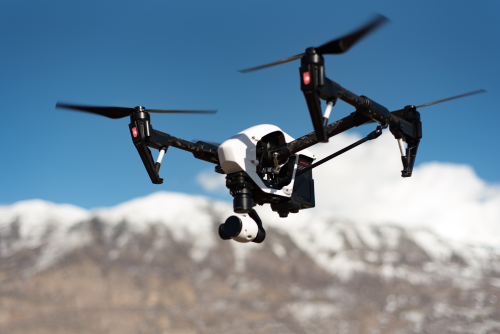
The best drones for family vacations are rarely the biggest or the most expensive. The right pick is the one you will actually pack, launch safely in a few minutes, and trust to capture memories without taking over the trip. For most travelers, that means choosing between a light folding camera drone, a simple selfie drone, or a more serious creator model if content quality really matters.
Quick Take
If you want the shortest answer on the best drones for family vacations, start here:
- Best overall for most families: DJI Mini 4 Pro
- Best for absolute beginners who want low-friction family clips: DJI Neo
- Best lower-cost first buy: DJI Mini 4K or the DJI Mini 3 tier
- Best for travel creators: DJI Air 3S
- Best for working pros who still want a travel-friendly kit: DJI Air 3S
- Best for working pros who care more about lens flexibility than bag space: DJI Mavic 3 Pro
- Best FPV option for dynamic vacation footage: DJI Avata 2, but only as a second drone or for experienced pilots
At-a-glance comparison
| Pick | Best for | Why it stands out | Main compromise |
|---|---|---|---|
| DJI Mini 4 Pro | Most travelers | Light, capable, beginner-friendly, excellent travel balance | Costs more than true entry-level models |
| DJI Neo | Non-pilots, families, quick social clips | Fast setup, palm-launch style convenience, low hassle | Limited image quality and wind performance |
| DJI Mini 4K / Mini 3 tier | Cautious first-time buyers | Lower-risk entry into real camera drones | Fewer safety and automation features |
| DJI Air 3S | Creators, vloggers, hybrid hobby/pro users | Better image flexibility and stronger all-around performance | Bigger, louder, and less “grab-and-go” |
| DJI Mavic 3 Pro | Working pros | More professional output and lens options | Bulk, cost, and more travel friction |
| DJI Avata 2 | FPV pilots, action-focused creators | Unique immersive footage and dynamic movement | Not a general family vacation drone |
Most of the strongest travel-friendly options today sit in DJI’s ecosystem because the company still leads in portability, app polish, camera performance, and accessory support. If you prefer another brand, match the drone class first: selfie drone, sub-250 g travel camera drone, mid-size creator drone, or pro folding drone.
What actually makes a drone good for family vacations?
Family travel changes what “best” means.
A great real estate drone, mapping drone, or heavy professional camera platform can be the wrong vacation drone. On vacation, the winning drone is usually the one that disappears into your bag and does not create stress.
Here’s what matters most.
1. It has to be easy to carry all day
If the drone needs its own backpack, many families will stop bringing it after day one.
For vacations, portability matters more than spec-sheet bragging rights. Small folding drones and compact selfie drones win because they fit into a day bag, sling, or stroller basket without becoming the star of the trip.
2. It should launch fast
Vacation flying often happens in short windows:
- early morning before breakfast
- golden hour at a beach or overlook
- a quiet moment during a hike
- a quick family clip near a scenic stop
If setup is slow, those moments pass. That is why beginner travelers often get more real footage from a simple drone than from a “better” one that feels like work.
3. Beginner safety features matter more than advertised flight time
New buyers often obsess over maximum flight time. In real travel use, it is usually more important to have:
- reliable return-to-home
- stable hovering
- predictable controls
- decent obstacle sensing or at least solid beginner handling
- easy-to-replace props
- a good app and clear prompts
One crash on day two can ruin the rest of the trip.
4. The camera only needs to match your real output
Be honest about where your footage ends up.
If you mainly want: – family memories – short social clips – scenic vacation video – easy phone edits
you probably do not need a large pro drone.
If you need: – brand content – tourism deliverables – commercial social campaigns – high-end color grading – lens flexibility for paid edits
then the creator and pro tiers make more sense.
5. Social footprint matters
Vacation drones operate around other people. Noise, size, and how “serious” a drone looks can change how comfortable a location feels.
A quiet, compact drone that you fly briefly and respectfully is often better for travel than a large aircraft that attracts attention, worries bystanders, or makes you hesitate to launch.
6. You need a support ecosystem, not just a drone
For travel, support matters:
- spare props
- replacement batteries
- charger options
- easy firmware updates
- common memory cards
- repair availability
- a mature app with airspace and flight status tools
This is one reason mainstream travel drones beat off-brand bargain models. On a family trip, reliability is part of the product.
The best drones for family vacations
DJI Mini 4 Pro: best overall for most families
If you only want one recommendation, this is the safest all-around answer for most buyers.
The DJI Mini 4 Pro sits in the sweet spot between portability, camera quality, and beginner confidence. It is small enough to feel like a travel drone, but capable enough that many creators and even some professionals still use it seriously.
Why it works so well on family trips
- It is light and easy to pack.
- It is more beginner-friendly than cheaper Mini models.
- Its safety features are strong enough to reduce common travel mistakes.
- It produces footage that feels meaningfully better than toy drones and basic selfie drones.
- It fits both scenic landscapes and everyday family travel clips.
For many travelers, it is the best answer because it does not force a painful compromise. It is not the cheapest, but it is often the drone people keep longest.
Best for
- first-time buyers who want to get it right once
- couples and families who want a real camera drone
- travel creators who need vertical and horizontal content
- buyers who want the easiest upgrade path without jumping into larger gear
Who should skip it
Skip it if:
- you want the simplest possible “tap and go” family clip tool
- you are very budget-sensitive
- you need more professional camera flexibility than a Mini-class drone can provide
DJI Neo: best for absolute beginners and low-hassle family clips
Some people do not want a drone hobby. They want quick, fun, shareable footage of the family on a trip.
That is where the DJI Neo makes sense.
This is the type of drone for buyers who want the fastest path from “I opened the bag” to “I have a clip worth sharing.” It is much less intimidating than a traditional camera drone, and that simplicity matters more than raw image quality for plenty of vacation users.
Why it works
- very low setup friction
- compact enough to carry almost anywhere
- well suited to short family clips and casual social media content
- less mentally demanding for total beginners
- friendlier for travelers who do not want to manage a full drone workflow
Where it falls short
The tradeoff is simple: it is not a serious landscape or creator-first drone.
Compared with a Mini or Air model, you give up:
- stronger performance in wind
- more flexible image quality
- more traditional flight feel
- better scenic travel cinematography
Best for
- parents who want easy clips, not a new hobby
- travelers who mainly shoot short social videos
- buyers nervous about managing a more conventional drone
Who should skip it
If your goal is cinematic travel footage, photography, or serious editing, you will outgrow this class quickly.
DJI Mini 4K or Mini 3 tier: best lower-cost entry into real travel drones
For buyers who are unsure how much drone they really need, the lower-cost Mini tier is still one of the smartest starting points.
The key idea here is not chasing the cheapest drone on the market. It is buying the cheapest real drone that still feels trustworthy, stable, and worth traveling with.
Why this tier makes sense
- easier on the wallet than a Mini 4 Pro
- still portable and travel-friendly
- enough camera quality for family memories and casual creator use
- better long-term value than disposable toy drones
- a good fit if you are still deciding whether drones will become a lasting habit
The important tradeoff
This is where buyer regret often happens.
Lower-cost Mini models usually give up some mix of: – obstacle sensing coverage – advanced subject tracking – more polished automation – stronger “safety net” features
That does not make them bad. It just means you need to fly with more discipline.
Best for
- first-time buyers with a limited budget
- travelers who will mostly fly in open spaces
- cautious buyers who want a real drone without paying for every premium feature
Who should skip it
Avoid this tier if you know you want: – stronger automation – more advanced safety features – more serious creator output – a drone you can grow into for several years without feeling limited
DJI Air 3S: best for creators who care about image quality and wind performance
If your family vacation is also a content trip, the DJI Air 3S is where the conversation gets more serious.
This is the drone for travel creators, brand shooters, and hybrid hobbyists who want better footage than a Mini-class drone usually delivers, while still keeping the kit reasonably portable.
Why creators like it
- more robust image performance than the Mini tier
- stronger confidence in wind and more demanding conditions
- better flexibility for composing travel shots
- better fit for people who edit seriously, not just post quick clips
- a practical bridge between casual travel and paid content
In real buying decisions, this is often the best “I want professional-looking results without carrying a full pro kit” option.
Best for
- travel creators and vloggers
- photographers who also want better video
- semi-pro users combining personal travel with occasional paid work
- buyers who know image quality matters more than absolute compactness
The tradeoff
You feel the size increase.
Compared with Mini-class drones, the Air 3S is: – bulkier in a day bag – more noticeable to bystanders – less spontaneous on quick family stops – a bigger emotional and financial hit if something goes wrong
If you are choosing between the Mini 4 Pro and Air 3S, ask yourself one question: Will the extra image capability actually change what you create, or will it just stay in the hotel room more often?
DJI Mavic 3 Pro: best for working pros who still need a vacation-capable drone
For actual working professionals, the family-vacation drone question is different.
You may need to capture: – client-grade travel content – hospitality footage – brand assets – tourism deliverables – premium scenic material that holds up in a paid workflow
That is where the DJI Mavic 3 Pro earns its place.
Why it still makes sense
- more serious imaging flexibility
- better fit for paid production expectations
- more room to shape polished, premium-looking travel footage
- a stronger “work first” answer than Mini or Neo models
The problem
It is easy to overbuy here.
For a true family vacation, the Mavic 3 Pro can be: – too bulky – too expensive to relax with – too noticeable in public places – too much drone for destinations where flight access is limited anyway
Best advice for most pros
If the trip is mainly family time and only secondarily content time, the Air 3S is often the smarter choice.
Choose the Mavic 3 Pro when: – paid output is non-negotiable – lens flexibility matters to your workflow – you already know you will carry and use it – you can justify the extra size, risk, and travel friction
DJI Avata 2: best FPV option, but not your only family vacation drone
The DJI Avata 2 can deliver vacation footage no standard camera drone can match. If you want dynamic motion, action sequences, and immersive movement, it is a compelling travel tool.
But for most family travelers, it is a bad only-drone choice.
Why FPV can be incredible on vacation
- dynamic follow shots
- action sports coverage
- unique movement through terrain
- footage that feels completely different from standard aerial clips
Why it is a niche pick
FPV adds real constraints:
- steeper learning curve
- more noise
- faster battery cycling
- tighter flying discipline
- less suitability around people and casual tourist spaces
If you already fly FPV, the Avata 2 can be a great vacation second drone. If you are buying your first travel drone, choose a Mini or Air model instead.
Which drone fits which traveler?
If you want this in plain English, here is the simplest way to decide.
Choose the DJI Neo if…
- you do not want a drone hobby
- you mainly want easy family clips
- you value convenience over camera ambition
- you will use it for quick social content more than scenic filmmaking
Choose the DJI Mini 4 Pro if…
- you want one drone that does almost everything well
- you are a beginner but want room to grow
- you care about both safety features and image quality
- you want the best overall family-vacation balance
Choose the DJI Mini 4K or Mini 3 tier if…
- you want to start smaller financially
- you are okay learning more manual discipline
- you mostly fly in open, forgiving spaces
- you want a real drone, not a novelty purchase
Choose the DJI Air 3S if…
- content quality is a real priority
- you edit seriously
- you shoot for YouTube, brands, or paid social work
- you want a stronger creator tool without jumping to full pro bulk
Choose the DJI Mavic 3 Pro if…
- you are a working pro first
- deliverables justify the size and cost
- you need more professional lens flexibility
- this trip includes real paid output, not just “maybe I’ll use it later”
Choose the DJI Avata 2 if…
- you already understand FPV discipline
- dynamic action footage is the goal
- it is a second drone, not your only travel aircraft
Safety, legal, and travel checks you cannot skip
Family-vacation drone buying is also a compliance decision.
Rules vary widely by country, and tourist-friendly destinations are often stricter than people expect. Some places allow drone ownership but restrict tourist use. Others have local bans in parks, beaches, heritage areas, or resort property even when national aviation rules might allow flight.
Before you fly, verify all of the following with the relevant authority, venue, airline, or property manager.
Pre-trip checklist
-
Confirm whether tourists may bring and fly drones at your destination.
Import, customs, or temporary-use restrictions may apply in some countries. -
Check national aviation requirements.
That can include registration, pilot competency rules, remote ID requirements, sub-250 g exceptions, and line-of-sight obligations. -
Check local takeoff and landing restrictions.
National rules are not the whole story. Parks, beaches, resorts, marinas, archaeological sites, ski areas, and private venues may prohibit launches. -
Review restricted airspace.
Airports, heliports, emergency scenes, military areas, prisons, and sensitive infrastructure often have tighter rules. -
Verify airline battery rules.
Most airlines require lithium batteries in carry-on baggage with terminals protected. Quantity and packing limits can vary by carrier. -
If any paid work is involved, verify commercial-use rules.
In many places, filming for a client, brand, campaign, or monetized deliverable may be treated differently from recreational use. -
Consider privacy and local expectations.
Even where flight is legal, hovering near hotel balconies, crowded beaches, or private homes can create real problems.
Practical safety reminders
- Do not fly over crowds, including your own family.
- Do not assume obstacle avoidance makes tree-lined areas safe.
- Avoid launching from sand, dust, or unstable surfaces when possible.
- Be extra conservative near water, cliffs, and boats.
- High heat, strong coastal wind, and salt air all increase risk.
- Keep children well clear of spinning props and active takeoff areas.
When in doubt, leave the drone packed. A gray-area vacation flight is rarely worth the risk.
Common mistakes buyers make
Buying too much drone
A large “pro” drone sounds exciting until you realize you do not want to carry it to breakfast, the beach, or a half-day excursion.
If the drone is inconvenient, you will get less footage from it.
Assuming sub-250 g means “rule-free”
A lighter drone can reduce friction in some countries, but it does not erase all rules. Registration, remote ID, no-fly zones, venue restrictions, and privacy laws may still apply.
Treating automated tracking like a guarantee
Subject tracking is helpful, not magic. Trees, wires, slopes, poor lighting, and sudden movement can still cause problems.
Buying an FPV drone as a first family travel drone
FPV is exciting, but it is a specialized workflow. For most vacation buyers, a conventional camera drone is the better first purchase.
Not practicing before the trip
The airport, beach, cliff, or resort is the wrong place for your first takeoff. Learn the controls, return-to-home behavior, battery routine, and app prompts at home first.
Ignoring social footprint
A drone can be technically legal and still be the wrong choice for a crowded viewpoint or quiet family area. Travel flying works best when it is brief, respectful, and low-drama.
Accessories worth buying with the drone
Do not over-accessorize. Buy the items that reduce friction and prevent ruined flights.
The basics that actually matter
- One or two extra batteries
- Spare propellers
- A reliable memory card
- A compact charger or power bank solution
- A small case you will actually carry
- A cloth or simple cleaning kit for travel dust and salt spray
Nice to have, not essential for everyone
- ND filters if you already understand exposure control
- a small landing pad for dusty or sandy locations
- a brighter screen setup if you often shoot in harsh sun
The best accessory decision is often restraint. A lighter, simpler kit gets used more.
FAQ
Is a sub-250 g drone always the best choice for travel?
Not always, but it is the best starting point for most travelers. This class is easier to carry, less intrusive, and may reduce regulatory friction in some places. Still, lighter weight does not mean “no rules,” so always verify destination-specific requirements.
Can I bring drone batteries on a plane?
Usually yes, but you should verify your airline’s current policy before you travel. Lithium batteries are commonly required in carry-on baggage, with terminals protected and quantity limits depending on the carrier.
Can I fly at beaches, resorts, or national parks?
Sometimes, but never assume. Many beaches, hotel properties, protected parks, and tourist sites have their own rules that may be stricter than national aviation