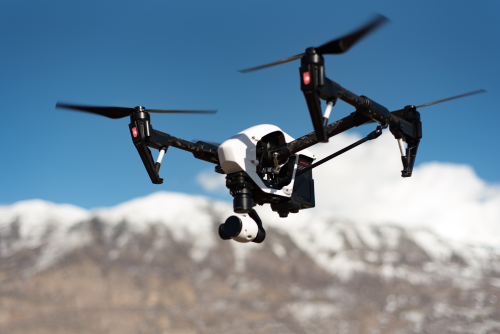
The best drones for foldable design are not automatically the smallest ones. A folding airframe only helps if the full kit stays easy to carry, quick to deploy, legal to travel with, and capable enough once you are airborne. Before you buy, focus less on the marketing around compact size and more on weight class, camera quality, wind performance, battery workflow, and the support ecosystem behind the drone.
Quick Take
If foldability is your top priority, the right choice usually comes down to five buyer profiles:
- For most beginners and travelers: a sub-250 g foldable drone is the safest starting point. The DJI Mini 4 Pro is the clearest example in this class.
- For creators who want one drone to do almost everything: the DJI Air 3 is one of the strongest foldable all-rounders because it balances portability, wind performance, and lens flexibility.
- For premium image quality in a folding body: the DJI Mavic 3 line makes more sense than smaller drones if color work, client delivery, or low-light performance matters.
- For inspection, mapping, or enterprise teams: a consumer travel drone is usually the wrong tool. A foldable enterprise platform such as the DJI Mavic 3 Enterprise or Mavic 3 Thermal is a better fit if your workflow needs mission planning, thermal, or operational reliability.
- For buyers who want a non-DJI option: Autel EVO Nano+ and Autel EVO Lite+ are still among the most relevant foldable alternatives, but regional support and software fit matter as much as the aircraft itself.
The biggest buying mistake is simple: shopping by folded size instead of total workflow fit. The drone body may fold small, but the controller, batteries, charger, prop guards, and case often decide whether it is truly portable.
Key Points
- Foldable design matters most for travel, daily carry, storage, and fast deployment.
- It matters less if your real problem is wind, image quality, mapping accuracy, ruggedness, or field repairability.
- A sub-250 g class foldable drone reduces friction for many buyers, but it does not remove the need to verify local registration, competency, airspace, and privacy rules.
- The best foldable drone for you is usually the smallest model that still meets your camera, wind, safety, and support needs.
- If you are an FPV-first pilot, a foldable GPS camera drone is usually a companion tool, not a replacement for a proper FPV setup.
The foldable drone types worth comparing
| Buyer type | Best foldable class | Good examples to compare | What you gain | What may frustrate you |
|---|---|---|---|---|
| Beginner, traveler, casual creator | Sub-250 g foldable | DJI Mini 4 Pro, DJI Mini 3, Autel EVO Nano+ | Lowest carry burden, easier travel planning, quick setup | Less authority in wind, smaller camera system |
| Hybrid creator, real estate, social content | Mid-size foldable | DJI Air 3, Autel EVO Lite+ | Better wind handling, more versatile shooting, stronger all-round capability | Bigger batteries, larger bag, more noticeable footprint |
| Professional aerial photo/video | Premium foldable | DJI Mavic 3 Classic, DJI Mavic 3 Pro | Better image latitude, stronger low-light results, more client-ready output | Cost, bulk, higher replacement stress |
| Inspection, public safety, survey, utilities | Enterprise foldable | DJI Mavic 3 Enterprise, DJI Mavic 3 Thermal | Specialized workflow tools, mission reliability, payload-specific capability | Software dependence, training, procurement complexity |
| FPV pilot wanting a second drone | Small or mid-size camera drone | Mini 4 Pro or Air 3 as companion platforms | Fast scenic capture, easy GPS-assisted shots | Not a substitute for freestyle, chase, or acro flying |
What foldable design actually solves
Foldable design is useful, but buyers often overrate what it changes.
Where it genuinely helps
A folding drone usually improves:
- Bag efficiency: easier to fit into a daypack, camera cube, or carry-on
- Storage safety: arms and props are less exposed in transit
- Take-it-with-you frequency: a drone you can pack easily gets used more often
- Travel convenience: especially for city breaks, hikes, road trips, and mixed creator kits
- Workday flexibility: easier to keep in a vehicle or field bag without dedicating a hard case
Where it does not magically help
A foldable drone does not automatically solve:
- strong wind
- long commercial flight days
- difficult lighting
- mapping accuracy
- rugged field repair
- battery restrictions on airlines
- local aviation or privacy rules
- total kit size once extra batteries and controllers are added
That is why “best drones for foldable design” is really a question about which compromises you can live with.
What actually matters before you buy
1. Total packed kit size, not just folded drone size
This is the first thing most buyers get wrong.
A folding drone body may look tiny in product photos, but your real carry footprint includes:
- controller
- spare batteries
- charger or charging hub
- cable kit
- memory cards
- ND filters if you shoot video
- landing pad, prop guards, or beacon if your use case needs them
- hard case or pouch
A small drone with a bulky screen controller and three batteries can take more bag space than expected. If portability is your main reason for choosing foldable design, compare the entire ready-to-fly kit, not the aircraft alone.
2. Weight class and regulatory friction
For global buyers, weight class matters almost as much as camera quality.
A sub-250 g drone is attractive because many jurisdictions treat that class more lightly than heavier drones. But “lighter rules” does not mean “no rules.” In many places you may still need some combination of:
- registration
- operator competency or training
- electronic identification or remote ID compliance
- airspace authorization
- local permission from parks, venues, or land managers
- privacy and data protection compliance
- commercial insurance or client-specific insurance
If you travel often, a smaller foldable drone may reduce friction. Just do not assume it removes it.
3. Wind performance is more important than most first-time buyers expect
This is the main reason some people regret buying the smallest drone.
If you mostly fly in:
- coastal areas
- mountains
- open farmland
- boats or harbors
- colder seasons
- late afternoons with stronger gusts
then a very light drone can become limiting fast. Smaller foldable drones are excellent travel tools, but mid-size foldable drones usually feel more confident in real-world wind and recover better when the weather shifts.
If your content or work depends on getting the shot on schedule, size alone should not decide the purchase.
4. Camera system and output requirements
Many buyers say they want a foldable drone, but what they really want is a better camera in a portable body.
Ask these questions first:
- Do you mainly post to social platforms, or do you deliver to clients?
- Do you need strong still photos, better video grading flexibility, or both?
- Do you need multiple focal lengths, not just one wide view?
- Do you shoot sunrise, sunset, interiors, or low-light scenes?
A few practical rules:
- Mini-class drones are often good enough for travel, social content, and casual photography.
- Air-class drones are stronger for creators who want a more polished look and better shot variety.
- Mavic-class drones make more sense when image quality affects revenue, client approval, or serious post-production.
If you care about grading, look for support for higher-quality recording options and flat or log-style profiles, which preserve more flexibility for color correction later.
5. Safety features and recovery confidence
Foldable design is great, but safety systems often matter more in daily use.
Look at:
- obstacle sensing coverage
- return-to-home reliability
- subject tracking performance
- low-light sensor confidence
- landing protection and precision behavior
- app warnings and flight status clarity
For beginners and solo operators, good sensing and a stable return-to-home system can prevent expensive mistakes. For experienced pilots, those features are still valuable in tight workdays, unfamiliar travel locations, and client environments.
6. Battery workflow and honest endurance
Published endurance figures are not the same as useful flight time.
Real-world flight time changes with:
- wind
- temperature
- speed
- climbing
- repeated tracking shots
- payload changes
- battery age
More important than the headline number is your battery workflow:
- How many batteries do you realistically need?
- Can you charge from USB-C, vehicle power, or only a dedicated brick?
- How quickly can you turn batteries around while traveling?
- Is the battery line widely available in your region?
A foldable drone that fits your bag but needs constant power planning can still become annoying.
7. Controller choice affects portability more than people think
For many buyers, the controller is the real portability decision.
A controller with a built-in screen usually offers:
- faster setup
- better outdoor visibility
- fewer phone notifications and interruptions
- a cleaner flight workflow
A phone-based controller may save money and sometimes save space, but it adds cable setup and depends on your phone battery, compatibility, and brightness.
If you travel light, compare the controller size as seriously as the aircraft.
8. Repair support, parts, and long-term ownership
Foldable drones have hinges, moving arms, compact gimbal assemblies, and tightly integrated components. That makes them convenient, but also worth evaluating for support.
Before buying, check:
- local or regional service availability
- battery and propeller availability
- turnaround times for repairs
- whether care plans or service plans are available where you live
- used market support if you may resell later
For enterprise teams, also check:
- firmware management policy
- fleet consistency
- training burden
- software compatibility
- data handling expectations
A foldable drone with weak after-sales support can become the expensive kind of portable.
Best foldable drones by buyer profile
Best for most beginners and travelers: DJI Mini 4 Pro
If your goal is simple—carry less, fly more, and still get strong photo and video results—the Mini 4 Pro is one of the easiest foldable drones to recommend.
Why it works
- Very travel-friendly size class
- Strong feature set for a small drone
- Beginner-friendly safety and automation
- Good fit for vacation shooting, hiking, casual aerial photography, and social video
Who it fits best
- first-time buyers
- travelers
- content creators who want low packing stress
- people who want the least intrusive drone kit possible
Who may regret it
- pilots who often fly in gusty locations
- users expecting premium low-light performance
- commercial operators needing more authority, longer-lens options, or stronger client-facing image depth
If portability is your top priority, this is the benchmark many buyers should start with.
Best foldable all-rounder for creators: DJI Air 3
The Air 3 is where many buyers land after realizing a tiny drone is not always enough. It is still very packable, but it feels more like a serious tool than an ultra-light travel compromise.
Why it works
- Better wind confidence than Mini-class drones
- Dual-camera flexibility makes a real difference in storytelling
- Good middle ground between travel convenience and professional-looking output
- Works well for real estate, branded social content, tourism media, and hybrid creator workflows
Who it fits best
- creators who want one drone for most jobs
- buyers upgrading from an entry-level model
- pilots who shoot in more varied weather or more demanding locations
Who may regret it
- people who want the lightest possible travel setup
- casual users who only fly a few times per year
- buyers who really need top-end image quality and should move straight to Mavic-class
For many people, the Air 3 is the best answer when foldability matters but capability matters almost as much.
Best premium foldable camera drone: DJI Mavic 3 Classic or Mavic 3 Pro
If your drone needs to earn money through image quality, the Mavic 3 family deserves a different kind of attention.
Why it works
- More serious main-camera performance
- Better fit for high-end stills and video delivery
- More room for grading, cropping, and polished commercial work
- Still portable enough to travel without moving into heavy case territory
Choose the Classic if
- you value the stronger main camera more than extra lens complexity
- you want a simpler premium platform
- your work centers on high-quality wide aerials
Choose the Pro if
- you benefit from multiple focal lengths in the field
- you shoot a wider range of commercial scenes
- your workflow rewards lens choice more than simplicity
Who may regret it
- buyers who mostly post quick travel clips
- anyone trying to keep the smallest, lowest-stress kit
- beginners who are not ready for a more expensive replacement decision
This is where foldable design stops meaning “tiny” and starts meaning “surprisingly compact for what it can do.”
Best foldable drone for enterprise teams: DJI Mavic 3 Enterprise or Mavic 3 Thermal
Not every foldable drone is a travel drone. In enterprise, foldability is valuable because it reduces transport volume while preserving a more work-ready platform.
Why it works
- Easier to deploy than larger industrial systems
- Better fit for vehicle kits and mobile teams
- Purpose-built for mission workflows rather than creator content alone
- Thermal variants support inspection and public safety use cases where a consumer drone falls short
Who it fits best
- survey and mapping teams
- inspectors
- utility teams
- public safety units
- field operations that need a deployable but compact aircraft
What to verify before buying
- mission planning software fit
- payload requirements
- thermal or mapping output standards
- data policy
- support contracts
- training and compliance needs in your jurisdiction
If your work produces reports, measurements, inspections, or incident response outputs, do not buy a travel drone just because it folds.
Best non-DJI foldable alternatives: Autel EVO Nano+ and EVO Lite+
Some buyers want to avoid the DJI ecosystem, or at least compare outside it. Autel remains one of the most relevant names in foldable camera drones.
EVO Nano+ makes sense if
- you want a small, travel-friendly alternative
- you are comparing directly against Mini-class drones
- local availability and support are solid in your region
EVO Lite+ makes sense if
- you want a larger camera-focused foldable option
- you value image quality over absolute compactness
- you want a non-DJI creator platform to evaluate seriously
The main caution
With alternatives, the aircraft itself is only half the story. Verify:
- regional support
- parts availability
- firmware maturity
- app stability
- controller experience
- resale demand in your market
The best alternative on paper can be the wrong buy if replacement batteries or service are hard to get where you operate.
When foldable design should not be your main priority
There are cases where “foldable” is the wrong first filter.
FPV pilots
If your goal is freestyle, racing, cinematic chase, or manual acro control, a foldable GPS camera drone is not the right substitute. FPV frames usually prioritize rigidity, repairability, and crash tolerance over compact folding design.
Heavy-wind or offshore work
If reliability in challenging conditions matters more than carry size, move your focus toward platform stability, safety margins, and redundancy.
Training fleets and rugged operations
If multiple users will handle the aircraft often, durability, fast field replacement, and standardized accessories may matter more than folded footprint.
Common mistakes people make when buying a foldable drone
1. Buying for pocketability and ignoring wind
A tiny foldable drone is fun until you regularly fly where it struggles.
2. Assuming sub-250 g means rule-free flying
It does not. Always verify local aviation and land-use requirements.
3. Underestimating total ownership cost
Extra batteries, a charging hub, memory cards, spare props, and a better case often matter more than the difference between two aircraft.
4. Choosing the wrong camera tier
Many people either overspend on a premium drone they do not need or underspend and quickly outgrow the image quality.
5. Ignoring controller workflow
A great aircraft paired with a controller you dislike will get flown less.
6. Treating a creator drone like an enterprise tool
Real mapping, thermal, inspection, or public safety work often needs more than a foldable consumer camera drone can provide.
7. Buying used without checking the hinge and gimbal condition
On used foldable drones, inspect: – arm play or looseness – propeller wear – gimbal smoothness – battery swelling – controller compatibility – firmware and account status – crash history if the seller will disclose it
Safety, legal, travel, and compliance limits to know
Foldable design makes drones easier to carry, not easier to ignore the rules.
Before flying or traveling, verify:
- whether the drone or operator must be registered
- whether remote ID or electronic identification applies
- whether airspace approval is required
- whether parks, beaches, heritage sites, or venues prohibit takeoff or landing
- whether commercial work triggers extra permissions, insurance, or pilot requirements
- whether privacy, filming, or data-collection laws affect your operation
For air travel, check your airline and departure-country rules on lithium batteries. Airlines commonly require spare batteries to be carried in cabin baggage rather than checked baggage, with terminals protected and quantity or watt-hour limits enforced. Do not guess at the airport.
If you fly for clients, also verify:
- insurance requirements
- site-specific risk controls
- landowner permission
- local people-and-property separation rules
- any client data-handling expectations
A simple checklist before you buy
Use this sequence instead of shopping by brand hype.
- Define your main 80% use case. Travel, social content, real estate, mapping, inspection, or premium film work?
- Pick the smallest class that can truly handle it. Not the smallest class you hope will handle it.
- Decide your minimum camera standard. Casual content, polished creator work, or client-grade delivery?
- Compare full-kit portability. Drone, controller, three batteries, charger, filters, and bag.
- Check wind and location reality. Where will you actually fly most often?
- Review support in your region. Batteries, props, repairs, warranty, and resale.
- Verify compliance needs early. Especially if you travel or fly commercially.
- If buying used or refurbished, inspect wear points carefully.
If you do those eight steps, you will avoid most foldable-drone regret.
FAQ
Are foldable drones less durable than fixed-arm drones?
Not automatically, but they do add hinges and compact moving parts that deserve care. For everyday travel and creator use, modern foldable drones are usually durable enough if transported properly. For crash-heavy flying or harsh field repair conditions, fixed or modular frames can be more practical.
Is a sub-250 g foldable drone always the best choice for travel?
Not always. It is often the easiest travel category, but if you shoot in wind, need better image quality, or deliver client work, a slightly larger foldable drone may serve you better. Smaller is only better if it still performs when you arrive.
Are foldable drones good enough for commercial work?
Yes, many are. Real estate, tourism media, inspections, marketing content, and some small business jobs are commonly done with foldable drones. But commercial suitability depends on output quality, workflow, insurance, local compliance, and whether you need specialized tools like thermal or mapping functions.
Can I take a foldable drone on a plane?
Often yes, but battery rules are the key issue. Spare lithium batteries usually have specific airline handling requirements, and some countries also have import, customs, or permit restrictions around drones. Check your airline, departure country, destination country, and any local aviation authority guidance before travel.
Is obstacle sensing worth paying for on a foldable drone?
For most beginners and solo creators, yes. It does not replace good judgment, but it can reduce risk in unfamiliar locations and improve confidence. If you fly manually in open areas and know your limitations, it may matter less, but most buyers appreciate it.
Should I buy a screen controller or use my phone?
A screen controller is usually better for convenience and faster setup. A phone-based controller can be cheaper and sometimes lighter, but it adds more friction. If you want the drone to be something you actually carry and use often, the controller experience matters a lot.
What is the best foldable drone for an FPV pilot who also travels?
Usually a small or mid-size GPS camera drone as a second system, not a replacement for your FPV quad. A Mini-class drone is great if portability is everything. An Air-class drone is better if you want more polished scenic footage and better wind performance.
Should I buy the combo bundle or the base kit?
Most serious buyers are happier with the combo if it includes extra batteries and a charging solution. A base kit can work for occasional use, but many people end up buying the same extras later at a higher effective cost. Just make sure the included controller and accessories match how you actually travel and fly.
The decision that saves most buyers from regret
Choose the smallest foldable drone that still meets your real camera, wind, safety, and support needs. For low-friction travel, start with Mini-class. For the best all-round balance, look hard at Air-class. For client-grade image quality, move to Mavic-class. And if your work is enterprise, buy for workflow first and foldability second.