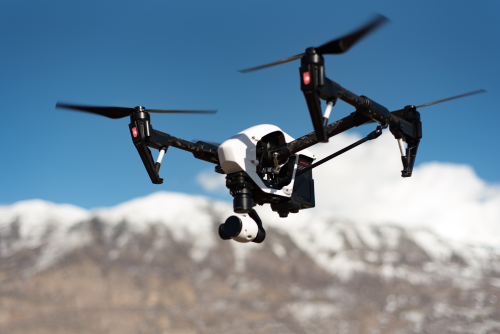
Best drones for FPV practice are rarely the flashiest drones on social media. FPV, or first-person view, means flying through goggles or a live video feed from the aircraft, and the best practice rig is the one you can fly often, crash without panic, repair quickly, and keep using as your skills grow. For beginners, creators, and working pros, the right pick depends less on marketing specs and more on where you will fly, how much you can afford to break, and what kind of pilot you want to become.
Quick Take
If you want the shortest path to the right buy, start here: the best drone for FPV practice is usually a small, durable model that matches your real practice space and your long-term ecosystem.
| Pick | Best for | Why it stands out | Main tradeoff |
|---|---|---|---|
| BetaFPV Cetus X FPV Kit | Absolute beginners who want everything in one box | Low-friction start, protected props, beginner-friendly entry | You may outgrow the included gear |
| Happymodel Mobula6/Mobula7 or BetaFPV Meteor series | Daily practice, indoor reps, real skill-building | Cheap crashes, frequent flights, strong skill transfer | Weak in wind, not for polished hero footage |
| DJI Avata 2 | Creators who want usable footage fast | Smooth creator workflow, approachable flying, strong travel fit | More expensive to crash, not the cheapest way to learn pure acro |
| GEPRC CineLog series | Cinematic FPV practice for client-style shots | Closer to real commercial cinewhoop work | Heavier, pricier, and still not safe around uninvolved people |
| iFlight Nazgul5 series or a matched custom 5-inch | Advanced pilots and working pros building true acro/chase skill | Serious skill transfer, repairable, industry-familiar class | Needs space, discipline, and a higher crash budget |
Key points
- If you are brand new, the smartest first purchase is often a radio controller and simulator, then a tiny whoop.
- If you live in a small space, a 65 mm to 75 mm tiny whoop is usually a better teacher than a larger outdoor rig.
- If you are a creator first and a pilot second, DJI Avata 2 is the most practical shortcut to usable FPV footage.
- If you plan to do paid cinematic FPV work, practice on a platform that resembles your future job rig.
- If a local shop or repair source strongly supports an equivalent model, local parts support can matter more than the exact name on the box.
Why FPV practice drones are a different buying decision
A practice drone is not the same thing as a dream drone.
When people shop for FPV, they often chase image quality, top speed, or the setup their favorite pilot uses. That is how beginners end up buying something too powerful, too fragile, too noisy, or too expensive to fly often. Practice volume matters more than headline performance.
A good FPV practice drone should let you:
- fly often without needing a long trip to a large field
- survive minor crashes
- use affordable batteries and spares
- build muscle memory in a repeatable way
- fit your likely upgrade path
That is why small ducted “whoops” and other micro FPV drones are so important. They lower the cost of mistakes. And in FPV, mistakes are part of the training plan.
How to choose the right FPV practice drone
Match the drone to your real practice space
This is the first filter, and it eliminates a lot of buyer regret.
If you will mostly fly indoors or in tiny outdoor areas
Buy a tiny whoop. That usually means a very small ducted FPV drone built for living rooms, garages, gym spaces, courtyards, or calm small parks. This is the best option for most true beginners.
If you have a backyard, small field, or quiet open park
A larger micro or cinewhoop can make sense, especially if you want better footage or more wind tolerance. But if your space is inconsistent, a tiny whoop still gives you more flight time and less stress.
If you have reliable access to large open areas
A 5-inch FPV drone becomes realistic. This is where serious acro, freestyle, and chase skills really develop, but it is not the ideal first step for most people.
Buy for crash economics, not spec sheets
Ask a simple question: what does a bad day cost?
That includes:
- props
- arms
- motors
- batteries
- camera components
- time spent repairing
- lost confidence after a hard crash
The best drone for practice is usually the one that keeps you flying after mistakes instead of grounding you for weeks.
Pick your ecosystem early
FPV purchases are connected. Your radio, goggles, batteries, charger, and spare parts all push you into an ecosystem.
The main choices to think through are:
- Radio link: ELRS, short for ExpressLRS, is widely adopted and popular because it offers strong performance and a large ecosystem.
- Video system: analog is cheaper and more crash-friendly; digital is clearer and often better for creators.
- Battery type and charging: some drones are easy to keep fed with affordable packs, others make every session more expensive.
- Repair support: can you actually get props, motors, ducts, arms, and batteries where you live?
If you are unsure, choose the ecosystem that is easiest to repair and easiest to expand locally.
Decide what skill you are training
Not every FPV drone teaches the same thing.
- Tiny whoops teach orientation, throttle control, gap discipline, and frequent reps.
- Avata-style creator drones teach smooth line choice and practical content capture.
- Cinewhoops teach proximity, interior flow, and commercial-style shot discipline.
- 5-inch freestyle drones teach open-field control, power management, and true acro confidence.
The wrong drone can still be fun. But it may not train the skill you actually care about.
The right picks for different FPV buyers
Best complete starter pick: BetaFPV Cetus X FPV Kit
If you want the easiest possible start, the BetaFPV Cetus X FPV Kit is one of the clearest answers.
It works because it removes the biggest beginner friction points:
- you do not need to piece together a radio, goggles, batteries, and drone separately
- the small ducted format is more forgiving than a larger open-prop rig
- you can begin learning without becoming a compatibility expert on day one
This is the kind of buy that makes sense for someone who wants to test whether FPV is for them before committing to a bigger ecosystem.
Buy this if
- you are completely new
- you want one box with minimal setup stress
- you mostly care about learning basics and getting in the air soon
Skip this if
- you already know you want a long-term modular setup
- you want the best goggles or radio from the start
- you plan to move quickly into higher-end cinematic or freestyle rigs
Regret risk
The usual regret is not that it flies poorly. It is that you outgrow the included gear and end up replacing much of the kit. That still may be worth it if your bigger risk is never getting started at all.
Best pure skill-builder for most people: tiny whoops like the Happymodel Mobula6/Mobula7 or BetaFPV Meteor series
For actual FPV practice, this is the smartest category for most buyers.
A tiny whoop is a small ducted micro drone designed for frequent flight in small spaces. Models like the Happymodel Mobula6, Mobula7, and BetaFPV Meteor line are popular because they offer the thing FPV learners need most: repetition.
You can fly them more often, repair them more cheaply, and build real stick control without the intimidation of a larger rig.
Why this class works so well:
- crashes are usually lower consequence
- batteries are comparatively manageable
- you can practice daily instead of waiting for the perfect field
- the skills transfer surprisingly well
A good tiny whoop will not produce the most dramatic footage. That is not the point. The point is to build habits.
Buy this if
- you want the highest number of flights per week
- you live in an apartment or dense area
- you want real manual control growth
- you already own or plan to buy separate goggles and a better radio
Skip this if
- your main goal is polished cinematic deliverables right away
- you only want to fly in wind or big open spaces
- you dislike doing small repairs
Regret risk
People sometimes regret a tiny whoop because the video quality is basic and wind handling is limited. That regret usually comes from buying the right trainer for the wrong goal. If your goal is skill, it is one of the best purchases in FPV.
Best creator-friendly FPV practice drone: DJI Avata 2
If you are a creator who wants a practical bridge between learning FPV and producing usable footage, DJI Avata 2 is the strongest mainstream option.
It is not the cheapest way to learn, and it is not the most repair-friendly route. But it reduces a lot of the friction that keeps creators from actually practicing:
- the workflow is polished
- the footage can be useful early
- the drone is more approachable than a raw 5-inch freestyle setup
- the system packs well for travel and creator use
The important caveat: if you want real FPV skill, use a proper stick controller and spend time in manual mode. If you only rely on heavily assisted flight modes, you may get good-looking clips without building transferable control.
Buy this if
- you are a travel creator, filmmaker, or hybrid shooter
- you care about low-friction shooting as much as pure piloting
- you want an FPV system that feels more integrated than a pieced-together build
Skip this if
- your top goal is cheap high-volume crash practice
- you want maximum repairability and parts-level flexibility
- you mainly want to progress into freestyle or racing culture
Regret risk
The biggest regret is buying it thinking it replaces a true practice ladder. It is excellent for creator-oriented FPV and very capable for learning, but a tiny whoop still beats it for cheap daily reps.
Best pick for commercial-style cinematic practice: GEPRC CineLog series
If your end goal is real-estate interiors, controlled fly-throughs, vehicle reveals, hospitality visuals, or other commercial-style cinematic FPV, a GEPRC CineLog model is one of the most logical practice platforms.
The CineLog line represents the cinewhoop category well: ducted FPV drones designed for smoother, closer-proximity filming than a freestyle rig. This is where hobby practice starts to resemble paid client work.
Why it matters:
- the flight style is closer to commercial proximity shots
- you learn how ducts, weight, and stabilization affect line choice
- you build discipline around smooth entries, exits, and spatial awareness
It is a better teacher for commercial FPV than a pure freestyle drone if your work will involve controlled moves around structures and designed spaces.
Buy this if
- you want to practice fly-throughs and cinematic lines
- you aim to offer FPV video services
- you want a bridge from hobby flying to controlled production work
Skip this if
- you are still learning basic orientation
- your only practice space is a living room
- you think ducts make it safe to fly close to uninvolved people
Regret risk
Some buyers assume a cinewhoop is a safe indoor magic wand. It is not. It may be more appropriate for controlled proximity work, but it still carries risk, noise, turbulence, and damage potential. You need a suitable location and strong discipline.
Best advanced practice platform: iFlight Nazgul5 series or a matched custom 5-inch
If you already have foundational FPV skill and want the strongest transfer into serious acro, chase work, and high-performance manual flying, a 5-inch platform is still the benchmark.
The iFlight Nazgul5 series is a well-known example because it sits in a class many FPV pilots understand, repair, and support. For working pros, though, the best answer may be a custom or semi-custom 5-inch that mirrors the system you actually use on jobs.
This class is useful because it teaches:
- momentum management
- line commitment
- wind handling
- throttle precision at higher consequence
- true open-field confidence
For professionals, the smartest move is often to make your practice rig feel like your real rig. That means similar:
- radio link
- rates, or stick sensitivity settings
- camera angle
- video system
- battery behavior
Buy this if
- you already fly micros or cinewhoops comfortably
- you have consistent access to safe open space
- you want advanced manual control and higher-speed confidence
- your work may involve chase, action, or dynamic outdoor shooting
Skip this if
- this is your first FPV drone
- you do not have the repair patience or budget
- you do not have legal, operational, or site conditions that suit a larger FPV drone
Regret risk
The classic regret is buying a 5-inch too early because it looks like “real FPV.” In practice, many people learn faster on something smaller, cheaper, and less intimidating.
Which pick fits your buyer profile best?
If you are a total beginner
Best route:
- Buy a quality radio and use a simulator.
- Start with a tiny whoop or a starter kit like the Cetus X.
- Move up only after you can handle consistent takeoffs, turns, and recoveries.
If you are a creator who wants footage soon
Best route:
- Use a simulator enough to avoid panic inputs.
- Choose DJI Avata 2 if low-friction capture matters most.
- Step into a cinewhoop later if your work becomes more specialized.
If you want to become a paid FPV operator
Best route:
- Learn cheaply on a tiny whoop.
- Practice smooth lines on a cinewhoop.
- Add a matched 5-inch or job-specific rig for your commercial niche.
Safety, legal, and compliance checks before you buy
FPV is not just a gear decision. It is also an operational decision.
Before you fly, verify the rules that apply in your location and use case. Global FPV rules vary, and they can differ by aircraft size, flight location, commercial use, and whether you are flying through goggles.
Key points to verify with the relevant aviation authority, landowner, park, venue, or client site:
- whether FPV flight requires a visual observer or spotter
- whether registration or electronic identification requirements apply
- where you may not fly because of airspace, public-safety, or local land-use restrictions
- whether video transmitter frequencies or power levels are regulated where you are
- whether paid work requires additional permissions, insurance, or operating procedures
- whether your site allows takeoff and landing even if airspace is otherwise legal
- airline and travel rules for carrying lithium batteries
Also remember: ducts do not make a drone harmless, and “practice” does not excuse unsafe flying. Do not fly over uninvolved people, near moving traffic, or in spaces you have not evaluated properly.
Common mistakes and limits to know
Buying too much drone too early
A large FPV drone may look aspirational, but if it scares you, drains your wallet, or forces long travel for every session, it is a poor practice tool.
Confusing content capture with skill transfer
Some systems make it easier to get smooth footage than to build strong manual control. That can be a feature, not a flaw, but know what you are buying.
Overspending on goggles and underspending on spares
A beautiful image does not matter much if one broken part ends your month of practice.
Ignoring local repair support
If your local market supports another brand better, the “best” online choice may be the wrong local choice.
Treating a cinewhoop like a safety shield
Ducts can reduce some contact risk and help with certain workflows, but they do not make close-proximity flying automatically safe or compliant.
Changing everything at once
If you keep changing rates, camera angle, controllers, and drone type, your learning curve gets noisy. Consistency accelerates progress.
FAQ
What is the best first FPV drone for a complete beginner?
For most people, a tiny whoop is the best first real trainer. If you want the lowest-friction start, a complete kit like the BetaFPV Cetus X makes sense. If you want better long-term value, a Mobula or Meteor-style whoop with a separate radio is usually the smarter training path.
Is DJI Avata 2 good for learning real FPV?
Yes, especially for creators, but only if you use a proper stick controller and spend time in manual flight. It is excellent for practical content and approachable training, but it is not the cheapest route for repetition-heavy skill building.
Should I choose analog or digital for FPV practice?
Choose analog if your priority is lower cost, cheaper crashes, and pure practice volume. Choose digital if clearer video, creator framing, and a more premium image matter more. The right answer depends on whether you are training for sport, content, or commercial output.
Do I need a spotter or observer to fly FPV?
Often, possibly yes. Many jurisdictions treat FPV differently because the pilot is wearing goggles and cannot maintain direct visual contact in the usual way. Verify the current rule with your aviation authority before flying.
Is a cinewhoop safe for indoor flying?
It can be more suitable than an open-prop freestyle rig in the right controlled environment, but it is not automatically safe. You still need permission, distance from uninvolved people, a suitable set, and a clear risk assessment.
Should I buy a ready-to-fly kit or a bind-and-fly drone?
Buy a ready-to-fly kit if your priority is getting started fast with minimal compatibility research. Buy bind-and-fly if you already know you want better goggles, a better radio, and a system you can expand over time.
How many batteries do I need for useful FPV practice?
Enough to make a session feel productive without rushing your charging routine. For many pilots, that means at least several packs rather than one or two. More important than the exact number is having a safe charging workflow and enough packs to stay in rhythm.
What is the best progression from practice to paid FPV work?
Use a simulator, then fly a tiny whoop until basic control becomes automatic. Move into a cinewhoop or creator-focused platform for smooth line work, then add a larger matched rig if your commercial niche demands it. Paid work also requires site planning, permissions, safety discipline, and repeatable results.
The buying decision that usually pays off
If you want the shortest honest answer, here it is: most people should start smaller than they think. A tiny whoop is the best FPV practice drone for building real skill, DJI Avata 2 is the best creator-first shortcut, and a CineLog or Nazgul-class rig makes sense only when your goals and flying space justify the extra consequence. Buy the drone that lets you practice tomorrow, not just dream about flying next month.