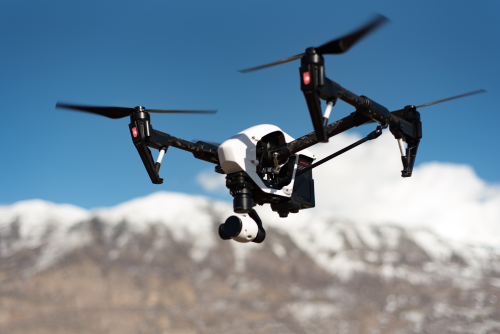
Starting a drone side business is not really about buying the “best” aircraft. It is about buying the right tool for the kind of work clients will actually pay you for, at a skill level you can operate safely and consistently. For most freelancers, the best drones for building a side business are not the most expensive ones. They are the ones that match your budget, your local rules, your editing workflow, and the jobs you can reliably deliver.
Quick Take
If you want the short version, here it is:
- Best first drone for most freelancers: DJI Mini 4 Pro
- Best for beginners who want to start earning from social content, travel content, simple real estate exteriors, and small business promos.
- Best value on a tighter budget: DJI Mini 3 or Mini 3 Pro
- Best if you need a low-risk entry point and can live with more limits in wind, low light, and complex shoots.
- Best all-around drone for repeat paid work: DJI Air 3
- Best for freelancers who expect regular client jobs and need stronger wind performance, a more “pro” feel on site, and a useful second lens.
- Best upgrade for premium visuals: DJI Mavic 3 Classic or Mavic 3 Pro
- Best for photographers and videographers charging more for image quality and more flexible framing.
- Best for technical work like mapping or specialist inspections: DJI Mavic 3 Enterprise
- Best only if your side business is moving beyond content into data capture and operational deliverables.
- Best FPV-style add-on drone: DJI Avata 2
- Best as a second drone for cinematic motion shots, not as your only business drone.
Key Points at a Glance
| Freelancer profile | Best fit | Why it fits | Biggest downside |
|---|---|---|---|
| Beginner, small budget, learning while building a portfolio | DJI Mini 3 / Mini 3 Pro | Lower entry cost, portable, good enough for simple paid work | Limited in wind, lower margin for error on demanding jobs |
| Beginner who wants one smart starter drone | DJI Mini 4 Pro | Portable, capable, easier to live with, strong feature set for solo operators | Still a small drone with small-drone limits |
| Freelancer expecting weekly paid shoots | DJI Air 3 | Better wind handling, dual-camera flexibility, stronger all-round business tool | Bigger kit, higher total setup cost |
| Photographer or videographer selling premium output | DJI Mavic 3 Classic / Pro | Better image quality and more confidence on higher-end jobs | Harder to justify if your clients only need social clips |
| Technical operator doing mapping or inspection work | DJI Mavic 3 Enterprise | Purpose-built for structured commercial workflows | Overkill for basic content work |
| FPV pilot selling dynamic motion shots | DJI Avata 2 | Great for immersive footage and unique deliverables | Not a general-purpose client drone |
The best way to choose: buy for deliverables, not for hype
Before you compare models, answer these five questions:
1. What will people actually pay you for?
A freelancer building a side business usually starts with one of these revenue paths:
- Real estate and property marketing
- Small business social media content
- Travel, tourism, and hospitality visuals
- Construction progress updates
- Roof, site, or property inspection visuals
- Event venue promotion
- FPV-style reels for gyms, restaurants, cars, or attractions
- Mapping and survey support
Each path needs a different mix of features. A travel creator does not need the same drone as a mapping operator. A realtor does not need the same setup as an FPV specialist.
2. Are you buying your first paid-work drone or your second?
A first business drone should be:
- easy to transport
- easy to fly confidently
- cheap enough that you will actually use it often
- supported by batteries, props, and repair options in your market
A second business drone can be more specialized:
- FPV for unique shots
- an enterprise drone for mapping
- a premium camera drone for higher-end clients
3. Will you regularly fly in wind, at dawn/dusk, or around larger properties?
This is where many people regret buying too small.
Smaller drones are great for portability and lower risk, but they tend to show their limits faster when:
- wind picks up
- the property is large
- you need more controlled movement
- you need a second focal length for better framing
- you want cleaner footage in tougher light
4. Do you need a sub-250g drone?
In some countries, lighter drones can reduce parts of the regulatory burden or make travel easier. But that is not universal, and it is not a free pass. If your market rewards portability and simple travel content, a lightweight drone may be the right choice. If you are doing repeat outdoor commercial work, bigger often makes more business sense.
5. What is your real all-in budget?
The aircraft is only part of the cost. A workable side-business kit usually also needs:
- extra batteries
- spare props
- a charging setup
- memory cards
- a case or bag
- basic color workflow and editing storage
- insurance where appropriate
- possible registration, training, or permit costs depending on your jurisdiction
If you only budget for the drone body, you are not budgeting for paid work.
Best drones by budget, skill level, and real use case
Lean starter budget: DJI Mini 3 or Mini 3 Pro
If your goal is to start small, learn safely, and build a portfolio without tying up too much cash, the Mini 3 class is still one of the smartest entry points.
Best for
- beginners building a side hustle
- travel creators testing local paid work
- simple real estate exteriors
- café, gym, salon, and local business socials
- freelancers who prioritize portability
Why it works
A Mini 3-class drone lets you start shooting real work without taking on the cost and pressure of a heavier, more advanced setup. If you are still learning client communication, shot planning, editing speed, and how to fly smoothly under mild pressure, that matters.
Where it falls short
This is where people overestimate small drones:
- wind can become a real limitation
- low-light performance is not a reason to charge premium rates
- larger sites and more demanding shots expose the limits quickly
- some clients may expect more flexibility than one small wide-angle platform can give
Buy this if
- your budget is tight
- you are willing to grow slowly
- your early jobs are simple and outdoors in good conditions
- you care about keeping the kit small for travel and casual use
Skip this if
- you already know you want to do weekly paid work
- you regularly shoot in coastal, elevated, or windy areas
- you want stronger tele-style framing or more premium-looking property coverage
- you plan to sell technical deliverables
Best first serious business drone: DJI Mini 4 Pro
For many freelancers, the DJI Mini 4 Pro is the safest recommendation. It is the drone that makes the most sense for someone who wants to start earning, keep the kit portable, and avoid buying something they outgrow immediately.
Best for
- first-time freelancers
- creator-business hybrids
- solo operators doing social content and short promos
- travel and tourism creators who also take client work
- real estate agents or marketers handling lighter property shoots
Why it stands out
The Mini 4 Pro is strong because it balances four things better than most starter drones:
- portability
- ease of use
- feature depth
- business viability
It is easier to carry, easier to launch often, and less intimidating than larger models. That matters when your side business depends on actually saying yes to jobs instead of leaving the drone at home.
Real use cases where it makes sense
- a local hotel wants sunrise and pool-area clips for Instagram
- a realtor wants exterior establishing shots and neighborhood context
- a restaurant wants rooftop, frontage, and vertical social clips
- a travel creator wants to add paid destination content without carrying a large case
Limits to know
The Mini 4 Pro is excellent, but it is not magic.
You may still outgrow it if:
- you start doing larger properties often
- you need stronger wind confidence
- you want more lens flexibility
- you need a more “serious” visual tool for higher-end clients
- you work in environments where a larger airframe simply performs better
Buy this if
- you are a beginner but serious
- you want one drone that can do hobby, travel, and early client work
- you value portability almost as much as image quality
- you want to minimize buyer regret
Skip this if
- you already know your work will be mostly commercial, outdoors, and frequent
- your sites are large, windy, or visually demanding
- you need a platform that feels more scalable for repeat business
Best all-around money-maker: DJI Air 3
If you are not just “trying” a side business but actually expect recurring paid jobs, the DJI Air 3 is the strongest all-round choice for many freelancers.
Best for
- real estate shooters
- marketing freelancers
- resort and tourism content
- construction progress visuals
- regular commercial shoots where reliability matters more than ultra-light travel convenience
Why it earns money more easily
The Air 3 sits in a sweet spot. It gives you more business utility than a Mini-class drone without forcing you all the way into a premium flagship budget.
Its biggest advantage is that it behaves more like a working tool than a lightweight convenience drone. In real jobs, that often matters more than headline specs.
What makes it a better business tool
- stronger performance in wind
- more confidence on larger outdoor locations
- dual-camera flexibility for better framing
- more polished results for real estate and promo work
- a better fit for freelancers who need repeatable output, not just occasional content
Real use cases where it shines
- a realtor wants multiple properties in one day
- a hotel or resort needs wide hero shots plus tighter compression-style shots
- a construction client wants consistent monthly progress visuals
- a local brand wants a mixed package of stills and short-form video
Who should buy the Air 3 instead of the Mini 4 Pro
Choose the Air 3 if:
- paid work is the main goal, not a bonus
- you want a more scalable first business drone
- you often shoot outdoors in mixed conditions
- you want more framing flexibility without going to a Mavic-class price tier
Why some people should still skip it
Do not buy the Air 3 just because it sounds more professional.
Skip it if:
- you rarely shoot in windier conditions
- you primarily travel with a tiny bag
- your work is mostly simple social clips
- the bigger kit will make you fly less often
Best premium camera choice: DJI Mavic 3 Classic or Mavic 3 Pro
Once your side business is charging more for image quality, production value, and client confidence, a Mavic 3-class drone becomes easier to justify.
Best for
- premium real estate marketers
- established photographers adding aerial work
- videographers selling higher-end brand films
- freelancers who already know how to plan, fly, and grade footage well
Mavic 3 Classic vs Mavic 3 Pro
In simple terms:
- Mavic 3 Classic makes sense if you want stronger image quality and a cleaner premium platform without paying for extra camera complexity you may not need.
- Mavic 3 Pro makes sense if your work benefits from more framing options and you can consistently turn that into better client deliverables and higher fees.
When this upgrade is worth it
A Mavic 3-class drone is worth buying when:
- clients notice and pay for better results
- your current drone is limiting composition or image quality
- you work regularly enough to justify premium batteries, accessories, and potential repairs
- you need a more credible flagship setup for commercial presentation
When it is not worth it
Do not buy a Mavic 3-class drone just because you want to look professional.
If your clients mainly want:
- short-form socials
- basic property overviews
- simple web videos
- occasional local promos
then your profit margin may be better with an Air 3 or Mini 4 Pro.
Best for technical side businesses: DJI Mavic 3 Enterprise
If your “side business” is moving into mapping, structured inspections, site documentation, or survey-adjacent workflows, you should stop thinking like a content creator and start thinking like an operator.
That is where the Mavic 3 Enterprise comes in.
Best for
- mapping and orthomosaic workflows
- asset and site documentation
- inspection teams needing more structured capture
- freelancers collaborating with construction, utilities, engineering, or land teams
Why it is different
This is not just a nicer camera drone. It is a workflow tool. The real value is not the aircraft alone. It is the total system:
- mission planning
- repeatable capture
- data outputs
- software compatibility
- team and client expectations
Buy this only if
- you already have a clear commercial use case
- you understand the software side of the job
- you are prepared for stricter operational expectations
- your clients need measurable outputs, not just nice footage
Skip this if
- you are mostly shooting marketing content
- you are still learning basic drone operations
- you have no technical workflow or software plan
Best specialist second drone: DJI Avata 2
If your niche is dynamic motion content, the DJI Avata 2 can be a smart add-on. But it is rarely the right first and only business drone.
Best for
- FPV pilots selling immersive reels
- gym, automotive, hospitality, and venue walkthrough content
- creators who already understand motion-based storytelling
Why it is not a generalist tool
Even if clients say they want “cinematic” footage, what they often really need is stable, repeatable, low-risk content. That is not the same as FPV.
An Avata 2 works best when you already have:
- standard aerial coverage handled by another drone
- the skill to fly safely and predictably
- a client brief that truly benefits from motion-heavy shots
The smart way to use it
Use FPV as an upsell, not as your whole business model, unless FPV is already your specialty.
The most important comparison: Mini 4 Pro vs Air 3
For many readers, this is the real decision.
Choose the Mini 4 Pro if
- you are newer to flying
- you want the easiest travel and everyday carry option
- you do lighter client work
- you want one drone for personal and business use
- local rules or travel convenience favor smaller drones
Choose the Air 3 if
- you expect regular paid work
- you shoot larger outdoor locations
- wind is a recurring factor
- better framing flexibility will improve your deliverables
- you want a more scalable business tool from day one
A simple way to think about it:
- Mini 4 Pro is the best “start smart” drone.
- Air 3 is the best “work consistently” drone.
Budget for the full kit, not just the drone
A side-business drone kit usually needs more than one battery and one memory card.
Essentials to budget for immediately
- at least two or three total batteries
- spare propellers
- reliable memory cards
- a charging hub or practical charging routine
- a bag or hard case that makes transport easy
- external storage for footage backups
Useful depending on your work
- ND filters for controlled shutter speed in bright video conditions
- a tablet or better display setup
- landing pad for dusty or rough locations
- liability insurance where relevant
- a second drone once the work justifies redundancy
The wrong drone can hurt your side business. But the right drone with no batteries, no storage plan, and no workflow discipline will hurt it too.
Safety, legal, and compliance realities for paid drone work
The moment you move from casual flying into client work, your risk profile changes.
Because drone rules vary by country, region, and even local venue, verify your requirements before accepting a job.
At minimum, check these before flying commercially
- Pilot qualification requirements – Some jurisdictions treat commercial flying differently from recreational flying.
- Aircraft registration rules – Weight and use case can affect registration obligations.
- Airspace authorization – Controlled or sensitive airspace may require approval.
- Local location restrictions – Parks, beaches, heritage sites, venues, and private estates may have their own rules.
- Privacy and filming permission – Property access and filming consent matter, especially around homes, resorts, events, and people.
- Insurance expectations – Even where not legally required, clients may expect proof of coverage.
- Operational limits – Night flying, flights near people, dense urban areas, or advanced operations may have stricter rules or require extra approval.
Two things freelancers often get wrong
- Sub-250g does not mean unrestricted.
- Being allowed to take off does not always mean you are allowed to film or operate commercially there.
If you travel for work, also verify airline battery rules and destination-country drone rules before you pack.
Common mistakes new drone freelancers make
1. Buying too much drone too early
A premium flagship can become an expensive confidence problem if you are still learning basic shot discipline, client workflow, and smooth flight control.
2. Buying too little drone for the jobs you want
A tiny travel drone is great until you start shooting large sites, windy locations, or repeat commercial work that needs more consistency.
3. Confusing specs with business value
Higher resolution, more cameras, and bigger marketing claims do not automatically lead to better paid work. Clients pay for useful deliverables, reliability, and turnaround.
4. Ignoring the edit workflow
A freelancer does not sell raw footage. You sell finished output. If your laptop, storage, or editing process is weak, a more advanced drone may only create more friction.
5. Starting with FPV because it looks exciting
FPV is a specialty. It is not the easiest path to safe, repeatable, beginner-friendly client work.
6. Forgetting local support and repair reality
The best drone on paper is a poor business purchase if batteries, props, repairs, or dealer support are hard to get in your region.
7. Underestimating weather and site conditions
Wind, glare, dust, crowds, reflective surfaces, and changing light can affect both safety and output. Your business drone must fit the environments you actually work in.
FAQ
What is the best first drone for a beginner trying to earn money on the side?
For most people, the DJI Mini 4 Pro is the best first serious choice. It is easier to carry, easier to use often, and capable enough for real client work without forcing you into a heavy premium setup.
Is a sub-250g drone enough for paid work?
Yes, for many simple jobs. It can be enough for social content, travel content, basic real estate exteriors, and small business promos. But if your work becomes frequent, windy, larger-scale, or more demanding, you may outgrow it quickly.
Should I buy a drone new or used?
Used can be a smart move if the seller is reputable and the drone has been well maintained. Check battery condition, gimbal behavior, camera quality, controller function, and overall airframe condition before buying. For a business tool, avoid mystery bargains.
How many batteries do I need for client work?
For most freelancers, three total batteries is a practical minimum starting point. One battery is rarely enough for calm decision-making, repeats, reshoots, and basic schedule pressure.
Can one drone handle real estate, social content, and inspections?
Sometimes. The Air 3 is one of the best single-drone compromises for mixed freelance work. But technical inspections, mapping, or thermal work may need a more specialized platform and workflow.
Is FPV a good way to start a drone side business?
Usually no, unless you already have strong FPV skills and a clear niche. Most beginners are better off starting with a stable camera drone, building client relationships, and adding FPV later as a specialist service.
When should I upgrade from a Mini to an Air or Mavic?
Upgrade when your current drone is limiting client outcomes, not just when you want something nicer. Common triggers include wind issues, larger properties, the need for better framing options, more premium imagery, or a higher volume of recurring paid work.
Do I need insurance to start?
That depends on your country, local rules, and client expectations. Even where it is not legally required, insurance can be important for professional credibility and risk management. Verify what applies in your market before taking on paid jobs.
Final decision
If you are building a drone side business from scratch, start with the job types you can realistically win in the next 90 days.
- Choose DJI Mini 4 Pro if you want the safest, smartest first business drone.
- Choose DJI Air 3 if you expect repeat paid work and want the strongest all-round value.
- Choose DJI Mavic 3 Classic or Pro only when premium output will clearly raise your rates.
- Choose DJI Mavic 3 Enterprise or Avata 2 only when you already know your niche.
The best drone for freelancers is not the one with the biggest spec sheet. It is the one that gets flown often, delivered safely, and paid off quickly.