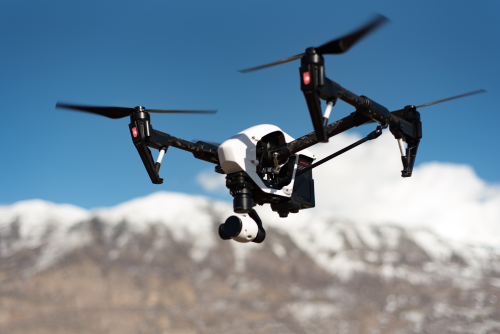
Inspection drones are easy to shop for badly. The wrong one usually looks great on paper, flies nicely in a park, and then falls apart in the real world because it lacks zoom, thermal capability, site-ready workflow, or the stability you need around buildings and infrastructure. The best drones for inspection are the ones that fit the job, the reporting workflow, and the legal operating envelope you actually work in.
This guide breaks down the right picks for beginners, creators, and working pros, with practical tradeoffs instead of hype. If you need to choose one drone for roof checks, solar work, visual asset inspections, industrial jobs, or content-plus-inspection work, start here.
Quick Take: The best inspection drones by buyer type
If you want the short version, these are the most sensible picks for most buyers in 2026.
| Buyer type | Best fit | Why it works | Main limits |
|---|---|---|---|
| Beginner or occasional property checks | DJI Mini 4 Pro | Portable, approachable, strong safety features, useful for basic visual inspections | No thermal, less wind authority, limited stand-off detail |
| Creator who also needs inspection capability | DJI Air 3 | Dual-camera flexibility, good portability, stronger all-rounder than a mini-class drone | Not a true enterprise workflow tool |
| Growing inspection business | DJI Mavic 3 Enterprise | Better commercial workflow, repeatability, and site-ready operation | More process, training, and support planning required |
| Thermal inspection contractor | DJI Mavic 3 Thermal | Practical mix of visible and thermal imaging in a portable package | Thermal work needs interpretation skill and a clear use case |
| Industrial team or utility contractor | DJI Matrice 30T | Rugged platform for harder sites, stronger enterprise fit, good for structured operations | Larger, louder, costlier, and less travel-friendly |
| Confined-space specialist | Flyability Elios 3 | Purpose-built for indoor and GPS-denied inspections where normal drones are a bad fit | Highly specialized and expensive |
A useful rule: if your inspection work is mostly visual and low-risk, buy lighter and simpler. If your job depends on thermal findings, repeatable reporting, or operation around complex industrial sites, move into enterprise platforms quickly.
What actually makes a drone good for inspection?
A lot of buyers over-focus on cinematic image quality. Inspection is different. In most cases, the priorities are safety, detail at distance, repeatability, and the ability to turn footage into something a client or team can use.
Start with the inspection type
“Inspection” covers very different jobs:
- Roof, gutter, and façade checks
- Solar panel review
- Building envelope and moisture investigation
- Tower, mast, and antenna work
- Construction progress and punch-list documentation
- Utility and energy asset inspections
- Indoor tank, boiler, tunnel, or confined-space work
A drone that is perfect for a hotel roof survey may be the wrong tool for a steel plant, power corridor, or ballast tank.
Zoom matters more than many buyers think
For inspection, zoom is often more valuable than a slightly better wide camera. A tele camera lets you keep safer stand-off distance from:
- Roof edges
- Towers and antennas
- Bridge structures
- Cranes
- Industrial stacks
- Delicate or hazardous assets
That matters because the safest inspection flight is usually not the closest one. Small drones with only a wide camera can still be useful, but they often force you closer than is ideal.
Thermal is powerful, but only when the job truly needs it
Thermal imaging shows heat differences, not “problems” by itself. It can be valuable for:
- Solar panel anomaly detection
- Electrical hotspots
- Roof moisture investigation
- Building heat-loss checks
- Search for overheating equipment
But thermal is not magic. Bad timing, reflective surfaces, weather, sun loading, and poor interpretation can all create misleading results. If you do not already have thermal-based deliverables in mind, do not pay for thermal just because it sounds professional.
Stable hover and obstacle awareness reduce stress
Inspection work often happens close to structures, in gusty air, and around visual clutter. You want a drone that gives you:
- Predictable braking
- Reliable hover
- Strong situational awareness
- Good wind handling
- A camera view that makes detail easy to judge
Obstacle sensing helps, but it is not a shield. Thin wires, branches, reflective glass, netting, and industrial clutter can still defeat it.
Workflow beats headline specs
A business drone is more than the airframe. Think about:
- Can you annotate and share findings efficiently?
- Can you repeat the same capture pattern on later visits?
- Can your team manage thermal and RGB data cleanly?
- Can you get batteries, props, and repairs quickly?
- Does your client require a specific procurement or data-security standard?
Many buyers regret choosing a consumer drone when what they really needed was enterprise support, not prettier video.
The right picks for beginners, creators, and working pros
DJI Mini 4 Pro: best for beginners and lightweight visual inspections
If you are new to inspection flying, the DJI Mini 4 Pro is the most sensible place to start for basic visual work. It is especially good for solo operators, property managers, roofing estimators, and small businesses that want a low-friction way to capture overhead visuals and close-up documentation without moving into a heavy commercial setup immediately.
Why it works:
- Sub-250 g class in many markets, which can reduce regulatory friction in some jurisdictions
- Easy to transport and quick to deploy
- Strong safety features for a beginner-friendly platform
- Good enough image quality for general visual documentation
- Low intimidation factor on small job sites
Where it fits best:
- Residential roof and gutter checks
- Real-estate and property documentation
- Light building condition surveys
- Travel-light creator work with occasional inspection needs
Where it falls short:
- Wind around buildings can push it around more than larger drones
- It does not give you thermal data
- It is not the best option when you need strong zoom from a safe distance
- It can feel too light and limited for recurring professional inspection work
Bottom line: this is the right first inspection drone if you are learning, validating demand, or doing straightforward visual checks. If you already know you will be selling inspection services every week, it may be too small a long-term platform.
DJI Air 3: best hybrid for creators and small businesses
The DJI Air 3 is the best middle ground for buyers who need one drone for both inspection and content creation. It makes sense for roofers, hotel and resort teams, real-estate marketers, tourism brands, small contractors, and owner-operators who need inspection visuals one day and polished marketing footage the next.
Why it stands out:
- Dual-camera layout gives you more flexibility than a single wide camera
- Better wind performance and site confidence than mini-class drones
- Portable enough for easy field use
- Strong fit for mixed workloads: documentation, social clips, site promos, and customer updates
- Good upgrade step without jumping straight into enterprise gear
This is a very good choice when the drone has to earn its keep in several ways. A creator who occasionally inspects, or a contractor who also markets their work, can get a lot from this platform.
Its limits are important:
- It is still a consumer-first platform
- Thermal work is off the table
- Third-party commercial workflow support may not match enterprise models
- If clients need structured reports, asset tagging, repeatable inspection plans, or procurement-friendly fleets, you may outgrow it fast
If your bias is more toward high-end content than inspection, a premium creator platform such as the DJI Mavic 3 Pro can make sense instead. But if you want the broadest “one drone does most things” answer, the Air 3 is the smarter hybrid pick.
DJI Mavic 3 Enterprise: best for serious daylight inspection work
This is the point where the drone stops feeling like a flying camera and starts feeling like a work tool. The DJI Mavic 3 Enterprise is a strong fit for inspection businesses, engineering teams, facilities managers, and contractors who need repeatable visual inspections, cleaner operations, and a more professional handoff than consumer drones usually provide.
Why it is a strong commercial step-up:
- Better suited to recurring business use than creator-first drones
- More natural fit for site documentation and repeat jobs
- Stronger enterprise ecosystem and operational workflow
- Useful for teams that need consistency, not just nice footage
- Easier to justify when downtime, client expectations, and deliverable quality start to matter
Where it shines:
- Building façades
- Commercial roof inspections
- Construction and asset monitoring
- Cell tower and structure observation from safer stand-off points
- Engineering documentation
Why buyers choose it over consumer drones:
- More structured field use
- Better fit with inspection-focused operations
- More credible as a business platform
- Easier to standardize within a team
The tradeoff is that this is no longer a casual purchase. You need to think about training, battery management, maintenance, software, insurance, and compliance. It is also not the right answer if your jobs depend on thermal data.
If your work is mostly visual inspection in daylight and you want a platform that can scale with your business, this is one of the safest buys in the category.
DJI Mavic 3 Thermal: best for solar, electrical, and heat-related inspections
The DJI Mavic 3 Thermal is the most practical choice for buyers who need both visible-light and thermal imaging without moving into a larger industrial platform. It is a strong match for solar contractors, roof specialists, facilities teams, building diagnostics providers, and electrical inspection operators.
Why it makes sense:
- Combines thermal and RGB capture in a relatively portable system
- Much easier to deploy than a larger industrial aircraft
- Suitable for teams that need thermal findings regularly, not occasionally
- Bridges the gap between lightweight portability and commercial usefulness
This is the right kind of drone when the deliverable is not just “photos from above,” but evidence of temperature anomalies, suspected faults, or heat-related patterns that support a maintenance or repair decision.
Important limits to respect:
- Thermal readings are easy to misuse without the right inspection method
- Time of day, weather, load conditions, and material properties affect results
- Some clients may require qualified interpretation, not just raw thermal imagery
- If you rarely do thermal jobs, the extra cost and workflow may not pay back
For roofers and solar operators in particular, this is often the drone that turns inspection from a visual sales aid into a more credible diagnostic service. But only buy it if thermal is part of your actual business model.
DJI Matrice 30T: best rugged platform for industrial teams and higher-stakes work
The DJI Matrice 30T is built for buyers whose jobs are bigger, more structured, and less forgiving. Think utilities, energy sites, industrial facilities, larger commercial contractors, emergency-response-adjacent teams, and enterprise programs where the drone is one part of a managed field operation.
Why it earns its place:
- Better suited to harsh or complex operating environments
- Strong fit for zoom- and thermal-led inspection work
- More credible for structured enterprise deployment
- Good choice when the cost of a missed inspection or site delay is much higher than the aircraft cost
- Better match for teams, not just solo pilots
This is the kind of drone you buy when you care about reliability, deployment speed, ruggedness, and operational consistency more than backpack convenience.
Where it fits best:
- Utility infrastructure
- Large industrial sites
- Wind, energy, and critical asset inspection
- Public-sector or enterprise-adjacent operations
- Contractors working on tougher sites with tighter reporting expectations
Its downsides are real:
- Larger and louder than compact platforms
- Higher acquisition and support cost
- More batteries, case space, and operator discipline required
- More likely to trigger stricter operating requirements depending on your jurisdiction and mission type
For many small businesses, the Matrice 30T is too much drone. For serious industrial work, it can be exactly the right amount.
Flyability Elios 3: best for confined-space inspections
Most inspection drones are for open-air jobs. The Flyability Elios 3 is not. It is a specialist tool for spaces where a normal drone would be unsafe, ineffective, or simply unable to hold position reliably.
This is the right type of platform for:
- Tanks
- Boilers
- Tunnels
- Mines
- Sewers
- Ducting
- Voids and cavities
- Other GPS-denied industrial spaces
Why it matters:
- It is designed around collision tolerance and confined-space work
- It solves a completely different problem than an outdoor camera drone
- It can reduce human entry into hazardous spaces when used within a proper inspection program
Who should buy it:
- Industrial service providers with a real confined-space revenue line
- Facilities teams that routinely inspect enclosed assets
- Organizations focused on risk reduction in hazardous environments
Who should not buy it:
- Roofers
- Real-estate teams
- General creators
- Casual commercial pilots
- Anyone hoping one drone can do both indoor confined-space work and general outdoor inspection
This is not a “best drone for most people.” It is the best drone for a specific, high-value problem.
How to choose between these drones
If you are still on the fence, use this sequence.
1. Decide whether your inspection is visual or thermal
If almost all your jobs are visible-light documentation, skip thermal and put the budget into a better platform, more batteries, training, and support.
If your value comes from finding hotspots, moisture patterns, or heat anomalies, buy thermal deliberately and learn the workflow properly.
2. Decide how close you really need to fly
If the drone will mostly work on houses, small buildings, and low-complexity jobs, a lighter drone may be enough.
If you need to stay farther from towers, façades, or industrial assets while still capturing useful detail, step up into a drone with better zoom and stronger site confidence.
3. Decide whether the deliverable is content or evidence
If you are mainly producing promo content with occasional inspection visuals, a hybrid creator drone is fine.
If clients expect findings, repeatability, and organized reporting, move to enterprise sooner.
4. Decide what downtime would cost you
If a grounded drone just delays some marketing footage, consumer gear may be fine.
If a grounded drone stops a team, misses a weather window, or delays an industrial visit, support and fleet readiness matter much more.
Safety, legal, and compliance checks before you buy
Inspection flying is rarely “just another drone flight.” It often happens near buildings, people, traffic corridors, critical infrastructure, or private property. Before you buy, verify the rules that apply in your country and at the specific site.
Check these points first:
- Whether your operation requires registration, pilot certification, or remote identification
- Whether commercial work is treated differently from hobby flying in your jurisdiction
- Limits around visual line of sight, night operations, and flying near people
- Local restrictions around airports, heliports, rail, ports, power sites, or other sensitive infrastructure
- Property-owner permission and any site-specific induction requirements
- Insurance expectations for commercial or contractor work
- Privacy and data-handling rules, especially when using zoom or thermal cameras
Operational risk matters too:
- Wind behaves unpredictably near roofs, towers, and façades
- GPS and compass performance can degrade around steel and concrete
- Obstacle sensing may not reliably detect wires, mesh, or reflective surfaces
- Indoor inspection is a different discipline from outdoor inspection
- Thermal findings can be misleading without the right inspection conditions
Buying the drone is the easy part. Building a safe, legal, repeatable inspection workflow is the real job.
Common mistakes and buyer regret risks
Buying thermal before you have thermal work
Thermal drones are valuable, but they are not automatically profitable. If your jobs do not require temperature-based findings, you may spend a lot on capability you rarely bill.
Confusing image quality with inspection quality
A drone that shoots beautiful video is not automatically the best inspection drone. For inspection, safe stand-off, zoom, stability, and workflow often matter more.
Underestimating wind and site complexity
Small drones are great until they are not. Tall buildings, gust funnels, industrial yards, and coastal conditions can quickly expose the limits of lightweight platforms.
Ignoring software and reporting
If the client needs organized deliverables, timestamps, repeated views, or team workflows, the best camera in the world will not fix a clumsy process.
Assuming one drone can do every inspection
Open-air roofs, utility assets, thermal solar checks, and confined-space tank work do not belong in the same shopping basket. If your business spans very different inspection types, you may eventually need more than one platform.
Forgetting the real budget
Your actual spend is not just the aircraft. Plan for:
- Extra batteries
- Props and maintenance items
- Cases and chargers
- Memory and storage
- Software
- Training
- Insurance
- Repair downtime
A well-supported used or refurbished enterprise kit can sometimes be a better buy than a brand-new consumer flagship if your work depends on uptime.
FAQ
What is the best first drone for inspection?
For most beginners doing basic visual inspections, the DJI Mini 4 Pro is the best first step. It is portable, approachable, and good enough to learn inspection workflows without overcommitting. If you already know you need paid, repeatable commercial work, the DJI Air 3 or Mavic 3 Enterprise may be a better starting point.
Do I need thermal for roof inspections?
Not always. Many roof jobs only need clear visual imagery. Thermal helps when the inspection goal involves moisture suspicion, insulation issues, or heat-related anomalies, but it only adds value if the conditions and interpretation are right.
Is a sub-250 g drone good enough for paid inspection work?
Sometimes, yes. It can be very useful for residential property checks, simple documentation, and lightweight field work. But once jobs become more complex, windy, or detail-critical, many operators outgrow the sub-250 g class quickly.
What is more important for inspection: zoom or a larger sensor?
Usually zoom. A larger sensor helps image quality, but zoom often improves inspection safety and usefulness more because it lets you capture detail from a safer distance. For many inspection missions, that is the bigger operational win.
Can one drone handle both content creation and inspection?
Yes, but only to a point. The DJI Air 3 is one of the best compromises for mixed work. If content is the priority, you can lean toward creator platforms. If inspection deliverables are the priority, enterprise drones are usually the better long-term buy.
Do I need RTK for inspection work?
Not always. RTK, which improves positioning accuracy, matters more for survey-grade or highly repeatable data capture than for many routine visual inspections. If your work is mostly annotated photos and general asset observation, RTK may be nice to have rather than essential.
Can I inspect indoors with a normal outdoor drone?
Usually not safely or reliably enough for serious work. Indoor and GPS-denied environments are very different from outdoor flying. If confined-space or indoor industrial work is your real use case, look at purpose-built platforms like the Flyability Elios 3 rather than forcing a normal GPS-first drone into the wrong job.
How many batteries should I buy with an inspection drone?
For real field work, one extra battery is rarely enough. Most commercial buyers should plan for enough batteries to complete a full site visit with margin for re-flights, wind, and delays. The right number depends on your site size, travel time, and whether you can charge on location.
The right buy depends on the job you want next
If you are just getting started, the DJI Mini 4 Pro is the easiest low-risk entry into visual inspection. If you need one drone for both content and practical site work, the DJI Air 3 is the smartest all-rounder. If inspection is the business, not a side task, move to the DJI Mavic 3 Enterprise or Mavic 3 Thermal, and step up to the Matrice 30T only when your sites and clients truly justify it.
The best inspection drone is not the most impressive one. It is the one that lets you fly safely, capture useful evidence, and deliver work consistently without outgrowing it in three months.