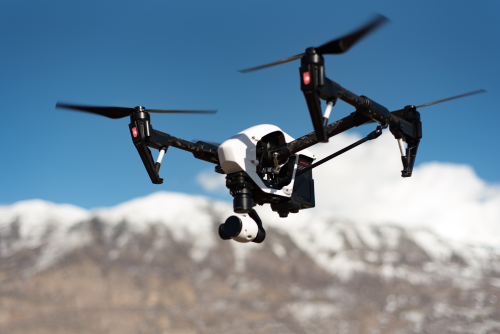
If you’re shopping for the best drones for obstacle avoidance, the spec sheet can send you in the wrong direction. A drone can advertise omnidirectional sensing and still be a poor fit if it slows too late, disables protection in the modes you use, or struggles in low light, branches, or complex tracking shots. The smart buy is not the drone with the most marketing around safety, but the one whose avoidance system matches how and where you actually fly.
Quick Take
For most buyers, obstacle avoidance is worth paying for, but only if you understand its limits. The best drone for obstacle avoidance is usually the one that combines all-direction sensing, predictable braking or bypass behavior, reliable return-to-home, and strong repair and app support.
| Buyer type | Best fit | Why it stands out | Main tradeoff |
|---|---|---|---|
| Travel creators, beginners, lightweight-first buyers | DJI Mini 4 Pro | Strong all-direction sensing in a very portable package | Smaller airframe means less wind authority and less camera headroom than larger drones |
| Most hobbyists and serious creators | DJI Air 3 | Best overall balance of avoidance, flight confidence, dual-camera flexibility, and upgrade runway | Bigger bag, heavier class, more visible in public |
| Pro photo and video buyers | DJI Mavic 3 Classic or Mavic 3 Pro | Premium camera quality with mature omnidirectional sensing | Higher cost and less travel-friendly |
| Enterprise field teams | DJI Mavic 3 Enterprise family | Better fit when obstacle sensing must support repeatable work and risk-managed operations | Procurement, training, and workflow complexity matter more |
| Used-market buyers focused on autonomy | Skydio 2+ | Historically one of the strongest autonomy and self-navigation platforms | Consumer availability and ecosystem support are less straightforward |
Key points
- Omnidirectional sensing is better than front-only sensing, but it is not magic.
- Braking behavior matters as much as sensor count.
- Subject tracking and return-to-home are where good avoidance systems really earn their keep.
- Thin branches, wires, glass, water, fog, and low light are still major failure points.
- Many drones reduce or disable avoidance in sport or manual-style modes.
- Beginners often benefit more from reliable braking and predictable behavior than from raw speed or camera specs.
What obstacle avoidance actually means
Obstacle avoidance is the drone’s ability to detect objects and either stop, slow down, or fly around them. Different drones do this with different mixes of vision sensors, infrared sensing, and software path planning.
That sounds simple, but there are four big differences between one drone and another:
Detection coverage
Some drones only sense forward. Others add rear and downward sensing. Better systems add side sensing and can react in almost every direction during normal flight.
Response behavior
A drone may:
- stop in front of an obstacle
- slow down and wait for pilot input
- automatically plan a path around the obstacle
Stopping is useful for beginners. Bypassing is useful for smooth cinematic shots and solo operators who rely on tracking.
Mode limitations
A drone may offer strong avoidance in normal flight, then reduce or disable it in sport mode, high-speed tracking, low-light conditions, or certain intelligent flight modes.
Environmental limits
Obstacle sensors do not “see” everything equally well. They can struggle with:
- power lines
- leafless branches
- reflective glass
- water glare
- fog, mist, or very low contrast scenes
- low light or backlit conditions
That is why “best drones for obstacle avoidance” should never be judged by a single feature badge.
What actually matters before you buy
1) Sensor coverage in the directions you really fly
The first question is not “Does this drone have obstacle avoidance?” It is “In which directions does it protect me during my actual flights?”
If you mostly fly forward in open areas, forward sensing may feel enough. But real flying is rarely that clean. Common crash scenarios include:
- backing up during a reveal shot
- orbiting sideways around a subject
- descending near trees or structures
- returning home automatically with signal loss or low battery
- tracking yourself through uneven terrain
That is why all-direction or omnidirectional sensing is the strongest default recommendation for most new buyers. It gives you more margin when fatigue, wind, or framing pressure leads to a bad input.
Practical rule
If you are buying new and obstacle avoidance is a top priority, start your search with drones that offer genuinely broad directional coverage, not just front sensing.
2) Braking versus bypass: how the drone behaves under pressure
A lot of buyers focus on whether a drone can detect obstacles, but the more important question is what it does next.
A beginner usually wants hard, predictable braking. A solo creator often wants the drone to route around obstacles smoothly during tracking or cinematic moves.
Neither is always better. It depends on your workflow.
When braking is better
- first-time flying
- tight urban takeoff and landing zones
- cautious landscape flights
- training sessions
- work near expensive structures
When bypass is better
- subject tracking on trails
- moving vehicle follow shots where legal and safe
- orbit and reveal moves
- smoother automated camera paths
The risk is that some bypass systems still make awkward or conservative choices. A drone that technically “avoids” an obstacle may still ruin your shot by hesitating, stopping, or choosing a clumsy route.
If you fly solo, avoidance quality during tracking matters more than the sensor count on the box.
3) Return-to-home is a real safety feature, not just a convenience feature
One of the most underrated parts of obstacle avoidance is how it works during return-to-home, often called RTH. This is the automatic return behavior triggered by low battery, signal loss, or manual activation.
A drone with solid RTH obstacle handling can save you from a bad day. A drone with weak or overly simple RTH logic may still hit something if the route home crosses trees, structures, wires, or terrain changes.
Before buying, look for clarity on questions like:
- Can the drone detect and avoid obstacles during RTH?
- Does it go up first, then come home, or can it navigate more intelligently?
- How well does it behave in areas with changing elevation?
- Does it need strong GPS and good lighting for reliable performance?
For many buyers, a smart RTH system is more valuable than flashy autonomous shot modes.
4) Low light, branches, and wires are where the fantasy breaks
This is where buyer regret starts.
Many people assume obstacle avoidance will save them near trees at dusk, in a forest, around utility lines, or in front of glass buildings. Those are exactly the environments where many systems become less reliable.
Obstacles that often fool drones
- thin power lines
- bare winter branches
- twigs and fishing line
- glass walls or windows
- shiny metal surfaces
- water reflections
- dark scenes with weak contrast
If your flying often happens at sunrise, sunset, in shaded forest trails, or around utility corridors, you should be extra conservative. No drone should be trusted to “figure it out” in those conditions.
Practical buying advice
If you routinely work in complex environments, software behavior and pilot discipline matter more than marketing terms like “360°” or “AI obstacle avoidance.”
5) Speed matters more than most buyers expect
Obstacle sensing is often strongest when the drone is moving at moderate speeds in normal flight modes. Push speed higher and you may run into three problems:
- the drone needs more distance to brake
- certain avoidance features reduce their effectiveness
- some flight modes disable or limit avoidance entirely
This is especially important for:
- sports tracking
- fast coastline flights
- downhill follow shots
- FPV-style flying
- dramatic pullbacks
A drone that feels safe at gentle travel-creator speeds may not feel safe at aggressive action-sport speeds.
Bottom line
If you want high-speed flying, do not assume the obstacle avoidance system will cover your mistakes. In many cases, your real safety tools are line of sight, spacing, route planning, and self-discipline.
6) The whole airframe matters, not just the sensors
Two drones can both offer omnidirectional sensing and still feel completely different in the air.
A larger platform may give you:
- better wind resistance
- more stable footage
- longer practical shooting sessions
- more confidence when braking or re-routing near obstacles
A smaller platform may give you:
- easier packing
- less attention in public
- less travel friction in some destinations
- lower intimidation for beginners
This is why the Mini 4 Pro and Air 3 are such different buys even though both are attractive obstacle-avoidance choices. The Mini is easier to carry everywhere. The Air feels more planted, more versatile, and more comfortable when conditions get less ideal.
7) App quality, firmware maturity, and repair support matter
Obstacle avoidance is software-heavy. The best hardware in the world is less useful if the app experience is unreliable, firmware updates are inconsistent, or spare parts and repair service are weak in your region.
Before buying, check:
- local availability of batteries and props
- repair turnaround and authorized service options
- how mature the app ecosystem feels
- whether tracking and intelligent modes are stable
- whether your team or clients have data-security or procurement restrictions
For individual buyers, this is often where mainstream brands win. For enterprise buyers, it can be a procurement issue rather than a flight issue.
8) Your environment should choose the drone
Here is a simple way to think about fit:
Open landscapes, travel, casual creator use
You need predictable avoidance, good portability, and solid return-to-home more than extreme autonomy.
Forest trails, moving subjects, solo following
You need strong path planning, reliable subject tracking, and conservative expectations in low light.
Urban shoots, real estate, tight property work
You need all-direction sensing, excellent braking behavior, and careful manual planning. You also need to verify local operating rules and permissions.
Inspection and enterprise site work
You need avoidance that supports repeatable procedures, not just creative convenience. Logging, support, fleet management, and data policy may matter as much as the flight performance.
Best-fit drones for obstacle avoidance by buyer type
These are not “best” in a fake universal sense. They are the strongest fits for different kinds of buyers.
DJI Mini 4 Pro: best lightweight travel choice
If you want real obstacle avoidance without committing to a larger drone, this is the easiest starting point for many buyers.
Why it makes sense
- genuinely strong sensing for a compact drone
- excellent fit for travel creators and beginners
- portable enough to carry often, which usually means you use it more
- very attractive if weight matters in your travel or local-rule planning
Who it fits best
- first-time buyers who want safety support
- hikers and travelers
- social and YouTube creators
- buyers who want intelligent flight features without a large kit
What to watch
- small drones are still more affected by wind
- low-light and fine-obstacle limits still apply
- portability can create false confidence in cramped places
- if paid work depends on top image quality, you may outgrow it
If you want a travel-friendly drone with serious obstacle avoidance, this is one of the safest recommendations.
DJI Air 3: best all-around choice for most buyers
For many people, the Air 3 is the sweet spot. It offers strong avoidance, a more confidence-inspiring airframe, and a broader runway for creators who expect to grow into more serious work.
Why it makes sense
- mature omnidirectional sensing
- stronger all-round platform than a mini-class drone
- dual-camera flexibility is useful in real-world shooting
- often the easiest choice when you want one drone to cover travel, hobby, and semi-pro needs
Who it fits best
- hobbyists upgrading from entry level
- creators who shoot regularly
- buyers who want safety plus image versatility
- solo operators who use tracking and automated flight modes
What to watch
- heavier and less pocketable
- more conspicuous in public
- local rules may treat heavier drones differently than sub-250 g models
If you want the best balance of obstacle avoidance, practical performance, and room to grow, this is the model many buyers should start with.
DJI Mavic 3 Classic or Mavic 3 Pro: best premium camera-first option
If image quality is a major buying driver, these models make more sense than choosing a smaller drone and hoping software alone will compensate.
Why they make sense
- premium imaging with mature omnidirectional sensing
- better fit for higher-value shoots where safety margin and footage quality both matter
- more professional-feeling platform for property, tourism, branded content, and serious stills work
Who they fit best
- aerial photographers
- production teams
- real estate and hospitality creators
- buyers who already know they care deeply about camera output
What to watch
- cost and replacement cost are higher
- larger kit means less spontaneous flying
- not necessary if you mostly publish short-form social clips or casual travel footage
If your work or standards demand a premium camera, the safer move is buying the better camera platform with strong sensing, not overloading a smaller drone with unrealistic expectations.
DJI Mavic 3 Enterprise family: best for work sites and operational discipline
For enterprise teams, obstacle avoidance should support repeatability, not just save the occasional shot. The Mavic 3 Enterprise line is worth considering when safety, mapping or inspection workflow, and fleet logic matter together.
Why it makes sense
- strong sensing on a proven airframe
- better fit for structured site operations
- integrates more naturally into team workflows than a casual creator drone
Who it fits best
- inspectors
- utilities and infrastructure teams
- public safety units
- organizations that need process, documentation, and repeatability
What to watch
- enterprise buying decisions should include support, software, procurement rules, and data policy
- your organization may have manufacturer-specific restrictions
- training and standard operating procedures matter more than the drone alone
For business buyers, obstacle avoidance is only one part of the purchase. The better question is whether the whole platform reduces operational risk.
Skydio 2+: best autonomy benchmark if your buying path supports it
Skydio remains a reference point whenever pilots talk about drones navigating around obstacles in complex environments.
Why it stands out
- historically excellent self-navigation and follow behavior
- especially compelling in tree-rich or obstacle-dense scenes
- can be very attractive if autonomous following is the mission
What to watch
- consumer availability and support are less straightforward than mainstream creator drones
- ecosystem fit may depend on region, use case, and whether you are buying new, used, or into an existing fleet
- if you want the easiest global creator workflow, it may not be the simplest path
If you are specifically chasing autonomy and obstacle-rich follow shots, it belongs in the conversation. If you want broad availability, accessories, and creator familiarity, mainstream camera-drone platforms may be the more practical purchase.
Smart used-market compromises
If budget matters more than having the latest avoidance system, older or previous-generation drones can still make sense.
Good used buys can be smart when:
- you mostly fly in open spaces
- you do not need side sensing as often
- you want a learning platform before a bigger upgrade
A used DJI Air 2S or Mini 3 Pro can still be sensible, but treat them as compromises, not equivalents to the strongest current omnidirectional systems.
How to choose in 10 minutes
If you are close to buying, use this shortlist process:
-
Write down your main flying environment.
Open coast, forest trail, urban property, travel, sports, or work site all point to different needs. -
Decide whether you truly need omnidirectional sensing.
Most new buyers do. Budget buyers in open areas may accept less. -
Choose your priority: braking or smooth bypass.
Beginners usually want reliable stopping. Solo creators often want good pathing. -
Check how tracking and return-to-home behave.
Those two features create more real-world safety value than flashy auto shots. -
Be honest about speed.
If you fly aggressively, avoidance becomes less trustworthy. -
Pick the platform size you will actually carry.
A slightly less capable drone you bring everywhere often beats a better drone left at home. -
Verify support in your region.
Batteries, repairs, and software stability are part of the buying decision.
What people get wrong about obstacle avoidance
“If it has 360 sensing, I can fly close to anything”
No. Omnidirectional sensing reduces risk. It does not erase it.
“The drone will see wires”
Maybe, maybe not. Thin obstacles remain one of the biggest danger areas.
“It works the same at dusk and under trees”
Usually not. Low contrast and low light can reduce performance.
“Sport mode is fine because the sensors are there”
Not necessarily. Some drones reduce or disable avoidance at higher speeds or in specific modes.
“A beginner should just buy the fastest drone with sensors”
Speed is rarely the beginner’s problem. Predictability is.
“Obstacle avoidance replaces flight planning”
It does not. Good route choice, spacing, line of sight, and restraint still matter more.
Safety, legal, and operational realities
Obstacle avoidance is a safety aid, not legal protection and not pilot replacement.
Before flying, verify the rules that apply in your location, including:
- registration or pilot competency requirements
- airspace restrictions and authorization needs
- visual line of sight rules
- altitude limits
- night operation rules
- flights near people, roads, parks, venues, or critical infrastructure
- privacy and data-handling obligations
If you travel internationally, also check airline lithium battery rules, destination-specific drone restrictions, and any customs or permit requirements before departure. In some places, lighter drones may face fewer barriers, but sub-250 g does not mean rule-free.
For commercial teams, site permissions, insurance, client policies, and standard operating procedures matter just as much as the drone’s sensors.
FAQ
Is obstacle avoidance worth paying extra for as a beginner?
Yes, in most cases. A beginner benefits from predictable braking, better return-to-home behavior, and more margin during framing mistakes. It should not replace training, but it usually lowers regret.
Do I need omnidirectional sensing, or is front-only enough?
For most new buyers, omnidirectional sensing is the better long-term choice. Front-only can be enough if you fly slowly in open spaces and accept the limits, but many real crashes happen while reversing, orbiting, or descending.
Can obstacle avoidance stop a drone from hitting power lines?
Sometimes, but never count on it. Wires are one of the least reliable obstacle types for many drones to detect consistently. Keep deliberate distance.
Which is the better buy for most people: DJI Mini 4 Pro or DJI Air 3?
If portability, travel, and light packing matter most, the Mini 4 Pro is usually the smarter buy. If you want a more stable all-round platform with more room to grow, the Air 3 is the stronger choice for most buyers.
Does obstacle avoidance work during tracking and return-to-home?
Often yes, but not equally well on every drone or in every mode. This is one of the most important things to check before buying because good tracking and good RTH behavior create real safety value.
Is obstacle avoidance reliable at night?
You should be cautious. Many systems work best in good light and with clear visual contrast. Night, dusk, fog, and heavily shaded environments can reduce reliability.
Are obstacle sensors useful for indoor flying?
They can help, but indoor flying creates its own problems. GPS may be weak or unavailable, lighting may be inconsistent, and local rules or property permissions still matter. Indoors is not automatically safer.
What should enterprise buyers prioritize beyond sensors?
Support, repair turnaround, software workflow, procurement compliance, data policy, staff training, and how the drone fits standard operating procedures. A strong sensor suite alone does not make a platform enterprise-ready.
The decision that usually ages best
If you want the safest all-around buying decision, start with the Air 3. If your priority is lightweight travel without giving up serious avoidance, the Mini 4 Pro is the easier pick. If your camera quality needs already justify a premium platform, move straight to the Mavic 3 line instead of hoping a smaller drone will grow with you.
The best drone for obstacle avoidance is not the one that promises the most. It is the one whose sensing, behavior, platform size, and support match your real flying. Build a shortlist around your environment first, then buy the drone that gives you margin where you actually need it.