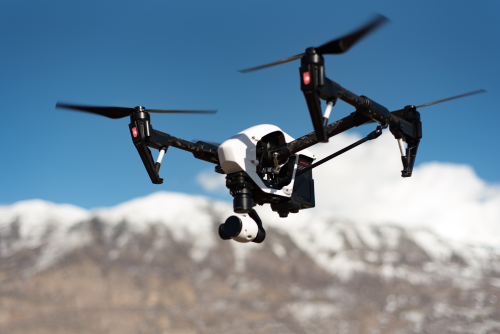
If you’re looking for the best drones for photographers moving up from a phone, the right answer is usually not “buy the most expensive model you can afford.” It’s about matching the drone to how you already shoot: travel, landscapes, social content, client work, or a mix of all four. For most first-time drone buyers, the smartest choice comes down to portability, image quality, flight confidence, and whether local rules make a bigger drone more trouble than it’s worth.
Quick take
If you want the short version, start here:
- Best first drone for most phone photographers: DJI Mini 4 Pro
- Best mix of portability, safety features, good image quality, and beginner-friendly flying.
-
Especially strong for travel, social content, and people who want to carry a drone often.
-
Best all-rounder if you want more flying confidence and lens flexibility: DJI Air 3
-
Better choice than a Mini-class drone if you shoot in wind, want a second focal length, or plan to grow into more serious photo/video work.
-
Best real image-quality step up from a phone: DJI Mavic 3 Classic
-
This is where the files start to feel more like a proper camera upgrade, not just a new angle in the sky.
-
Best for pro photographers who need framing options: DJI Mavic 3 Pro
-
Excellent if you need multiple focal lengths for commercial work, but you’re paying for versatility more than pure simplicity.
-
Best value if your budget is tight: DJI Mini 3, Mini 3 Pro, or a used/refurbished DJI Air 2S
-
Better to buy an older, proven drone from a strong ecosystem than a cheap no-name “4K” drone that disappoints on image quality, GPS reliability, and support.
-
Best non-DJI alternative worth considering: Autel EVO Lite+
- Only if it is actively sold, serviced, and supported well in your market.
First decide what kind of upgrade you actually want
Moving from a phone to a drone changes two things:
-
Perspective – This is the biggest upgrade. A drone gives you height, separation, leading lines, and scale that a phone simply cannot.
-
Image quality – This matters too, but the jump is not equal across all drones. – A small drone can beat a phone in some situations, especially with RAW files and careful editing, but it will not automatically destroy a flagship phone in every scene.
That’s why many first-time buyers get disappointed. They expected a drone to be a flying full-frame camera. In reality, most smaller drones are best understood as aerial cameras with smart flight tools, not miracle low-light machines.
The four buying priorities that matter most
Before you choose a model, decide which of these matters most to you:
- Portability
- If you won’t carry it, you won’t use it.
-
Travel photographers and hikers usually benefit most from Mini-class drones.
-
Image quality
- Bigger sensors usually give you better dynamic range, which means better recovery of bright skies and dark shadows in one image.
-
Bigger sensors also usually handle dawn, dusk, and editing better.
-
Flight confidence
- Better obstacle sensing, stronger stability, and easier return-to-home behavior help beginners a lot.
-
These features do not make you invincible, but they reduce avoidable mistakes.
-
Lens flexibility
- A second camera or longer focal length helps you compress landscapes, isolate subjects, and create more polished commercial compositions.
Best drones by budget band
Pricing moves by country, dealer, bundle, and time of year, so think in bands rather than exact numbers.
| Budget band | Best pick | Best for | Main tradeoff |
|---|---|---|---|
| Entry budget | DJI Mini 3 or Mini 3 Pro | Travel, casual aerial photography, social-first creators | Smaller body, less confidence in wind than larger drones |
| Lower-mid budget | DJI Mini 4 Pro | Most first-time buyers, travelers, content creators, beginners who want strong safety features | Great overall, but not the biggest jump in pure still-photo quality |
| Mid budget | DJI Air 3 | Serious hobbyists, landscape shooters, people who want more stability and two useful focal lengths | Heavier, less travel-light than a Mini |
| Upper-mid budget | DJI Mavic 3 Classic | Photographers who care more about stills and editing latitude than compact size | Larger bag, higher cost, fewer “just toss it in” moments |
| Premium | DJI Mavic 3 Pro | Commercial creators, pro photographers, tourism, real estate, resort, and brand work | Expensive and more camera than many first-time users actually need |
The best drones for photographers moving up from a phone
DJI Mini 4 Pro: best first drone for most people
If you want one recommendation that is hard to regret, this is it.
The Mini 4 Pro is the drone that makes the most sense for the largest number of phone photographers because it balances:
- very high portability
- strong beginner-friendly flight tools
- good image quality in decent light
- useful automated flying features
- low friction for travel and everyday carry
For a phone photographer, that last point matters more than people admit. A bigger drone can be better on paper, but the best drone is often the one you actually bring to the viewpoint, beach, road trip, city break, or hike.
Buy it if:
- you travel often
- you want a drone that feels approachable, not intimidating
- you mainly post online, deliver to clients digitally, or print modestly
- you want safety features that make early flights less stressful
- you like a lightweight kit
Skip it if:
- you regularly shoot in strong wind
- you want the biggest possible step up in still-photo editing latitude
- you already know you’ll be doing paid landscape, tourism, or commercial work and want more room to grow
DJI Air 3: best all-rounder for serious hobbyists
The Air 3 is the model many buyers end up wishing they had bought after they outgrow a smaller drone.
Its biggest advantage is not just “better specs.” It’s that it feels more capable in real use:
- more confidence in wind than Mini-class drones
- dual-camera flexibility
- stronger fit for serious hobbyists and early commercial work
- a more deliberate, less toy-like flying experience
The second camera matters more than many buyers expect. A medium tele lens lets you frame mountains, shorelines, architecture, and city scenes in a much more photographic way than a single wide lens. It helps create cleaner compositions and less “everything looks tiny” drone imagery.
Buy it if:
- you shoot landscapes regularly
- you want one drone for stills, video, and travel
- you often fly near coastlines, open fields, or elevated lookouts where wind matters
- you want a model you can grow into for a few years
Skip it if:
- you need the lightest travel kit possible
- you are buying mainly for occasional vacation content
- your budget would be stretched so far that you skimp on batteries and accessories
DJI Mavic 3 Classic: best true image-quality upgrade from a phone
This is where the conversation changes from “good drone camera” to “serious aerial stills tool.”
The Mavic 3 Classic makes sense for photographers who care about:
- better dynamic range
- cleaner files for editing
- more confidence shooting sunrise and sunset
- stronger results for prints, stock, editorial, and premium client work
If you often shoot RAW on your phone and already edit in Lightroom or a similar app, you’ll appreciate what the larger sensor gives you. Bright clouds, dark forests, water highlights, and shadow detail are simply easier to manage.
For many photographers, the Mavic 3 Classic is the sweet spot above the Air 3. It does not try to be everything. It is just a very capable main-camera drone.
Buy it if:
- still photos matter more to you than social-first convenience
- you edit your images seriously
- you sell prints, licenses, or premium deliverables
- you want a drone that feels like a long-term camera purchase
Skip it if:
- you are still unsure how often you will actually fly
- portability is your top concern
- you mainly need a fast, lightweight content machine
DJI Mavic 3 Pro: best for photographers who need framing options for paid work
The Mavic 3 Pro is excellent, but it is not the best first drone for everyone.
Its real advantage is flexibility. Multiple focal lengths can be incredibly useful for:
- real estate and hospitality
- destination marketing
- branded content
- tourism visuals
- editorial assignments where you need varied framing fast
The key thing to understand is this: with the Mavic 3 Pro, you are paying for creative range, not necessarily equal image quality from every camera in every condition. The main camera does the heavy lifting for top-tier stills. The extra cameras are there to expand your composition options.
Buy it if:
- you shoot for clients
- you often need multiple looks from one location
- you know how to work around the strengths and weaknesses of different focal lengths
- you want one flying platform that can cover more assignments
Skip it if:
- you are still learning basic drone composition
- your work is mostly hobby travel content
- you’d be better served by a Mavic 3 Classic plus more batteries and actual flight time
DJI Mini 3, Mini 3 Pro, or used DJI Air 2S: best value buys
If your budget is limited, these are the smartest routes.
DJI Mini 3
A very sensible first buy if you want: – good daylight quality – strong portability – simpler travel carry – a lower entry cost without dropping into junk-brand territory
DJI Mini 3 Pro
Still a very good buy if found at the right used or refurbished price. It remains a capable lightweight creator drone, especially for buyers who want a more advanced Mini without paying Mini 4 Pro money.
DJI Air 2S
This is the value play for buyers who prioritize stills over having the newest platform. It remains a respected option if bought in good condition from a reputable seller. It is older, but the larger sensor can still make it very appealing for photographers on a budget.
Buy one of these if:
- you are budget-conscious but still care about image quality
- you are comfortable buying used or refurbished
- you want to learn without committing to a premium platform
Skip them if:
- you strongly want the latest safety features
- you care a lot about modern obstacle sensing and updated tracking
- you want a longer-term “buy once, cry once” solution
Autel EVO Lite+: best non-DJI option if local support is solid
Not every buyer wants DJI, and in some markets Autel has been a real alternative.
The EVO Lite+ is worth considering because it offers:
- a larger sensor than many smaller drones
- an adjustable aperture
- good fit for stills-focused users
But the caveat is important: drone buying is not just about the aircraft. It’s also about:
- app maturity
- firmware stability
- accessory availability
- battery stock
- repair and after-sales support
If Autel support is strong where you live, it can be a reasonable alternative. If it is patchy, the safer buy is usually the brand with the stronger local ecosystem.
What to buy based on real use cases
If you are a travel photographer
Buy: DJI Mini 4 Pro
Why: easiest to carry, easiest to justify bringing daily, strong for social and editorial-style travel visuals.
If you are a hiker or landscape shooter
Buy: DJI Air 3 or DJI Mavic 3 Classic
Why: Air 3 if you want versatility and better wind confidence; Mavic 3 Classic if image quality matters more than weight.
If you shoot for Instagram, reels, and short-form brand content
Buy: DJI Mini 4 Pro
Why: fast, compact, creator-friendly, easier to use often.
If you shoot real estate, resorts, hotels, or tourism promos
Buy: DJI Air 3 or DJI Mavic 3 Pro
Why: the second or third focal length helps you create cleaner, more commercial framing.
If you sell prints or license landscape imagery
Buy: DJI Mavic 3 Classic
Why: this is the clearest step up in still-photo quality for serious editing.
If your budget is tight but you want a real drone, not a toy
Buy: DJI Mini 3, Mini 3 Pro, or used Air 2S
Why: proven ecosystem, better results, lower regret.
Safety, legal, and travel checks before you buy
A drone can be “best” on paper and still be the wrong purchase if local rules make it difficult to use.
Before buying, verify these points in your country or destination:
- Registration and training
- Some places require registration or basic competency rules based on weight, use case, or both.
-
Under 250g does not mean rule-free everywhere.
-
Airspace restrictions
-
Airports, heliports, city centers, government areas, and critical infrastructure may be restricted.
-
Protected land and tourist sites
-
National parks, heritage locations, reserves, beaches, and private venues often have their own rules.
-
Commercial use
-
Paid work may trigger different requirements from recreational flying.
-
Privacy and local sensitivity
-
Photographing people, homes, hotels, events, or private land can create privacy and reputation issues even when flight is technically allowed.
-
Travel and batteries
- Airlines often have battery rules for carry-on transport.
-
Check both the airline and the destination country before flying with spare batteries.
-
Insurance
- In some markets, personal liability or commercial drone insurance may be advisable or required for certain jobs.
Also remember: obstacle sensing, automated tracking, and return-to-home are safety aids, not permission to fly carelessly.
Common mistakes phone photographers make when buying a drone
1. Thinking the drone replaces the phone
It usually doesn’t. It complements it. Your phone still handles ground coverage, quick edits, and everyday shooting better.
2. Buying based on “4K” instead of photo quality
4K is a video label. It tells you almost nothing useful about still-photo performance.
3. Chasing the cheapest possible drone
Cheap drones often fail on the things that matter most: – GPS reliability – hover stability – app quality – RAW support – repair support – spare battery availability
4. Overvaluing under-250g status
A lighter drone can be easier to travel with and may help under some rule sets, but it is not automatically the best camera choice.
5. Underbuying batteries
One battery is frustration. Two is workable. Three is realistic for photography days.
6. Expecting small drones to dominate in low light
If you love blue hour, dawn, or dramatic shadow-heavy scenes, a larger-sensor drone is a much better fit.
7. Ignoring editing workflow
RAW files only help if you are willing to edit them. If you mostly want instant social posts, convenience may matter more than ultimate file quality.
The smarter starter kit
Whatever drone you buy, your first kit should usually include:
- at least 3 batteries
- a charging hub
- spare propellers
- a reliable, fast memory card
- a compact bag or case
- care plan or repair coverage, if available in your market
Optional, depending on your work:
- ND filters for video and motion control in bright light
- controller with built-in screen if you value convenience in travel or cold weather
- landing pad if you often take off from dust, sand, or grass
For most still photographers, ND filters are not the first accessory to buy. Batteries are.
FAQ
Is a drone really worth buying if I already have a flagship phone?
Yes, if you want perspective, scale, and access. The biggest upgrade is not pure image quality. It’s the ability to create images you simply cannot make from the ground.
Should I buy the Mini 4 Pro or the Air 3?
Choose Mini 4 Pro if portability, travel, and ease of use are your top priorities. Choose Air 3 if you want more confidence in wind, a more substantial flying platform, and the creative benefit of a second focal length.
Is the Mavic 3 Classic worth it for still photography?
Yes. For photographers who care about editing latitude, prints, and premium stills, it is one of the clearest upgrades from phone-level imaging to serious aerial photography.
Is a used Air 2S still worth buying?
Yes, if it is in excellent condition, the batteries are healthy, the gimbal is clean and stable, and you buy from a reputable source. It is a smart budget option for stills-first buyers.
How many batteries do I need as a beginner?
Three is the practical minimum for a satisfying session. It gives you time to scout, wait for light, and reshoot without feeling rushed.
Do I need a controller with a built-in screen?
Not necessarily. It is convenient, especially for travel and quick deployment, but it is not essential. If budget is tight, prioritize batteries and the right drone first.
Can I travel internationally with a drone?
Often yes, but you must verify local aviation rules, customs restrictions, park rules, and airline battery policies before departure. Rules vary widely by country and sometimes by region or city.
Do I need a license or registration to do paid photography work?
Possibly. Commercial drone requirements vary by jurisdiction and may differ from recreational flying rules. Verify with the civil aviation authority where you will operate before accepting paid work.
Final decision
If you want the safest recommendation, buy the DJI Mini 4 Pro. If you already know you want more room to grow, buy the DJI Air 3. If your priority is serious still photography and you can carry the extra size and cost, buy the DJI Mavic 3 Classic.
The best first drone is the one that matches your real shooting life, not the one that wins the loudest spec-sheet argument. Pick the platform you will actually carry, legally fly, and learn deeply enough to use well.