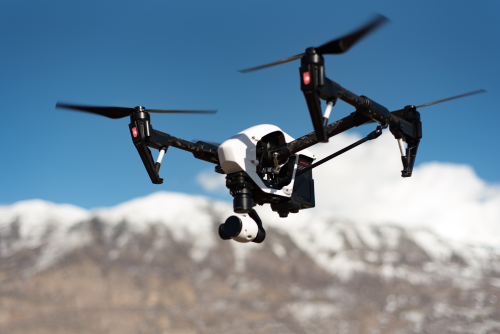
If you want a quiet drone, start with one hard truth: no drone is truly quiet. What you can buy, though, is a drone with a smaller and less intrusive sound signature, and that usually means choosing the right class of drone before chasing features. For most buyers, the quiet-drone answer is not “buy the most powerful model” but “buy the smallest drone that still does the job.”
Quick Take
If your top priority is a quieter, less attention-grabbing drone, these are the best starting points:
| Buyer type | Best fit | Budget band | Why it makes sense | Main tradeoff |
|---|---|---|---|---|
| First-time pilot on a tight budget | DJI Mini 2 SE | Lower budget | Simple, light, easy to learn, less intrusive than larger drones | More basic camera and fewer advanced safety features |
| Best value for most quiet-first buyers | DJI Mini 3 | Lower-mid budget | Excellent travel size, strong image quality for the money, good fit for hobby and creator use | Fewer premium safety and tracking features than newer models |
| Best overall quiet-first drone | DJI Mini 4 Pro | Mid budget | Sub-250g class, mature flight behavior, strong camera, better obstacle sensing and creator tools | Costs more once you add extra batteries and a better controller |
| Quiet-ish upgrade if you need more capability | DJI Air 3 | Upper-mid budget | Better wind handling and more versatile camera setup than a Mini | Noticeably louder than the Mini series |
| Best non-DJI alternative to consider | Autel EVO Nano+ | Varies by market | Sub-250g class and a credible quiet-first alternative where support is strong | Accessory ecosystem and local service availability can be less predictable |
Key Points
- The quietest practical drones are usually in the sub-250g class.
- A drone that is “smaller” is not always silent, but it is usually less intrusive than larger camera drones.
- If quietness matters more than raw power, avoid heavy drones, prop guards, and most FPV setups.
- For most buyers, the DJI Mini line is the safest place to start.
- Only move up to an Air or Mavic-class drone if your use case truly needs better wind performance, telephoto options, or higher-end imaging.
- Low-noise propellers can help a little, but the platform matters far more than the prop marketing.
- A quieter drone does not remove your legal, privacy, or operational obligations.
What “quiet drone” really means
A lot of people shop for a quiet drone as if there is a hidden silent model on the market. There isn’t. What you are really buying is a better acoustic compromise.
Three things matter most:
Sound level
This is the obvious one: how loud the drone seems when it is nearby. Small consumer camera drones usually beat larger drones here.
Sound character
Two drones can be similarly loud but feel very different. A high-pitched whine can feel more annoying up close. A lower, heavier hum can carry farther than people expect. This is why some larger drones do not feel “quiet” even if the pitch is lower.
Time spent overhead
The most annoying drone is often not the loudest one. It is the one that hovers above people, homes, cars, patios, trails, or venues for too long. A smaller drone flown efficiently often causes less friction simply because it lets you get the shot and move on.
How to choose the best quiet drone for your budget and skill level
Before looking at specific models, use this filter:
- Choose the smallest drone that still meets your camera needs.
- Prefer a mature flight platform over a bargain model with weak stability.
- If you are a beginner, prioritize easy control and dependable hovering.
- If you travel often, favor compact batteries, easy packing, and lighter regulatory burden.
- If your work is near people, properties, or hospitality venues, quietness and short setup time matter more than headline speed.
- If you think you want FPV, ask whether you want the flight style or just dynamic video. Those are not the same purchase.
A lot of buyer regret comes from buying too much drone.
Best drones for pilots who want a quiet drone
DJI Mini 4 Pro: best overall for most quiet-first buyers
For most people searching for the best drones for pilots who want a quiet drone, the DJI Mini 4 Pro is the most complete answer.
Why it stands out:
- It sits in the sub-250g class, which is usually where quiet-first buying makes the most sense.
- It is small enough for travel, city shoots, hiking, and casual creator work.
- It gives you stronger safety and automation features than cheaper Mini models.
- It is a better fit for buyers who want one drone that can grow with them.
Who it fits best:
- Beginners who want to avoid an early upgrade
- Travel creators
- Hobby pilots who care about being unobtrusive
- Real estate or tourism shooters handling smaller properties
- Buyers who want strong capability without moving into louder drone classes
Where people regret not buying it:
- When they start with a cheaper basic drone, then quickly want better tracking, safer flight behavior, or a more polished workflow
- When they travel and realize compact size matters as much as image quality
- When they fly around venues or scenic locations and want less attention
Main tradeoff:
- It costs more than entry models, and the real spend rises when you add batteries, storage, or a better controller.
If your budget allows it, this is the quiet-first “buy once, use for years” option.
DJI Mini 3: best value quiet drone
If the Mini 4 Pro is the best overall, the DJI Mini 3 is the best value.
Why it is so easy to recommend:
- It keeps the quiet-first strengths of the Mini class.
- It gives a big jump over entry-level drones without pushing you into a larger, louder airframe.
- It is a very smart choice for buyers who care more about portability and usable footage than about having every premium feature.
Who it fits best:
- Budget-conscious travelers
- Beginner to intermediate pilots
- Casual photographers
- Social content creators
- Buyers who want a drone they will actually carry
Why it often beats cheaper alternatives:
- The value is not just camera quality. It is the overall usability.
- A drone that is light, quick to deploy, and easy to trust gets flown more.
- That matters more than spec-sheet bragging rights.
Main tradeoff:
- You give up some of the more advanced protection and creator tools available on higher-tier models.
For many readers, this is the smartest quiet drone purchase, not the flashiest one.
DJI Mini 2 SE: best low-cost entry point if available in your market
If your budget is limited, or you are buying a first drone and want to keep risk low, the DJI Mini 2 SE is still a very practical entry point where it is sold new, refurbished, or through reputable used channels.
Why it works:
- It is light and beginner-friendly.
- It keeps you in the quieter end of the market.
- It is a safer learning platform than chasing ultra-cheap no-name drones.
Who it fits best:
- New pilots
- Families buying a first drone
- Travelers who want simple landscape footage
- Buyers who care more about learning than about advanced features
What to watch:
- It is a starter drone, not a long-term “one and done” choice for ambitious creators.
- Many buyers outgrow it once they want better imaging, more safety features, or more advanced shooting tools.
If you can stretch to a Mini 3, that is usually the better long-term value. But if your budget is fixed, this is the lower-cost entry point that still makes sense.
DJI Air 3: best option when quietness matters but capability matters more
The DJI Air 3 is not a quiet drone in the same sense as the Mini series. It is quieter than some bigger or more aggressive drones, but it is still clearly more noticeable than a Mini-class aircraft.
So why include it?
Because some buyers want the quietest drone possible, and others want the quietest drone that still meets a more demanding job.
Who it fits:
- Travel shooters working in windier places
- Creators who want more flexibility in framing
- Property or resort shooters who need stronger performance
- Buyers moving beyond casual use but not yet into heavy professional platforms
When it makes sense:
- You routinely fly where a small Mini gets pushed around too much
- You need more versatile camera options
- You accept more noise in exchange for more reliable output
When it does not:
- Your main goal is to be as unobtrusive as possible
- You fly mostly for casual travel, urban rooftops, park landscapes, or family trips
- You are buying your first drone mainly for quiet recreational use
This is the classic “mission first” upgrade. Good drone, just not the quiet-first default.
Autel EVO Nano+: best non-DJI quiet-first alternative
Some buyers want a non-DJI option for ecosystem, regional availability, or personal preference. The Autel EVO Nano+ is one of the few genuine alternatives that still belongs in a quiet-first conversation.
Why it is worth considering:
- It sits in the small, light drone category that makes sense for noise-sensitive use.
- It is a real alternative for travel and casual creator workflows.
- It can appeal to buyers who want a different brand path.
What to verify before buying:
- Local dealer support
- Battery availability
- Repair turnaround
- App stability in your region
- Spare parts and accessories
That support question matters. A quiet drone you cannot easily maintain is not a good buy.
What to buy based on real use cases
For travel creators and tourists
Best fit: DJI Mini 3 or Mini 4 Pro
Why:
- Easy to pack
- Less socially intrusive at scenic viewpoints
- Better for quick setup and short capture windows
- Usually a better match for mixed travel days than a bigger drone
Travel reality check:
Even if a drone is quiet, you still need to verify local flight rules, park restrictions, beach rules, and any permit requirements. In many places, the real problem is not the sound. It is where you are flying.
For hikers, campers, and vanlife creators
Best fit: DJI Mini 3
Why:
- Strong portability
- Usually the best balance of size, battery practicality, and image quality
- Easier to justify carrying all day than a heavier platform
What buyers get wrong:
They buy a larger drone for “serious” travel work, then leave it in the bag because of weight, setup friction, or noise concerns at quiet natural locations.
For real estate and small hospitality shoots
Best fit: DJI Mini 4 Pro
Why:
- Quiet enough for smaller sites where you want minimal disturbance
- Capable enough for polished exterior work
- More confidence-inspiring in tighter working environments than cheaper starter models
When to step up:
Choose an Air-class or Mavic-class drone only if your workflow genuinely needs more wind handling, more reach, or a more premium imaging result. If most of your jobs are straightforward exterior reveals, the smaller drone often wins.
For weddings and event-adjacent venue content
Best fit: DJI Mini 4 Pro, with strict operational discipline
Why:
- Smaller sound footprint
- Faster, less invasive shot capture
- Better fit for early morning venue exteriors or controlled windows away from guests
Important limit:
A quiet drone is still not something to casually fly near guests, crowds, or active event spaces. Permission, timing, local rules, venue approval, and safety separation matter more than the drone’s sound level.
For FPV-curious creators
Best fit if quiet is the priority: Do not start with FPV
This is where many buyers go wrong.
FPV drones are fun. They can produce dynamic footage that camera drones cannot. But they are usually a bad answer to a quiet-drone brief.
Why:
- They tend to be louder
- They often sound sharper and more aggressive
- Prop guards usually increase drag and noise
- They demand more skill and more setup discipline
If you mainly want smooth cinematic motion, start with a quiet camera drone. Only move into FPV if you truly want FPV flying, not just “more exciting footage.”
For enterprise teams and service providers
Best fit: The smallest drone that still meets the sensor requirement
Quietness helps, but this is where mission requirements become decisive.
For occupied sites, public-facing environments, hospitality properties, or recurring low-profile inspections, a smaller drone can reduce disruption. But if the job needs zoom, thermal, mapping accuracy, or special sensors, quietness becomes secondary.
Buyer rule here:
- Do not over-prioritize quietness if it breaks the workflow.
- Do not under-prioritize quietness if the site is sensitive and a smaller drone would still complete the task.
What people get wrong about quiet drones
Bigger props do not automatically mean a quieter experience
Some pilots assume larger drones will sound softer because the tone is lower. In practice, larger drones can carry sound farther and feel more imposing.
Prop guards usually do not help
For many drones, prop guards make the aircraft bulkier, less efficient, and often noisier. Use them for safety when appropriate, not as a quietness strategy.
“Low-noise props” are not magic
They can slightly change the sound profile, but they rarely transform the experience. The airframe, weight, motor behavior, and flight style matter more.
Hovering is what annoys people
A short pass or a quick establishing shot may cause little friction. Long hovering over a residential area, parked cars, a beach crowd, or a hotel terrace is what drives complaints.
Cheap drones are often the loudest kind of bad
A bargain drone with poor flight stability can end up being more irritating because it needs constant correction, struggles in wind, and spends longer in the air to get weaker results.
Safety, legal, and operational limits to know
A quieter drone can reduce attention, but it does not reduce responsibility.
Before flying, verify:
- Whether your drone must be registered in the country where you operate
- Whether you need a pilot certificate, competency test, or local authorization
- Whether remote identification rules apply
- Whether local parks, beaches, historical sites, resorts, or municipalities restrict takeoff or flight
- Whether commercial work needs additional insurance, permissions, or client approvals
- Whether privacy, wildlife, or nuisance laws affect your location
A practical rule:
- Do not treat “quiet” as permission.
- Do not assume sub-250g means unrestricted.
- Do not rely on one country’s rules when traveling internationally.
If you fly for work, especially near venues, residences, or people, add a site-specific risk check before each job.
Small setup choices that make a drone seem quieter
You cannot make a loud drone silent, but you can make a good drone less intrusive.
Fly smoothly
Hard climbs, abrupt braking, and full-speed mode changes spike noise. Smooth inputs help.
Keep props in good condition
Damaged or warped props can worsen both sound and flight quality.
Use the right flight mode
For many shots, normal or cine-style flying is quieter and less disruptive than aggressive sport-style movement.
Plan the shot first
The less time you spend searching in the air, the less sound people hear.
Do not loiter overhead
Capture the angle, move away, and land. Efficient operation matters more than tiny prop tweaks.
FAQ
What is the quietest type of drone for most buyers?
Usually a sub-250g camera drone from a mature consumer line. In practice, that is why small travel drones are the safest quiet-first recommendation.
Is a sub-250g drone always quieter?
Not always, but it is often the best starting point. Weight, prop design, motor tuning, and flight style all matter. Still, the small-drone class is where the quietest practical consumer options usually live.
Are FPV drones ever a good choice if I want quiet?
Usually no. Most FPV drones are louder and more attention-grabbing than small camera drones. If quietness is your top requirement, FPV is generally the wrong platform.
Do aftermarket low-noise props make a big difference?
Usually not a dramatic one. They may slightly change the tone or reduce sharpness, but they do not turn a louder drone into a quiet drone. Use reputable props and confirm compatibility.
Is the DJI Mini 4 Pro worth the extra money over the Mini 3 for quiet-first buyers?
If you want a more complete long-term drone with stronger safety and creator features, yes. If your main goal is affordable, portable quiet flying, the Mini 3 is often the better value.
Should I buy a bigger drone for better wind performance even if I want less noise?
Only if your actual use case demands it. If you regularly fly in windier conditions or need more camera flexibility, an Air-class drone may be justified. Otherwise, the Mini class is usually the better quiet-first choice.
Does flying higher solve the noise problem?
Sometimes it reduces how noticeable the drone feels on the ground, but it depends on environment, terrain, and local flight rules. It is not a substitute for good judgment, legal compliance, or respectful operation.
Is a quieter drone better for real estate or hospitality work?
Often yes, especially for smaller properties or guest-sensitive locations. But the drone still needs to meet your image, reliability, and legal requirements. Quietness helps the experience; it does not replace workflow fit.
Final buying advice
If you want the best quiet drone for real-world use, start with the Mini class and only move up if your work clearly demands it. For most buyers, the DJI Mini 4 Pro is the best overall choice, the DJI Mini 3 is the best value, and the DJI Mini 2 SE is the sensible low-cost entry point where available. If you are still undecided, use one rule: buy the smallest drone you can trust for the job, not the biggest drone your budget can reach.