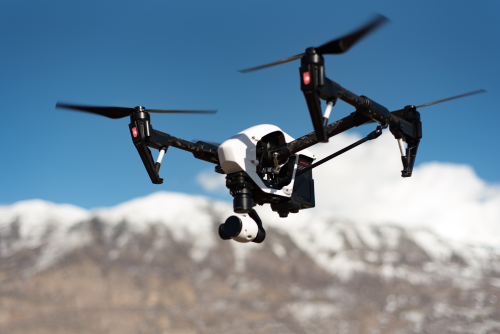
The best drones for road trips are the ones you will actually pack, charge, launch safely, and trust when the light, wind, and location change every day. If you’re shopping for the best drones for road trips, the right pick depends less on marketing claims and more on your real travel style: beginner, creator, FPV pilot, or working pro. For most buyers, the smartest choice is a compact drone with strong safety features and low travel friction, not the biggest camera on paper.
Quick Take
If you only want the short list, start here.
| Buyer type | Best fit | Why it works on road trips | Main tradeoff |
|---|---|---|---|
| Most beginners and casual travelers | DJI Mini 4 Pro | Small, easy to carry, strong safety features, very capable camera | Can feel limited in stronger wind and higher-end pro work |
| Ultra-casual traveler or social clip shooter | DJI Neo | Tiny, simple, low-friction, fun for quick travel moments | Not a serious all-in-one drone for landscape or paid work |
| Travel creators and regular content shooters | DJI Air 3 | Better wind handling, dual-camera flexibility, stronger creator workflow | Bigger kit, more noticeable, often more compliance friction |
| FPV pilots and motion-heavy storytellers | DJI Avata 2 | Immersive FPV footage with a more travel-friendly learning curve | Not a replacement for a standard camera drone |
| Paid content pros and high-end travel shooters | DJI Mavic 3 Pro | Strong image flexibility and a more client-ready camera package | Expensive, larger, and more operationally demanding |
The one-drone answer for most people
If you want the safest single recommendation, buy the DJI Mini 4 Pro.
It is the easiest drone here to justify for real road-trip use because it balances portability, image quality, obstacle sensing, and buyer longevity. It is beginner-friendly enough for first-timers, but still good enough that many creators keep using it even after they could afford something larger.
What actually makes a drone road-trip friendly
Road trips punish the wrong drone choice faster than home flying does. On paper, a bigger drone may look better. On the road, the best drone is usually the one that creates the least friction.
1. Packability beats theory
A drone that is slightly “worse” on paper but easy to carry will get used more often.
Look for:
- A foldable or very compact airframe
- A controller setup that is fast to deploy
- Batteries and accessories that fit one small organizer
- A kit you will willingly bring on hikes, stopovers, and sunrise detours
If the drone needs a separate large case, multiple bulky chargers, and constant setup time, it will miss shots simply because you leave it in the car.
2. Wind matters more than spec sheets suggest
Road trips often mean coastlines, mountain overlooks, deserts, lakes, cliffs, and open roads. These places are scenic because they are exposed. Smaller drones are easier to carry, but larger drones usually handle wind better.
That is the biggest tradeoff in this guide:
- Mini-class drones win on portability
- Air- and Mavic-class drones win on wind confidence and camera flexibility
3. Charging workflow matters every day
A road-trip drone should fit your charging reality, not your ideal plan.
Think about:
- Whether you can charge from the vehicle safely
- How many batteries you realistically need in a day
- Whether you can top up during lunch or driving stops
- Whether your route includes hot weather, remote camps, or limited power access
For many buyers, battery workflow is more important than chasing one extra lens.
4. Legal friction changes by stop, not by country alone
A road trip can cross city rules, park rules, protected land, beaches, heritage sites, and different national or regional aviation systems.
A drone that is simple to transport and discreet to operate is often the better travel buy. Smaller drones can reduce hassle in some places, but they never override local flight restrictions.
5. Support and repair matter more when you are far from home
On a long trip, a broken prop, dead charger, or bad battery can end your drone use fast.
Major ecosystems tend to win here because:
- Spare props are easier to find
- Batteries are easier to replace
- Tutorials and troubleshooting are easier to find
- Used resale value is usually stronger
The best drones for road trips by traveler type
DJI Mini 4 Pro: Best road-trip drone for most people
Best for
- First-time drone buyers
- Couples and families on holiday
- Solo travel creators
- Buyers who want one drone that stays useful for years
Why it fits road trips so well
The Mini 4 Pro is the clearest all-around answer because it solves the three biggest travel problems at once: size, confidence, and image quality.
Why it stands out:
- It packs small enough to bring almost everywhere
- It is easier to justify on casual trips than a larger drone
- Its safety feature set is strong for a travel drone
- It can produce footage that still feels polished, not merely “good for a mini”
- It works for both scenic landscapes and social-friendly vertical content
For many buyers, this is the sweet spot between toy-like travel drones and larger creator tools.
Limits to know
- Strong coastal or mountain wind can still push a small drone around
- Serious client work may eventually demand a larger sensor or more lens flexibility
- Some higher-capacity battery choices can affect weight-based regulatory treatment where that matters, so verify local rules before assuming you still fall into the same category
Who should buy it
Buy this if you want one drone that covers road trips, vacations, family adventures, and occasional creator use without turning every stop into a production.
DJI Neo: Best ultra-light pick for casual travel memories
Best for
- Travelers who want the smallest possible flying camera
- Casual users posting social clips
- Buyers who value speed and simplicity over image flexibility
- Experienced pilots who want a second drone they can carry everywhere
Why it works
The Neo is about low-friction flying. It is the kind of drone that makes sense when you want quick clips at scenic stops, short camp moments, or easy memory capture without unpacking a more serious kit.
Its real value is not “cinema.” Its value is convenience.
Where it fits best:
- Short-form travel content
- Easy launch-and-land moments
- Secondary drone use
- Buyers who know they want something simpler than a full camera drone
Limits to know
- Wind is the big one
- Image quality and manual shooting flexibility are more limited than Mini, Air, or Mavic-class drones
- It is not the right only-drone purchase if your goal is polished landscape work or paid deliverables
- Its small size does not change local legal obligations
Who should buy it
Buy the Neo if you want the simplest travel companion possible and you understand that it is a lightweight memory-maker, not a serious one-drone creator system.
DJI Air 3: Best road-trip drone for creators
Best for
- YouTubers and travel filmmakers
- Creators who shoot regularly, not occasionally
- Buyers who feel the Mini line is just a little too limited
- Travelers who often deal with windier locations
Why creators like this class
The Air 3 is where road-trip drone buying becomes less about convenience and more about output. It is still portable enough for travel, but it feels more like a serious production tool.
Its biggest strength is versatility.
Why it is such a strong creator pick:
- Better wind confidence than mini-class drones
- Dual-camera setup adds visual variety without carrying a second drone
- A stronger fit for destination videos, branded content, and more intentional storytelling
- Better for compression shots and more dynamic edit pacing than a single-lens mini drone
If you shoot often enough to care about variety in your final edit, this step up matters.
Limits to know
- It is a bigger, more noticeable travel kit
- You will think more about where you can responsibly launch and fly
- It is less “throw it in the bag and forget it” than the Mini class
- It may create more admin and compliance questions depending on local weight rules
Who should buy it
Buy the Air 3 if you are a real travel creator, not just a casual vacation flyer. If your drone footage appears in most of your edits, this is the strongest road-trip upgrade from the Mini line.
DJI Avata 2: Best FPV road-trip pick
Best for
- FPV pilots
- Travel filmmakers who want motion-heavy inserts
- Buyers who already understand that FPV is a separate style, not just another drone mode
Why it deserves a place on the list
FPV means first-person view flying, usually through goggles, for more immersive, dynamic motion. On a road trip, FPV can produce footage that a standard camera drone simply cannot.
The Avata 2 is one of the more travel-friendly ways into that style because it is easier to manage than a traditional open-prop custom FPV build.
Where it works best:
- Dynamic environmental movement
- Forest, canyon, and terrain flow shots in safe, legal spaces
- Motion sequences that make a travel film feel alive
- Pilots who want a dedicated FPV system without building from scratch
Limits to know
- It is not a stills-first travel drone
- It does not replace a standard camera drone for classic landscape reveals
- FPV often comes with additional legal and operational considerations, including visual line-of-sight and observer requirements depending on where you fly
- It is louder and more attention-grabbing than many casual travelers expect
Who should buy it
Buy the Avata 2 if you specifically want FPV travel footage. Do not buy it as your only road-trip drone unless you already know that FPV is your primary style.
DJI Mavic 3 Pro: Best for working pros on the road
Best for
- Paid travel shooters
- Destination marketers
- Brand filmmakers
- Experienced operators who need stronger image flexibility and a more client-ready result
Why pros still choose it
The Mavic 3 Pro earns its space when the footage has to deliver, not just look nice. If your road trip is attached to client output, deadlines, or higher-value edits, the step up is easier to justify.
What it does better than smaller travel drones:
- More flexible multi-camera shooting
- Better fit for polished commercial work
- Stronger room for color grading and image shaping
- Less compromise when a scene needs a specific lens look
This is the kind of drone you buy when missed shots cost more than the drone does.
Limits to know
- It is a larger, more expensive, and more visible travel system
- You need a more disciplined workflow for charging, storage, backups, and flight planning
- It is overkill for casual travelers
- If your work is mapping, surveying, or inspection rather than content, you may be better served by an enterprise platform instead of a creator model
Who should buy it
Buy the Mavic 3 Pro if you are creating paid deliverables and the drone is part of your income, not just part of your trip.
A note on non-DJI alternatives
If you do not want to buy DJI, there are real alternatives, especially in the compact and creator categories. Autel models such as the EVO Nano+ and EVO Lite+ have been relevant options for buyers who want a different ecosystem.
But for road trips, the better question is not just spec-for-spec comparison. It is this:
- Can you get batteries and props locally?
- Is there dealer support in your market?
- Is the app and firmware experience dependable for the way you travel?
- Will resale value and repair support hold up?
For travel buying, ecosystem reliability often beats a small spec advantage.
How to choose the right road-trip drone in 5 questions
1. Are you shooting memories, content, or paid deliverables?
- Memories and casual clips: Neo or Mini 4 Pro
- Regular creator content: Mini 4 Pro or Air 3
- Paid commercial travel work: Mavic 3 Pro
- FPV storytelling: Avata 2, usually alongside a standard camera drone
2. Do you need maximum portability?
If yes, stay in the Neo or Mini class.
If you already know you will accept a larger bag for better wind handling and lens flexibility, move to Air or Mavic class.
3. Will your trip include windy coasts, mountains, or exposed overlooks?
If that is a big part of the route, smaller drones become less forgiving. This is where buyers often realize the Air 3 class was the smarter purchase.
4. Are you buying one drone or building a kit?
For many working pros, the best road-trip setup is not one expensive drone. It is:
- A main drone for primary deliverables
- A compact backup for restricted, fast, or low-friction use
A Mavic-plus-Mini combination makes more sense than many buyers expect.
5. What kind of regret are you trying to avoid?
The most common regrets are simple:
- “I bought too much drone and stopped bringing it.”
- “I bought too little drone and outgrew it fast.”
If you are not sure, the Mini 4 Pro is the safest middle ground.
Safety, legal, and compliance limits to know before you fly
Road-trip drone use creates more compliance risk than local flying because every stop can change the rules.
Verify each location, not just the country
Before flying, check:
- The local aviation authority rules for that area
- Airspace restrictions
- Park, beach, reserve, and heritage site policies
- Private property permissions where relevant
- Local takeoff and landing restrictions
A place can be legal under national aviation rules but still prohibit launch, landing, or operation under local land management rules.
Do not assume sub-250g means “no rules”
In some places, lighter drones can reduce registration or training burden. In others, important rules still apply.
Always verify:
- Registration requirements
- Pilot competency requirements
- Remote ID or equivalent obligations where applicable
- Whether commercial use changes anything
- Height, distance, privacy, and over-people limits
FPV can add extra obligations
If you fly FPV, verify local rules on:
- Visual line of sight
- Spotter or visual observer requirements
- Airspace permissions
- Use near people, roads, or built-up areas
Heat and battery handling are real road-trip risks
Do not leave drone batteries baking in a hot vehicle for long periods. Heat degrades batteries and increases risk.
Good road habits:
- Store batteries in a shaded, protected case
- Let packs cool before charging
- Do not charge unattended in extreme heat
- Inspect swollen or damaged batteries and stop using them
Unfamiliar terrain can confuse return-to-home
Return-to-home, often shortened to RTH, is useful but not magic. On cliff roads, valleys, forests, and changing elevations, a careless RTH setup can create problems.
Before takeoff:
- Confirm your home point
- Set a safe RTH altitude for the local terrain
- Check wind direction and signal environment
- Make sure the launch area will still be safe for landing
Privacy, people, and roads
Do not fly over crowds, active roads, emergency scenes, wildlife, or private spaces where you are not permitted. A beautiful travel location can still be the wrong place to fly.
What people get wrong about road-trip drone buying
They buy for specs instead of behavior
A larger drone with a better camera is not better if you leave it in the car at every scenic stop.
They assume they will be allowed to fly everywhere
They will not. Some of the most photogenic places are the most restricted.
They underestimate wind
This is probably the biggest road-trip buying mistake after overspending.
They skip backup planning
At minimum, carry:
- Spare props
- Extra storage
- A safe charging plan
- A footage backup routine
They treat obstacle sensing like a guarantee
Obstacle sensing helps. It does not make low light, thin branches, complex terrain, or aggressive movement risk-free.
They bring one specialty drone and expect it to do everything
This is especially common with FPV purchases. FPV is a style tool, not a universal travel drone.
FAQ
Is the DJI Mini 4 Pro better than the Air 3 for road trips?
For most travelers, yes. It is easier to carry and easier to justify at more stops. The Air 3 becomes the better buy when wind performance, dual-camera flexibility, and regular creator output matter more than minimal size.
Is a sub-250g drone always the best road-trip choice?
No. It is often the easiest choice, but not always the best one. If your route is windy, your content is more serious, or your paid work needs more lens flexibility, a larger drone can be the smarter buy. Also, sub-250g does not automatically mean unrestricted flying.
Can I fly my drone in national parks, scenic overlooks, beaches, or tourist sites?
Sometimes, but often not. Many parks and protected areas have their own rules beyond general aviation law. Always verify with the relevant park authority, land manager, or local authority before flying.
How many batteries should I bring on a road trip?
For casual travel, three batteries is a practical starting point. For regular creator work, four to six may be more realistic depending on your charging access and shooting pace. Bring only what you can safely store, rotate, and charge.
Should FPV be my only road-trip drone?
Usually no. FPV is excellent for dynamic motion, but most travelers still want classic aerial landscapes, safer framing options, and easier general-use footage. For most buyers, FPV works best as a second system.
Can I charge drone batteries in the car?
Often yes, if you use proper charging equipment and follow battery safety practices. But do not charge damaged batteries, do not leave packs unattended in extreme heat, and do not treat the car like a permanent battery storage box.
Do working pros need a backup drone on a road trip?
If client deliverables matter, a backup is smart. Many pros travel with a larger primary drone and a smaller secondary drone so they can keep shooting if conditions, restrictions, or hardware problems change the plan.
Is it smarter to buy used for a road-trip drone?
It can be, especially in the Mini class. A well-kept used Mini 3 or Mini 3 Pro can be better value than a brand-new low-end drone. Just check battery health, controller condition, activation status, and the availability of replacement parts in your market.
The buying decision in one sentence
If you want the least-regret road-trip drone, buy the DJI Mini 4 Pro. If you create travel content seriously, step up to the Air 3. If the drone is part of paid client work, go Mavic 3 Pro. And if you want quick casual memories or FPV motion, treat the Neo and Avata 2 as specialist tools, not universal answers.