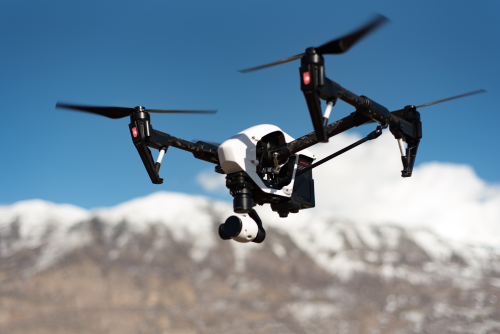
If you’re shopping for the best drones for social media content, don’t start with the biggest camera or the most expensive kit. For Reels, Shorts, TikTok, YouTube, and brand social deliverables, the real winners are drones that are fast to launch, easy to carry, reliable to track subjects, and painless to edit into a phone-first workflow. The right choice depends less on headline specs and more on whether you’re a beginner, a travel creator, an FPV pilot, or a working pro selling polished aerials.
Quick Take
For most buyers, the best drone for social media content is the one that fits your actual shooting style, not your wishlist. A tiny selfie drone can beat a flagship camera drone if it helps you post more often. A bigger pro drone only makes sense if clients will pay for that extra image flexibility.
| Buyer type | Best pick | Why it fits social content | Biggest tradeoff |
|---|---|---|---|
| Absolute beginner or solo selfie creator | DJI Neo | Very easy to launch, low intimidation factor, quick social-first clips | Limited image flexibility and less confidence in tougher wind |
| Value-focused creator | DJI Mini 3 | True vertical shooting, lightweight, travel-friendly, still very capable | Fewer safety and tracking advantages than newer premium models |
| Best all-around choice for most people | DJI Mini 4 Pro | Excellent mix of portability, tracking, safety aids, and creator-friendly vertical output | Costs more than entry-level options |
| Serious creator moving into paid work | DJI Air 3S | Better image headroom and more framing flexibility for polished edits | Larger, heavier, and usually brings more rule friction |
| Action and FPV creator | DJI Avata 2 | High-energy first-person-view footage that stands out fast | Niche look, steeper learning curve, not ideal as your only drone |
| Working pro, agency, or premium brand shooter | DJI Mavic 3 Pro | Multi-lens flexibility and stronger commercial-grade output | Expensive, bulkier, and overkill for casual social posting |
Key points
- The safest all-around recommendation is the DJI Mini 4 Pro.
- If you are new and mostly want quick creator clips, the DJI Neo is the easiest place to start.
- If you want better value and still care about vertical content, the DJI Mini 3 is still a smart buy.
- If your content is turning into paid work, the DJI Air 3S is a stronger step-up than jumping straight to a flagship.
- Only buy the DJI Avata 2 if you specifically want FPV style. It is not the best general-purpose creator drone.
- The DJI Mavic 3 Pro is for people who can clearly justify it with client work, premium campaigns, or a broader video business.
How to choose the right drone for social media content
Before comparing models, get clear on what kind of content you actually post.
1. Decide whether your content is social-first or camera-first
If most of your output is vertical, fast, and edited on your phone, convenience matters more than maximum image quality.
If you shoot slower, polished brand content and edit on a computer, you will benefit more from a larger drone with more image latitude. Latitude here means how much flexibility you have when adjusting color and exposure in editing.
2. Know whether you need true vertical video
Some drones can shoot portrait-oriented footage directly. That matters if you post mostly to vertical platforms and want less cropping.
If you mainly post horizontal videos to YouTube or deliver footage to clients who may use multiple formats, direct vertical capture matters less.
3. Match the drone to your locations
Ask yourself where you actually fly:
- Dense cities
- Beaches and coastlines
- Mountain viewpoints
- Hotels and tourism venues
- Sports fields
- Indoor spaces
- Travel destinations with tighter drone rules
A small drone is easier to carry and less intimidating. A larger drone usually handles wind and demanding shoots better, but it also brings more visibility, more packing bulk, and often more regulatory complexity.
4. Be honest about your skill level
A lot of buyers overestimate how much manual control they want.
If you are not excited about learning advanced flight technique, your best drone is probably one with strong stabilization, reliable subject tracking, and a polished app workflow. If you specifically want dramatic racing-style movement, then FPV, short for first-person view, is the right lane.
5. Buy for the full system, not just the aircraft
The drone is only part of the purchase. Think about:
- Extra batteries
- Charger or charging hub
- Memory cards
- Spare propellers
- ND filters, which are neutral-density filters used to control motion blur in bright light
- A case or travel pouch
- Local repair support
- Insurance if you shoot commercially
A cheaper drone with no spare batteries and poor support can be a worse buy than a slightly pricier one you can actually maintain.
The best drones for social media content right now
DJI Neo
Best for: absolute beginners, solo creators, quick social clips
The DJI Neo is the easiest recommendation for people who want to make social content without becoming “drone people” first.
It works especially well for creators who want fast, low-friction shots: walk-and-talk clips, travel cutaways, running shots, light behind-the-scenes content, or simple establishing footage for short-form edits. The biggest advantage is how little setup it asks of you. That matters more than many buyers realize.
Why it stands out
- Very approachable for first-time users
- Great for solo creators who need hands-off or low-effort shots
- Easy to integrate into a phone-based editing workflow
- Lower intimidation factor than a larger camera drone
Limits to know
The Neo is not the drone to buy if you want the most polished cinematic landscape footage, stronger wind confidence, or higher-end client deliverables. It is a creator tool first, not a do-everything aerial camera.
Buy it if
- You are brand new to drones
- You post short-form content frequently
- You want something easy enough to use several times a week
- You care more about speed than ultimate image flexibility
Skip it if
- You want your first drone to cover paid commercial work
- You regularly fly in windy locations
- You care more about scenic aerial quality than fast creator shots
DJI Mini 3
Best for: budget-conscious creators who still want a “real” camera drone
The DJI Mini 3 remains one of the smartest value buys for creator-focused drone content. It is especially attractive if you want a lightweight travel drone with true vertical shooting but do not need every premium safety or tracking feature.
For social media, the Mini 3 hits a sweet spot: small enough to carry often, capable enough to make your footage look intentional, and simple enough that it does not slow down your workflow.
Why it stands out
- True vertical capture is a real advantage for Reels and Shorts
- Lightweight format is easier for travel and casual carry
- Strong creator value without forcing a flagship budget
- A better first “proper drone” than many cheap alternatives
Limits to know
The Mini 3 makes the most sense when you are prioritizing value and portability. If you want the strongest all-around subject tracking, more advanced sensing, or the most confidence as a solo operator, the Mini 4 Pro is a better buy.
Buy it if
- You want strong vertical-video capability
- You travel often and want to stay light
- You want a better camera-drone experience than selfie drones offer
- You want to keep costs under control without dropping to toy-grade hardware
Skip it if
- You expect to lean heavily on automated tracking
- You want maximum safety aids for solo flights
- You plan to grow quickly into paid commercial work
DJI Mini 4 Pro
Best for: most creators, travelers, and one-drone buyers
If you want the safest one-drone recommendation for social media content, this is it.
The DJI Mini 4 Pro is the best balance of portability, smart features, image quality, and creator workflow. It is especially strong for solo operators because it combines easy transport with reliable subject tracking, good safety features, and vertical-friendly shooting.
For many buyers, it is the point where you stop feeling like you are managing compromises all the time.
Why it stands out
- Excellent fit for travel creators and frequent flyers
- Strong tracking and obstacle sensing help solo creators work faster
- Vertical-first content is much easier than on larger landscape-only drones
- Small enough to actually bring with you instead of leaving at home
Limits to know
It is still a small drone. That means bigger drones can offer more image headroom, more lens flexibility, and better confidence in tougher wind or more demanding commercial settings.
It is also important not to assume a smaller drone means “no rules.” In many places, sub-250-gram drones still trigger registration, operator ID, remote ID, or location-based restrictions. Always verify the rules where you fly.
Buy it if
- You want one drone that covers travel, creator work, and casual paid jobs
- You shoot mostly solo
- You want a drone that fits both beginners and experienced users
- You care about vertical content and low packing bulk
Skip it if
- You regularly need higher-end deliverables for agencies or brands
- You want multiple focal lengths for more polished storytelling
- You often shoot in conditions where a larger platform makes more sense
DJI Air 3S
Best for: serious creators, brand shooters, and growing commercial users
The DJI Air 3S is where social content starts to blend into more professional production. If you already know you want better image flexibility, more confident framing options, and a more premium overall look, this is the smarter step-up than jumping straight to a top-tier flagship.
For working creators, the big appeal is creative range. A dual-camera setup gives you more ways to frame scenes without making every shot feel like a standard wide drone shot. That matters in branded content, tourism work, hospitality, real estate teasers, and higher-end YouTube production.
Why it stands out
- Better image headroom than the Mini class
- More flexible framing for storytelling
- Strong choice for creators moving into paid content
- Better fit for polished edits that go beyond quick social posts
Limits to know
You give up some of the simplicity that makes the Mini line so attractive. The kit is larger, more noticeable in public, and more likely to bring extra compliance and travel questions depending on where you operate.
It is also not the easiest answer for creators who mainly live in vertical-first workflows, since larger drones are often more naturally optimized for horizontal capture.
Buy it if
- You already know how to fly and edit
- Clients care about image polish and shot variety
- You want a bridge between creator gear and pro gear
- Your work includes campaigns, tourism, property, or premium social packages
Skip it if
- You mostly want quick travel clips
- Portability is your top priority
- You are still learning basic drone habits
DJI Avata 2
Best for: action content, dynamic edits, FPV style
The DJI Avata 2 is the right drone only when you clearly want FPV footage. That look is fast, immersive, aggressive, and very different from the smooth hovering style of standard camera drones.
For social media, FPV can be powerful because it stops the scroll. It feels immediate. It works well for sports, automotive, venue reveals, action intros, and creators building a high-energy visual identity.
Why it stands out
- Motion style that standard camera drones cannot replicate
- Strong tool for standout short-form edits
- More accessible than traditional DIY FPV setups
- Great for creators who want movement to be part of the story
Limits to know
This should not be your default choice just because FPV looks cool online.
The look is specialized. It can make every edit feel the same if overused. It also asks more of the pilot, especially around safety planning, line selection, simulator practice, and risk management. Indoor and close-proximity flying may also require specific venue permission and extra caution.
Buy it if
- You specifically want FPV footage
- Your content revolves around action, speed, or immersive movement
- You are willing to practice and learn more than the average beginner
- You want a second drone that complements a standard camera drone
Skip it if
- You want one drone for all-purpose travel and social content
- You mostly shoot scenic landscapes or calm tourism visuals
- You do not want goggles or a steeper learning curve
DJI Mavic 3 Pro
Best for: working professionals, agencies, and premium commercial content
The DJI Mavic 3 Pro is not the best social media drone for most people. It is the best social media drone for professionals who are really doing more than social media.
If your content must also serve websites, ad campaigns, tourism boards, premium hospitality, real estate, or high-end brand work, the Mavic 3 Pro makes more sense. Its multi-lens setup gives experienced shooters more creative control and a more professional production feel.
Why it stands out
- Better fit for premium commercial deliverables
- More lens flexibility than creator-class drones
- Strong choice when aerials are part of a broader paid production workflow
- Useful when clients expect multiple formats and a more cinematic finish
Limits to know
For casual creators, it is usually too much drone.
It is bulkier, more expensive to own and maintain, more conspicuous on location, and less enjoyable for spontaneous everyday use. If your main job is posting to social platforms, there is a good chance the Mini 4 Pro or Air 3S is the smarter purchase.
Buy it if
- You already shoot for clients
- You need a drone as part of a serious production toolkit
- You can clearly earn back the extra cost
- You want premium aerial flexibility, not just easier social clips
Skip it if
- You are a beginner
- Most of your work is vertical short-form content
- You want something light, discreet, and easy to travel with
Which drone should you buy based on your workflow?
If you want the shortest possible version:
- Buy the DJI Neo if you are new, shoot mostly solo, and want friction-free social content.
- Buy the DJI Mini 3 if you want value and true vertical capture without going premium.
- Buy the DJI Mini 4 Pro if you want the best all-around social media drone for most real-world creators.
- Buy the DJI Air 3S if your social content is becoming paid work and you want more polished results.
- Buy the DJI Avata 2 if you specifically want FPV motion.
- Buy the DJI Mavic 3 Pro if you are already a working pro and know why you need it.
Accessories that actually matter
A lot of buyers overspend on extras they never use and underspend on the basics that keep shoots moving.
Buy these first
- At least two extra batteries
- Spare propellers
- Reliable memory cards from a trusted brand
- A charging hub or fast charger
- A compact case or pouch
- Basic insurance if you do client work or higher-risk flying
Buy these if your workflow needs them
- ND filters for bright daylight video
- A controller with a built-in screen if you shoot in strong sun or need faster setup
- A landing pad if you often launch from sand, dust, or rough terrain
- Prop guards for training or approved indoor work, if supported for your drone
Lower priority for most social-first buyers
- Huge hard cases
- Complex filter kits on day one
- Specialized mounts you do not yet have a real use for
Safety, legal, and operational limits to check before you fly
Drones used for social media still operate in regulated airspace. Do not assume “creator content” gets special treatment.
Verify these before buying or flying
- Whether your drone must be registered in the country where you fly
- Whether the pilot needs a competency test, certificate, or operator ID
- Whether remote identification or electronic ID applies
- Whether local rules differ for sub-250-gram drones
- Whether commercial work triggers extra requirements
- Whether parks, beaches, resorts, stadiums, heritage sites, or city centers have local restrictions
- Whether you need venue or property permission for indoor flights
- Whether airline battery carriage rules affect your travel plan
Also remember
- Do not fly over crowds unless your local rules and operating approval clearly allow it.
- Automated tracking is not permission to stop paying attention.
- Privacy laws vary. If you are filming people, private property, events, or hospitality venues, verify what is allowed.
- Wind, electromagnetic interference, weak GPS, and low-light conditions can all change risk quickly.
- If you are traveling internationally, check both drone rules and customs or import restrictions before you pack.
For commercial work, it is wise to verify local aviation authority rules, venue permission requirements, insurance expectations, and any client-side compliance policies before the shoot.
Common mistakes buyers make
Buying too much drone
A larger drone may look more “professional,” but if you leave it at home because it is bulky or inconvenient, it is the wrong tool.
Confusing spec sheets with better content
Social media rewards consistency, pacing, and storytelling. Better shots come from planning and repetition, not just from a larger sensor.
Assuming a sub-250-gram drone means no rules
This is one of the biggest global misconceptions. Many countries still regulate drones based on camera, location, operator status, or airspace, not just weight.
Buying FPV because it looks exciting online
FPV is powerful, but it is not a shortcut. If you do not love the flying style enough to practice, it will become an expensive niche toy.
Ignoring the edit workflow
If your content is edited on your phone, app transfer speed and file simplicity matter a lot. A more advanced drone can actually slow you down.
Forgetting support and parts
Before buying, check local availability for batteries, props, service, and warranty handling. A drone with weak support can become unusable faster than buyers expect.
FAQ
What is the best drone for beginners making Reels, Shorts, or TikTok?
For true beginners, the DJI Neo is the easiest starting point. If you want a more traditional camera-drone experience and a better long-term upgrade path, the DJI Mini 3 or Mini 4 Pro is a better fit.
What is the best all-around drone for social media creators?
The DJI Mini 4 Pro is the safest all-around pick for most creators. It balances portability, strong smart features, good image quality, and vertical-friendly shooting better than almost anything else.
Is FPV necessary for social media content?
No. FPV can make content feel more dynamic, but most creators do not need it. If your style is travel, lifestyle, hospitality, or scenic storytelling, a standard camera drone is usually the better choice.
Which is better for travel content: Mini 4 Pro or Air 3S?
For most travel creators, the Mini 4 Pro is better because it is easier to carry, easier to launch casually, and usually simpler to live with on the road. The Air 3S is better when image flexibility matters more than portability.
Can drones shoot vertical video directly?
Some can. That is one reason the DJI Mini 3 and Mini 4 Pro are so attractive for social platforms. Other drones often require you to crop from horizontal footage during editing.
Are selfie drones enough for paid client work?
Sometimes, but usually only for simple creator-style deliverables. If clients expect polished brand visuals, a more capable camera drone like the Mini 4 Pro or Air 3S is usually the stronger choice.
What accessories should I buy first?
Start with extra batteries, spare props, memory cards, a charger or charging hub, and a protective case. Add ND filters and screen controllers only if your workflow will actually benefit from them.
Should I use my phone or buy a controller with a built-in screen?
If you value lower cost and do not mind connecting your phone each time, a phone-based controller is fine. If you shoot often, work in bright sunlight, or want faster setup, a controller with a built-in screen is usually the better long-term experience.
Final decision
If you want one confident recommendation, buy the DJI Mini 4 Pro. If you want the easiest low-stress entry into creator drone content, start with the DJI Neo. If you are already landing paid work and want more creative range, move to the DJI Air 3S. Only choose the DJI Avata 2 if FPV is the look you are chasing, and only step up to the DJI Mavic 3 Pro if premium commercial work will justify the extra size, cost, and complexity.
The best drone for social media content is the one you will actually carry, fly legally, edit quickly, and use often enough to get better. Pick for your workflow, not for bragging rights.