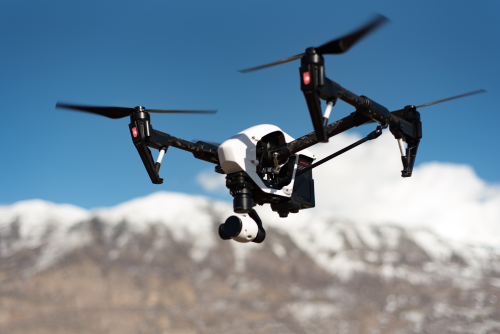
If you’re shopping for the best drones for teachers, the right answer is not “the one with the best camera.” It’s the one that fits your lesson type, your comfort level, and the places you can realistically fly. A great school drone should be easy to set up, safe enough for repeated use, affordable to repair, and useful for actual teaching rather than just impressive on paper.
Quick Take
Here’s the short version if you want a fast buying decision:
- Best for coding, robotics, and indoor STEM: Ryze Tello EDU
- Best when the goal is programming, flight logic, or safe indoor demos.
-
Not the right choice if you mainly want high-quality aerial video.
-
Best tight-budget outdoor camera drone for beginners: DJI Mini 4K
- A strong first buy for teachers who want reliable flight and simple aerial photo/video capture.
-
Better for teacher-led use than rough student handling.
-
Best value for media, yearbook, and school content: DJI Mini 3
-
A smart step up if you want better footage and more creative flexibility without jumping to a higher tier.
-
Best overall for most teachers who want the fewest regrets: DJI Mini 4 Pro
- The best balance of safety features, image quality, portability, and long-term usefulness.
-
If your budget can stretch, this is the easiest “buy once, use for years” option.
-
Best for advanced media programs and serious school storytelling: DJI Air 3
- Better for more experienced operators, stronger outdoor performance, and more polished video work.
-
Usually overkill for casual classroom use.
-
Best path for FPV clubs or immersive flight programs: Start with a simulator and a tiny whoop-style trainer
- If you later want a more polished protected FPV system, consider DJI Avata 2.
- Do not start beginners on a fast open-prop FPV build.
Match the drone to the teaching job first
Most buying mistakes happen because schools buy for “drone ownership” instead of buying for a specific teaching outcome.
| Teaching need | Best drone type | Good options | Why it fits | Biggest downside |
|---|---|---|---|---|
| Coding, robotics, indoor STEM | Small educational drone | Ryze Tello EDU | Programmable, less intimidating, better for indoor demos | Weak camera, limited outdoor value |
| First aerial photo/video lessons | Lightweight camera drone | DJI Mini 4K | Easy to learn, portable, practical starting point | Fewer advanced safety features |
| School marketing, yearbook, social content | Better sub-250 g camera drone | DJI Mini 3, DJI Mini 4 Pro | Good video quality, low travel burden, widely usable | Still not ideal for indoor flying |
| Film/media elective with experienced teacher | Premium compact camera drone | DJI Mini 4 Pro | Strong safety features and creative tools | Higher cost |
| Advanced outdoor production, sports coverage | Mid-size camera drone | DJI Air 3 | Better wind handling and more creative range | More expensive, heavier, more compliance friction |
| FPV club or immersive flight training | Simulator + protected FPV trainer | Tiny whoop kit, DJI Avata 2 later | Safer progression for beginners | Separate learning curve from regular camera drones |
Best drones for teachers by budget and skill level
Entry budget: roughly under $300
Best indoor teaching buy: Ryze Tello EDU
If your real goal is teaching flight principles, coding, robotics thinking, or classroom engagement, the Tello EDU still makes sense.
Why teachers like it:
- It is much less intimidating than a full outdoor camera drone.
- It works well for short demos.
- Students can understand the connection between code and movement.
- Indoor use means weather matters less.
- Crash consequences are usually lower than with larger drones.
It is a better buy than a camera drone when you teach:
- introductory STEM
- programming logic
- robotics clubs
- basic aviation concepts
- classroom demonstrations
What to know before you buy:
- It is not a serious aerial photography tool.
- It is older than many camera drones, so availability may vary by market.
- Battery life and wind resistance are limited.
- You may need to source it from an education-focused seller or reputable refurbished channel.
Best outdoor beginner buy on a budget: DJI Mini 4K
If your goal is real outdoor aerial images, school campus footage, or basic flight training, the DJI Mini 4K is a much better fit than a toy drone.
Why it works well for teachers:
- It is simple enough for a first-time pilot.
- It produces usable footage for presentations, school promotion, and student projects.
- It is portable and easier to carry between classes or locations.
- It belongs to a mature ecosystem with spare parts, batteries, and a familiar setup process.
Who should buy it:
- teachers new to drones
- schools that want one shared starter drone
- yearbook, media, geography, and creative teachers who need a practical first platform
Who should skip it:
- teachers who need indoor programming lessons
- schools that want the highest safety feature set
- buyers expecting heavy wind performance or advanced tracking tools
If you are deciding between a cheap toy drone and a Mini-class drone, the Mini-class option is usually the smarter purchase. Toy drones are often fun for a day, but many schools regret them because they are unstable, disposable, and not useful enough for real teaching outcomes.
Value budget: roughly $300 to $700
Best value for most content-focused teachers: DJI Mini 3
For many teachers, the DJI Mini 3 is the sweet spot.
It is a strong fit if you want to create:
- campus overviews
- admissions or school social content
- project-based student videos
- basic documentary work
- geography or environmental storytelling
Why it stands out:
- Better image quality than true entry-level options
- Good portability
- Easy enough for a careful beginner
- Flexible enough to stay relevant after the first semester
- Stronger “real project” feel than very cheap drones
This is the drone tier where a lot of buyer regret disappears. The drone is capable enough to be genuinely useful, but not so expensive or operationally demanding that it becomes a locked-cabinet asset nobody wants to touch.
Budget alternative worth considering: Potensic Atom
If DJI is not your preferred ecosystem, or if local support is better for another brand in your market, the Potensic Atom can be worth a look as a lower-cost lightweight camera drone.
The main reason to consider it:
- It can offer good beginner value in markets where pricing or support makes it more accessible.
The main reason many schools still choose DJI:
- stronger ecosystem familiarity
- easier resale
- more accessories and community knowledge
- broader tutorial coverage
For institutions, ecosystem support often matters more than the headline spec sheet.
Best all-round buy for most schools: roughly $700 to $1,100
Best overall recommendation: DJI Mini 4 Pro
If a teacher asks, “What drone should I buy if I want one good option that can handle most school use cases?” the Mini 4 Pro is the cleanest answer.
Why it is the best overall fit:
- More advanced obstacle sensing, which helps detect objects around the drone
- Better safety margin for newer pilots
- Excellent portability
- Strong image quality for school media work
- Useful automation and tracking tools
- Light enough to remain easier to travel with than larger drones
This is the model tier that best suits:
- media teachers
- communications teams
- universities running student creator programs
- teachers who will use the drone regularly, not occasionally
- schools that want one capable drone instead of several throwaway ones
What makes it worth the extra spend over a cheaper Mini:
- fewer crash-prone blind spots
- better long-term usefulness
- more room to grow into advanced lessons and projects
- stronger confidence for solo teacher operation
What not to assume:
- Obstacle sensing is not crash-proof.
- Students can still make unsafe inputs.
- You still need a proper preflight routine and conservative flying habits.
If your budget allows only one serious purchase and you want the fewest compromises, this is the safest recommendation in the guide.
Program-level spend: above roughly $1,100
Best for advanced media programs: DJI Air 3
The Air 3 is not the best drone for most teachers. It is the best drone for a narrower group of teachers who already know they need more.
It makes sense for:
- advanced high school or university media programs
- sports coverage from appropriate legal and safe positions
- film teachers with outdoor production experience
- schools that already have a beginner drone and want a second, stronger platform
Why you might choose it:
- Better wind handling than smaller drones
- More creative framing flexibility
- Stronger “production tool” feel
- Better fit for serious outdoor storytelling
Why you might regret it:
- It costs more to buy and protect
- It is heavier and creates more compliance questions in some countries
- It is less forgiving as a first school drone
- It may be too much drone for short class periods
A good rule: buy an Air 3 only when you can explain exactly why a Mini 4 Pro is no longer enough.
For FPV teaching, buy the training path, not just the drone
FPV means first-person view, where the pilot flies through goggles or a live immersive feed. It is exciting, but it is also a different skill set from normal camera drone flying.
Best beginner FPV path for teachers
- Start with a simulator
- Move to a tiny whoop-style trainer
- Only then consider a more expensive system like DJI Avata 2
Why this matters:
- FPV crashes are part of learning.
- Students need muscle memory before they need speed.
- Open-prop, high-power FPV drones are a poor match for a beginner school program.
- A simulator gives you far more repetitions than real batteries do.
If your goal is “teach cinematic drone video,” a regular camera drone is usually the better first purchase. If your goal is “teach FPV as its own flight discipline,” build the program around training and safety, not excitement.
How to choose the right drone for your classroom
Before you click buy, use this checklist.
1. Define the actual teaching outcome
Ask:
- Are students learning coding?
- Are they creating media?
- Are you capturing school marketing footage?
- Is the drone mostly for teacher demonstrations?
- Will students actually pilot it?
The best camera drone is often the wrong coding drone, and the best coding drone is often the wrong media drone.
2. Decide where you will actually fly
Your answer should be specific:
- indoors only
- school field
- sports ground
- rural outdoor site
- occasional travel
- mixed use
If most sessions are indoors, prioritize prop safety, slow flight, and easy resets. If most sessions are outdoors, prioritize wind handling, GPS stability, and return-to-home, which is the feature that automatically brings the drone back toward its takeoff point when signal or battery becomes an issue.
3. Buy for setup speed, not just flight specs
In schools, time disappears fast.
The best education-friendly drones:
- power on quickly
- connect reliably
- need minimal calibration drama
- have simple battery swapping
- are easy for another staff member to use after you
A drone that takes ten extra minutes of app updates, account issues, or connection troubleshooting will kill your lesson flow.
4. Think about replacement cost
Teachers often focus on purchase price and ignore recovery cost.
Budget for:
- spare propellers
- extra batteries
- charger or charging hub
- memory cards
- case
- prop guards where appropriate
- possible repairs
- training time
For a school, the cheapest drone is often the one that can be put back in service quickly.
5. Consider controller and device policy
Many schools do not want students using personal phones for flight apps.
A controller with a built-in screen can be worth the extra cost because it:
- reduces device compatibility issues
- avoids app-install headaches
- simplifies shared institutional use
- makes teacher-led operation cleaner
6. Check repair, warranty, and local support
This matters more than many buyers expect.
Choose the drone ecosystem that gives you:
- reliable local dealer support
- easy battery replacement
- spare prop access
- familiar training resources
- realistic repair options
7. Verify rules before the first flight
Global drone rules vary by country, by location, by drone weight, and sometimes by camera use or operator type. Before flying, verify what applies with the relevant aviation authority, land manager, venue, or school administration.
Accessories teachers actually need
You do not need a giant shopping cart. You do need the right basics.
Prioritize these:
- 2 to 3 extra batteries per drone
- Spare propellers
- A proper charging solution
- A case with labels for shared use
- A high-quality memory card
- A controller with a screen if school device policies are strict
- Prop guards for indoor or close-proximity training
- A small landing mat for dusty outdoor sites
- A simulator for FPV programs
Skip these until you know you need them:
- lots of filters
- oversized hard cases for small local use
- advanced editing gear before you have footage worth editing
- specialty accessories with no clear lesson purpose
Safety, legal, and operational limits to know
Teachers should be more conservative than hobby buyers because the environment often includes minors, spectators, school property, and institutional risk.
Rules vary widely by country
Do not assume any of the following are automatically true where you live:
- that drones under 250 g are rule-free
- that school grounds are automatically legal to fly from
- that public parks allow takeoff and landing
- that a teacher can fly over students or sports events
- that educational use changes the aviation rules
Always verify with the relevant authority before flying.
School policy matters as much as aviation rules
Even if the airspace is legal, your school may still require:
- administrative approval
- risk assessment
- parent or student media consent
- insurance review
- staff-only operation
- battery storage procedures
Privacy matters
If you are recording identifiable students, staff, or nearby properties, make sure your school’s privacy and media policies are followed. A drone camera can create complaints even when the flight itself is legal.
Indoor flying is not automatically “safe enough”
Indoor flights may avoid some airspace issues, but they still require:
- a clear flight area
- distance from faces and hands
- controlled takeoff and landing
- prop protection where appropriate
- a hard stop plan if the drone becomes unstable
Batteries deserve real procedures
Lithium batteries are normal in drones, but they still need sensible handling:
- do not leave charging unattended if your institution prohibits it
- avoid damaged or swollen batteries
- label batteries by number
- retire weak batteries early
- store and transport them according to your school’s safety procedures and any local travel rules
Common mistakes teachers make when buying a drone
Buying several very cheap drones instead of one genuinely usable one
This usually feels sensible on day one and frustrating by week three. Ultra-cheap drones often drift, break, and produce footage too poor to support real projects.
Buying a camera drone for a coding lesson
If the main learning goal is programming, classroom logic, or robotics, an educational drone beats a camera drone every time.
Overbuying for beginners
A bigger, heavier, more expensive drone can make new pilots more nervous, not more capable. For many schools, a Mini-class drone is the better learning platform.
Ignoring setup friction
If your drone needs too much updating, pairing, calibrating, or phone wrangling, it will sit unused.
Assuming safety features replace judgment
Return-to-home and obstacle sensing are helpful. They do not make the drone autonomous or student-proof.
Forgetting the total budget
A school drone package is not just the aircraft. Batteries, storage, spares, and training often matter more than a slight jump in camera quality.
Confusing social-media hype with educational value
A dramatic spec sheet is not a curriculum plan. Buy the drone that matches the lesson, not the one that looks best in a launch video.
FAQ
What is the best first drone for a teacher with no flight experience?
If you want outdoor aerial photos and video, a DJI Mini 4K is one of the safest starting points. If your main goal is indoor STEM or coding, start with Ryze Tello EDU instead. Beginners do better with simple, reliable systems than with feature-heavy larger drones.
Is a sub-250 g drone always exempt from drone rules?
No. In many places, lighter drones face fewer restrictions, but that does not mean no restrictions. Registration, pilot competency, location limits, privacy rules, or local park and school rules may still apply.
Should a school buy one good drone or several cheap drones?
Usually one good drone is the better buy. A reliable drone with spare batteries and propellers delivers more real teaching value than a pile of low-end drones that are hard to control and easy to break.
What is the best drone for a media or yearbook teacher?
For most media teachers, DJI Mini 3 is the best value and DJI Mini 4 Pro is the best overall choice. The Mini 3 is excellent if budget matters; the Mini 4 Pro is better if you want more safety features and a longer useful life.
Can teachers fly drones at school without special permission?
Sometimes yes, sometimes no, depending on your country, the location, and school policy. Even where aviation rules allow the flight, the school may still require internal approval, privacy review, or risk management steps.
Do I need obstacle sensing for school use?
Not always, but it is very helpful. For solo teachers, shared equipment, and new operators, obstacle sensing can reduce risk. It should be treated as a backup aid, not as permission to fly close to trees, buildings, or people.
What accessories matter most for a classroom drone?
Extra batteries, spare propellers, a charger, a storage case, a memory card, and a screen-equipped controller are usually the most useful. For indoor training, add prop guards. For FPV, add a simulator before you add more hardware.
Is refurbished a good idea for schools?
It can be, if you buy from a reputable seller with a clear battery and warranty policy. Refurbished drones make the most sense when you already know the model fits your curriculum and you want to lower replacement cost without dropping into toy-grade hardware.
The smartest buy for most teachers
If you want the simplest decision, buy by teaching goal:
- Coding and indoor STEM: Ryze Tello EDU
- First real outdoor school drone on a tight budget: DJI Mini 4K
- Best value for media and school content: DJI Mini 3
- Best overall long-term school drone: DJI Mini 4 Pro
- Best for advanced outdoor production: DJI Air 3
- Best FPV path: simulator first, then a tiny whoop or protected FPV system
If you are still unsure, err toward lighter, simpler, and more repairable. The best drone for teachers is the one that gets used often, supports real lessons, and does not turn every class into a troubleshooting session.