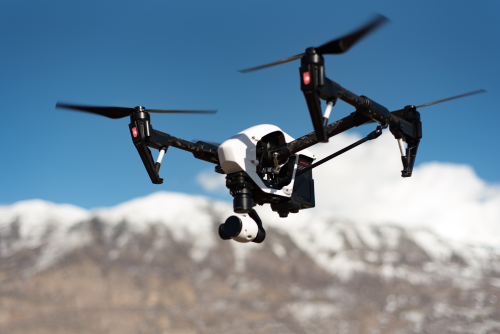
The best drones for wedding shoots are not always the biggest, newest, or most expensive. Wedding work rewards quiet flight, predictable safety features, fast setup, dependable image quality, and a camera system that matches the way you actually deliver films, highlight reels, and social clips. If you are deciding between a Mini, Air, Mavic, or FPV platform, the smartest buy is the one that helps you get clean shots without adding unnecessary risk, noise, or complexity on a live event day.
Quick Take
If you want the short version, these are the strongest fits for most wedding buyers right now:
| Drone | Best for | Why it stands out for weddings | Main tradeoff |
|---|---|---|---|
| DJI Mini 4 Pro | Beginners, travel shooters, second shooters, social-first creators | Compact, easy to carry, strong safety features for its size, excellent for quick venue reveals and vertical content | Smaller platform means less margin in wind, low light, and heavy post work |
| DJI Air 3S | Best overall for most wedding shooters | Strong balance of image quality, dual-camera flexibility, battery life, and portability | Louder and more noticeable than a Mini-class drone |
| DJI Mavic 3 Classic | Image-first solo pros | Better main-camera image quality and stronger grading headroom than smaller drones | Less lens flexibility than the Air 3S or Mavic 3 Pro |
| DJI Mavic 3 Pro | Working pros and premium teams | Multiple focal lengths, flagship-level flexibility, strong results across varied venues | Higher cost, bigger kit, more attention on-site |
| DJI Avata 2 or a custom cinewhoop | FPV specialists only | Great for stylized fly-throughs and motion-heavy inserts | Not a primary wedding drone, and not for crowded or uncontrolled environments |
The simplest buying advice
- Buy the Mini 4 Pro if you are new to weddings, travel often, or need the easiest drone to bring everywhere.
- Buy the Air 3S if you want one drone that can cover most wedding work without feeling entry-level.
- Buy the Mavic 3 Classic if image quality matters more than lens variety.
- Buy the Mavic 3 Pro if you already shoot weddings professionally and can actually monetize the extra flexibility.
- Treat Avata 2 or cinewhoop FPV as a specialty add-on, not your main wedding aircraft.
What actually makes a good wedding drone
A wedding drone is not the same thing as a travel drone or an action drone. The job is more delicate.
1. Quiet, discreet operation
A drone can be technically legal and still be the wrong choice if it ruins the mood. Weddings are emotional events. Noise matters, especially during vows, speeches, and intimate couple moments.
For most weddings, the best drone is the one you can launch quickly, get the shot, and land before people start noticing it.
2. Reliable safety features
Obstacle sensing, stable hovering, accurate return-to-home, and predictable braking all matter more at weddings than flashy flight modes. Venues often include trees, string lights, rooftops, tents, walls, and guests moving unpredictably.
Safety features do not make a drone crowd-safe, but they do reduce pilot workload when conditions get busy.
3. Useful focal lengths
Wedding drone footage is not just about giant wide shots. Some of the most valuable clips are slightly tighter:
- Ceremony location reveals from a respectful distance
- Couple portraits at golden hour
- Exterior transitions between ceremony and reception
- Venue detail shots without flying too close
That is why dual-camera drones are so useful. A medium tele lens often looks more elegant than an ultra-wide view.
4. Good low-light behavior
Many weddings deliver their best light late in the day. Sunset portraits, blue-hour venue exteriors, and evening reception ambience push drone cameras harder than bright midday scenes.
A better sensor and cleaner files matter if you shoot cinematic wedding films, not just quick social edits.
5. Fast setup and low friction
Wedding days move fast. You may have a tiny window between hair and makeup, guest arrival, cocktail hour, and sunset portraits. A drone that takes too long to prep, calibrate, or reconfigure is often the wrong tool, even if its image quality is better on paper.
6. Battery ecosystem and reliability
A good wedding drone system is not just the aircraft. It is also:
- Reasonable battery endurance
- Dependable chargers and hubs
- Fast media offload
- Easy prop replacement
- Good repair and accessory availability
This matters more than people expect when you are on a long event day.
7. A realistic fit for your workflow
Ask yourself what you actually deliver:
- Full wedding films
- Short highlight edits
- Vertical reels
- Venue promos
- Luxury cinematic packages
- Social content alongside stills
Your workflow should decide the drone, not internet hype.
The best drones for wedding shoots
DJI Mini 4 Pro
The DJI Mini 4 Pro is the best wedding drone for beginners and one of the smartest tools for creators who value portability, speed, and low friction over maximum image headroom.
It is especially strong for:
- New wedding videographers
- Hybrid creators who shoot both travel and weddings
- Second shooters
- Destination elopements
- Social-first teams delivering short-form content
- Pilots who need the lightest practical kit
Why it works so well at weddings
The Mini 4 Pro is easy to carry, easy to deploy, and far less intimidating than a larger drone. That matters when you are working around families, planners, venues, and timelines.
It is also a very good fit for:
- Venue establishing shots
- Sunrise or sunset location reveals
- Couple walk-and-reveal clips
- Quick vertical content for reels and stories
- Travel weddings where bag space is tight
Its low weight can also place it in a lighter regulatory category in some jurisdictions, though that never means you can ignore local rules, venue permission, or safe operating limits.
Where beginners will love it
Beginners tend to make fewer mistakes with a lighter, simpler platform. The Mini 4 Pro is forgiving enough to help you build workflow confidence without forcing you into a heavy pro kit too early.
Where it can disappoint
You may outgrow it if you:
- Regularly shoot in strong wind
- Need the cleanest possible files for heavy color grading
- Want more flexible focal lengths
- Often work at large luxury venues where a tighter lens is helpful
- Expect it to handle every low-light scene like a flagship drone
Best buyer for this drone
Buy the Mini 4 Pro if your wedding drone work is still growing and you want the least buyer regret. It is the easiest recommendation for people entering paid wedding work carefully.
DJI Air 3S
If you want the best overall balance for wedding shoots, the DJI Air 3S is the strongest single-drone choice for most buyers. If this model is not available in your market, the DJI Air 3 is still a very solid alternative.
This is the drone that makes the most sense for many real-world wedding shooters because it combines portability with a more versatile camera setup than a Mini-class drone.
Why it is the best all-rounder
The Air 3S sits in a sweet spot:
- More capable than a Mini for demanding work
- Easier to live with than a bigger flagship
- Flexible enough for both cinematic edits and fast client deliverables
- Strong choice for solo operators who need one aircraft to do a lot
Its dual-camera approach is especially useful for weddings. You can grab a broad venue reveal, then switch to a tighter angle that feels more polished and less intrusive.
Where it shines on a wedding day
The Air 3S is excellent for:
- Outdoor ceremony establishing shots
- Large venue reveals
- Golden-hour couple footage
- Safe stand-off shots where you want compression and separation
- Quick transition shots between locations
- Hybrid wedding and venue-marketing work
For many professionals, this is the point where the drone feels truly purpose-built for paid event work rather than upgraded hobby use.
What to watch out for
Compared with a Mini-class drone, it is:
- Larger
- More audible
- More noticeable to guests
- Less casual to carry on every trip
That means timing matters. It is often better used before guests gather, during controlled windows, or away from the most intimate parts of the day.
Best buyer for this drone
Buy the Air 3S if you want one drone that can handle most wedding work well without jumping all the way into a flagship system. For many creators and solo businesses, it is the best value-versus-capability point in the market.
DJI Mavic 3 Classic
The DJI Mavic 3 Classic is one of the smartest image-quality buys for wedding professionals who care more about the main camera than about having multiple focal lengths.
It does not get as much headline attention as the Mavic 3 Pro, but for a lot of solo operators it is the more rational purchase.
Why it still makes sense
Wedding shooters often assume the newest or most complex drone is automatically the best. That is not always true.
The Mavic 3 Classic is attractive if you want:
- Stronger image quality from the main camera
- Better low-light confidence than smaller platforms
- More room in post for cinematic editing
- A pro-level look without paying for extra lenses you may rarely use
If your style leans toward elegant, restrained aerials rather than constant focal-length changes, this drone can be a very smart fit.
Where it fits best
It works best for:
- Cinematic wedding films
- Luxury venue exteriors
- Golden-hour couple portraits
- Shooters who plan a few high-value aerial moments rather than many casual clips
Where it loses ground
You may prefer the Air 3S instead if you value:
- Dual-camera flexibility
- A slightly easier travel kit
- A more compact day-to-day system
- Better value for mixed creator work and social content
Best buyer for this drone
Buy the Mavic 3 Classic if you are already getting paid for weddings and you know image quality is the main thing holding you back, not flight skill or shot planning.
DJI Mavic 3 Pro
The DJI Mavic 3 Pro is the best drone for working wedding professionals who need maximum flexibility and can justify it with real client demand.
It is not the right first purchase for most people. But in the hands of an experienced operator, it is a very powerful wedding platform.
Why pros choose it
Weddings are unpredictable. A premium venue, a tight timeline, and a changing weather window can all happen on the same day. The Mavic 3 Pro gives you more compositional options without changing aircraft.
That matters when you want:
- A dramatic venue-wide opener
- A cleaner medium shot from farther away
- A tighter visual language for upscale storytelling
- Premium-looking aerials with less compromise
For large estates, resorts, vineyards, coastlines, and destination venues, that flexibility can be worth real money.
Why it is not for everyone
The Mavic 3 Pro also brings more baggage:
- Higher cost
- Bigger kit
- More visual and acoustic presence
- More temptation to overcomplicate a simple aerial plan
If you do not already have clients who notice and pay for premium aerial work, you may be better served by the Air 3S or Mavic 3 Classic.
Best buyer for this drone
Buy the Mavic 3 Pro if aerials are a serious part of your business, not just an add-on. It makes the most sense for established wedding studios, destination teams, and operators serving higher-end venues.
DJI Avata 2 or a custom cinewhoop
For wedding work, the DJI Avata 2 or a custom cinewhoop is a specialist tool, not a general recommendation.
Where FPV can add real value
FPV can create shots that standard camera drones cannot:
- Stylized venue fly-throughs
- Exterior-to-interior transitions in empty spaces
- Reception-room reveals before guests enter
- Resort or property promos attached to wedding coverage
- Dynamic vehicle or arrival sequences in controlled conditions
Why it is risky at weddings
This is the part many buyers get wrong. FPV is not a “nice extra” you casually bolt onto your first wedding package.
Problems include:
- Much higher pilot skill requirement
- Greater risk in tight environments
- Louder, more aggressive flight feel
- More planning and more need for a sterile area
- Bigger mismatch with romantic, unobtrusive wedding coverage
If you are not already an FPV pilot, a wedding is not the place to learn.
Best buyer for this drone
Buy Avata 2 or a cinewhoop only if you already understand exactly when and how you will use it. For most wedding shooters, it should be a second or third platform, not the first.
How to choose the right wedding drone for your workflow
If you are stuck between two models, use this sequence.
1. Decide what kind of wedding work you actually do
Choose one:
- Occasional add-on aerial clips
- Regular wedding highlight films
- Premium cinematic wedding coverage
- Social-first vertical content
- FPV specialty work
Your answer narrows the field quickly.
2. Be honest about your venues
Ask yourself:
- Mostly beaches, cliffs, vineyards, resorts, and open spaces?
- Or crowded urban venues, trees, tents, walls, and tight grounds?
- Are you usually working in wind?
- Do you often need to move quickly between locations?
Open venues reward bigger image gains. Tight venues reward portability and fast deployment.
3. Decide whether lens flexibility or main-camera quality matters more
This is the most important tradeoff.
- Choose Air 3S if you want versatile focal lengths in one compact system.
- Choose Mavic 3 Classic if you care more about the best main-camera result.
- Choose Mavic 3 Pro if you need both flexibility and flagship positioning.
4. Match the drone to your editing style
If you deliver:
- Fast reels and social clips: ease and speed matter a lot
- Cinematic films: cleaner files and low-light behavior matter more
- Mixed packages: balance matters most
5. Buy for the next 18 to 24 months, not the next weekend
Do not buy only for the one wedding you have on Saturday. Buy for the kind of work you want to shoot consistently.
That usually means: – Mini 4 Pro for careful entry – Air 3S for broad professional usefulness – Mavic 3 Classic or Pro for established premium work
The accessory bundle that matters more than the next spec jump
Many buyers overspend on the drone and underspend on the system.
For wedding work, the practical add-ons matter a lot:
- At least three batteries for a full event day
- Extra propellers
- Reliable charging hub
- Fast, reputable memory cards
- Neutral density filters for controlled shutter speed in bright light
- A compact landing pad for dusty, sandy, or wet locations
- A second drone or backup plan for paid work
If your budget is tight, a slightly cheaper drone with the right battery and backup setup is often smarter than a flagship body with no operational cushion.
Safety, legal, and venue limits to check before every wedding
Wedding drone work is commercial work in many places, and it often involves people, private property, controlled airspace, or venue-specific restrictions. Rules vary globally, so verify requirements with the relevant aviation authority, venue, landowner, and event organizer before you fly.
The main checks that matter
Commercial eligibility
Do not assume that owning a drone means you can legally shoot a paid wedding. In many jurisdictions, commercial work requires registration, pilot qualification, operating approval, or some combination of them.
Airspace and location restrictions
Venues near airports, helipads, city centers, parks, coastlines, historic sites, or protected areas may have extra limits. A beautiful venue can still be a no-fly or restricted-fly location.
Operations near people
This is one of the biggest wedding realities. Flying over guests, vendors, or crowded ceremony areas may be restricted, unsafe, or both. Even where a rule technically permits certain operations, the risk can still be unacceptable at a live event.
Venue permission
A couple hiring you does not automatically give you launch permission from a venue. Some venues ban drones entirely. Others allow them only at specific times.
Privacy and expectation management
Tell the couple when you plan to fly, what kinds of shots you expect to capture, and when you will not fly. This avoids surprises and keeps the drone from feeling intrusive.
Weather and fallback planning
Wind, rain, dust, heat, cold, and low light can all shut down an otherwise good plan. Build a no-fly backup into your shot list so the day does not collapse if the drone stays in the bag.
A good wedding drone habit
The most professional drone pilots at weddings are often the ones who choose not to launch when the conditions, timing, or guest density are wrong.
Common mistakes wedding drone buyers make
Buying based on resolution alone
High headline specs do not matter if the drone is too loud, too awkward, or too risky for the venue.
Assuming a Mini drone has no rules attached
A lighter drone may simplify the category in some regions, but it does not remove your obligations around registration, safe operation, permissions, privacy, or venue rules.
Buying a flagship before mastering timing
Many buyers think better gear will fix weak wedding planning. It will not. Shot timing, communication, and restraint matter more than owning the most expensive aircraft.
Expecting FPV to fit every wedding
FPV can look amazing, but it is easy to misuse. For many weddings, one elegant 8-second standard drone reveal is more valuable than a risky, noisy, overcomplicated FPV pass.
Flying during the wrong moments
You usually do not need drone footage during vows, speeches, or crowded guest transitions. The best windows are often before guests gather, between timeline blocks, or during a controlled golden-hour portrait slot.
Underestimating the cost of the full kit
Batteries, props, filters, memory cards, chargers, and insurance or repair planning often matter more than the jump between one drone tier and the next.
Buying used without checking support and battery health
A used drone can be a smart value, but only if you can verify battery condition, sensor health, gimbal behavior, repair support, and accessory availability in your region.
FAQ
Is the DJI Mini 4 Pro good enough for paid wedding work?
Yes, for many shooters it is. It is strong for venue reveals, couple portraits, travel weddings, and social content. Its limits show up in tougher wind, lower light, and more demanding cinematic post work.
Which drone is the best overall for most wedding videographers?
For most buyers, the DJI Air 3S is the best all-round choice because it balances portability, image quality, safety features, and lens flexibility. If that model is not available locally, the Air 3 remains a strong option.
Is the Mavic 3 Pro worth the extra money for weddings?
Only if you can actually use and monetize its extra flexibility. For established pros, yes. For many newer shooters, the Air 3S or Mavic 3 Classic is the smarter business purchase.
Can I fly a drone over the bride, groom, or guests?
Often that is restricted, high risk, or both. Even where the rules are more permissive, flying directly over people at a live wedding can be a poor safety decision. Verify the local rule set and use conservative stand-off positioning.
How many batteries do I need for a wedding day?
For one main drone, many wedding shooters want at least three batteries. If you cover a long day, work in cold weather, or expect multiple launches across locations, carrying more is wise.
Is FPV a good idea for indoor reception shots?
Usually only in a highly controlled environment with an experienced FPV pilot and a cleared area. For crowded receptions, it is often the wrong tool.
Should I choose the Air 3S or the Mavic 3 Classic?
Choose the Air 3S if lens flexibility and all-round practicality matter most. Choose the Mavic 3 Classic if your priority is stronger main-camera image quality and a more cinematic post workflow.
What is the safest time to get drone shots at a wedding?
Usually before guests arrive, during a planned couple-portrait window, or at another controlled moment with clear space and permission. The safest shot is often the one you plan around the timeline, not the one you force into the busiest part of the day.
The right pick depends on the wedding you actually shoot
If you want the safest recommendation with the least buyer regret, start here: Mini 4 Pro for beginners, Air 3S for most serious buyers, Mavic 3 Classic for image-first pros, and Mavic 3 Pro for established teams that can justify flagship flexibility. If FPV is part of your vision, treat it as a separate specialty system, not your main wedding drone.
Before you buy, write down your last five real wedding jobs, the venues you shoot most, and the deliverables clients actually pay for. Then choose the smallest, quietest, most reliable drone that can safely and legally get those shots.