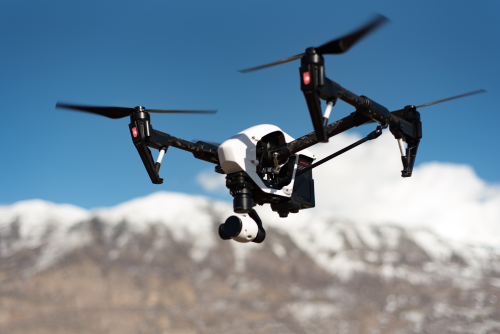
Choosing the best drones for YouTube is not about buying the biggest aircraft or the highest-resolution camera. It is about matching the drone to your channel style, your editing workflow, your travel habits, and the level of risk you are actually ready to manage. For most creators, the right drone is the one that gets flown often, captures stable footage fast, and does not become a legal, travel, or repair headache.
Quick Take
If you want the short version, these are the most sensible picks for different YouTube creator types:
| Drone | Best for | Why it stands out | Main tradeoff |
|---|---|---|---|
| DJI Mini 4 Pro | Most YouTube creators | Best mix of portability, safety features, tracking, and creator-friendly footage | Still limited by size in stronger wind and tougher low-light scenes |
| DJI Mini 3 | Budget-conscious beginners and travelers | Lightweight, approachable, good-looking video, easy to pack | Fewer advanced features and easier to outgrow |
| DJI Air 3 | Growing channels and solo creators getting serious | Dual-camera flexibility, stronger wind handling, better all-around production tool | Bigger, more visible, and usually subject to stricter rules than sub-250g drones |
| DJI Air 2S | Used-market value buyers | Strong main camera and solid image quality if you buy carefully | Older flight tech, older batteries, and support varies by region |
| DJI Mavic 3 Pro | Working pros and premium commercial creators | Best lens flexibility and strongest cinematic headroom in this list | Expensive, bulkier, and overkill for many channels |
| DJI Avata 2 | FPV-style action, immersive reveals, adventure content | Dynamic first-person-view style shots without a full DIY FPV setup | Not a replacement for a traditional camera drone |
If you want one safe recommendation, buy the DJI Mini 4 Pro. If your channel is already earning money and you want more production range, step up to the DJI Air 3. If aerial footage is part of paid client work or your channel’s visual identity, the DJI Mavic 3 Pro is the strongest fit.
What actually matters in a YouTube drone
A YouTube drone is not just a flying camera. It is part of a repeatable content system. Before you choose a model, think through these six questions.
1. What kind of YouTube videos are you making?
A travel vlogger, car channel, surf creator, real estate team, and documentary filmmaker all want different drone behavior.
- Travel and walking-tour channels need portability, fast setup, and lower hassle.
- Adventure and action channels need tracking, speed, and often FPV-style movement.
- Real estate, tourism, and branded content need clean, stable, repeatable shots and lens flexibility.
- Nature and landscape channels benefit from telephoto options that compress distance and add variety.
If your content is mostly simple establishing shots, you do not need a heavy pro aircraft. If drone footage is a signature part of the storytelling, you probably do.
2. How often will you travel with it?
This matters more than many buyers expect.
A small drone gets packed more often, launched more often, and attracts less attention. A larger drone may perform better in wind and low light, but it is harder to carry, more obvious in public, and often creates more regulatory friction depending on where you fly.
For creators who move frequently, hike, or fly internationally, smaller often wins.
3. Do you film alone?
Solo creators should prioritize:
- obstacle sensing
- reliable subject tracking
- easy return-to-home behavior
- fast app setup
- dependable battery life
A drone that looks great on paper but feels stressful to fly will not help your upload schedule.
4. Do you need one lens or multiple looks?
This is one of the biggest decision points.
A single-camera drone can absolutely make strong YouTube content. But additional lenses give you more storytelling options:
- a wide view for big reveals and establishing shots
- a medium tele view for compressed cityscapes, roads, coastlines, and safer stand-off distance
- stronger visual variation across a sequence so your edit looks more intentional
Creators often underestimate how much a second lens improves pacing and shot variety.
5. How much editing headroom do you really use?
Many buyers overpay for image capability they never touch.
If you rarely color grade, mostly publish in standard YouTube 4K, and just want footage that looks good quickly, ease and consistency matter more than top-end codec or camera specs. If you do branded work, cinematic travel films, or heavy color grading, then better image flexibility can justify the larger drone.
6. What is your real budget after accessories?
The drone is only part of the purchase. For YouTube work, budget for:
- at least 2 to 3 extra batteries
- a reliable charger or charging hub
- high-quality memory cards
- spare propellers
- ND filters for daytime video
- a bag or case
- possible repair or replacement costs
Many first-time buyers stretch for the drone body and then end up under-equipped.
Best drones for YouTube by creator type
DJI Mini 4 Pro
Best for most beginners, solo creators, and travel YouTubers
If you want the best all-around answer for the largest number of YouTube creators, this is it.
The DJI Mini 4 Pro works because it solves the real-world problems that stop people from using drones consistently. It is compact, quick to deploy, easier to travel with than larger drones, and packed with safety and automation features that help newer pilots get usable footage without fighting the aircraft.
Why it fits YouTube so well:
- small enough to carry on almost every shoot
- strong mix of obstacle sensing and subject tracking for solo work
- good-looking footage without demanding a complex color workflow
- useful for both horizontal YouTube videos and vertical social cutdowns
- less intimidating for creators upgrading from phones or action cameras
This is the drone for the creator who wants aerials to become a regular part of the channel, not a once-a-month special effect.
Buy it if: you travel, film alone, want a lower-friction first serious drone, or need one drone that can do a little of everything.
Skip it if: you regularly shoot in stronger wind, care deeply about low-light performance, or want telephoto lens flexibility for more cinematic variety.
DJI Mini 3
Best lower-cost entry point for new YouTube creators
The DJI Mini 3 is the smart choice for people who want to start making aerial content without overspending or overcomplicating the learning curve.
It is especially good for:
- first-time drone buyers
- hobbyists starting a travel or lifestyle channel
- creators who want simple, attractive footage without pro-level complexity
- travelers who want the lightest practical setup
The Mini 3 makes sense because it gets the core things right: portability, battery life, approachable flying, and pleasing image quality for standard YouTube use. It is also a better choice than a bigger, older drone for many absolute beginners because a drone that feels easy tends to get used more often.
Its limits are also clear. Compared with the Mini 4 Pro and the Air 3, it gives you less room to grow. If you already know you want advanced tracking, stronger safety systems, or more demanding commercial-style workflows, you may outgrow it quickly.
Buy it if: you want the most sensible “start here” option and you would rather spend the rest of the budget on batteries, filters, and trips.
Skip it if: you know this will become a serious production tool within a year.
DJI Air 3
Best for growing channels that want a more professional tool
The DJI Air 3 is where “YouTube hobby drone” starts becoming “real production asset.”
For many creators, this is the sweet spot between the small Mini series and the more expensive Mavic line. Its biggest advantage is not just image quality. It is flexibility. The dual-camera setup gives you a wider look and a tighter medium tele look, which instantly makes your edits feel more deliberate.
That matters a lot on YouTube. One of the fastest ways to make drone footage look repetitive is to cut together only wide aerials. The Air 3 helps break that pattern.
Why creators step up to it:
- better wind performance than Mini-class drones
- more dynamic shot variety thanks to the second lens
- stronger fit for real estate, tourism, automotive, and branded content
- better margin for creators who are filming more often and more intentionally
This is an excellent choice for the solo creator whose channel is growing, whose standards are rising, and who wants footage that feels more premium without jumping straight to a flagship pro platform.
Buy it if: you want a serious all-round content drone and you are ready for a larger aircraft in exchange for more shot options.
Skip it if: travel convenience matters more than lens flexibility, or you specifically need the best possible low-light and high-end cinematic headroom.
DJI Air 2S
Best used-market value if image matters more than having the newest features
If you are comfortable buying used gear, the DJI Air 2S can still be a very smart YouTube purchase.
Its appeal is simple: strong image quality in a relatively compact body, often at a much lower cost than newer models. It remains attractive for creators who care most about the look of the main camera and do not need the latest tracking, battery, or camera-system improvements.
But this is only a good buy if you shop carefully.
Before buying used, verify:
- battery health and how easy replacement batteries are to source in your region
- gimbal condition and whether horizon level is stable
- arm, body, and sensor condition after any crashes
- controller compatibility and charger/accessory completeness
- whether repair support still makes sense where you live
The Air 2S is not the best beginner pick in 2026 terms. It is the best value pick for the buyer who understands tradeoffs and wants strong image quality without paying for a newer platform.
Buy it if: you know how to inspect used gear and want maximum image value per dollar equivalent.
Skip it if: you want the easiest experience, the newest safety features, or long-term accessory confidence.
DJI Mavic 3 Pro
Best for working pros, premium channels, and client-facing production
If drone footage is a revenue driver, not just a content extra, the DJI Mavic 3 Pro is where the conversation changes.
This is the drone for:
- production houses
- tourism and destination marketers
- real estate teams producing premium visuals
- documentary and cinematic travel creators
- service providers who need more than one visual perspective in a single aircraft
Its biggest advantage is lens flexibility. A wider lens plus tele options gives you more control over composition, distance, compression, and scene pacing. That means more usable shots from the same location and less dependence on flying close to the subject just to make the frame interesting.
It also gives professional creators more room in post-production. If you color grade, deliver to clients, or build sequences that need a more polished look, that extra headroom can be worth it.
But this drone is not automatically “best” just because it is higher-end. Many YouTubers would get better results from a smaller drone they are willing to carry, launch, and replace. The Mavic 3 Pro becomes the right choice when image flexibility directly supports revenue or brand quality.
Buy it if: you regularly shoot commercial work, cinematic projects, or premium channel content where aerial quality materially affects the final product.
Skip it if: you mostly want convenient travel footage or simple establishing shots for personal content.
DJI Avata 2
Best for FPV-style YouTube content and immersive motion
FPV stands for first-person view. In YouTube terms, it usually means faster, more immersive, more dynamic drone movement than a traditional hovering camera drone delivers.
The DJI Avata 2 is the best fit here for creators who want that look without immediately jumping into a fully custom manual FPV build. It is especially useful for:
- adventure channels
- bike, ski, surf, and automotive content
- indoor-to-outdoor reveal shots
- creators who want motion to be part of the story, not just scenery
Its big advantage is accessibility. You get the FPV feeling in a more packaged system with protected props and a workflow that is far easier for most creators than building and tuning a DIY FPV rig.
Its big limitation is also clear: it is not a replacement for a normal camera drone.
Traditional YouTube drone jobs like smooth hover shots, slow landscape reveals, and easy travel coverage are still better handled by a Mini, Air, or Mavic. The Avata 2 is best as a style tool or second drone.
Buy it if: your channel depends on energy, motion, and immersive perspective.
Skip it if: you want one drone that can calmly handle most standard aerial work.
Which drone fits your channel best?
If you want a faster decision, use this shorthand:
Choose the DJI Mini 4 Pro if you are…
- a beginner who wants to buy once and grow into the drone
- a travel creator who values portability and simplicity
- a solo YouTuber who needs tracking and safer automation
- a creator making both long-form YouTube videos and short-form cutdowns
Choose the DJI Air 3 if you are…
- growing beyond basic aerials and want more cinematic variety
- filming tourism, real estate, vehicles, or recurring commercial-style content
- comfortable carrying a larger drone in exchange for better range and shot flexibility
Choose the DJI Mavic 3 Pro if you are…
- producing client work or premium branded content
- color grading seriously
- using drone footage as a real business asset, not just occasional channel decoration
Choose the DJI Avata 2 if you are…
- making action, adventure, motorsport, or immersive walkthrough content
- specifically chasing FPV-style movement
Choose the DJI Mini 3 or used DJI Air 2S if you are…
- budget-limited but still want credible YouTube results
- willing to accept tradeoffs in room to grow
Safety, legal, and travel realities to check before you buy
This is the part many YouTube buyers ignore until it causes a ruined trip or unusable shoot.
Drone rules vary widely by country, city, park system, and airspace type. Before flying, verify current requirements with the relevant aviation authority and any local land manager, venue, or property owner.
Pay special attention to these points:
Registration and pilot requirements
A lighter drone may face fewer restrictions in some places, but “small” does not mean “rule-free.” Registration, competency tests, or operator obligations may still apply.
Recreational versus commercial use
In some jurisdictions, flying for a monetized YouTube channel, brand collaboration, business page, or client deliverable may be treated differently from pure hobby flying. Verify this before using footage commercially.
Local restrictions beyond aviation law
Even where national aviation rules allow flight, local restrictions may still block takeoff or filming at:
- parks
- beaches
- heritage sites
- events
- stadium areas
- private venues
- dense city locations
Privacy and people risk
Do not fly close to uninvolved people, homes, traffic, or crowds just because a camera can reach them. Privacy expectations and nuisance rules vary, and aggressive low-altitude flying is one of the fastest ways to cause complaints.
Travel and airline battery rules
Airlines often require lithium batteries to travel in carry-on baggage, with limits on how they are packed and protected. Check your airline and any connecting carriers before the trip.
A drone that is easy to buy is not always easy to use legally in the places you want to film.
Common mistakes YouTube drone buyers make
Buying for specs instead of channel style
A creator making simple travel montages often gets more value from portability and ease than from flagship image specs.
Thinking one drone does everything
It usually does not. Traditional camera drones and FPV drones serve different visual jobs. If motion-heavy shots are central to your channel, a two-drone setup can make more sense than one expensive compromise.
Underbudgeting for accessories
A drone with one battery is a frustrating YouTube tool. Most creators need enough power for multiple takes, weather delays, and location changes.
Assuming obstacle sensing makes flying safe by itself
It helps, but it does not replace disciplined piloting, line of sight, route planning, or local awareness. Thin branches, wires, reflections, and difficult lighting can still cause crashes.
Ignoring wind and low-light reality
Small drones are brilliant for convenience, but they do not bend physics. Coastal wind, mountain gusts, and dusk shooting expose their limits quickly.
Forgetting editing and storage
Higher-end footage can increase storage needs, transfer time, and grading workload. If your edit system is already stretched, the “better” drone may actually slow down publishing.
FAQ
What is the best first drone for a YouTube beginner?
For most people, the DJI Mini 4 Pro is the best first serious pick because it balances portability, safety features, and image quality. If budget is tighter, the DJI Mini 3 is the more practical starting point.
Is a sub-250g drone enough for serious YouTube content?
Yes, for many creators it is. A sub-250g drone can produce excellent YouTube footage if you shoot in good light, plan your movements, and understand its wind and low-light limits. Many travel and lifestyle channels do not need anything larger.
Do I need 5K or 6K video for YouTube?
Usually no. Good composition, smooth movement, smart timing, and clean editing matter more than headline resolution. For most creators, strong 4K capture is enough.
Should I buy an FPV drone as my only YouTube drone?
Usually no. FPV drones are incredible for motion and energy, but they are not the easiest all-purpose aerial tools. If you want one drone for broad YouTube use, start with a traditional camera drone.
Is it better to buy one premium drone or a smaller drone with accessories?
For many creators, the smaller drone plus extra batteries, filters, spare props, and a better workflow kit is the smarter purchase. The best drone is the one you can actually deploy repeatedly and confidently.
Can I monetize drone footage on YouTube without extra permissions?
That depends on your jurisdiction. In some places, monetized content, sponsor work, or business use can change the legal category of the flight. Verify current rules with the relevant aviation authority before you rely on that footage commercially.
How many batteries should a YouTube creator own?
Three is a practical minimum for most real-world shooting days. If drone footage is central to your content or you work commercially, more may be justified.
Do I need ND filters for YouTube drone video?
If you shoot daytime video regularly, yes, they are often worth it. ND filters reduce light entering the camera so you can keep more natural-looking motion blur and avoid overly harsh shutter settings in bright conditions.
The smartest next step
If you are still undecided, do not ask which drone is “best.” Ask which drone you will happily carry, legally fly, and use every week. For most people, that means the DJI Mini 4 Pro. For creators stepping into more serious production, the DJI Air 3 is the clearest upgrade. And for working pros whose aerials need to sell a brand, a property, or a destination, the DJI Mavic 3 Pro is the right tool to build around.