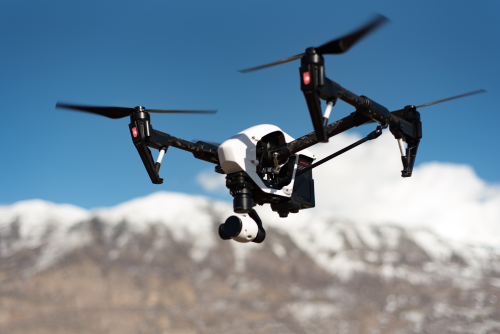
The best drones under $1,000 for mapping, inspection, and small business work are not the ones with the longest spec sheet. They are the ones that help you deliver reliable results, stay inside your local rules, and avoid workflow dead ends. At this budget, you can absolutely start earning with a drone, but you need to be realistic about mapping accuracy, inspection distance, wind handling, and software support.
Quick Take
If you want one drone that can cover the widest range of small business jobs under this budget, the DJI Mini 4 Pro is the safest overall pick. If your priority is entry-level photogrammetry and you are open to the used or refurbished market, a carefully vetted DJI Air 2S can still be one of the smartest buys.
Here is the short version:
- Best overall for most small business buyers: DJI Mini 4 Pro
- Best used/refurbished value for mapping and wind handling: DJI Air 2S
- Best value if you want strong capability without paying for the newest model: DJI Mini 3 Pro
- Best non-DJI alternative: Autel EVO Nano+
- Best low-risk starter for simple paid work: DJI Mini 3
One important reality check: if your main service is survey-grade mapping, zoom-heavy inspection, or thermal work, this budget range is a starting point, not an endpoint.
Best Drones Under $1,000 at a Glance
| Drone | Best for | Why it stands out | Biggest limit |
|---|---|---|---|
| DJI Mini 4 Pro | Best overall | Excellent all-round balance of safety, portability, image quality, and client-friendly output | Light platform in wind; mapping app support must be verified |
| DJI Air 2S (used/refurbished) | Best mapping value | Larger sensor, stronger wind performance, proven platform | Older model; heavier; used-market due diligence matters |
| DJI Mini 3 Pro | Best value buy | Very capable camera, compact form, useful safety features | Not as refined as Mini 4 Pro; still a compromise for serious mapping |
| Autel EVO Nano+ | Best DJI alternative | Strong image quality in a compact size, easy to travel with | Support, accessories, and service vary by region |
| DJI Mini 3 | Best starter business drone | Good camera for the money, easy to carry, leaves budget for batteries and training | Limited safety sensors and weaker fit for close inspection work |
What This Budget Can Realistically Do
Before comparing models, it helps to define what “business-capable” means under $1,000.
Good uses for this budget
A sub-$1,000 drone can be a strong tool for:
- Roof, gutter, facade, and exterior property checks
- Construction progress photos and site overviews
- Real estate and hospitality content
- Social media and marketing clips for local businesses
- Basic photogrammetry, meaning overlapping photos used to create a map or 3D model
- Land listing visuals and quick client proposal footage
- Solar array overviews and documentation
What this budget usually cannot replace
This budget is not ideal if you need:
- True survey-grade mapping without careful field control
- Thermal imaging
- Optical zoom for stand-off inspections
- Heavy-wind performance on demanding sites
- Safer close-proximity industrial inspection in complex environments
- Enterprise fleet tools and advanced data workflows
The mistake many buyers make is expecting a consumer-priced drone to solve enterprise problems. It will not. But it can absolutely help you start a service, validate demand, and build a portfolio.
The Best Drones Under $1,000
DJI Mini 4 Pro
For most buyers, the DJI Mini 4 Pro is the best drone under $1,000 for mapping, inspection, and small business work because it does many things well and very few things badly.
Why it stands out
- Sub-250 g form factor is useful for travel and can simplify operations in some countries
- Strong obstacle sensing helps newer operators reduce avoidable mistakes
- Image quality is more than good enough for paid marketing, roof checks, and progress capture
- Compact size makes it easier to keep in the vehicle and actually bring to jobs
- A smart fit for solo operators who need one drone for mixed work
Where it fits best
The Mini 4 Pro makes the most sense for:
- Roofers, contractors, and property service businesses
- Freelancers offering basic inspection plus marketing content
- Travel-heavy operators who want a compact commercial tool
- Small agencies that need aerial content without carrying a larger kit
The tradeoffs
- It is still a light drone, so wind matters more than many new buyers expect
- It does not replace a zoom camera for detailed stand-off inspection
- For mapping, you must verify your preferred capture app supports the exact drone and controller you plan to use
- Like most drones in this class, it is not a survey drone
Best buyer profile
Buy this if you want the lowest-regret all-rounder and your work will be a mix of visuals, light inspection, and occasional mapping rather than one specialist task all day.
DJI Air 2S (Used or Refurbished)
If you are willing to buy used or refurbished, the DJI Air 2S is still one of the most compelling business drones in this budget. It remains especially attractive for buyers who care about mapping consistency, image quality, and better wind confidence than most mini drones can offer.
Why it stands out
- Larger sensor than the mini class, which helps with image quality and dynamic range
- Heavier platform handles wind better than sub-250 g models
- Mature ecosystem and long track record in real paid work
- Often a smarter mapping buy than a newer mini, depending on software support
Where it fits best
The Air 2S is a strong option for:
- Entry-level photogrammetry on small to medium sites
- Construction progress documentation
- Land and site marketing
- Operators who regularly fly in breezier locations
- Buyers who care more about output than having the newest product
The tradeoffs
- It is an older platform, so you need to check battery condition, repair options, and accessory availability
- It is not sub-250 g, which can change how it is treated under local rules
- Obstacle sensing is not as confidence-inspiring as newer premium models
- Buying used without a proper inspection can create more problems than it solves
Best buyer profile
Choose the Air 2S if mapping is high on your priority list, you are comfortable buying older gear, and you want better wind handling than the mini class usually gives you.
DJI Mini 3 Pro
The DJI Mini 3 Pro is one of the best value buys in this category. It sits in a sweet spot for buyers who want a serious small business drone without paying for the newest model.
Why it stands out
- Strong image quality for its size and class
- Compact and easy to deploy quickly
- Better safety features than entry-level mini drones
- Often available at a more attractive price than the Mini 4 Pro
Where it fits best
This is a very practical pick for:
- New service providers starting with inspection and marketing work
- Real estate shooters branching into contractor and site jobs
- Solo creators who need paid work output and travel portability
- Buyers who want “good enough plus reliable” instead of chasing the newest release
The tradeoffs
- It is still a compromise for serious mapping workflows
- Close inspection work remains limited by the lack of true zoom
- Wind performance is acceptable, not outstanding
- In many cases, the Mini 4 Pro is simply the more polished version if budget allows
Best buyer profile
Buy the Mini 3 Pro if you want strong capability-per-dollar and can get it new, refurbished, or lightly used from a trustworthy source.
Autel EVO Nano+
The Autel EVO Nano+ is the best alternative for buyers who do not want to default to DJI. It is compact, capable, and especially interesting for travel-heavy operators who value portability and solid image output.
Why it stands out
- Small footprint, easy to carry, quick to launch
- Good image quality for a drone in this size class
- Useful for content creation, inspections, and general small business visuals
- A credible option if DJI is not your preferred ecosystem
Where it fits best
The Nano+ is a sensible choice for:
- Travel creators who also take paid commercial jobs
- Small businesses needing aerial photos and simple inspections
- Operators in regions where Autel support is strong
- Buyers who want a compact backup or first drone
The tradeoffs
- Service, spare parts, and support can vary a lot by country
- The app and accessory ecosystem is not always as deep as DJI’s
- Mapping support needs to be checked carefully before purchase
- It is more of a flexible visual work drone than a mapping-first tool
Best buyer profile
Choose the Nano+ if local support is good where you operate and you want a compact business-capable drone outside the DJI ecosystem.
DJI Mini 3
The DJI Mini 3 is the most sensible low-risk entry point if your paid work will start with simple deliverables rather than technical missions.
Why it stands out
- Good camera quality for the price
- Very portable
- Easier to afford as a full kit with extra batteries
- Capable of producing client-usable content right away
Where it fits best
The Mini 3 is best for:
- Real estate and hospitality content
- Simple roof overviews
- Small business promo work
- New operators who need to learn, practice, and earn without overspending
The tradeoffs
- Less protection and fewer sensing features than the Mini 4 Pro or Mini 3 Pro
- Not the best fit for close, careful inspection near structures
- Mapping use is possible only if your workflow and software support it
- You will likely outgrow it faster if drone work becomes a core business line
Best buyer profile
This is the right choice if you want to start lean, learn the workflow, and keep cash available for batteries, insurance, training, and software.
How to Choose the Right Drone for Your Workflow
If you are deciding between these models, do not start with the drone. Start with the job.
Choose by deliverable first
Ask what clients will actually pay for:
-
Maps and models
You care about repeatable flight, image consistency, wind handling, and software compatibility. -
Inspection photos and video
You care about stable hover, obstacle sensing, safe stand-off distance, and clear framing. -
Marketing content
You care about image quality, ease of use, portability, and turnaround speed. -
Mixed small business work
You need an all-rounder more than a specialist.
Then choose by risk profile
- If you are newer to flying near buildings, favor Mini 4 Pro
- If you often work in breezy conditions, consider Air 2S
- If budget is tight but you want room to grow, look at Mini 3 Pro
- If you need a lighter, travel-friendly tool and local support is strong, Nano+ is worth a look
- If you are just starting paid work, Mini 3 is a better floor than buying the absolute cheapest thing available
The big mapping question
For mapping, the drone itself is only half the decision. The other half is whether your capture app and processing workflow support that exact aircraft and controller combination.
Before you buy, verify:
- Supported drone model
- Supported controller
- Supported phone or tablet
- Export format you need
- Whether your workflow requires internet access in the field
- Whether your output is for visual reference or professional measurement
A lot of buyer regret in this category comes from purchasing a drone first and discovering later that the software workflow does not fit.
Budget for the Whole Kit, Not Just the Drone
A work-ready drone kit costs more than the aircraft box.
Set aside budget for:
- At least 2 to 3 batteries total
- Spare propellers
- Reliable memory cards
- Charging hub or fast charger
- Protective case or bag
- Landing pad for dusty or rough sites
- High-visibility vest or site-safe setup if needed
- Insurance, registration, training, and software
If you spend nearly all of your budget on the drone alone, you may end up with a setup that looks good on paper but is frustrating on real jobs.
Safety, Legal, and Compliance Checks Before You Take Paid Work
Commercial drone work is regulated differently around the world. In some places, the rules depend on weight. In others, they depend on the type of operation, the risk level, or whether you are flying near people, roads, infrastructure, or controlled airspace.
Before taking paid work, verify with the relevant aviation and local authorities:
- Whether you need pilot registration, operator registration, or both
- Whether electronic ID or remote identification is required
- Whether your drone’s weight class changes the rules
- Whether paid work changes the legal category of your flight
- Whether the site owner or property manager must approve the flight
- Whether local privacy or data-capture rules apply
- Whether insurance is required by law, contract, or site policy
A few practical safety notes matter here too:
- Obstacle sensing does not reliably protect you from thin wires, branches, reflective glass, or poor light
- A standard wide-angle camera often forces you to fly closer for inspection detail, which increases risk
- Do not market mapping as survey-grade unless your workflow, field control, and professional standards actually support that claim
- Extended batteries can change the aircraft’s operating weight in some markets, so verify how that affects local compliance
Common Mistakes and Limits to Know
What people get wrong about sub-$1,000 business drones
1. Buying for camera specs instead of workflow
The best-looking spec sheet is useless if the drone does not fit your inspection style, software, or weather conditions.
2. Assuming sub-250 g means “no rules”
In many countries, lighter drones can reduce friction, but they do not remove responsibility. Registration, no-fly areas, and privacy rules may still apply.
3. Treating a wide-angle drone like a zoom inspection tool
These drones are great for roofs, facades, and overviews. They are not ideal for tiny defects high on industrial assets where you need to stay well back.
4. Ignoring wind performance
Small drones are convenient, but convenience disappears fast when the site is exposed and gusty.
5. Skipping the software check for mapping
A drone can be technically capable of capturing images for photogrammetry, but that does not mean your planned app and controller setup will work.
6. Spending the full budget on the drone body
Extra batteries, spare props, storage, compliance, and practice time often matter more than chasing one higher-end feature.
7. Buying used without inspection discipline
Check battery health, gimbal condition, arm integrity, controller function, charging behavior, and whether genuine batteries and spares are still easy to buy in your region.
FAQ
Can a drone under $1,000 do professional mapping?
Yes, but with limits. A drone in this range can produce useful orthomosaics, site models, and progress maps, especially on smaller jobs. It is not automatically survey-grade. If your deliverable affects engineering, boundaries, legal disputes, or certified measurements, use proper field control and verify whether your workflow meets local professional standards.
Is a sub-250 g drone good enough for paid inspection work?
Often yes, for roofs, homes, small commercial properties, facades, and visual documentation. It is usually not enough for serious industrial inspection where you need zoom, thermal, or safer stand-off distance from critical assets.
Should I buy new, used, or refurbished?
For this budget, new is simplest, refurbished is often smartest, and used can deliver the best value if you know how to inspect gear properly. Older premium drones can outperform newer entry-level drones, but only if battery health, repair support, and parts availability are still acceptable in your market.
Do I need obstacle avoidance for roof and facade work?
It is not mandatory, but it is highly valuable. Obstacle avoidance reduces some beginner mistakes and adds confidence when operating near structures. It does not replace pilot skill, and it should never be trusted around wires, glass, branches, or poor lighting.
Which matters more for mapping: the drone or the software?
Both matter, but software compatibility is the thing buyers miss most. Before purchase, confirm that your planned capture and processing tools support the exact drone, controller, and mobile device you intend to use.
Can one drone handle mapping, inspection, and marketing work?
Yes, but it will be a compromise. For most small businesses, that compromise is worth it. A drone like the Mini 4 Pro can cover all three at a practical level. If one service becomes your main revenue source, you may eventually want a more specialized aircraft.
When should I skip this budget and spend more?
Move up when your work requires any of the following:
- Thermal imaging
- Reliable optical zoom
- Heavy-wind performance on demanding sites
- Larger sensors for premium commercial deliverables
- Enterprise fleet management
- More trustworthy survey workflows
- Industrial inspection with safer stand-off distances
If those are core business needs, saving longer is usually cheaper than buying twice.
What is the safest first business drone on this list?
For most new operators, the DJI Mini 4 Pro is the safest first business drone because it combines portability, strong image quality, useful sensing, and a low-friction learning curve.
Final Take
If you want one drone under $1,000 that can handle the widest range of real small business work, buy the DJI Mini 4 Pro. If mapping is your main priority and you can buy carefully in the used or refurbished market, the DJI Air 2S may be the better value. If your budget is tight, the DJI Mini 3 is the sensible floor.
The smart next step is simple: decide whether your first paid jobs are mainly mapping, inspection, or general content work, then buy the drone that fits that workflow with enough budget left for batteries, practice, and compliance.