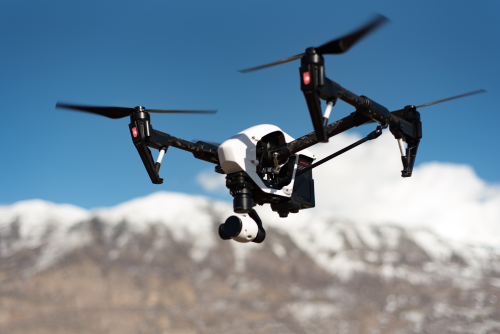
The best drones under $300 for beginners, travel, and everyday flying are not always the ones with the loudest spec sheet. At this price, stability, battery support, app quality, and how often you will actually carry the drone matter more than flashy “8K” claims on a marketplace listing. If you want a drone you will still enjoy after the first weekend, buy for your real use case: scenic travel shots, quick social clips, indoor practice, or FPV learning.
Quick Take
If you want the short version, these are the strongest sub-$300 options for most buyers:
- Best first real camera drone: DJI Mini 4K
- Best for casual travel and social-friendly flying: DJI Neo
- Best value non-DJI option: Potensic Atom SE
- Best cheapest way to learn the basics: Ryze Tello
- Best FPV starter under this budget: BetaFPV Cetus Kit
- Best used buy if you trust the seller: DJI Mini 2
Here is the practical fit at a glance:
| Drone | Best for | Budget position | Why it stands out | Main tradeoff |
|---|---|---|---|---|
| DJI Mini 4K | Beginners who want a proper camera drone | Top of budget | Mature ecosystem, reliable flight behavior, great travel form factor | Usually sold close to the limit; extras can push you over |
| DJI Neo | Casual beginners, vloggers, social clips | Mid budget | Extremely easy to carry and launch, very beginner-friendly | Less ideal for windy scenic flying |
| Potensic Atom SE | Value-focused travelers | Mid to top of budget | Foldable GPS camera drone from a reputable budget brand | Ecosystem and resale are weaker than DJI |
| Ryze Tello | Indoor practice, kids, low-cost learning | Low budget | Cheap, simple, fun, low commitment | Not a serious travel camera drone |
| BetaFPV Cetus Kit | New FPV pilots | Mid budget | Complete FPV learning package | Not meant for cinematic landscape shooting |
| Used DJI Mini 2 | Buyers open to secondhand deals | Mid budget | Still a very smart camera-drone buy if in good condition | Condition and battery health matter a lot |
What actually matters in a drone under $300
This budget is full of marketing traps. Before looking at model names, focus on the things that make a cheap drone usable.
1. Stable flight matters more than headline resolution
A shaky “4K” drone is worse than a stable lower-resolution one. For beginners and travel users, smooth hover, predictable controls, and decent stabilization matter more than whatever resolution is printed on the box.
2. GPS and return-to-home are worth paying for
If you want a drone for outdoor travel or everyday park flying, GPS is one of the biggest quality-of-life upgrades. It helps the drone hold position more reliably and gives you basic safety features such as return-to-home on supported models.
3. Extra batteries often matter more than a better camera
A drone with one battery can feel disappointing fast. If two models are close, the one with affordable spare batteries, props, and a decent charger is often the better long-term buy.
4. Under 250 grams is useful, but not magic
Many of the best sub-$300 drones sit in the under-250g class because they are easy to pack and often face fewer regulatory burdens in some places. But “under 250g” does not mean “no rules everywhere.” More on that below.
5. Support and spare parts separate good budget drones from bad ones
A cheap drone becomes expensive when you cannot get props, batteries, or warranty help. Known brands usually cost a bit more for a reason.
6. Obstacle sensing is rare at this price
Do not expect premium collision-avoidance systems under $300. Fly as if the drone cannot see anything in front of it, because in many cases, it mostly cannot.
Best drones under $300 by buyer type
DJI Mini 4K
For many buyers, the DJI Mini 4K is the cleanest answer to “What is the best drone under $300?” if it is sold in your market and fits your budget before accessories.
Why it’s such a strong buy
This is the kind of drone that feels like a real camera tool rather than a toy. It folds small, travels easily, and gives beginners a much better first experience than many generic budget drones. DJI’s app, controller experience, and overall flight behavior are still a big advantage for new pilots.
It is especially good for:
- First-time drone buyers who want scenic travel footage
- Casual creators who want reliable aerial clips
- Buyers who want a low-regret entry into the DJI ecosystem
- People who care about portability and consistent results
Why some buyers should skip it
The Mini 4K usually sits near the top of the budget. Once you add extra batteries or a combo bundle, you may move beyond the target spend. It also is not a premium obstacle-avoidance drone, so you still need disciplined flying habits.
Best fit
Choose this if your idea of “everyday flying” means:
- city breaks
- beach trips
- family vacations
- local landscapes
- smooth general-purpose aerial footage
If you want one affordable drone that behaves like a proper camera drone, this is the safe all-around pick.
DJI Neo
The DJI Neo is one of the easiest drones to recommend to absolute beginners, especially travelers and social-first creators.
Why it stands out
The Neo’s biggest advantage is not raw image quality. It is convenience. It is tiny, quick to deploy, and much less intimidating than a traditional foldable camera drone. For many people, that means it gets flown more often.
It suits buyers who want:
- quick travel clips
- social content
- casual follow-style shots
- very low setup friction
- something easy to toss in a small bag
For beginners who do not love the idea of carrying a controller everywhere, that matters a lot. The best beginner drone is often the one you actually bring with you.
Where it falls short
Neo is not the best choice for everyone. If your main goal is sweeping landscape footage in breezy coastal areas or high viewpoints, a more traditional GPS camera drone usually makes more sense. It is also not the right pick if you are trying to learn “classic” drone shooting with more deliberate framing and flight planning.
Best fit
Buy the Neo if your priority is:
- convenience over maximum camera quality
- people-focused travel content
- very easy first flights
- short, repeatable everyday clips
It is a better lifestyle drone than a serious aerial-photography drone, and that is exactly why it works for so many beginners.
Potensic Atom SE
If you want a proper travel camera drone without paying DJI pricing, the Potensic Atom SE is one of the more credible value options.
Why it deserves a spot on the shortlist
The Atom SE gives budget buyers a foldable, lightweight camera drone from a brand that has built a better reputation than the anonymous marketplace names. It is often the model people end up choosing when they want real outdoor usability but want to stay more price-conscious.
It is a good match for:
- buyers who want a foldable GPS drone
- travelers who do not need the DJI badge
- shoppers comparing value per dollar
- beginners who want a more “standard” flying experience than Neo
The tradeoffs
Potensic is not DJI. That shows up in ecosystem depth, resale value, and the polish of the broader ownership experience. It may still be a very sensible buy, but it is usually more of a value-led decision than a “best long-term platform” decision.
Best fit
Pick the Atom SE if you want:
- a real entry-level camera drone
- better outdoor utility than toy-class drones
- a reputable budget brand
- a lower-cost alternative to a Mini-series style purchase
For many buyers, this is the best non-DJI answer under $300.
Ryze Tello
The Ryze Tello is still one of the best cheap training drones, but it is important to understand what it is and what it is not.
What it does well
Tello is great for learning the basics:
- orientation
- gentle control inputs
- hovering
- takeoff and landing habits
- indoor practice in calm spaces
It is also a smart choice for parents, students, and anyone who wants a low-cost way to see if drone flying is even enjoyable before stepping up to a more capable model.
What it does not do well
Tello is not the best travel drone for scenic aerial photography. It is not built for windy outdoor locations, and it does not replace a true GPS camera drone. If you buy it expecting “DJI Mini on a tighter budget,” you will be disappointed.
Best fit
Buy Tello if:
- your budget is very limited
- you want a practice drone first
- you mostly want indoor or calm-weather fun
- you are buying for learning, not polished travel footage
It is a better training purchase than a long-term aerial content tool.
BetaFPV Cetus Kit
If by “best drones under $300” you really mean “I want to learn FPV,” then a normal camera drone is the wrong tool. The BetaFPV Cetus Kit is one of the better beginner-friendly ways into FPV at this price.
Why it’s different
FPV means “first-person view,” where you fly through goggles and the experience is more immersive, reactive, and skill-based than standard GPS camera drones. The Cetus Kit is appealing because it usually comes as a more complete starter package, which lowers the barrier to entry.
It is a strong fit for:
- people who want to learn FPV basics
- indoor and small-space practice
- buyers who want an all-in-one starter route
- pilots who care more about flying feel than postcard-style footage
The big warning
Do not buy this if what you really want is easy vacation footage. FPV is a different lane. The learning curve is different, battery expectations are different, and the footage style is different.
Best fit
Choose the Cetus Kit if you want to learn FPV on purpose. If you mainly want easy travel clips, buy a normal camera drone instead.
Best used buy: DJI Mini 2
If you are open to secondhand gear, a used DJI Mini 2 can still be one of the smartest ways to stretch a $300 budget.
Why it still matters
A clean Mini 2 from a reputable seller can outperform many brand-new budget drones from weaker brands. It remains a very practical entry into lightweight travel flying.
What to check before buying used
- Battery health and age
- Any arm cracks or repair signs
- Gimbal condition and startup behavior
- Controller function and charging
- Whether the aircraft is properly unlinked and ready for transfer
- Availability of original charger, props, and spare batteries
If the seller cannot clearly show condition, walk away.
Best fit
This route makes sense for buyers who value flight quality and image results over “brand new in box.”
How to choose the right drone for your use case
If you are stuck between these models, use this filter.
Choose DJI Mini 4K if…
- you want the best all-around first camera drone
- you care about scenic footage more than social-first convenience
- you want the most complete beginner experience under this budget
- you want a platform that still feels worth owning in a year
Choose DJI Neo if…
- you care more about portability and fast capture than classic drone shooting
- you mainly make social content
- you want the least intimidating first drone
- you want something you will actually carry every day
Choose Potensic Atom SE if…
- you want value over ecosystem prestige
- you still want a foldable GPS-style camera drone
- you are comparing price carefully
- you are willing to accept a less polished support ecosystem
Choose Ryze Tello if…
- you want a cheap practice drone
- you are learning with kids or indoors
- you are not yet ready to spend close to $300
- you want fun first, not serious travel video
Choose BetaFPV Cetus Kit if…
- your goal is FPV, not general drone photography
- you want goggles flying
- you understand the learning curve is different
- you want a dedicated first step into FPV
Safety, legal, and travel checks to make before you fly
Even small drones are aircraft in many jurisdictions. Before flying, verify the rules that apply in the country, region, park, city, or venue where you plan to operate.
What to verify
- Whether your drone must be registered
- Whether the pilot must complete a test, training, or operator ID step
- Whether remote identification or similar broadcast rules apply
- Whether the location is inside restricted or controlled airspace
- Whether local park, beach, heritage, or tourism-site rules ban takeoff and landing
- Whether commercial use triggers separate requirements
- Whether you need insurance for the type of flying you plan to do
Travel-specific battery reminder
When flying with a drone by air:
- check airline lithium-battery rules in advance
- carry batteries in cabin baggage unless your airline and local rules state otherwise
- protect battery terminals
- avoid traveling with damaged or swollen batteries
Basic operating discipline still matters
No sub-$300 drone makes unsafe flying okay. Keep line of sight, avoid crowds, stay clear of emergency activity, and be especially cautious around wildlife, roads, and private property. If local privacy or filming laws apply, respect them.
Common mistakes buyers make under $300
1. Buying the highest claimed resolution
A smooth, reliable drone beats a shaky “8K” marketplace special every time. Many budget listings oversell camera claims and undersell flight quality.
2. Ignoring the battery ecosystem
A good drone with no affordable spare batteries becomes frustrating quickly. Check battery availability before buying.
3. Assuming under 250g means no rules
This is one of the biggest beginner mistakes. Many places still regulate where, how, and whether you can fly a light drone.
4. Buying an FPV kit when you really want easy travel footage
FPV is amazing, but it is not a shortcut to vacation drone shots. Buy the right tool for the right kind of flying.
5. Choosing phone-only convenience over outdoor reliability
If you plan to fly in open areas, scenic viewpoints, or breezy conditions, a proper controller-based GPS drone is usually the smarter purchase.
6. Forgetting repair and resale value
Support, firmware, spare props, battery replacements, and resale are part of the real cost. A slightly better-known drone often ends up cheaper to own.
Limits to know before you spend $300
There is a lot you can do with a budget drone, but there are also clear limits.
You should probably not buy in this category if you expect:
- strong wind performance in exposed locations
- premium obstacle avoidance
- excellent low-light camera results
- professional mapping or inspection outputs
- serious commercial reliability with no backup aircraft
- advanced color grading flexibility
For many buyers, $300 is the right budget for learning, travel fun, social content, and everyday flying. It is usually not the right budget for high-end production or specialist work.
FAQ
What is the best drone under $300 overall?
For most beginners who want a proper camera drone, the DJI Mini 4K is the safest overall recommendation if it is available in your region and fits the budget. If you value convenience and social-friendly flying more, the DJI Neo may be the better real-world choice.
Is a drone under 250g always legal without registration?
No. Under 250g often helps, but it does not create a universal exemption. Registration, pilot competency, remote ID, airspace, park rules, and local takeoff restrictions vary by country and even by location.
Should I buy DJI Neo or DJI Mini 4K for travel?
Buy Neo if you want quick, casual, people-first clips and maximum portability. Buy Mini 4K if you care more about traditional aerial travel footage, landscapes, and a more complete camera-drone experience.
Are cheap “8K” marketplace drones worth it?
Usually not. Unknown brands often look attractive on paper but disappoint in flight stability, app reliability, battery support, and actual video quality. At this budget, trustworthy brands matter more than exaggerated specs.
Is it better to buy new or used at this price?
If you can inspect condition and buy from a reputable seller, used can be smarter. A clean used DJI Mini 2 can be a better purchase than a weaker new drone. If you want simple returns and less risk, buy new.
Can I use a sub-$300 drone for paid work?
Sometimes, but verify local commercial-use rules, insurance expectations, and client requirements first. A budget drone can be fine for simple social content or basic marketing clips, but it may not meet the reliability or quality needs of higher-stakes work.
Do I need extra batteries right away?
For most buyers, yes. One battery often means very short sessions and slower learning. If your budget is tight, it is often better to buy a slightly simpler drone with extra batteries than a better drone you rarely fly.
Is FPV a good first drone for beginners?
Only if you specifically want FPV. If your goal is easy travel video, start with a standard camera drone. If your goal is immersive flying and skill progression, a beginner FPV kit like the BetaFPV Cetus is a better match.
Final decision
If you want the least risky all-around buy, start with the DJI Mini 4K. If you want the easiest drone to carry, launch, and actually use, get the DJI Neo. If value matters most, look hard at the Potensic Atom SE. If you mainly want to learn cheaply, buy the Ryze Tello. If you mean FPV, skip camera-drone shopping and get the BetaFPV Cetus Kit.
The biggest mistake in this budget is buying by marketing instead of flying style. Decide how you will really use the drone, and the right under-$300 choice becomes much easier.