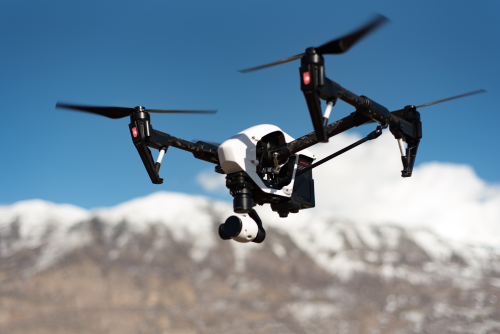
Choosing between camera drones and FPV drones is not just a specs comparison. It is a choice between two very different flying styles, two different creative outputs, and two different ownership experiences. For most people buying one drone for travel, photography, and dependable results, a camera drone is the better first purchase. FPV drones make more sense when immersive motion, chase footage, or fly-through shots are the whole point and you are willing to accept a steeper learning curve.
Quick Take
If you want the short answer to the camera drones vs FPV drones question, here it is:
- Buy a camera drone if you want easy flying, stable video, better photos, portability, and fast results.
- Buy an FPV drone if you want speed, agility, immersion, dynamic action footage, and a more hands-on hobby.
- If your budget is tight, camera drones usually deliver better immediate value because the package is more complete.
- FPV often looks cheaper at first, but the real starter cost can rise once you add goggles, a radio controller, extra batteries, charger, simulator time, tools, and spare parts.
- For business use, camera drones are the default workhorse. FPV is usually a specialty tool or an upsell, not the main platform.
- If you can only own one drone, the safer all-around pick for most buyers is a camera drone.
| Factor | Camera drone | FPV drone |
|---|---|---|
| Best for | Travel, photos, cinematic landscape video, inspections, real estate, general use | Chase shots, fly-throughs, action sports, immersive content, hobby flying |
| Learning curve | Gentle | Steep |
| Time to first good footage | Fast | Slower |
| Photo quality | Usually much better | Usually secondary to motion |
| Ease of travel | Easier | Bulkier setup in many cases |
| Crash risk | Lower in normal use | Higher, especially while learning |
| Repair style | Often manufacturer service | Often modular, field-repair friendly if custom |
| Hidden costs | Extra batteries, storage, filters, case | Goggles, radio, simulator, batteries, charger, spares, tools, action camera |
| Business reliability | Strong | Niche but valuable for certain shots |
| Best “one drone” choice | Yes | Rarely |
First, what counts as a camera drone vs an FPV drone?
This comparison gets confusing because many drones now blur the lines.
For this article, a camera drone means a GPS-stabilized drone designed mainly for aerial photography and video. Think of the typical foldable drone that can hover in place, return to home, and capture stabilized footage with a gimbal. These are the drones most beginners, travelers, and working creators buy first.
An FPV drone means a drone flown from a first-person view feed, often through goggles, with more direct and aggressive flight control. FPV stands for first-person view. These drones are built for immersion, speed, tight turns, and dramatic movement. Some are custom-built freestyle or racing quads. Others are more beginner-friendly, ready-to-fly systems such as DJI Avata-class products.
The key point: a camera drone is optimized to help you get stable results easily. An FPV drone is optimized to help you fly dynamically.
Budget: what your money really buys
A lot of buyers make the wrong choice because they compare sticker prices instead of full-system costs.
Camera drones are usually easier to budget for
With a camera drone, the buying path is straightforward:
- Drone
- Controller
- Extra batteries
- Memory card
- Spare props
- Case or bag
- Optional filters or protection plan
In many markets, that gets you from purchase to actual use quickly. The ecosystem is simple, and you can usually start shooting usable footage the same day.
FPV starter costs are more layered
With FPV, the drone itself is only part of the purchase. A real FPV setup often includes:
- FPV drone
- Goggles
- Radio controller or transmitter
- Multiple batteries
- Battery charger
- Spare props
- Tools
- Replacement parts
- Flight simulator access
- Sometimes an action camera for higher-end footage
That last point matters. Many FPV drones capture the pilot feed well enough for flying, but the best client-ready footage may still depend on a separate action camera or a more advanced onboard camera setup.
The hidden budget trap
A cheap FPV airframe is not the same thing as a cheap FPV experience.
A camera drone often feels more expensive up front, but the package is more complete. FPV can look cheaper until you add the full ecosystem. For first-time buyers, that difference creates a lot of regret.
Where FPV can win on value
FPV has one budget advantage: repairability, especially if you go with a modular custom setup.
A light crash that could mean expensive service or replacement on a camera drone might be a quick prop swap or motor replacement on an FPV quad. But that only helps if you are comfortable diagnosing and fixing things. If you are not, the repair advantage may not feel like an advantage at all.
Budget rule of thumb
- Tight budget + need results soon: camera drone
- Tight budget + want a long-term technical hobby: possibly FPV, but only if you accept the full ecosystem cost
- Mid budget: camera drones usually offer better all-around value
- Higher budget: owning both starts to make sense
Learning curve: this is where the decision usually gets made
If your main question is “Which one will be easier for me to learn?”, the answer is clear.
Camera drones are much easier for beginners
A modern camera drone usually offers:
- GPS positioning
- Stable hovering
- Automated return-to-home
- Beginner modes
- Slower, smoother flight behavior
- Sometimes obstacle sensing
That means you can focus on framing and safety instead of constantly fighting the controls.
Most beginners can become comfortable with takeoff, hovering, panning, rising reveals, and basic orbit shots very quickly. That does not mean they become great pilots instantly, but it does mean they can get useful footage early.
FPV takes real practice
FPV is a different discipline.
Even beginner-friendly FPV systems are less forgiving. And once you move toward full manual flight, often called Acro mode, the drone does not self-level the way a typical camera drone does. That is what gives FPV its freedom and excitement, but it is also why new pilots crash so much.
A realistic FPV learning path often includes:
- Learning the controls on a simulator
- Practicing takeoff, turns, throttle control, and recovery
- Flying in open spaces before attempting cinematic lines
- Crashing, repairing, and trying again
- Developing smoothness over time, not in a weekend
If you need footage for a trip next month or a client next week, FPV is a risky first buy unless you already know this is the path you want.
The overlooked part of the learning curve: battery and maintenance discipline
Camera drone batteries are usually smart, managed, and simple.
FPV often means more hands-on battery handling, especially with lithium polymer packs. That includes charge rates, storage levels, transport care, and more frequent pack management. It is not impossible, but it adds friction for casual users.
Honest answer on learning curve
- Fastest path to competent flying: camera drone
- Most rewarding if you enjoy practice and progression: FPV
- Best first drone for almost all non-hobby-specialists: camera drone
Footage style and creative goals: what do you actually want to make?
This is the most important part after learning curve.
Camera drones win when you want polished aerial images
Choose a camera drone if your priority is:
- Scenic travel footage
- Landscapes and cityscapes
- Sunrise and sunset shots
- Smooth reveals
- Orbit shots
- Top-down compositions
- Real estate exteriors
- Hotel and tourism content
- Surveying, mapping, or inspection-style capture
- High-quality still photography
Camera drones are built to create controlled, stable, repeatable shots. They are also usually far better for photos. If stills matter at all, this comparison becomes much easier: the camera drone is the better tool.
FPV wins when motion is the story
Choose FPV if your priority is:
- Action sports
- Car, bike, boat, or ski chase footage
- Dynamic indoor fly-throughs
- One-take sequences
- Tight gaps and close-quarters movement
- Fast, low, immersive camera motion
- Music videos, brand films, and event promos with energy
FPV footage feels human and visceral. It puts the viewer inside the movement instead of above it. That is why it is so powerful for sports, automotive content, and cinematic tours.
Camera quality is not the same as motion quality
A common buyer mistake is assuming FPV is “more cinematic” in every sense. It is not.
FPV is often more dramatic, but camera drones usually produce cleaner, more versatile image quality for everyday work. Better stabilization, better photo capability, and easier exposure control still matter.
So ask yourself this:
- Do you want your audience to admire the scene?
- Or do you want them to feel the movement?
If the scene matters more, choose a camera drone. If the movement matters more, choose FPV.
Reliability, repairability, and ownership friction
This is where the buying experience can diverge sharply after the first month.
Camera drone ownership is simpler
For most buyers, a camera drone means:
- Less setup time
- Less troubleshooting
- Less routine repair
- Easier firmware updates
- Cleaner packing for travel
- Faster deployment on location
The downside is that crashes can be expensive, and repairs may depend on the manufacturer or authorized service channels.
FPV ownership can be more resilient, but more demanding
FPV owners often benefit from:
- Replaceable parts
- Fast prop changes
- Modular repair culture
- More control over tuning and setup
- Strong hobby community support
But that comes with:
- More maintenance
- More troubleshooting
- More preflight attention
- More gear to carry
- More downtime if you are not comfortable wrenching
Travel friendliness usually favors camera drones
For travelers, solo creators, and lightweight packers, camera drones usually fit the lifestyle better.
FPV travel often means carrying:
- Goggles
- Radio controller
- More batteries
- Charging gear
- Spare parts
- Tools
You also need to verify airline lithium battery policies and destination drone rules before every trip. That is true for both categories, but FPV kits can be more cumbersome.
Which drone type fits your goals?
Here is the clearest way to decide.
Buy a camera drone if you are one of these buyers
- First-time drone owner
- Travel creator
- Photographer who also wants aerial video
- Real estate shooter
- Inspection or utility operator
- Marketing team that needs repeatable footage
- Business buyer who needs reliability
- Anyone who wants one drone to do many jobs
Buy an FPV drone if you are one of these buyers
- Action filmmaker
- Automotive or sports content creator
- Pilot who enjoys learning a skill deeply
- Hobbyist who likes building, tuning, and repairing
- Filmmaker who specifically wants fly-throughs or chase shots
- Creator adding a specialty motion style to an existing toolkit
If you are a service provider or studio
For paid work, the smartest sequence is usually:
- Start with a camera drone
- Build repeatable deliverables
- Add FPV when clients actually need that look
That order protects your budget and reduces operational risk. FPV can absolutely make money, but in most markets it is a niche service, not the broad base of aerial work.
If you are an enterprise team
If your goals involve:
- Mapping
- Surveying
- Inspection
- Public safety
- Infrastructure
- Asset documentation
You are usually looking at camera drones or specialized enterprise platforms, not FPV. FPV is excellent for certain visual storytelling tasks, but it is not the default business tool for operational data capture.
Safety, legal, and operational realities to verify before you buy
Drone rules vary widely by country, region, and operation type, so do not assume that online advice from another market applies to you.
Before choosing either drone type, verify:
- Whether your drone must be registered
- Whether the pilot needs a certificate, test, or competency proof
- Whether remote identification or electronic ID rules apply
- Whether FPV flying requires a visual observer or spotter
- Whether flights over people, roads, parks, or urban areas are restricted
- Whether commercial use needs extra approvals or insurance
- Whether local privacy or property rules affect your filming
- Whether airline battery limits affect your travel kit
- Whether indoor venues, resorts, stadiums, or private sites require written permission
A particularly important point: in many jurisdictions, flying via goggles does not remove the requirement to maintain legal visual awareness of the aircraft. That can mean you need a visual observer even if the flight feels “small” or creative.
Also, do not assume ducted FPV drones or cinewhoops are automatically safe around people. They may reduce some exposure compared with open props, but they are still aircraft with spinning propellers and real injury risk.
What people get wrong about camera drones vs FPV drones
“FPV is cheaper”
Sometimes the airframe is cheaper. The full system usually is not.
“Camera drones are boring”
Only if your goal is thrill-seeking. For travel, landscapes, real estate, inspections, and general content, camera drones create the footage most people actually use.
“I can buy one FPV drone and use it for everything”
Usually not well. FPV is specialized. It can be brilliant within that niche, but it rarely replaces a good all-around camera drone.
“A ducted FPV drone is safe to fly close to people”
No. Reduced exposure is not the same as safe operation. Verify your local rules and keep a conservative safety margin.
“FPV skills transfer instantly to camera drones, or vice versa”
There is some crossover, but the workflows are different. A great camera drone operator may still struggle in manual FPV. A strong FPV pilot may still need to learn disciplined framing and slower cinematic timing.
“I only need to budget for the drone”
No matter which route you choose, batteries, storage, transport, protection, and repair support matter. FPV just makes those hidden costs more obvious.
A simple decision framework
If you are stuck, use this six-step filter.
-
Do you care about still photography?
If yes, buy a camera drone. -
Do you want dynamic chase shots or fly-throughs more than scenic aerials?
If yes, lean FPV. -
Do you need usable footage fast?
If yes, camera drone. -
Do you enjoy tinkering, troubleshooting, and fixing gear?
If yes, FPV becomes much more attractive. -
Do you want one portable system for travel and everyday use?
If yes, camera drone. -
Are you buying for business revenue first, not hobby enjoyment first?
If yes, camera drone first, FPV later if demand appears.
If most of your answers point toward convenience, reliability, and broad usefulness, buy the camera drone. If most point toward immersion, technical learning, and specialized motion, buy FPV.
FAQ
Is FPV better than a camera drone for beginners?
Usually no. Camera drones are much easier to learn because they hover, self-stabilize, and are built to help new pilots avoid mistakes. FPV can be beginner-friendly in some packages, but the learning curve is still steeper.
Can an FPV drone replace a camera drone for travel videos?
Sometimes, but usually not completely. FPV can create standout travel sequences, but a camera drone is better for scenic establishing shots, still photos, quick deployment, and dependable general coverage.
Which is cheaper long term?
It depends on how you fly. Camera drones are simpler to own day to day, but crashes can be costly. FPV can be cheaper to repair if you are comfortable replacing parts yourself, yet the total ecosystem cost is often higher than buyers expect.
Do I need an action camera on an FPV drone?
Not always, but many FPV pilots use one when they want the best image quality for polished edits. Some FPV platforms have capable onboard recording, but not every setup delivers the same result.
Are camera drones safer than FPV drones?
For most beginners and general users, yes. Camera drones are easier to control and often include more stabilization and recovery features. That does not make them risk-free, and safe operation still depends on training, site selection, weather, and local compliance.
Can FPV be used for paid client work?
Yes, especially for real estate fly-throughs, automotive content, hospitality promos, sports, and branded video. But it is usually a specialty service. Most commercial operators still need a camera drone for standard aerial work.
Do the rules differ between camera drones and FPV drones?
Sometimes. Many rules apply based on weight, location, line of sight, and operation type rather than drone category alone. FPV flights may trigger extra requirements, such as needing a visual observer. Always verify with the relevant aviation authority where you plan to fly.
What if I eventually want both?
That is common. The smartest order for most people is camera drone first, FPV second. Start with the platform that delivers broad value, then add the specialty tool once your goals are clearer.
Final verdict: which drone type is better?
For budget, goals, and learning curve, camera drones are the better choice for most buyers. They are easier to learn, easier to travel with, better for photos, more dependable for client work, and more likely to deliver immediate value.
Choose FPV when the unique motion style is the reason you are buying a drone in the first place, not just a nice extra. If you want one drone that can do many things well, buy a camera drone. If you want a deeper flying hobby or a very specific cinematic look, buy FPV. And if you are building a serious content toolkit or drone business, the long-term answer is often both, in that order.