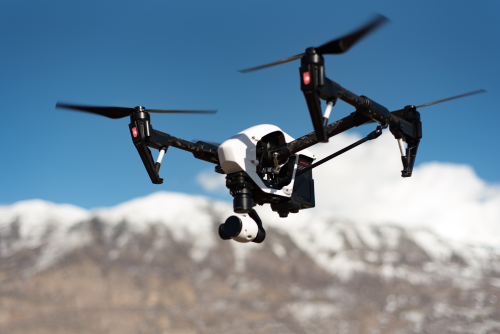
If you’re stuck on DJI or Autel, the smartest choice is rarely the drone with the flashiest spec sheet. It’s the ecosystem that fits how you actually fly: where you operate, how often you travel, how much downtime you can tolerate, and whether you need a simple creator tool or a policy-approved work platform. For most buyers, this is less about “which brand is better” and more about “which ownership path will cause fewer regrets six months from now.”
Quick Take
For most first-time buyers, hobbyists, and creators, DJI is usually the lower-regret default. Its ecosystem is broader, the learning curve is often smoother, accessories and used gear are easier to find, and resale is typically stronger.
Autel becomes the smarter choice when you have a clear reason for it, not just curiosity. That reason might be a procurement rule, a desire for a credible alternative to DJI, a better local dealer relationship, or a workflow preference that you’ve already tested.
Fast answer
- Choose DJI if you want the safest all-around path, the easiest upgrade route, broad creator support, and better odds of finding help, parts, or buyers later.
- Choose Autel if you specifically want a non-DJI platform, your organization prefers or requires an alternative, or you’ve confirmed that Autel support and software fit your region and workflow.
- Keep shopping before buying either if your real need is custom FPV, high-end cinema, or a highly specialized enterprise workflow that depends on exact software integrations.
Key points
- Brand matters less than the ecosystem around the drone: app, batteries, chargers, service, accessories, software compatibility, and resale.
- For commercial work, downtime costs more than specs.
- For travel, size, weight, battery logistics, and local rules matter more than brand loyalty.
- A manufacturer’s map, warning, or unlock flow is not the law. Always verify with the relevant authority where you fly.
- If you don’t have a strong reason to leave the mainstream, the mainstream often wins on convenience.
DJI vs Autel at a glance
| Your situation | Smarter default | Why |
|---|---|---|
| First drone, casual flying, family trips | DJI | Lower ownership friction, broader tutorials, easier resale, more familiar ecosystem |
| Frequent travel creator | DJI, usually | Easier accessory sourcing, stronger creator workflow support, broader availability of batteries and add-ons |
| You want an alternative to DJI on principle or policy | Autel | Gives you a credible non-DJI path, especially if your local support is solid |
| Solo commercial operator | DJI, unless policy says otherwise | Bigger ecosystem, easier backup planning, more common client familiarity |
| Enterprise, public-sector, or policy-driven team | Depends on procurement rules | Internal approval, software compatibility, maintenance, and compliance matter more than brand popularity |
| FPV-curious buyer | DJI, or consider a separate FPV path | DJI at least has a dedicated FPV ecosystem; Autel is not usually the default FPV route |
| You care a lot about resale and upgrade flexibility | DJI | Broader used market and easier handoff to the next buyer |
| You dislike relying on one dominant ecosystem | Autel | An intentional alternative, if the rest of the stack checks out |
The real decision: buy into a path, not just a drone
When you buy a drone, you are not just buying an aircraft. You are choosing a path that includes:
- batteries and chargers
- remote controllers
- app behavior and update habits
- spare props and filters
- service and repair options
- workflow software
- training resources
- resale options
- how easy it is to add a second drone later
That is why the DJI or Autel question should be framed around your next 50 flights, not your next 5 minutes of spec-sheet browsing.
A lot of buyers compare headline camera numbers, top speed, or advertised transmission range and miss the bigger issue: which brand will still feel easy to live with after the excitement of unboxing is gone?
Why DJI is usually the lower-regret default
DJI tends to win on ecosystem maturity. For many buyers, that means:
- more polished onboarding
- broader consumer product depth
- stronger aftermarket support
- more tutorials and troubleshooting resources
- easier accessory shopping
- better used-market liquidity
- more familiarity among crews, clients, and collaborators
That does not mean every DJI drone is the best choice for every person. It means that if your needs are general, DJI often makes ownership easier.
The tradeoff is that DJI is also the most “system-like” experience. Some pilots love that because it feels organized and predictable. Others dislike it because they want less dependence on one dominant brand’s app logic, firmware direction, or airspace-control philosophy.
Why Autel is often the intentional alternative
Autel makes the most sense when you have a concrete reason to choose it. Good reasons include:
- your organization wants or requires a non-DJI option
- you prefer to avoid putting all your gear into one ecosystem
- your local dealer or support network is stronger for Autel than buyers assume
- a specific Autel aircraft fits your use case better
- you have already tested the app and workflow and know it works for you
Autel is usually not the “buy it sight unseen and trust the market” choice in the same way DJI often is for consumers. It is more often a deliberate choice that pays off when it aligns with a real need.
That distinction matters. A deliberate Autel buyer can be very happy. A casual buyer who picks Autel only because a forum said “it’s better” may discover later that local support, software fit, or resale options are thinner than expected.
Which brand fits the way you actually fly?
Beginners and casual hobbyists
If this is your first drone and you mostly want smooth flying, simple capture, and low drama, DJI is usually the better path.
Why? Because beginners benefit from predictability more than from niche advantages. They need:
- a straightforward app experience
- lots of beginner-friendly setup help
- easy access to batteries and props
- clear community support when something goes wrong
- good resale if they upgrade quickly
Autel can still work for a beginner, especially if you have a strong local dealer or a specific reason to avoid DJI. But if you are truly starting from zero, DJI is the safer default.
Travel creators and aerial photographers
Travel flyers should think less about brand prestige and more about travel friction.
Ask yourself:
- How small is the packed kit?
- How many batteries can you realistically carry?
- Can you charge easily from hotel rooms, cars, or travel power banks?
- Will replacement props, chargers, or filters be easy to find if something fails?
- Does the drone’s weight class affect where you can fly in your destination?
In many cases, DJI has the edge here because the travel ecosystem around its lighter drones is more mature. That said, Autel can be a good pick if a specific compact model fits your camera preferences and you’re comfortable managing a smaller accessory ecosystem.
For creators, color and image quality matter, but workflow matters more. A drone that’s easy to pack, launch, and maintain will beat a theoretically better camera that stays in the bag.
FPV and action-focused pilots
If by FPV you mean cinematic manual-style flying, racing, or acro progression, the honest answer is that this is not really an even DJI-versus-Autel fight.
DJI at least has a recognizable FPV path and a strong digital-video presence in the broader FPV world. Autel is not usually the first ecosystem people build around for FPV.
So if you are FPV-curious, the smarter decision is often:
- DJI if you want a more accessible ready-to-fly path, or
- a custom FPV route if you truly want deep skill growth and control
What you should not do is buy a standard camera drone from either brand and pretend it solves the same problem as a real FPV setup.
Solo commercial operators
For real estate, resort marketing, events, light inspections, tourism content, or social-first client work, reliability is usually more valuable than theoretical performance.
Most solo operators need:
- a drone that works predictably
- easy access to spare batteries and props
- fast replacement options
- a brand clients already recognize
- decent resale when the next upgrade comes
That usually points to DJI.
Autel can be a smart commercial choice when there is a business reason for it. Examples:
- a client or internal policy prefers a non-DJI option
- your local Autel dealer offers excellent support
- the aircraft matches your job mix and software stack
- your team has already standardized around Autel
If you earn money with your drone, the key question is not “Which brand is cooler?” It is “Which brand causes fewer cancelled jobs?”
Enterprise teams and procurement-led buyers
For larger teams, brand preference should come after policy and workflow.
Your real buying criteria are more likely to be:
- procurement approval
- internal security review
- fleet standardization
- pilot training
- maintenance contracts
- mission-planning compatibility
- photogrammetry or inspection software support
- logging and audit needs
- replacement timelines
In some organizations, a non-DJI route is easier to approve. In others, DJI’s market maturity is the practical advantage. There is no universal answer here.
If you are buying for a team, do not decide from YouTube reviews. Run a small pilot program, test the exact workflow, and compare support quality in your actual region.
A practical 6-step framework before you spend anything
1. Define your 80 percent mission
Write down what you will do most of the time, not what you might do someday.
Examples:
- weekend travel clips
- family outdoor footage
- real estate shoots
- roof and site inspections
- mapping and measurement
- social content for clients
If your mission is broad and general, DJI usually makes more sense. If your mission is specialized and tied to procurement or policy constraints, Autel may move up fast.
2. Check the legal and operating reality where you fly
This matters more than many buyers admit.
In many jurisdictions, drone weight, category, proximity to people, and type of operation can change what is allowed. Some places also require registration, pilot competency, remote identification, operational authorization, or insurance.
Also verify:
- local park or conservation area rules
- city or venue restrictions
- privacy expectations
- airline battery rules for travel
- customs or import questions if crossing borders
Do not assume either brand makes compliance simple. Brand features can help with awareness, but legal responsibility stays with the pilot or operator.
3. Audit the software and accessory ecosystem you actually need
Make a list of must-haves:
- extra batteries
- multi-battery charging
- ND filters
- propellers
- replacement controller availability
- editing workflow
- mapping or inspection software
- fleet management or logs
- cloud storage or team handoff
DJI often wins this step for general buyers because the ecosystem is deeper and easier to source. Autel can absolutely pass this test, but you should verify availability in your market instead of assuming global parity.
4. Check service, repair, and downtime risk in your region
This is where a lot of otherwise smart buyers get caught.
Before you buy, ask:
- Who repairs this brand where I live?
- How long does warranty or non-warranty service typically take?
- Can I get batteries and props quickly?
- Is there a reliable dealer nearby?
- If this drone goes down during a client week, what is my backup plan?
For professionals, support quality can outweigh camera differences. A slightly less exciting drone with faster replacement is often the better business tool.
5. Compare the full ownership cost, not just the drone price
Your real cost is the whole system:
- drone
- controller
- extra batteries
- charger or hub
- case
- filters
- memory cards
- insurance
- training
- permits or authorizations where relevant
- software subscriptions
- spare aircraft or rental fallback
This is where “cheaper” buys often become more expensive. A drone with harder-to-find accessories or weaker resale can cost more over a year than a pricier but easier-to-own alternative.
6. Decide your exit and upgrade path now
Ask yourself what happens in 12 to 24 months.
- Will you upgrade?
- Will you add a second aircraft?
- Will you need to standardize across a team?
- Will you sell this drone to fund the next one?
DJI usually has the stronger exit path because the used market is larger. If you like changing gear often, that matters. If you plan to keep the same aircraft for years and your workflow is stable, Autel’s smaller market may matter less.
Safety, legal, and compliance limits to know
No matter which brand you buy, keep these limits in mind:
- A manufacturer’s airspace warning, unlock flow, or app map is not a legal authorization.
- A lack of software restriction does not mean a flight is legal.
- A software warning does not always mean a flight is impossible under law. You may still need to verify the actual rule and approval path with the competent authority.
- Weight class can matter significantly in many countries, especially for travel-friendly drones.
- Commercial work can trigger extra obligations depending on the country, client, and operation.
- Parks, heritage sites, resorts, private property, and event venues may restrict takeoff or filming even if the airspace itself is not fully restricted.
- Airline battery rules vary. Always verify current carry-on and battery handling policies before travel.
The safe rule: treat the drone app as one source of operational awareness, not the final legal answer.
Common mistakes people make when choosing between DJI and Autel
Buying for internet arguments instead of real flights
A lot of buyers choose a brand to “win” a forum debate. That is a fast path to regret. Your weekly mission matters more than brand tribalism.
Overvaluing specs and undervaluing ownership friction
A tiny edge in camera specs means little if batteries are hard to source, repairs are slow, or the app workflow annoys you every week.
Assuming global reputation equals local support
A brand can be well known worldwide and still have weak support where you live. Or vice versa. Always verify your local reality.
Treating airspace software behavior as permission
This is one of the biggest errors. Even if one brand feels less restrictive in software, you still must follow local law.
Ignoring resale and upgrade timing
If you tend to upgrade often, a strong used market matters. Many buyers overlook this until it is time to sell.
Forgetting client or employer policy
Service providers sometimes buy first and ask procurement questions later. If you work for public-sector clients, infrastructure firms, or security-sensitive organizations, verify brand acceptance before you invest.
FAQ
Is DJI still the better first drone brand for most people?
Usually, yes. For most beginners, hobbyists, and creators, DJI remains the lower-regret default because the ecosystem is deeper, support resources are broader, and resale is typically easier.
When is Autel the smarter choice?
Autel makes the most sense when you have a specific reason: a non-DJI procurement requirement, strong local dealer support, a preferred workflow, or an enterprise decision that has already cleared internal review.
Which brand is better for travel?
Travel fit depends more on the specific drone’s size, weight, charging setup, and battery logistics than on the logo. That said, DJI often has the easier travel ecosystem because accessories and replacement items are easier to find.
Is Autel better if I dislike geofencing or software restrictions?
Some pilots choose Autel because they prefer an alternative control philosophy or want less dependence on DJI’s ecosystem behavior. But this should never be confused with legal permission to fly. Always verify the actual rules where you operate.
Which brand is better for commercial work?
For many solo operators, DJI is the practical choice because it is easier to support, replace, and resell. Autel can be a very smart commercial choice when organizational policy, client requirements, or validated workflow needs point that way.
Should image quality decide the purchase?
Rarely by itself. Both brands can produce strong results. In day-to-day use, portability, reliability, editing workflow, service access, and total kit cost usually matter more.
Is it safer to buy used if I’m undecided?
A lightly used, popular DJI model can be a low-risk way to test the ecosystem because resale is usually easier. Used Autel can also be a good value, but only if you confirm battery health, firmware support, parts availability, and local service options.
What if my organization restricts one brand?
Then the decision is mostly made by policy, not preference. Confirm the rule with your procurement, compliance, or security team, then evaluate only the brands that are actually approvable.
The decision that saves the most regret
If you want the simplest answer, here it is: DJI is usually the smarter default for most buyers, while Autel is the smarter deliberate choice for buyers with a verified reason to go another way.
So before you buy, stop asking which brand wins on paper. Ask which one best supports your next 50 flights, your local rules, your repair reality, and your upgrade path. That is the drone path that will still feel smart after the honeymoon phase ends.