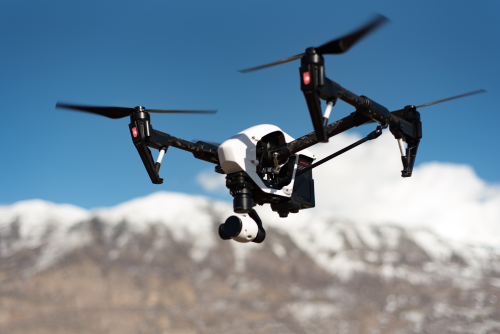
If you are choosing between a foldable camera drone and a cinewhoop, you are not picking between two versions of the same tool. You are choosing between stability and speed-to-results on one side, and close-range motion and FPV expression on the other. For most first-time buyers, foldable drones are the easier and safer purchase, but cinewhoops can be the better investment when your actual shot list demands immersive indoor or proximity flying.
Quick Take
If you want the shortest answer to the foldable drones vs cinewhoops question, start here:
- Buy a foldable drone if you want easy flying, strong photo quality, quick travel setup, and usable footage from day one.
- Buy a cinewhoop if your main goal is indoor fly-throughs, dynamic close-range motion, or FPV-style shots around subjects and spaces.
- For tight budgets, foldables usually offer a lower total cost to good results because the workflow is simpler and the accessory stack is smaller.
- For creators and businesses selling movement-heavy footage, a cinewhoop can unlock shots a foldable drone simply cannot do well.
- Most beginners should not buy a cinewhoop as their only drone unless they are specifically committed to FPV flying, simulator practice, and regular repairs.
The practical answer for many buyers is simple: a foldable drone is the better first purchase, and a cinewhoop becomes the second tool once your goals clearly justify it.
What these two drone types actually are
Before comparing budgets and learning curves, it helps to define the categories clearly.
What is a foldable drone?
A foldable drone is the style most buyers think of as a “camera drone.” It usually has:
- Folding arms for portability
- GPS-assisted hover
- A stabilized camera on a gimbal
- App-based or dedicated controller operation
- Automated safety features such as return-to-home
- Strong photo and general video capability
This category is built for controlled, stable aerial capture. It is the easiest path to travel footage, landscape video, social content, roof views, site overviews, and still photography.
What is a cinewhoop?
A cinewhoop is a small FPV drone, usually with ducted or guarded propellers, designed for smooth cinematic movement in tighter spaces. FPV means “first-person view,” where the pilot sees through the drone’s camera, typically using goggles.
Cinewhoops are commonly used for:
- Indoor fly-throughs
- Hotel, venue, and real estate walkthroughs
- Action shots near subjects
- Low-altitude cinematic motion
- Dynamic one-take sequences
Some cinewhoops record video through an onboard HD camera system. Others are paired with an action camera for higher-end footage. Either way, the core idea is movement through space, not just hovering above it.
Foldable drones vs cinewhoops at a glance
| Criteria | Foldable Drone | Cinewhoop |
|---|---|---|
| Best for | Travel, landscapes, aerial photos, easy video, general use | Indoor fly-throughs, dynamic FPV shots, close-proximity cinematic motion |
| Learning curve | Lower | Higher |
| First-day results | Usually strong | Often weak until you train |
| Photo capability | Very good to excellent | Usually limited |
| Indoor use | Limited and often awkward | Much better suited |
| Wind performance | Often better for stable general flying | Can struggle depending on size and build |
| Portability | Excellent | Good, but total kit is bulkier |
| Hidden costs | Moderate | High |
| Repairability | Often harder and more expensive per incident | Usually more repairable, but crashes are more frequent |
| Editing workload | Lower | Higher |
| Travel friendliness | Better overall | Less simple due to batteries, goggles, and support gear |
| Best as a first drone | Yes, for most buyers | Only for FPV-focused buyers |
The budget question: the drone price is not the real price
A lot of buyer regret starts here. People compare the drone body price and forget the rest of the system.
Foldable drones usually win on total cost to useful footage
A foldable setup is usually more predictable to budget for. Beyond the drone itself, most buyers need:
- Controller
- Two or more batteries
- Charger or charging hub
- Spare propellers
- Carry case
- Memory card
- Optional ND filters for video in bright light
That is still a real expense, but the kit is straightforward. You can unpack it, update firmware, learn the basics, and start getting decent footage quickly.
For many buyers, the important financial point is this: the gap between purchase and good results is short.
Cinewhoops often cost more than they first appear
A cinewhoop setup usually needs more than just the drone:
- FPV goggles
- Radio controller
- Multiple batteries
- Battery charger
- Spare props
- Basic repair tools
- Extra small parts
- A simulator for practice
- Sometimes an action camera
- Safe storage and transport habits for lithium batteries
That does not automatically make cinewhoops bad value. It means their value depends on whether you truly need the shots they unlock.
If your real goal is indoor hospitality fly-throughs, vehicle content, or cinematic chasing shots, a cinewhoop may be the only right tool. But if your goal is “I want cool travel footage,” the total system cost can feel heavy very fast.
The hidden budget line: crashes and downtime
This is where the two categories diverge sharply.
A foldable drone may be easier to fly, which means fewer early crashes for most beginners. But when a crash does happen, repairs can be less user-friendly and more expensive. Arms, gimbals, and shells are not always simple field fixes.
A cinewhoop is often more repairable part by part, especially if you are comfortable changing props, replacing components, and troubleshooting. But you are also more likely to crash while learning, and the repair habit becomes part of ownership.
So which is cheaper long term?
- Foldable drones are usually cheaper for buyers who want smooth, low-drama ownership
- Cinewhoops can be manageable long term for pilots who enjoy tinkering and self-repair
If you hate troubleshooting, do not romanticize FPV ownership.
Which drone fits which goal?
This is the real buying filter. The better drone type is the one that matches the footage you actually need every week, not the one that looks most exciting on social media.
For travel creators and casual buyers: foldable wins
If your plan looks like any of the following, buy a foldable drone:
- Scenic destinations
- Beach, mountain, city, and road-trip footage
- Family travel clips
- Simple social media edits
- Sunset aerials
- Establishing shots for YouTube or brand content
- Travel-friendly packing
Foldables are better for quick setup, safer stand-off shooting, and polished footage without a major post-production burden. They are also far better if you care about still photos.
A cinewhoop is not the ideal general travel drone unless your trip is specifically built around FPV flying and you have legal, safe places to operate.
For aerial photography: foldable wins by a wide margin
If still photography matters at all, the answer is easy.
Foldable camera drones are designed for:
- Raw photo capture
- Stable framing
- Higher-resolution stills
- Better dynamic range
- Easier horizon control
Cinewhoops are motion tools. You do not buy one because you want stronger photos.
For indoor real estate, hospitality, and venue tours: cinewhoop often wins
This is one of the clearest cases for cinewhoops.
If you need to move through:
- Homes
- Restaurants
- Hotels
- Event venues
- Gyms
- Showrooms
- Production spaces
A cinewhoop can create the flowing, room-to-room movement that foldable drones are poorly suited to.
That said, many professionals eventually use both:
- Foldable drone for exterior establishing shots
- Cinewhoop for interior fly-throughs
If you can only buy one and your work is mostly standard listings or exterior property content, start with a foldable. If your business model depends on premium walkthroughs and one-take indoor content, start with a cinewhoop.
For action sports, vehicles, and kinetic storytelling: cinewhoop wins
Cinewhoops are usually the better fit when you need camera movement that feels personal and immersive:
- Following a cyclist or runner in controlled conditions
- Orbiting a subject at close range
- Flying through architectural features
- Moving from indoor to outdoor spaces
- Creating a continuous one-take sequence
A foldable drone can follow a subject at a distance, but it usually does not deliver the same sensation of speed and presence.
If your creative identity depends on motion, a cinewhoop may become your core tool.
For inspections, documentation, and business utility: foldable usually wins first
For many service providers and business teams, the first drone purchase should be a foldable model because it is:
- Easier to standardize across staff
- Simpler to train on
- Better for repeatable general capture
- Better for overview imagery
- More practical for basic site documentation
A cinewhoop may still have value for specialized indoor capture or confined spaces, but it is rarely the safest all-purpose procurement decision as a first fleet drone.
Learning curve: fastest route to usable footage vs highest skill ceiling
The title asks which drone type is better for your learning curve. This matters more than many buyers admit.
Foldable drones have the best skill-to-result ratio
For most beginners, foldable drones are dramatically easier to learn.
Why?
- GPS hover reduces workload
- The camera view is familiar
- Takeoff and landing are simpler
- Stable footage is easier to get
- Automated safety tools reduce early mistakes
- You can focus on composition instead of survival
That does not mean foldables are foolproof. You still need airspace awareness, weather judgment, battery discipline, and safe decision-making. But the path from “new pilot” to “usable footage” is short.
If your goal is to create polished content quickly, foldables are hard to beat.
Cinewhoops ask more from the pilot
Even when a cinewhoop can be flown in more stabilized modes, FPV is still a different experience. You are managing:
- Throttle control
- Tight-space orientation
- Momentum
- Battery sag near the end of a pack
- Camera angle
- Recovery after contact or turbulence
- Technical setup and troubleshooting
Smooth cinematic FPV also looks easier online than it is in real life. Good cinewhoop footage often requires:
- Simulator practice
- Consistent stick control
- Repeated route rehearsals
- Thoughtful camera settings
- More post-production
That post-production may include software stabilization, meaning software that smooths the footage using gyro data or related motion information.
The key truth is simple: cinewhoops have a steeper learning curve, but a more distinctive creative payoff.
If you dislike tinkering, that is a serious buying signal
This point deserves its own heading in your mind.
Ask yourself honestly:
- Do you enjoy learning technical systems?
- Are you fine replacing props and fixing issues?
- Will you practice in a simulator before expecting results?
- Can you handle sessions where you get little usable footage while learning?
If the answer is no, a foldable drone is probably the better fit.
Workflow matters more than many buyers realize
Buying regret often comes from ignoring the workflow after the flight.
Foldable drone workflow is usually simpler
A foldable drone is often better if you want:
- Faster setup
- Shorter prep time
- Easier handoff between operators
- Cleaner out-of-camera footage
- Less color and stabilization work
- Easier client delivery
This is why foldables are so strong for travel, tourism, marketing, and general content creation.
Cinewhoop workflow is more demanding but more distinctive
A cinewhoop workflow often includes:
- More batteries for a session
- Route planning and multiple takes
- More careful safety control around spaces and people
- Additional stabilization or grading work
- More gear on location
But if that workflow produces the exact high-energy shot a client is paying for, the extra effort makes sense.
A useful rule: foldables are easier to operate as a product; cinewhoops are easier to sell as an experience.
Safety, legal, and operational risks you should not ignore
Both drone types involve regulated and potentially risky flight activity. The right choice is not just about creative output.
Before flying, verify the rules that apply in your country, region, and operating environment. Do not assume the same rules apply globally.
Key compliance and risk differences
- FPV flight may have extra requirements. In some places, FPV operation may require a visual observer or separate compliance steps. Verify your local aviation authority’s rules before flying with goggles.
- Indoor flying is not automatically “free from rules.” Even where aviation rules are different indoors, venue permission, workplace safety, insurance, and property owner approval still matter.
- Flying near people is higher risk. Cinewhoops have prop guards, but that does not make close-proximity flying harmless. Injury, panic, and property damage are still possible.
- Travel rules for batteries vary. Airline limits, carry-on rules, terminal protection requirements, and battery quantity restrictions can differ. Check your airline and departure country before packing.
- Commercial work often adds extra obligations. Depending on your location, client type, and operation, you may need registration, training, insurance, operating permissions, or documented risk assessments.
- Private property and venue rules still apply. A hotel, arena, restaurant, factory, or event site may require separate permission even when airspace rules allow flight.
The safest buying choice is the one you can legally and competently operate in the places you actually intend to fly.
Common mistakes buyers make
1. Buying a cinewhoop because the footage looks easy
It does not look hard because you are watching the finished result. The practice, route planning, failed takes, and repairs are invisible.
2. Buying a foldable drone for indoor professional fly-through work
You can sometimes fly a foldable indoors in controlled conditions, but it is generally not the right tool for tight, flowing, room-to-room cinematic work.
3. Underbudgeting for batteries
This hurts both categories, but especially cinewhoops. A one-battery buyer usually has a bad first month.
4. Ignoring the editing burden
Foldable footage is often easier to use quickly. Cinewhoop footage may need more stabilization, color work, and shot selection.
5. Confusing “prop guards” with “safe around people”
Prop guards reduce some risks. They do not remove legal, ethical, or injury concerns.
6. Buying for the 20 percent use case
Do not choose based on the coolest shot you might take twice a year. Choose based on the footage you need for the other 80 percent of your flying.
7. Assuming one drone should do everything
Plenty of experienced creators and businesses end up owning both because the use cases are genuinely different.
A simple decision framework before you buy
If you are still undecided, use these seven questions.
1. What shot will you need most often in the next 90 days?
- Mostly landscapes, travel clips, exteriors, general aerials: foldable
- Mostly indoor or close-range motion shots: cinewhoop
2. Do you care about still photography?
- Yes: foldable
- No, video motion is everything: cinewhoop may fit
3. Will you regularly fly in tight spaces?
- Yes: cinewhoop
- No, mostly open outdoor environments: foldable
4. Do you need strong results immediately?
- Yes: foldable
- No, you are willing to train and iterate: cinewhoop is still in play
5. Do you enjoy repair, tuning, and troubleshooting?
- No: foldable
- Yes: cinewhoop ownership may suit you
6. Will you travel with the drone often?
- Yes: foldable is usually easier
- No, it is a dedicated production tool: cinewhoop may make sense
7. Are you buying for a business?
- Need broad utility, lower training burden, repeatable capture: foldable first
- Need premium fly-throughs, immersive movement, signature shots: cinewhoop or both
Who should buy which?
Buy a foldable drone if you are:
- A beginner who wants the easiest start
- A travel creator
- A hobbyist who values simplicity
- An aerial photographer
- A marketing team needing reliable general footage
- A property, roof, or site documentation operator
- A buyer with one drone budget and no patience for technical overhead
Buy a cinewhoop if you are:
- An FPV-focused pilot
- A creator chasing motion-heavy cinematic style
- A real estate or hospitality operator selling interior fly-throughs
- A filmmaker who needs one-take movement through spaces
- A technically inclined buyer who accepts simulator training and repairs
- A production team with specific close-proximity shot needs
Buy both eventually if you are:
- Building a serious content business
- Serving clients with both exterior and interior needs
- Producing brand films, venue content, automotive work, or premium property marketing
- Running a team that needs both general utility and signature motion shots
FAQ
Is a foldable drone better for absolute beginners?
Yes. For most beginners, foldable drones are easier to fly, easier to understand, and much faster to turn into usable footage.
Can a cinewhoop replace a foldable travel drone?
Usually not. A cinewhoop can produce unique footage, but it is not the simplest or most efficient travel tool for landscapes, general tourism, or aerial photos.
Are cinewhoops safer because they have prop guards?
They can be safer than exposed-prop FPV designs in some bump scenarios, but they are not harmless. Flying near people, animals, or fragile property still requires serious caution and legal compliance.
Which is better for real estate work?
If you mean standard exterior views and broad listing content, a foldable drone is usually the better first purchase. If you specifically sell premium indoor walkthroughs, a cinewhoop may be the more valuable tool.
Do I need goggles for a cinewhoop?
For the typical FPV cinewhoop experience, yes. Most cinewhoop workflows are built around flying through goggles, even if some systems can also display video on other screens.
Which type is easier to maintain?
Foldable drones are usually easier day to day if you avoid crashes. Cinewhoops are often more repairable, but they usually demand more ongoing maintenance, spare parts, and technical attention.
What should I buy if I eventually want both?
Start with a foldable drone if you need immediate results and broad utility. If you are serious about FPV, begin simulator practice early so your second purchase is informed rather than impulsive.
The decision most buyers should make
If you can only buy one drone today, buy the one that matches your next 20 flights, not your dream highlight reel.
For most people, that means a foldable drone: easier learning curve, lower total friction, better travel fit, stronger photo capability, and faster return on money spent. Choose a cinewhoop only when your real goals depend on indoor, close-proximity, movement-heavy shots and you are ready for the training, repairs, and workflow that come with them.
If your answer is still “I want both,” the smartest path is usually this: start foldable, learn the rules and the basics, then add a cinewhoop when your shot list proves you need it.