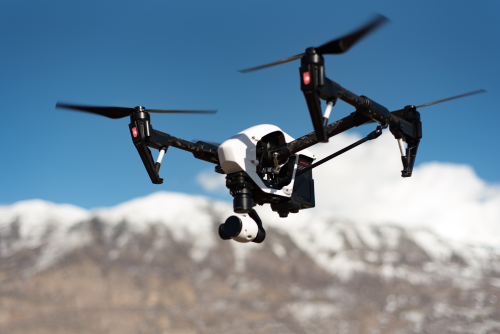
If you’re deciding between GPS drones or beginner toy drones, the smarter choice is not really about your skill level. It is about where you will fly, what you want to get out of the flight, and how quickly you will outgrow a low-cost purchase. For many buyers, the wrong first drone is not the one that costs more. It is the one that does not match the way they will actually use it.
A lot of first-time buyers assume a toy drone is the sensible starting point and a GPS drone is the “serious” upgrade for later. Sometimes that is true. But for outdoor flying, travel content, stable photos, and any path that might turn into paid work or regular hobby use, a GPS drone is often the cheaper decision in the long run.
Quick Take
If you want the shortest possible answer, use this:
- Choose a beginner toy drone if you mainly want:
- indoor fun
- low-stakes practice
- a gift for a child or casual user
- something you can crash without much stress
-
basic stick orientation rather than useful footage
-
Choose a GPS drone if you mainly want:
- outdoor flying
- stable hovering
- better photos and video
- travel use
- a drone you will still enjoy after the first month
-
a realistic path into photography, content creation, inspections, or commercial work
-
Do not buy a toy drone if your real plan is:
- beach or mountain travel shots
- smooth cinematic video
- flying in light wind outdoors
-
learning workflows that transfer to camera drones
-
Do not buy a GPS drone if your real plan is:
- rough indoor bumping around for fun
- a child’s first crash-heavy toy
-
learning FPV acro-style manual flying
-
If your actual goal is FPV, neither category is usually the best starting point. A simulator and a small micro whoop-style FPV setup are often the better path.
What people mean by “GPS drone” and “beginner toy drone”
Before comparing them, it helps to define the categories properly.
What a GPS drone usually is
“GPS drone” is the common term, even though many drones now use more than one satellite system. In practice, buyers mean a drone with satellite-based positioning and beginner-friendly flight assistance.
That usually includes some mix of:
- position hold, so the drone can hover more steadily outdoors
- return-to-home, which may bring the drone back automatically in some loss-of-signal or low-battery situations
- altitude stabilization
- flight app support
- better camera systems
- stronger wind handling than toy-class drones
- more predictable controls for photography and travel use
These are usually the drones people buy for: – aerial photos – vacation content – landscape video – real estate practice – hobby flying that might become more serious
What a beginner toy drone usually is
A beginner toy drone is usually a small, inexpensive quadcopter built around fun, low risk, and low replacement cost.
Common traits include:
- very low purchase price
- small size
- basic or no camera
- no true satellite-assisted position hold
- weaker stability outdoors
- short flight times
- simple remotes
- higher crash tolerance, at least financially
These are usually bought for: – kids – indoor flying – casual backyard fun in very calm conditions – first exposure to stick controls – classrooms or gifts
One important truth: toy drones are cheaper to crash, but they are not always easier to fly well. In fact, many can feel twitchy, drift more, and struggle outdoors even in mild wind.
The real decision: are you buying to practice flying, or to get results?
This is the question most buyers skip.
If your first 10 flights are mostly about: – learning orientation – having fun in a living room or gym – letting multiple people try it – accepting a few hard bumps into walls
then a beginner toy drone makes sense.
But if your first 10 flights are mostly about: – getting footage from a trip – learning how to frame shots – hovering confidently outdoors – taking off and landing safely in open spaces – building habits that transfer to more capable drones
then a GPS drone is usually the better beginner purchase.
That is why so many buyers regret starting with a toy drone. They did not really want a cheap practice tool. They wanted an outdoor camera platform. The toy drone simply looked like the “responsible” first step.
The opposite mistake happens too. Some buyers get a GPS drone when what they really wanted was carefree indoor fun. Then every small scrape feels expensive, and the whole experience becomes too precious to enjoy.
A smart first drone should match your real flying pattern, not your self-image as a “beginner.”
GPS drones vs beginner toy drones: side-by-side
| Factor | GPS drone | Beginner toy drone |
|---|---|---|
| Best for | Outdoor beginners, travel, camera work, long-term hobby use | Indoor fun, gifts, kids, low-stakes practice |
| Flight feel | More stable and confidence-building outdoors | Often more twitchy and drift-prone |
| Hovering | Usually much steadier in open outdoor space | Often unstable, especially outdoors |
| Wind handling | Better, but still limited by size and conditions | Poor to very poor outdoors |
| Camera usefulness | Usually far better for real photos and video | Often disappointing or basic |
| Crash cost | Higher | Lower |
| Emotional barrier to flying | Higher because the drone costs more | Lower because it is more disposable |
| Learning transfer | Better for camera-drone workflows | Better only for basic orientation and stick confidence |
| Indoor use | Often possible only in larger spaces and with care | Usually more suitable |
| Travel value | Much higher if legal to fly where you go | Low, unless your goal is just toy use |
| Upgrade path | Stronger | Often dead-end |
| Common regret | “I was too nervous to fly it casually” | “I outgrew it in a week” |
The most important line in that table is the last one. Both categories can disappoint you, but they disappoint buyers in different ways.
When a beginner toy drone is the smarter buy
A toy drone is not a bad first drone. It is the right first drone for certain buyers.
1. You will fly mostly indoors
If your realistic flying environment is: – an apartment – a house – a garage – a school gym – a supervised indoor room
a toy drone can make more sense than a GPS drone. It is smaller, less intimidating, and less painful to crash.
2. You are buying for a child or family use
For supervised family flying, a toy drone can be the sensible option because: – expectations are lower – the budget risk is lower – everyone can try it without fear – the mission is fun, not “content”
That said, adult supervision still matters. Small drones can still hit faces, pets, fragile objects, and bystanders.
3. You want cheap stick time
A toy drone can help with: – left-right orientation – throttle awareness – basic turn coordination – comfort using a controller
Just remember that these skills only transfer partly. A stable GPS camera drone behaves differently, and FPV manual flying is different again.
4. You need something disposable for training environments
Schools, clubs, and introductory workshops sometimes benefit from toy-class drones because: – they lower replacement cost – they reduce anxiety for new users – they fit short demonstration sessions
5. You know you do not care about footage
This is the key. If you genuinely do not care about: – image quality – stable video – wind performance – scenic outdoor use
then buying more drone than you need is unnecessary.
The limits of the toy-drone path
A toy drone becomes the wrong buy very quickly if you expect it to do any of the following well:
- hold position in outdoor air
- survive breezy travel conditions
- produce meaningful camera footage
- teach you camera-drone habits
- support a longer-term hobby without frustration
For a lot of adults, hobbyists, and creators, the toy drone is not a stepping stone. It is a short detour.
When a GPS drone is the smarter buy
For many adults and serious beginners, a GPS drone is actually the better first purchase.
1. You will fly outdoors most of the time
This is the biggest factor.
If your real flying spots are: – parks – beaches – scenic overlooks – travel destinations – open fields – hiking locations
you will usually appreciate the stability and predictability of a GPS drone far more than the low cost of a toy drone.
2. You want a drone that helps you, not fights you
A beginner outdoors often struggles with: – drift – orientation loss – panic inputs – wind – rough landings
A GPS drone can reduce that workload with position hold and better stabilization. That does not make it crash-proof, but it often makes the early learning phase much less frustrating.
3. You care about photos and video
If you are buying a drone for: – social content – travel reels – landscape images – family vacation memories – basic client portfolio building
a toy drone is usually a false economy. Even a modest GPS camera drone can be dramatically more usable.
4. You want a purchase that lasts longer
Many toy drones stop being interesting once the novelty fades. A good GPS drone often has a much longer life because it supports: – better shot planning – more varied locations – repeatable results – more confident solo flying – a realistic upgrade path in editing, travel, and workflow
5. You may eventually do paid work
If you are already thinking about: – real estate – inspections – tourism content – construction progress – social media work
skip the toy drone. You do not need your first drone to be fully professional, but you do need one that teaches transferable habits.
The limits of the GPS path
A GPS drone is not automatically the better beginner tool in every setting.
It may be the wrong first buy if: – you are afraid to crash it and therefore barely fly – you only have indoor space – you want aggressive manual flight rather than stabilized camera flight – you are buying for a young child who mainly wants fun, not process
And even with GPS assistance, you still need proper preflight discipline. Satellite positioning and return-to-home are aids, not guarantees.
The hidden costs and hidden savings buyers miss
Price tags distort this decision.
A toy drone feels safe because the upfront spend is low. But if you outgrow it immediately, that money did not actually save you anything.
A GPS drone feels expensive because the upfront cost is higher. But if it keeps you satisfied for years, it may be the cheaper path overall.
Hidden costs of toy drones
- You may upgrade almost immediately.
- Extra batteries can add up.
- Cheap cameras often make flights less rewarding.
- Outdoor frustration leads to abandonment.
- Spare parts and support may be inconsistent on very low-end models.
Hidden costs of GPS drones
- Spare batteries and charging gear matter.
- Propellers, cases, memory cards, and landing accessories add to the total.
- Repairs can be expensive.
- You may need more careful storage and transport habits.
- App compatibility and firmware support matter more.
Hidden savings of GPS drones
- You are more likely to keep using the drone.
- The footage may actually be worth editing and sharing.
- You build habits that transfer to better drones later.
- You avoid the “buy twice” trap.
Hidden savings of toy drones
- Crash anxiety is lower.
- New pilots often practice more because they are not scared of damaging it.
- They can be ideal for supervised, casual, repeat use indoors.
The right question is not “Which is cheaper today?” It is “Which option makes me less likely to waste money on the wrong experience?”
How to pick the smarter path for the way you actually fly
Use this quick decision framework before you buy.
1. Imagine your next 10 flights
Write them down mentally.
Will they happen: – indoors or outdoors? – at home or while traveling? – in calm small spaces or open areas? – for fun only or to capture something?
If most of those imagined flights are outdoors, a GPS drone is usually the better fit.
2. Decide whether your main goal is fun or outcomes
Choose the one that is more true:
- “I just want to fly around and not worry too much.”
- “I want smooth, usable flights and decent footage.”
The first points toward a toy drone. The second points toward a GPS drone.
3. Be honest about your crash tolerance
Ask yourself:
- Will I fly more if the drone feels replaceable?
- Or will I get frustrated if it cannot do what I bought it for?
Some buyers need low consequences. Others need usable performance.
4. Match the drone to your future path
Choose the statement that sounds like you:
- “This is mainly a gift, a toy, or a casual experiment.”
- “This is the start of a hobby I want to keep.”
- “I might eventually use this for travel or paid work.”
- “I actually want FPV.”
Those answers point to very different purchases.
5. Check whether your environment supports the drone
A bigger, more capable GPS drone is not useful if: – you only have tiny indoor space – local flying access is limited – you are unlikely to visit open legal flight locations
A toy drone is not useful if: – your real use case is outdoor travel – you live somewhere breezy – you want scenic footage
6. Buy for your tenth flight, not your first
This is the simplest buying rule in the whole category.
Your first flight is full of nerves and novelty. Your tenth flight reveals whether the drone fits your life.
If your tenth flight should be: – a park session with stable hovering and usable video, buy GPS – a relaxed indoor session with no fear of bumps, buy toy
Safety, legal, and operational limits to know
Even beginner buying decisions have real operational consequences.
A toy drone is not automatically rule-free
In many places, even very small drones may still be subject to rules about: – where you can fly – how close you can get to people – airports and controlled airspace – registration thresholds – pilot competency requirements – remote identification or similar broadcast rules
These rules vary by country and sometimes by drone weight, purpose, and location. Verify current requirements with the aviation authority in the place where you will actually fly.
Local land rules matter too
Even where airspace rules allow flight, you may still face restrictions from: – parks – beaches – nature reserves – historic sites – private venues – event organizers
Always verify local launch, landing, and filming policies.
GPS features are safety aids, not guarantees
Do not assume return-to-home will save every mistake.
You still need to verify: – the home point is correct – battery status is healthy – the drone has adequate satellite lock if required for that mode – the area above and around the return path is clear – weather and wind are appropriate
Indoor flying still needs discipline
People sometimes treat toy or small drones as harmless because they are indoors. That is a mistake.
You still need to consider: – propeller contact with people and pets – eye-level flying – ceiling fans and lights – mirrors and windows – battery handling and charging safety
Travel adds another layer
If you plan to travel with any drone, verify: – airline battery carriage rules – local import or customs expectations where relevant – destination drone regulations – rules for parks, monuments, and tourist areas
Do that before the trip, not at the airport or the trailhead.
Common mistakes buyers make
Buying a toy drone for windy outdoor travel
This is probably the single most common regret. Many first-time buyers imagine scenic beach flights, cliffside footage, or city skyline clips. A toy drone is usually the wrong tool for that job.
Buying a GPS drone to learn FPV-style manual flying
A stabilized GPS camera drone and FPV acro flying are not the same discipline. If you want immersive FPV, start with a simulator and the right kind of small craft.
Shopping by camera resolution alone
Big advertised numbers do not matter much if: – the drone cannot hold position well – the video transmission is weak – the gimbal or stabilization is limited – the drone struggles in normal outdoor conditions
Usable footage matters more than headline specs.
Ignoring accessory reality
Many buyers budget for the drone and forget: – spare batteries – chargers – propellers – storage – carrying protection – memory media where needed
Assuming beginner features eliminate mistakes
Obstacle sensing, hover assistance, and return-to-home can help, but they do not replace judgment. Trees, wires, poor light, reflective surfaces, and bad takeoff decisions still cause problems.
Not checking phone and app compatibility
Many GPS drones depend heavily on app performance. Before buying, verify that your phone or tablet is supported and practical for the flight workflow.
FAQ
Is a GPS drone better for a complete beginner?
Usually yes for outdoor flying, especially if the goal is stable hovering, learning camera movement, or getting usable footage. Not always for indoor play or crash-heavy practice.
Are toy drones easier to fly?
They are easier to crash without financial pain, but not always easier to control well. Many feel twitchier and are much worse outdoors in even light wind.
Can I learn on a toy drone and then move to a GPS drone later?
Yes, but only some skills transfer cleanly. Basic orientation and controller comfort help. Stable outdoor camera work, preflight habits, and shot planning are learned better on a GPS drone.
Do all GPS drones have return-to-home?
Many do, but not all systems work the same way, and no return feature is foolproof. Always verify how the drone handles low battery, signal loss, and home-point setting.
Are beginner toy drones exempt from drone laws?
Do not assume that. Rules vary by country, drone weight, location, and purpose. Always verify the current requirements with the relevant aviation authority and local site operator.
Which option is better for travel creators?
A portable GPS drone is usually the better fit if you want real footage and legal outdoor flying opportunities. A toy drone is only the better travel choice if your expectations are very low and the goal is just casual fun.
What if I want to get into FPV?
Then do not treat this as a simple GPS-versus-toy decision. A simulator, proper FPV training, and a small beginner-friendly FPV craft are usually a better path.
Should I buy used if I want a GPS drone but my budget is tight?
That can make sense, especially if you know you want the GPS path. But inspect battery health, controller condition, app support, repairability, and whether the drone has any account-lock, damage, or support issues before buying.
The decisive takeaway
If you mostly want indoor fun and low-stress practice, buy the toy drone and enjoy it for what it is. If you mostly want outdoor flying, stable footage, travel use, or a hobby with room to grow, skip the false start and buy the GPS drone.
The best first drone is not the cheapest one or the most advanced one. It is the one that fits your tenth flight as clearly as it fits your first.