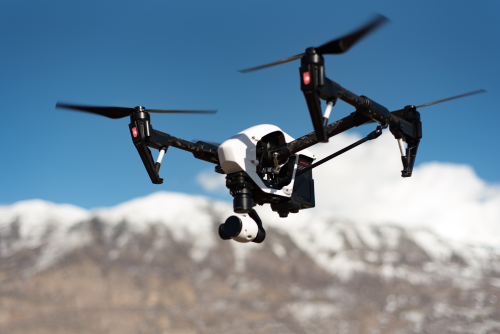
If you are stuck between a GPS drone and a beginner toy drone, the right answer is less about marketing and more about what you actually want to learn, film, and spend. A toy drone is usually cheaper to crash and simpler to own, but it can also be harder to control well and easier to outgrow. A GPS drone costs more up front, yet it usually gives you a smoother learning experience, better stability, and far more room to grow into photography, travel, and real-world outdoor flying.
Quick Take
For most adults and older teens who want to learn outdoor flying, capture usable footage, or avoid buying twice, a GPS drone is the better long-term buy.
A beginner toy drone makes more sense if your priorities are:
- very low upfront cost
- indoor practice
- casual family fun
- crash tolerance over camera quality
- buying for a child who may or may not stay interested
A GPS drone is usually the better fit if your priorities are:
- stable hovering
- easier outdoor control
- better safety features
- return-to-home support
- real photo and video use
- travel content
- learning skills that transfer to higher-end drones
The biggest surprise for new buyers: toy drones are cheaper, but they are not always easier to learn on.
Key Points
- “GPS drone” usually means a drone that uses satellite positioning plus onboard sensors to hold position more reliably outdoors.
- “Toy drone” usually means a low-cost consumer drone focused on casual fun, often with simpler controls, limited wind resistance, and basic or no camera features.
- The cheapest path is not always the best value. Many buyers outgrow toy drones fast and end up buying a GPS drone soon after.
- If you care about footage quality, travel use, outdoor reliability, or a safer beginner experience, a GPS drone usually wins.
- If you just want low-risk practice or a gift that can survive bumps into walls and furniture, a toy drone can still be the smarter first step.
- Drone laws vary by country, and some drones sold as “toys” are still regulated. Always verify local registration, training, airspace, and privacy rules before flying.
What “GPS drone” and “beginner toy drone” really mean
Before comparing them, it helps to define the categories in practical terms.
GPS drones
A GPS drone typically uses satellite positioning systems and onboard sensors to help the aircraft:
- hold its position in the air
- maintain altitude more reliably
- return to the takeoff point if signal drops or the pilot triggers return-to-home
- fly more predictably outdoors
Many GPS camera drones also include:
- stronger stabilization
- better app integration
- smarter flight modes
- a gimbal, which is a motorized camera stabilizer
- better range and battery management
- clearer status information for the pilot
These are usually the drones people buy for travel content, aerial photography, beginner videography, and serious hobby flying.
Beginner toy drones
A beginner toy drone is usually:
- lower cost
- lighter and smaller
- designed for simple fun rather than polished camera work
- more limited in wind handling
- less precise in hovering and braking
- more likely to rely on manual control rather than strong positioning features
Many toy drones are great for:
- indoor flying
- learning stick orientation
- quick backyard sessions
- gifts for kids and casual users
- low-stakes practice where crashes are expected
But “toy” does not automatically mean “best for beginners.” In many cases, it means “less expensive and less capable.”
GPS drones vs beginner toy drones at a glance
| Factor | GPS Drone | Beginner Toy Drone |
|---|---|---|
| Upfront cost | Higher | Lower |
| Outdoor stability | Much better | Often limited |
| Indoor use | Possible, but not always ideal | Often better suited |
| Camera quality | Usually much better | Often basic or novelty-level |
| Hover precision | Stronger | Can drift more |
| Wind resistance | Better | Usually weaker |
| Return-to-home | Common on many models | Rare or limited |
| Learning confidence | Higher once set up | Lower in windy or open spaces |
| Crash cost | Higher | Lower |
| Repair tolerance | Varies, often more expensive | Often cheaper but sometimes disposable |
| Skill transfer to advanced drones | Strong | Limited |
| Outgrowing risk | Lower | Higher |
Which drone type is better for your budget?
The honest answer depends on whether you mean purchase price or total value.
If your budget is very tight
A toy drone is the obvious entry point if you want to spend as little as possible.
That makes sense when:
- you are not sure you will stick with the hobby
- you want a child-friendly introduction
- you want to practice basic stick control indoors
- you would rather risk a cheap crash than protect a more expensive aircraft
In this case, a toy drone can be a sensible “trial run” purchase.
If your budget has room for a serious beginner setup
A GPS drone often gives better value over time because it reduces three common forms of buyer regret:
-
Outgrowing the drone too fast
Many people buy a toy drone, enjoy it for a few weekends, then realize they actually wanted stable outdoor flying and decent footage. -
Frustration from poor control
Cheap drones that drift, struggle in light wind, or give weak battery performance can make beginners think they are bad pilots when the aircraft is the real limitation. -
Buying twice
The most expensive “budget” drone is often the one you replace in a month.
Think in total ownership cost, not shelf price
A better budget question is:
“What will this drone let me do for the next 6 to 18 months?”
Consider:
- spare batteries
- propellers
- chargers
- carrying case
- repair or replacement costs
- whether the footage is good enough to keep
- whether the drone can still meet your goals after the first learning phase
A toy drone may cost less now. A GPS drone may cost less per useful flight hour if you actually use it consistently.
Which drone type is better for your goals?
This is where the decision usually becomes clear.
Choose a toy drone if your goal is low-risk practice and casual fun
A beginner toy drone is usually the better fit if your real goal is:
- learning basic stick movements
- flying indoors in a safe open room or hall
- having fun with family or kids
- getting comfortable with orientation, throttle, and turning
- treating the drone more like a hobby gadget than a camera tool
This is also a good path if you want to answer one question cheaply:
“Do I actually enjoy flying?”
If you are unsure, a toy drone can be a low-pressure way to find out.
Choose a GPS drone if your goal is outdoor flying that feels controlled
A GPS drone is better if you want to fly:
- in open outdoor areas
- while traveling
- in moderate but legal and safe real-world conditions
- with more confidence that the drone will hold position and not wander unpredictably
For many new pilots, this is the biggest practical difference. A GPS drone often feels calmer and more cooperative in the air.
Choose a GPS drone if your goal is photos or video you will actually use
If you want footage for:
- travel reels
- YouTube
- social media
- family trips
- real estate previews
- landscape photography
- content creation
then a GPS drone is usually the right category.
Toy drone cameras can be fun, but they often disappoint buyers who are expecting smooth aerial content. Even when a toy drone includes a camera, image stabilization, dynamic range, and overall footage quality are often limited.
If your goal includes the word “content,” start by looking at GPS drones.
Choose a GPS drone if your goal is a skills path, not just a first experience
If you think you may eventually move into:
- aerial photography
- mapping and survey awareness
- property media
- travel production
- event coverage where legal
- higher-end consumer drones
- some professional workflows
then a GPS drone builds more transferable habits.
You will learn:
- preflight checks
- airspace awareness
- home point management
- battery discipline
- smoother camera movement
- flight planning
- safer outdoor decision-making
Toy drones can teach hand-eye coordination, but they do not always teach the broader operational discipline that real-world drone use demands.
Choose a toy drone if your goal is a kid’s first flying experience
For younger users, a toy drone can make more sense because:
- the financial risk is lower
- collisions are expected
- indoor or close-range supervision is easier
- the learning goal is often fun, not media quality
That said, buyers should still check age suitability, propeller protection, supervision needs, and local rules. “Toy” does not mean “risk-free.”
The hidden truth about the learning curve
A lot of people assume toy drones are easier because they are simpler and cheaper. In practice, the learning curve is more complicated.
Toy drones are simpler to buy, but not always easier to fly
A beginner toy drone often has:
- less reliable hover hold
- weaker wind resistance
- less precise control feel
- fewer recovery features if you get disoriented
That can make the first few flights feel messy.
For some people, this is still useful. It forces you to learn manual correction and orientation. But for many beginners, it just feels frustrating.
GPS drones are more complex systems, but often easier in the air
A GPS drone usually adds setup and operational concepts such as:
- app connection
- satellite lock
- return-to-home settings
- firmware and calibration checks
- battery health awareness
- airspace restriction prompts on some platforms
So yes, the system is more advanced.
But once airborne, a good GPS drone is often easier for a beginner to control because it can:
- hover in place
- brake more predictably
- hold position while you think
- return home in some scenarios
- give more flight data and warnings
That lowers panic and improves confidence.
The best way to think about it
- Toy drones: simpler ownership, harder flying
- GPS drones: more system complexity, easier flying
If your main fear is crashing from loss of control, a GPS drone usually shortens the learning curve.
If your main fear is spending too much before you know whether you enjoy flying, a toy drone is the safer first purchase.
What people get wrong when comparing them
Mistake 1: Assuming a toy drone is the cheaper path no matter what
If you outgrow it quickly, it was only cheaper at checkout.
Mistake 2: Buying a toy drone for photography
If your expectations include smooth cinematic footage, a toy drone is often the wrong tool.
Mistake 3: Buying a GPS drone for rough indoor practice
GPS drones are usually built for controlled outdoor use, not bumping around living rooms, garages, or tight indoor spaces.
Mistake 4: Ignoring wind
Lightweight beginner drones can struggle badly in wind, especially low-cost non-GPS models. A flight that looks easy in a product video may feel completely different in real conditions.
Mistake 5: Treating “toy” as a legal category everywhere
Some regions use specific legal definitions; others regulate by weight, use case, or technical capability. A drone sold as a toy may still be subject to registration, pilot competency rules, restricted airspace limits, or privacy laws.
Mistake 6: Focusing only on the aircraft
Your real experience also depends on:
- battery life and charging speed
- app reliability
- spare parts availability
- controller quality
- repair support
- local rule friction
- where you can legally and safely fly
Safety, legal, and compliance limits to know
Whether you buy a GPS drone or a toy drone, you are still operating an aircraft in many jurisdictions. The exact rules vary globally, so verify before you fly.
Check these points with the relevant aviation authority and any local land manager, park authority, venue, or municipality:
- whether your drone must be registered
- whether the pilot must pass a test or training requirement
- whether remote identification rules apply
- local altitude limits
- no-fly or restricted areas near airports, helipads, ports, military sites, government zones, or sensitive infrastructure
- national park, beach, wildlife, heritage, or city-specific restrictions
- privacy and filming rules
- whether commercial use triggers extra requirements
- battery carriage rules if you are flying with the drone while traveling
A few practical reminders:
- Never rely on return-to-home as a substitute for safe piloting.
- Do not fly over uninvolved people, roads, or private spaces unless local rules clearly allow it and conditions are safe.
- Keep extra distance from crowds, animals, and vehicles.
- Indoor flight still requires care around people, pets, windows, and ceiling fans.
- Wind, trees, wires, and poor GPS reception can all affect flight safety.
If you plan to use drone footage for business, client work, or monetized content, verify whether your local rules treat that as commercial activity.
How to decide in 5 steps
If you want a fast buying framework, use this.
1. Decide whether your first priority is flying or filming
Choose a toy drone if you mainly want:
- simple fun
- low-cost stick practice
- indoor sessions
- a gift or casual hobby experiment
Choose a GPS drone if you mainly want:
- outdoor flying confidence
- stable footage
- travel use
- content creation
- a serious learning path
2. Ask how painful a crash would feel financially
If one crash would make you regret the purchase, a toy drone may be the safer emotional starting point.
If you can accept the higher cost and want a tool you will keep using, a GPS drone is usually the better long-term move.
3. Be honest about where you will actually fly
If you mostly have:
- indoor space
- a small yard
- quick short sessions
- no intention to travel with it
a toy drone may fit better.
If you have access to:
- open outdoor areas
- legal launch spots
- travel locations
- scenic places where camera quality matters
a GPS drone makes more sense.
4. Think about your patience for setup and rules
A GPS drone usually rewards more disciplined ownership. If you are willing to learn the basics of airspace, preflight checks, updates, batteries, and safe launch procedures, it pays off.
If you want something closer to instant casual use, a toy drone may feel more enjoyable.
5. Decide whether this is a test purchase or your real purchase
This is the most important question.
- If this is a test purchase, buy a toy drone.
- If this is your real purchase, buy the drone category that matches your medium-term goal, which is often a GPS drone.
Buyer profiles: which one fits you?
Buy a beginner toy drone if you are…
- buying for a child or family fun
- unsure whether you will enjoy the hobby
- mainly practicing orientation and basic controls
- flying mostly indoors
- highly cost-sensitive
- okay with limited footage quality and limited outdoor performance
Buy a GPS drone if you are…
- an adult beginner who wants to learn properly
- a traveler or creator who wants usable aerial footage
- interested in photography or videography
- likely to keep flying after the first month
- planning to fly outdoors regularly
- looking for better hover stability and recovery tools
- trying to avoid the “buy cheap, buy twice” trap
A smart two-stage upgrade path
Not everyone has to choose one forever. A practical path for some buyers looks like this:
Option A: Toy first, GPS second
Best for: – very tight budgets – uncertain commitment – younger pilots – people wanting low-risk indoor practice first
Option B: GPS first, skip the toy phase
Best for: – adults buying their own first real drone – creators and travelers – buyers who already know why they want a drone – anyone likely to be disappointed by low-quality footage
For many readers in the second group, going straight to GPS is the better buying decision.
FAQ
Is a GPS drone better for a complete beginner?
Usually, yes, if the beginner plans to fly outdoors and wants a calmer, more stable experience. GPS position hold and return-to-home features can reduce panic and help new pilots recover more safely. But beginners still need to learn local rules, wind limits, and basic control skills.
Are toy drones good for learning?
Yes, but mainly for basic orientation, throttle control, and low-stakes practice. They are useful learning tools, especially indoors. Just do not assume that skill on a toy drone automatically means you are ready for all outdoor conditions.
Do I need GPS to take good drone photos or video?
You do not strictly need GPS, but it helps a lot. Stable hovering, smoother control, and better overall platform quality are major advantages for getting footage you will actually want to keep.
Are toy drones easier to crash?
Often, yes, especially outdoors. Many toy drones are lighter, more affected by wind, and less capable of holding position accurately. Indoors, though, a small toy drone may be safer and more manageable than a larger camera drone.
Can I travel with either type of drone?
Usually yes, but you must verify airline battery rules, destination drone laws, customs considerations where relevant, and local flight restrictions. Some places restrict or tightly regulate drones regardless of size or category. Always check before you pack.
Are toy drones exempt from drone laws?
Not necessarily. Rules differ by country and sometimes by weight, intended use, or technical features. Never assume “toy” means unregulated. Verify with the civil aviation authority or equivalent regulator where you will fly.
Should I buy a toy drone for my child instead of a GPS drone?
In many cases, yes. If the goal is supervised fun and simple flying, a toy drone is usually the more sensible first choice. Still, check the recommended age, use propeller guards where appropriate, supervise closely, and choose a safe flying area.
If I can only buy one drone, which type is the better all-around choice?
For most adults and serious beginners, a GPS drone is the better all-around choice. It covers more use cases, feels more stable outdoors, supports better footage, and leaves more room to grow.
Final decision
If your goal is cheap fun, indoor practice, or a low-risk first taste of flying, buy a beginner toy drone and keep your expectations realistic.
If your goal is to actually learn outdoor drone flying, create usable content, travel with confidence, and avoid upgrading too soon, buy a GPS drone.
For most buyers who are serious enough to be comparing the two, the better answer is simple: skip the toy phase unless budget or age makes it necessary.