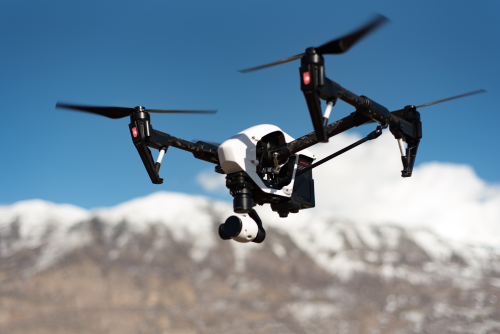
A drone portfolio is not just a gallery of your best shots. It is a sales tool that tells buyers what kind of problems you solve, how reliably you work, and why your service is worth paying for. If you want to build a drone portfolio without looking generic or undercutting your value, the goal is simple: show useful proof, not just attractive footage.
Quick Take
A strong drone portfolio does not try to impress everyone. It helps the right client quickly understand your niche, your deliverables, your working standards, and the business outcome you can support.
Key points
- Generic highlight reels attract price shoppers because they give buyers nothing concrete to compare except cost.
- A better portfolio is organized around services, industries, and outcomes, not just “cool shots.”
- Case studies usually sell better than random clips because they show context, constraints, deliverables, and results.
- You do not need dozens of paid clients to start. Spec work, self-initiated projects, and carefully chosen collaborations can build a credible portfolio if you label them honestly.
- Avoid low-value signals like bargain pricing, messy service lists, unsafe footage, and weak filler shots.
- Commercial clients often care about reliability, turnaround time, compliance, permissions, insurance, privacy, and communication as much as visual quality.
- Your portfolio should make it easier to hold your rate, not force you into explaining why you are more expensive than someone with a cheaper drone and a social media reel.
Why most drone portfolios feel interchangeable
A lot of drone portfolios look the same for one reason: they are built for other pilots, not for buyers.
Pilots notice smooth reveals, cinematic color, low passes, and perfect orbit shots. Clients notice something else:
- Does this operator understand my type of project?
- Can they deliver what I actually need?
- Will they be safe, legal, and easy to work with?
- Can I trust them with time-sensitive work or brand-sensitive work?
- Are they charging for real business value or just trying to win on price?
If your portfolio is mostly sunsets, random city shots, waterfalls, rooflines, and fast edits with no explanation, it may look good but still feel generic. That pushes clients toward the easiest comparison available: price.
The fix is not “more footage.” The fix is better positioning.
Start with the work you want more of
Before you build pages, reels, or case studies, decide what you want the portfolio to attract.
You do not need to be ultra-niche on day one, but you do need some structure. A portfolio that says “I do everything” usually reads as “I have not done much of anything consistently.”
Choose one to three service lanes
A good starting point is to pick one to three lanes based on both demand and your actual ability to deliver.
Examples:
- Real estate marketing
- Hospitality and tourism content
- Construction progress documentation
- Roof, facade, or site inspections
- Events and destination coverage
- FPV walkthroughs for commercial spaces
- Agricultural imagery
- Mapping, surveying, or site visualization
- Brand and tourism social content
These are not just “styles.” They are different businesses with different expectations.
A hotel buyer may want polished short-form video, lifestyle stills, and brand consistency.
A construction manager may want repeatable site coverage, predictable intervals, and clean labeling.
An inspection client may care more about clarity, safety, reporting, and access planning than cinematic editing.
Position by outcome, not just by drone type
Clients rarely wake up wanting “a drone operator.” They want a result.
Better positioning sounds like this:
- Aerial photo and video for property marketing
- Repeatable construction progress updates for teams and stakeholders
- FPV interior fly-throughs for gyms, retail spaces, and venues
- Drone content packages for travel brands and resorts
- Site imagery for inspections and maintenance planning
That tells people where you fit.
Build a portfolio buyers can actually evaluate
A high-value portfolio should be easy to scan and easy to understand. It should reduce uncertainty.
Here is a practical structure that works well for many drone service businesses:
| Portfolio element | What it does | What to include |
|---|---|---|
| Hero reel | Creates a strong first impression | Short, polished reel showing your best work across your chosen lanes |
| Service or industry pages | Helps buyers self-identify | Separate sections for real estate, FPV, construction, tourism, inspection, or other focus areas |
| Case studies | Proves repeatable value | Project goal, constraints, deliverables, timeline, and outcome |
| Proof of process | Builds trust | Turnaround, communication steps, editing workflow, delivery formats |
| Compliance and risk signals | Reduces buyer anxiety | Insurance status if applicable, permission awareness, safe operating standards, privacy sensitivity |
| Contact and quote path | Converts interest into action | Clear next step, project brief form, response expectations |
A portfolio is strongest when it answers both creative and operational questions.
Stop leading with “best shots” and start leading with proof
A beautiful reel can get attention. It usually does not close work on its own.
What closes work is evidence that you can solve a specific type of problem.
What buyers want to see
For each featured project, try to show some version of:
- The client type or project type
- The objective
- The shooting environment
- The deliverables
- The constraints
- The result
For example:
- “Boutique hotel launch campaign”
- Goal: create 15-second vertical clips, hero stills, and a landscape brand edit
- Constraint: active guests on-site, limited shooting window, changing weather
- Deliverables: 20 edited photos, 4 short vertical videos, 1 website hero edit
- Outcome: content delivered in 72 hours for launch week
That says much more than a reel clip ever can.
Even better: show the decision-making
If you want to look premium, show that you think like a professional, not just an operator.
Examples:
- Why you chose sunrise instead of midday
- Why FPV was better for an indoor venue walkthrough
- Why repeated waypoints or consistent vantage points mattered for a progress shoot
- Why you kept wider standoff distances for a dense public area
- How you handled noise, privacy, or access restrictions
This does not need to be long. A few sentences can completely change how your work is perceived.
Show range without becoming generic
Many pilots make one of two mistakes:
- They show only one style and look too limited.
- They show everything they have ever shot and look unfocused.
The sweet spot is curated range.
A useful portfolio mix
Aim for three levels of proof:
Hero work
This is your strongest visual work. It helps people remember you.
Keep it selective.
Repeatable service work
This proves you can do the same quality more than once. It matters more than one lucky project.
Examples:
- three property shoots
- two commercial FPV walkthroughs
- several construction update sets from different stages
- multiple tourism or hospitality projects
Contextual proof
This shows you can handle different environments or constraints without diluting your niche.
Examples:
- coastal wind
- dense urban takeoff planning
- remote location logistics
- low-light delivery
- active site coordination
- indoor FPV route planning
That feels more credible than simply dumping 40 clips into one page.
If you do not have clients yet, build with spec work the right way
You do not need to wait for perfect paid jobs before building a serious portfolio. But you do need to avoid pretending personal work was commercial work.
Spec work means self-initiated work created to demonstrate capability. It can be highly effective if you treat it like a real assignment.
How to make spec work look credible
- Pick a realistic business use case.
- Write a simple brief before you shoot.
- Create deliverables that match that use case.
- Present the project with clear labeling.
For example:
- “Self-initiated real estate sample shoot”
- “Practice hospitality campaign concept”
- “Spec FPV walkthrough for a training facility”
The key is honesty. Do not imply a brand hired you if they did not.
Better than random practice footage
Instead of filming whatever is nearby, build mini-projects.
Good examples:
- A local cafe exterior and neighborhood context shoot
- A gym or showroom FPV walkthrough with a mapped route
- A mock construction progress set shot from consistent positions over time
- A resort-style social campaign concept for a legal public location
These feel purposeful and help buyers imagine hiring you.
Be careful with free work
Free work can help early on, but it can also damage your positioning if you are not deliberate.
If you choose to do unpaid or low-cost starter projects:
- keep the scope narrow
- define deliverables clearly
- ask for permission to feature the work
- request a testimonial if the client is happy
- treat it like a one-time portfolio builder, not your default rate
Free work should buy experience, proof, or access. It should not become your business model.
Use case studies to justify value
If there is one upgrade that makes a drone portfolio instantly less generic, it is case studies.
A case study turns “here is footage” into “here is how I work.”
A simple case study format
Use this structure for each featured project:
1. Client or project type
You do not always need to name the client publicly, especially if the work is sensitive. You can describe the type.
Examples:
- luxury villa listing
- retail showroom
- industrial rooftop inspection
- resort social campaign
- mixed-use construction site
2. Objective
What problem needed solving?
Examples:
- create listing media before launch
- capture a full-space walkthrough without handheld transitions
- document progress for remote stakeholders
- build social-first travel assets across formats
3. Constraints
This section adds credibility fast.
Examples:
- short weather window
- active workers on site
- limited access times
- privacy-sensitive environment
- crowded public surroundings
- tight turnaround for campaign launch
4. Deliverables
Be specific.
Examples:
- 25 edited aerial stills
- 1 sixty-second brand video
- 6 vertical short-form clips
- 1 full FPV walkthrough
- monthly progress photo set
- annotated imagery for review
5. Outcome
Use measured facts when possible.
Examples:
- delivered within 48 hours
- created consistent visual references for three project updates
- gave marketing team both vertical and landscape formats
- reduced need for repeat site visits
- supported pre-launch content calendar
If you do not have hard performance data, do not fake it. Operational outcomes are still valuable.
6. Your role
Say what you handled:
- planning
- flight operations
- edit
- color
- sound design
- shot list development
- location coordination
This helps clients understand what they are actually buying.
Your portfolio should support your pricing, not sabotage it
A common reason drone operators undercut themselves is that their portfolio leaves too much unsaid. When buyers cannot see value, they assume the job is simple.
What makes a portfolio feel cheap
- no context around the work
- mixed quality levels
- bargain language
- too much focus on gear
- vague service descriptions
- no mention of deliverables or turnaround
- no operational professionalism
What makes a portfolio support higher rates
- clear service categories
- visible repeatability
- project context
- buyer-relevant outcomes
- professional workflow
- reliable communication expectations
- signs that you understand permissions, timing, and operational risk
Avoid pricing traps
You do not have to publish rates to look professional.
In fact, many operators are better off not listing hard prices until they know:
- flight complexity
- location restrictions
- access and travel requirements
- deliverables
- editing scope
- revision expectations
- licensing or usage needs
- crew requirements
- timeline pressure
If you do publish pricing, use it carefully. A “from” price can help qualify leads, but only if the scope is clearly limited.
For many drone services, it is smarter to describe what drives pricing than to post a flat bargain number.
For example, explain that quotes depend on:
- pre-production and planning
- on-site flight time
- post-production
- travel
- permits or special access coordination where required
- urgency
- output format and usage rights
That frames the service as a professional workflow, not a cheap flight.
What to put on the page besides images and video
A good portfolio has visual proof, but it also has decision-making proof.
Useful trust signals
Include the items that matter for your kind of work:
- service area or travel availability
- typical turnaround window
- deliverable formats
- revision process
- project inquiry process
- experience in certain environments or sectors
- insurance status, if you carry it and it is relevant to buyers
- crew or production support capability
- post-production services
- privacy-sensitive or brand-sensitive workflow awareness
Be careful not to overstate. Only present capabilities you can consistently deliver.
Keep equipment in its place
Some clients will ask what you fly. Most do not hire based on the model name alone.
Gear can support credibility, but it should not be the headline unless your market truly cares, such as high-end cinema, specific sensor work, or technical surveying.
Your main message should be:
- what you produce
- how you work
- what problems you solve
- why your process is dependable
Compliance, safety, and operational risk belong in the portfolio
This is where many drone portfolios accidentally hurt their own credibility.
Commercial buyers may not know all aviation rules, but they know risk when they see it. If your portfolio is full of shots that look reckless, too close to crowds, intrusive, or obviously taken from questionable locations, you may lose serious work even if the footage looks dramatic.
What to handle carefully
Depending on where you operate, commercial drone work may involve rules or permissions related to:
- pilot certification or operator registration
- airspace restrictions
- protected sites or parks
- events and venue rules
- property owner or site permissions
- privacy and personal data
- insurance expectations
- night operations or visual line-of-sight limits
- local filming restrictions
Requirements vary widely by country, region, city, and site type. Verify the rules that apply with the relevant aviation authority, airspace manager, venue, landowner, park authority, or local government before flying.
What this means for your portfolio
Do:
- show that you plan responsibly
- mention that projects are carried out in accordance with applicable local rules and permissions
- demonstrate respect for people, property, and privacy
- highlight site coordination when relevant
Do not:
- feature obviously unsafe crowd flights
- imply that risky shots are standard practice
- present restricted or sensitive-location footage without confirming you had the right authority
- use portfolio examples that encourage unlawful or intrusive behavior
A good portfolio reassures buyers that you are creative and controlled.
Common mistakes that make a drone portfolio look generic or low-value
1. Putting everything into one flashy reel
A reel is useful, but if it is the only thing a client sees, they have no way to judge fit.
2. Mixing unrelated services with no structure
Real estate, weddings, inspections, FPV, mapping, agriculture, and cinematic tourism content all on one page can make you look scattered unless clearly organized.
3. Padding the portfolio with average work
Ten excellent projects beat forty forgettable ones.
4. Leading with gear instead of outcomes
Clients buy results, not your shopping list.
5. Copying trends too closely
If your edit, captions, pacing, and music choices feel interchangeable with thousands of social reels, your work becomes harder to remember.
6. Hiding whether work was paid, spec, or personal
This creates trust issues. Label portfolio work honestly.
7. Showing no process
Without deliverables, timelines, or case context, buyers assume the job is simple and compare you on price alone.
8. Using cheap language to win inquiries
Phrases like “lowest rates,” “budget drone work,” or “affordable aerials for everyone” may increase weak leads and reduce better ones.
9. Ignoring mobile viewing
Many buyers will first see your portfolio on a phone. If it loads slowly, crops badly, or buries the contact path, you lose momentum.
10. Featuring risky or non-compliant footage
This can make experienced clients walk away immediately.
A practical 30-day portfolio build plan
If your current portfolio feels generic, you do not need to rebuild your whole business at once. Start with this sequence.
Week 1: Choose your positioning
- Pick one to three service lanes
- Write a one-sentence value statement for each
- Remove services you do not really want or cannot yet deliver well
Week 2: Audit your footage
Sort your media into:
- hero work
- repeatable client-fit work
- weak filler to archive
- gaps you need to shoot
Be ruthless. If a clip only looks good because of the music, it probably is not portfolio material.
Week 3: Build three case studies
Start with your strongest relevant projects.
For each one, add:
- project type
- objective
- constraints
- deliverables
- outcome
Even short case studies make a big difference.
Week 4: Add trust and conversion elements
Add:
- service pages or categories
- turnaround expectations
- inquiry form or contact path
- compliance and professionalism language
- clear labeling of spec or self-initiated work
That is often enough to transform a generic portfolio into a sales asset.
FAQ
How many projects should a drone portfolio include?
Usually fewer than you think. Five to ten strong, relevant projects often outperform a huge mixed gallery. Focus on quality, fit, and clarity.
Should I put my drone rates on my portfolio?
Only if the scope is highly standardized. For many drone services, fixed public pricing creates problems because location, permissions, editing, travel, and deliverables can change the workload significantly.
Can I use spec work in a professional portfolio?
Yes, as long as you label it honestly and present it like a real assignment. Spec work is especially useful when it demonstrates a clear business use case.
Do clients care more about a reel or case studies?
A reel gets attention. Case studies build trust. If you want better-fit clients and stronger pricing conversations, case studies usually matter more.
Should I separate FPV work from standard aerial work?
Usually yes. FPV and traditional drone content often serve different clients, shooting environments, and expectations. Separate sections make your offer easier to understand.
What if I offer both creative work and technical services like mapping or inspection?
Keep them clearly separated. Different buyers want different proof. A marketing client wants visuals and brand fit. A technical client wants repeatability, clarity, and operational discipline.
How often should I update my portfolio?
Review it at least every quarter. Remove weaker work as your standard improves, and update sooner if your niche or service offering changes.
Do I need to mention insurance or legal compliance?
If it matters in your market, yes. You do not need to overshare paperwork, but showing that you understand local rules, permissions, safety, and privacy can strengthen client confidence.
The standard to aim for
The best way to build a drone portfolio without looking generic or undercutting your value is to make it easier for a buyer to say, “This operator understands my project.”
That means less random spectacle, more relevant proof. Pick your lanes, show outcomes, explain your process, and present your work like a business service rather than a collection of drone clips. When the portfolio does that, pricing becomes a value conversation instead of a race to the bottom.