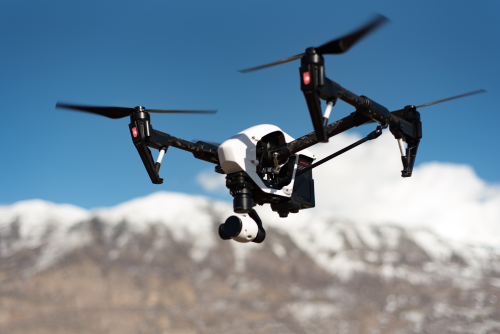
Figuring out how to choose hard cases for your drone without wasting money is mostly about matching protection to real risk. Many pilots buy a giant waterproof rolling case because it looks professional, then discover it is too heavy for travel, awkward in the field, and full of unused space. The right case is the smallest one that protects your actual kit, fits how you move it, and does not slow down your workflow.
Quick Take
If you want the short answer, use this logic:
- Buy for your transport risk, not for worst-case fear.
- Size the case around your current working kit, plus a little growth room, not every accessory you might someday own.
- Pay as much attention to the interior layout as the shell itself.
- For most solo pilots, empty weight matters almost as much as protection.
- Custom foam is great for stable kits, but divider systems are better for gear that changes often.
- Waterproof claims are useful, but latch quality, seal quality, and hinge strength matter more in day-to-day use.
- If you travel by air, check airline and local rules for batteries, carry-on limits, and drone transport before the trip.
- Many pilots are better served by two solutions: a protective transport case and a lighter field bag.
Key Points
- A hard case is most valuable when your drone faces impact, pressure, dust, moisture, shared transport, rough job sites, or checked baggage risk.
- It is often overkill for casual local flying with a small foldable drone.
- The cheapest bad purchase is usually a case that is too big. The most expensive bad purchase is a premium case that does not match your workflow.
- The best case is not the toughest case on the market. It is the one you will actually use correctly every time.
First question: do you even need a hard case?
This is where most wasted money starts.
A hard case makes sense if your drone regularly rides in:
- car trunks with other gear
- pickup beds, vans, or work vehicles
- boats or wet environments
- shared crew transport
- busy commercial sites
- airline baggage systems
- dusty, muddy, or rough field conditions
It also makes sense if your kit includes fragile, expensive, or hard-to-replace components, such as:
- interchangeable payloads
- external monitors or tablets
- smart controllers with exposed sticks or screens
- high-end lenses or filters
- enterprise accessories that are painful to inventory and replace
You may not need a hard case if you mostly:
- fly a compact folding drone close to home
- carry your kit on foot for long periods
- hike, bike, or travel light
- keep the drone in a cabin bag or backpack under your control
- change your gear setup all the time and need flexibility more than maximum rigidity
For many hobbyists and travel creators, a good backpack or padded insert is enough. For many commercial operators and heavier travelers, a hard case is worth every bit of the extra size and cost.
Choose by transport risk, not by brand hype
Start with the actual abuse your gear needs to survive.
Low-risk transport
Typical use:
- home storage
- local car trips
- short walks to launch point
- no rough stacking or baggage handling
What you need:
- decent impact protection
- a stable interior layout
- basic dust and splash resistance
What you do not need:
- the heaviest shell on the market
- oversized wheels
- deep waterproofing claims for conditions you rarely face
Medium-risk transport
Typical use:
- frequent day trips
- event work
- creator travel
- mixed weather
- gear sharing with other equipment
What you need:
- stronger shell
- better latches
- a reliable gasket or seal
- comfortable carry handle or shoulder solution
- efficient internal organization
This is where many pilots should shop.
High-risk transport
Typical use:
- airline travel
- checked gear
- production vehicles
- marine environments
- remote or industrial jobs
What you need:
- excellent structural protection
- reliable sealing
- reinforced corners and hinges
- pressure equalization features for altitude changes
- secure lock points
- wheels if the case is large
This is the level where premium cases can make sense. It is also where empty weight becomes a serious issue.
Step 1: Build your kit list before you buy the case
Never start with the case. Start with the loadout.
Lay out everything you realistically need for a normal job or flying session:
- drone
- controller or radio
- batteries
- charger or hub
- props
- filters
- cables
- tablet or phone mount
- memory cards
- spare parts
- tools
- landing pad if you actually use it
- permits, checklists, or labels if relevant to your work
Now separate that into three groups:
Must live in the case
These are the non-negotiables you want protected every time.
Nice to have in the case
Useful, but not essential on every outing.
Better carried separately
Items that add bulk, weight, or inspection friction, such as larger chargers, laptops, reflective vests, or site paperwork.
This step stops you from buying a case for an imaginary mega-kit that you never carry.
Step 2: Buy the smallest case that fits the real kit
Bigger feels safer. Bigger usually wastes money.
A case with too much empty space creates problems:
- more weight
- more awkward transport
- more room for poor organization
- more temptation to overpack
- more airline friction
- more cost
A case that is too small is also frustrating. You will start forcing cables, removing sticks, or stacking items in ways that defeat the point of the case.
A good rule is to buy for your current kit plus modest growth room. Think enough space for:
- one or two extra batteries
- a small accessory upgrade
- cleaner layout spacing
Not enough space for:
- an entire future second drone
- every charger you own
- half your office
Practical sizing advice
- Make sure the drone fits without pressure on the gimbal area or antennas.
- Avoid layouts that require fiddly disassembly every single time.
- Leave room to remove items without digging with your fingertips.
- If you need to access batteries quickly in the field, give them a dedicated, easy-reach position.
Step 3: Pick the right interior, because that is where workflow lives
The shell gets the attention. The interior determines whether the case is a pleasure or a chore.
Interior types compared
| Interior type | Best for | Strengths | Tradeoffs |
|---|---|---|---|
| Pick-and-pluck foam | Budget buyers with stable kits | Cheap, easy to customize at home, snug fit | Can look rough, wears out, tears over time |
| Custom-cut foam | Stable professional kits | Best presentation, strong protection, fast inventory check | Expensive, inflexible when gear changes |
| Padded dividers | Evolving kits, mixed accessories, travel creators | Flexible, reconfigurable, easy to adapt | Slightly less locked-in protection than fitted foam |
| Hybrid layout | Most serious users | Strong support for core items with flexible accessory space | Often costs more, depends on good design |
When custom foam is worth it
Custom foam makes sense if:
- your loadout rarely changes
- you manage multiple identical kits
- fast visual inventory matters
- your drone and controller need exact support
- you work with clients and care about presentation
When custom foam wastes money
It is often the wrong move if:
- you are a beginner
- you are still adding accessories
- you switch drones often
- you fly FPV and change radios, props, action cameras, or tools regularly
A smart middle ground
Many pilots do best with a hybrid approach:
- foam support for the drone and controller
- divider space for batteries, chargers, cables, and accessories
That keeps the delicate parts secure without locking your whole future into one layout.
Step 4: Check the shell and hardware like a buyer, not a fan
Ignore vague “military-grade” marketing language unless the case’s actual design backs it up.
Focus on the parts that fail first.
Latches
Good latches should:
- close securely without feeling brittle
- open without tools
- stay reliable in cold, dust, and repeated use
- not flex like thin plastic clips
A strong shell with weak latches is not a strong case.
Hinges
Check hinge design and how supported it feels. A case opened and closed constantly in the field puts real stress here.
Seal or gasket
If the case claims water or dust resistance, inspect the seal quality and how evenly the lid closes. A seal only works when the case is clean, closed correctly, and not damaged.
Pressure equalization
If you travel by air or move between big altitude changes, a pressure equalization valve is worth having. It helps prevent the lid from becoming hard to open after pressure changes.
Handles and wheels
These seem secondary until the case is fully loaded.
Ask:
- Is the top handle comfortable with weight?
- Does it feel balanced when carried?
- Are the wheels useful or just extra bulk?
- Is the telescoping handle sturdy enough for repeated transport?
Lock points
If you travel, work with crews, or leave gear temporarily in staging areas, built-in lock points are useful. They are not a guarantee against theft, but they add friction against casual tampering.
Replaceable parts and support
For heavier use, a case with replaceable latches, wheels, handles, or foam can be more valuable than a slightly cheaper case that becomes disposable when one part breaks.
Step 5: Match the case style to how you actually fly
Not all hard cases solve the same problem.
| Case style | Best for | Main advantage | Main downside |
|---|---|---|---|
| Compact molded carry case | Small folding drones, local transport, home storage | Lightest hard-case option, simple, efficient | Limited expansion room |
| Medium protective case with flexible interior | Travel creators, freelancers, mixed-use pilots | Good balance of protection and adaptability | Can become cluttered if overpacked |
| Large rolling hard case | Bigger kits, enterprise gear, crew work | Excellent protection, easier heavy transport | Heavy, bulky, poor for stairs and strict travel limits |
| Production-style custom foam case | Stable commercial or team workflows | Fast inventory, polished presentation, repeatable setup | Expensive and less future-proof |
Which buyers usually fit each style?
Beginner with a foldable camera drone
Buy a compact case or flexible medium case. Do not start with a giant roller.
Travel creator
Prioritize size, carry comfort, and inspection-friendly organization. A smaller hard case often beats a tougher but oversized one.
FPV pilot
Choose flexibility. FPV kits change fast, and batteries, tools, goggles, and radios create awkward shapes. Dividers often beat rigid foam.
Commercial operator or enterprise team
A heavier rolling case with stable, repeatable layout may save time and prevent costly mistakes, especially with standardized kits.
Step 6: Think about workflow, not just protection
The best-protected case can still be the wrong buy if it slows you down.
Ask yourself:
- Can you set up and pack down quickly?
- Can you reach batteries without unloading half the case?
- Can you inspect your kit at a glance?
- Can another crew member understand the layout?
- Can you open it in a tight vehicle, on a small table, or on the ground without everything falling out?
A hard case should reduce friction. If it turns every launch into a packing puzzle, it is not the right case.
One big case vs two smaller solutions
A lot of pilots waste money trying to make one case do everything.
A more efficient setup is often:
- A protective hard case for transport and storage
- A lighter bag, sling, or compact field setup for actual flying
This is especially true for:
- travel creators
- wedding and event shooters
- inspectors moving between quick launch points
- pilots who hike from parking to takeoff area
Step 7: Know where the extra money actually matters
Spend more on:
- trustworthy latches
- strong hinges
- good seal design
- practical interior layout
- carry comfort
- support and replacement parts if you use it heavily
Spend less on:
- oversized capacity you will not use
- brand prestige alone
- cosmetic extras
- extreme spec claims beyond your real use
- custom foam before your kit is stable
If the case budget starts crowding out more important purchases, pause. In many situations, spare batteries, propellers, charging safety, data storage, and insurance create more real value than a premium case upgrade.
Travel, battery, and compliance realities to keep in mind
A hard case protects gear, but it does not remove travel or operating responsibilities.
Air travel
Policies vary by airline, route, and local authority, so verify before you fly.
Important points to check:
- whether your drone can travel as carry-on or checked baggage
- size and weight limits for cabin bags
- how spare lithium batteries must be packed
- watt-hour limits or quantity limits for battery transport
- whether smart controllers, power banks, or chargers have separate restrictions
In many cases, spare lithium batteries need special handling and are expected to travel in the cabin with terminals protected, not loosely packed in checked baggage. Verify the rules that apply to your airline and departure country.
Border and customs friction
Some countries restrict drone import, temporary entry, or operational use. A hard case does not solve that. Before international travel, confirm:
- whether you can bring the drone into the country
- whether it must be declared
- whether permits or registration apply
- whether local flying rules limit where you can operate
Battery safety
Do not treat a sealed hard case as a magic battery box.
Good habits:
- never store swollen or damaged batteries in your drone case
- avoid leaving batteries in hot vehicles
- let wet gear dry fully before sealing it
- use battery terminal protection where needed
- store batteries at appropriate charge levels when not in use for longer periods
Waterproof does not mean abuse-proof
A sealed case can still fail if:
- the gasket is dirty
- the lid is not fully latched
- the seal is worn
- the case takes a hard impact
- moisture gets trapped inside before you close it
Hard cases protect against impact and environment exposure. They do not protect you from poor handling habits.
Common mistakes people make when buying drone hard cases
1. Buying for the biggest future kit imaginable
If your current drone is compact, do not buy a giant case because you “might upgrade later.” By the time you upgrade, your needs may be totally different.
2. Ignoring empty weight
Some premium cases feel amazing in the shop and miserable after a long walk, stairs, or airport transfer.
3. Choosing custom foam too early
If your controller, charger, filters, or accessories are still changing, locked-in foam quickly becomes outdated.
4. Forgetting the field setup process
A beautiful layout is useless if you must remove ten items just to reach one battery.
5. Storing wet or sandy gear inside
Salt, sand, and trapped moisture do long-term damage. Dry and clean the kit before sealing it up.
6. Treating the case as theft protection
A lockable case helps, but it does not make expensive drone gear safe to leave unattended.
7. Paying for maximum waterproofing when you mostly need impact protection
If your drone lives in a car, office, or local backpack workflow, top-tier environmental sealing may not be the feature that changes your life.
A simple buying framework you can use in 10 minutes
If you want a fast way to choose, do this in order:
- List your real flying kit.
- Mark what must be protected inside the case.
- Decide your highest normal transport risk: local car travel, regular field use, or airline/crew transport.
- Choose the smallest case that fits that kit cleanly.
- Pick dividers if your setup changes often, or fitted foam if it rarely changes.
- Check latch quality, hinge strength, seal quality, and carry comfort.
- Compare the case’s empty weight to how far you actually carry it.
- If still unsure, buy slightly smaller and slightly more flexible.
That last point prevents a lot of buyer regret.
FAQ
Is a hard case better than a drone backpack?
Not always. A hard case is better for impact protection, stacking, rough transport, dust, and moisture. A backpack is usually better for walking, hiking, quick access, and lighter travel. Many pilots eventually use both.
Do I need a waterproof hard case?
Only if your real use justifies it. If you work around boats, beaches, wet weather, mud, or exposed vehicles, it can be worth it. If your drone mostly travels from home to car to launch point, strong impact protection may matter more than maximum sealing.
Is custom foam better than pick-and-pluck foam?
Usually, yes, but only when your kit is stable. Custom foam looks better, supports gear more precisely, and speeds up inventory checks. Pick-and-pluck is cheaper and more flexible, but it tends to wear and look rougher over time.
Can I check my drone in a hard case on a flight?
Sometimes, but the real issue is usually the batteries. Drone shells and some equipment may be checkable, but spare lithium batteries often have stricter cabin and packing rules. Always verify airline and local transport requirements before travel.
Should batteries live in the same case as the drone?
They can, if the layout is secure and the batteries are in good condition, properly protected, and not being stored unsafely. But do not pack damaged packs, loose terminals, or overheated batteries in a sealed case. For longer-term storage, follow good battery storage practices rather than just closing the lid and forgetting them.
How much extra room should I leave in a hard case?
A little, not a lot. Enough for easier handling and perhaps a small accessory upgrade, but not so much that the case becomes oversized and inefficient. If there is lots of unused volume, you probably bought too big.
Are rolling hard cases worth it for drone pilots?
Yes, for bigger kits, enterprise gear, or frequent transport over smooth surfaces. No, if your drone is small, you use stairs often, or you need a cabin-friendly setup. Wheels are helpful only when they solve a real transport problem.
How long should a good drone hard case last?
For casual users, many years. For frequent commercial users, lifespan depends on travel intensity, environmental exposure, latch wear, wheel wear, and how well the seal is maintained. Inspect latches, hinges, foam, and seals regularly, especially before travel or job-critical use.
Final takeaway
The smartest way to choose a hard case for your drone without wasting money is simple: buy for your real kit, your real transport risk, and your real workflow. If a case is bigger, heavier, or more specialized than your routine demands, it is probably not a better buy. Pick the smallest protective case that you will use consistently, and spend the rest of your budget on the gear and habits that actually improve your flying.