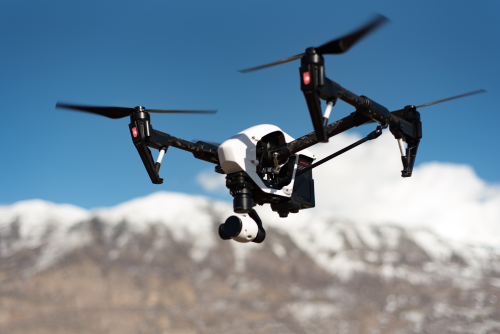
If you’re trying to figure out how to choose landing pads for your drone without wasting money, ignore the giant printed “H” and think about the ground you actually launch from. A landing pad is useful when it keeps sand, dust, wet grass, mud, or gravel away from your props, motors, and gimbal, the camera stabilizer under the drone. Buy the wrong one and it becomes a bulky disc you stop carrying after two trips.
For most pilots, the best landing pad is not the biggest or the most branded one. It is the one that matches your drone’s size, packs easily, stays put in wind, and solves a real field problem.
Quick take
- You do not automatically need a landing pad just because you own a drone.
- A pad earns its keep if you regularly launch from sand, dust, loose gravel, wet grass, snow, muddy ground, or messy job sites.
- For most mini and mid-size foldable camera drones, a matte 55 to 75 cm pad is the practical sweet spot.
- A good rule is to choose a usable landing area about 1.5 to 2 times your drone’s prop-to-prop span.
- Stability matters as much as size. A pad that flips, curls, or slides is not a good buy.
- Matte, easy-clean surfaces are usually better than glossy ones that create glare.
- Bigger is not always better. If it does not fit your bag, you will stop bringing it.
- A landing pad can reduce dirt and moisture problems, but it does not make a bad launch site safe, legal, or suitable.
Start with the real question: do you actually need one?
A lot of drone buyers waste money because they treat a landing pad like a mandatory accessory. It isn’t.
If you mostly fly from clean, flat, debris-free pavement or other hard surfaces with plenty of clearance, you may not need a dedicated pad at all. Many pilots can fly for a long time without one.
But there are specific situations where a landing pad stops being optional and starts becoming genuinely useful.
When a landing pad is worth buying
A pad makes sense if you often fly from:
- Beaches or dry sandy areas
- Dusty trails, dirt lots, or gravel pull-offs
- Wet grass, especially early morning grass with dew
- Muddy or post-rain ground
- Snow or slushy surfaces
- Agricultural fields, construction sites, or industrial yards
- Client locations where you need a cleaner, more controlled setup
In those environments, a landing pad helps reduce:
- Dust and grit kicked into motors
- Sand blown toward the camera and gimbal
- Moisture picked up from grass or soft ground
- Small stones or debris getting pulled into the takeoff area
- Dirt transfer into your case, vehicle, or backpack
When you can probably skip it
You can usually save your money if all of this is true:
- You launch from clean, stable surfaces most of the time
- Your drone does not routinely face loose sand or fine dust
- Your locations already have safe takeoff spots
- You do not want to carry extra gear
- You are buying a pad because it “looks like something drone pilots should have,” not because your workflow needs it
That last point matters. Accessories become clutter fast. If the pad does not solve a repeat problem, it is probably not a smart purchase.
The buying criteria that actually prevent regret
Most landing pads are marketed the same way: foldable, waterproof, high visibility, double-sided, universal. That does not tell you whether the pad is right for your drone or your operating style.
These are the criteria that matter.
1. Size: use a simple rule, not the product photo
Size is where many pilots go wrong. They either buy too small to be useful or too large to carry.
Ignore dramatic product photos. Use a simple sizing rule:
- Measure or check your drone’s approximate prop-to-prop span.
- Choose a pad with a usable landing area about 1.5 to 2 times that span.
- Go one size larger if you often land in wind, uneven terrain, or dusty conditions.
That “usable landing area” is important. Some pads list a large overall diameter, but the flat center area is smaller because of wide seams, edge rings, or bulky printing.
Practical size guide
| Drone class | Usually enough | Better if conditions are rough |
|---|---|---|
| Mini-class camera drones | 40 to 55 cm | 55 to 75 cm |
| Mid-size foldable camera drones | 55 to 75 cm | 75 cm or larger |
| 3-inch to 5-inch FPV drones | 55 to 75 cm | 75 cm if the field is dusty |
| Enterprise foldable drones | 75 to 110 cm | 110 cm or a heavier mat |
| Larger cine or specialty rigs | 110 cm and up | Site-specific setup |
These are not hard rules. The point is to match pad size to prop span, landing accuracy, and ground conditions.
The sweet spot for most buyers
If you own a small or mid-size foldable camera drone and want one landing pad that works for travel, hobby flying, and occasional paid work, 55 to 75 cm is usually the safest buying zone.
Why that range works:
- Big enough to create real separation from dirt and grass
- Small enough to fit many bags and luggage setups
- Easier to secure than oversized, sail-like pads
- Useful across multiple drone sizes if you upgrade later
2. Material: fabric, rubberized, or rigid
Landing pad material changes everything: how flat it lies, how it handles wind, how easy it is to clean, and whether you will actually carry it.
Foldable fabric pads
These are the most common. Usually they use a thin synthetic fabric with a flexible spring frame.
Best for:
- Travel creators
- Hobby pilots
- Everyday consumer drone use
- People who want low bulk
Pros:
- Light and easy to pack
- Usually the most affordable option
- Good enough for many casual and prosumer workflows
- Fast to deploy
Cons:
- Can flap or lift in rotor wash if not secured
- Cheaper versions wrinkle, curl, or refuse to lie flat
- Stitching and edge loops can wear out
- Thin material does less on very soft mud or snow
Good buy if: you want a practical all-round pad and you fly with compact gear.
Rubberized or weighted mats
These are heavier, lower-profile, and usually more stable on the ground.
Best for:
- Job sites
- Vehicle-based operators
- Repeated commercial use
- Windier environments
Pros:
- More stable without constant fuss
- Easier to wipe clean
- Less likely to become airborne
- Often feels more professional on client sites
Cons:
- Heavier and bulkier
- Less travel-friendly
- Can take more space in a gear case
Good buy if: you work from messy sites and the pad lives in a vehicle or operations kit, not a small backpack.
Rigid panels or boards
These are less common for casual pilots but useful in specific conditions.
Best for:
- Snow
- Mud
- Very soft ground
- Repeat operations from the same type of terrain
Pros:
- Creates the cleanest, flattest surface
- Useful where fabric pads sag or get dirty fast
- Better barrier on soaked or unstable ground
Cons:
- Bulky
- Awkward for travel
- Overkill for most casual flyers
Good buy if: you have a repeatable professional use case and a standard foldable pad keeps failing.
3. Stability: if it moves, it is a bad landing pad
This matters more than many pilots realize.
A landing pad that slides, lifts, or folds onto itself is not just annoying. It can put loose material back into the rotor wash right when you are trying to take off or land.
What to look for
- Reinforced stake or tie-down points
- Enough surface weight to stay flat
- Low tendency to curl at the edges
- Clean, simple design without floppy attachments
What to avoid
- Ultra-thin pads that behave like a kite
- Weak loops that tear after a few uses
- Pads that only work in still air
- Accessories that create extra loose objects around props
If you regularly fly in open coastal areas, fields, or exposed job sites, anchoring matters almost as much as pad size.
A practical rule: if you know you will not or cannot secure the pad, buy a heavier style or rethink whether a fabric pad is the right choice.
4. Surface finish and color: visibility matters, glare does not
The color of a landing pad is mostly about visibility for you and your crew, not magic performance.
What color actually helps
High-contrast colors are useful because they make the landing zone easy to identify on grass, dirt, or mixed terrain. That is why so many pads use orange, blue, or bright two-sided designs.
That said, the color itself is not the feature. The real feature is whether you can quickly see the pad in your environment.
Matte is usually better than glossy
A matte surface is usually a safer choice than a shiny, reflective one because:
- It is easier to see in strong sun
- It reduces glare for the pilot
- It tends to be a better visual reference than slick, mirror-like material
Some drones use downward vision sensors or visual positioning systems to help stabilize close to the ground. These systems generally work best when the surface has visible texture and is not overly reflective. Do not assume a glossy pad improves automated landings. If you rely on automated or precision landing behavior, verify what your aircraft manual says and be ready to land manually.
The printed “H” is mostly cosmetic
It can help humans identify the center, but it is not a technical feature. Do not pay more just because the design looks “official.”
5. Portability: the best pad is the one you will actually pack
This is where oversized landing pads lose.
A 110 cm pad may look impressive, but if you fly with a small backpack, public transit, hiking kit, or airline luggage, it may stay home. That means it delivers zero value.
Ask these questions before buying
- Does it fit inside or outside my current drone bag?
- Is the folded size realistic for how I travel?
- Can I deploy and repack it quickly?
- Will I still bring it on casual flights, not just planned shoots?
If the answer is no, buy smaller.
For travel creators and hobby pilots, convenience is often more valuable than maximum surface area. A slightly smaller pad that gets used every week is a better purchase than a giant one that never leaves the closet.
6. Durability and cleanup: landing pads live on the ground
This is one accessory where premium marketing matters less than basic toughness.
Look for
- Strong stitching around the outer ring
- Reinforced anchor points
- Material that wipes clean easily
- A surface that does not hold sand and mud in deep texture
- Edges that stay intact after folding
Red flags
- Fraying after light use
- Puckered seams
- Sharp or exposed frame edges
- Material that stains or peels easily
- A pad that never folds back into shape properly
If you fly around saltwater, beaches, or mud, cleanup matters more than appearance. A pad that traps grit will eventually transfer that mess into your bag and other gear.
7. Workflow fit: buy for the way you fly, not the way ads look
The same landing pad does not suit every pilot.
Which type fits which buyer
| Buyer type | Best fit | Skip this mistake |
|---|---|---|
| Travel creator with a mini drone | 40 to 55 cm or light 55 cm matte foldable pad | Buying a giant pad you will not pack |
| Hobbyist with a mid-size camera drone | 55 to 75 cm foldable pad with anchors | Going too small because it is cheaper |
| Beach or desert flyer | Larger 75 cm pad or a heavier mat | Expecting a tiny pad to beat blowing sand |
| FPV pilot | Visible 55 to 75 cm pad if you want cleaner starts or organized setups | Assuming you need a premium camera-drone pad for freestyle sessions |
| Real estate, inspection, or utility operator | Durable 75 to 110 cm pad that is easy to clean and secure | Choosing an ultralight travel pad for daily field work |
| Enterprise team or training provider | Standardized, durable pads across the fleet | Buying mixed sizes and styles that create confusion |
A note for FPV pilots
FPV pilots do not always need a traditional landing pad, especially for freestyle sessions on already-clean ground. But a pad can still help by giving you:
- A consistent arming and launch area
- Less dust around electronics
- A cleaner client-facing setup on paid shoots
- Better organization when multiple pilots are operating nearby
If you are mostly flying rough bando spots and carrying minimal gear, portability may matter more than premium material.
Safety, legal, and operational limits to know
A landing pad is a gear accessory, not a safety waiver.
It can help your takeoff area stay cleaner, but it does not make an unsafe location suitable for flight, and it does not change local rules.
What a landing pad will not fix
- Restricted or prohibited operating areas
- Site rules that ban takeoff or landing
- Crowded locations with people moving through your launch zone
- Overhead hazards such as lines, branches, or structures
- Strong wind
- Magnetic interference from nearby metal, vehicles, covers, or reinforced surfaces
- Poor visibility or low-light landing risk
- Loose debris outside the edge of the pad
That last point matters on beaches, dry dirt, and dusty lots. Rotor wash can still pull material from outside the pad. In those environments, a larger or heavier mat may help, but site choice still matters.
Good operating habits
- Set the pad in a clear area with a safe perimeter around it
- Secure it before powering on the drone
- Keep loose bags, jackets, and accessories away from the prop wash
- Check the surrounding ground, not just the pad itself
- Do not assume auto-landing or precision landing will be accurate on every surface or in every light condition
- If you are on private property, a job site, a park, or a venue, verify local operating rules before flight
- If you are traveling by air, verify airline and airport security rules for the pad, its frame, and any stakes or weights before packing
For commercial teams, also check whether the site’s own safety procedures require a marked takeoff area, exclusion zone, or specific setup method.
Common mistakes that waste money
Most landing pad regret comes from a few predictable buying errors.
Buying the biggest pad “just in case”
Oversized pads are hard to pack, harder to secure, and often unnecessary for compact drones. A pad that stays home is wasted money.
Buying the cheapest thin fabric available
If it curls, lifts, or tears around the edges, you will replace it quickly. Cheap becomes expensive fast when you buy twice.
Confusing overall size with usable size
A big diameter listing does not always mean a big flat center. Look at how much real landing area you get.
Ignoring wind and anchoring
A pad that only works on calm days is not very practical. If you fly outdoors often, stability should be a core buying criterion.
Treating the landing pad as a cure-all
It reduces some dirt and moisture exposure. It does not solve a bad site, poor judgment, or unsafe conditions.
Choosing glossy over practical
Shiny finishes can look good online but be annoying in bright sunlight. Matte and textured surfaces are usually more useful in the field.
Buying for image instead of workflow
If you are flying a small travel drone from city viewpoints, hotel grounds where permitted, or clean hard surfaces, you may not need a large professional-style pad at all.
Not cleaning the pad
A dirty pad can carry sand, grit, plant matter, and moisture back into your bag. That defeats part of the reason for owning one.
FAQ
Do I need a landing pad for a mini drone?
Not always. If you mostly launch from clean, flat, debris-free surfaces, you can often skip it. A landing pad becomes much more useful if you frequently fly from sand, dust, wet grass, gravel, mud, or snow.
What size landing pad should I buy?
A good starting point is a pad with a usable landing area about 1.5 to 2 times your drone’s prop-to-prop span. For many compact consumer drones, 55 to 75 cm is the most practical range.
Are heavier mats better than foldable fabric pads?
Only if your workflow supports the extra bulk. Heavier mats are usually better for windy areas, repeated job-site use, and vehicle-based crews. Foldable fabric pads are better for travel, hiking, and casual flying.
Can a landing pad improve precision or automated landing?
Sometimes it can provide a clearer visual reference, but you should not depend on it. Lighting, surface texture, sensor limitations, and the drone’s own systems all matter. Always be ready to take over and land manually.
Can I travel with a drone landing pad on a plane?
Often yes, but policies vary. Check the airline and airport security rules before packing, especially if your pad has a spring frame, metal parts, stakes, or added weights. What works in one country or airport may be handled differently in another.
Is a DIY landing pad okay?
It can be, if it is flat, stable, clean, non-reflective, and free of loose edges or debris. Avoid materials that flap in wind, create glare, or shed fibers. A bad DIY surface can be worse than no pad.
Should FPV pilots use landing pads too?
They can help, especially in dusty fields, on commercial shoots, or when multiple pilots need a clear launch area. But not every FPV session requires one. The value depends on your terrain and how organized your setup needs to be.
Can I just hand-launch or hand-catch instead of buying a pad?
That is not a universal substitute. It depends on your aircraft, your skill, manufacturer guidance, local rules, and the specific environment. It is not the right answer for every pilot, and beginners should be especially cautious.
The smartest buy for most pilots
If you regularly fly from dirty, wet, sandy, or uneven ground, a landing pad is a smart accessory. If you mostly launch from clean hard surfaces, it may be optional.
For most people trying to avoid wasted money, the safest choice is simple: buy a matte, durable, easy-to-pack 55 to 75 cm pad with a stable design and a way to secure it. If your real-world flying does not need more than that, do not pay for extra size, flashy graphics, or “pro” marketing you will never use.