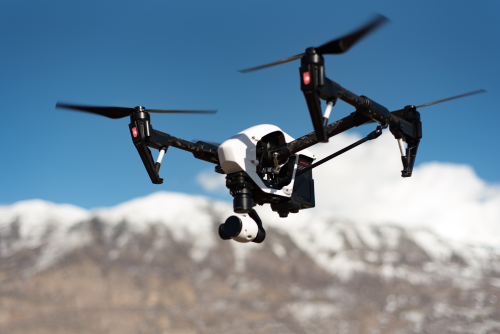
Choosing prop storage solutions for your drone without wasting money is less about buying the toughest case on the market and more about preventing a few specific problems: bent blades, chipped edges, mixed-up spare sets, and slow field swaps. For most pilots, the best setup is not the most expensive one. It is the simplest system that protects the props you actually carry, fits your case, and makes preflight inspection easy.
Quick Take
If you want the short version of how to choose prop storage solutions for your drone without wasting money, use this filter:
- Do not buy a dedicated prop storage product if your current drone case already keeps mounted propellers, usually shortened to props, from being crushed or rubbed.
- Buy the cheapest solution that prevents three failures:
- compression or bending
- nicks, dirt, and loose tools touching the blades
- mixing up prop sizes, directions, or worn sets
- Foldable camera drones usually do well with a fitted prop holder plus a properly sized carry case.
- FPV pilots usually need organized storage for multiple spare sets more than they need premium external protection.
- Commercial operators and teams benefit most from labeled, repeatable storage that separates new, used, and damaged props.
- If a prop has a crack, chip, white stress mark, hub damage, or obvious warping, replace it. Better storage does not make a damaged prop safe.
A simple rule: store props so they stay flat, clean, easy to inspect, and easy to identify. Anything beyond that should solve a real problem, not just look professional.
Why prop storage matters more than buyers expect
Props are cheap compared with a drone, a missed shoot, or a damaged reputation on a paid job. That is why poor storage becomes expensive in indirect ways:
- a folded blade takes a set from pressure in a bag
- a spare prop gets chipped by screws or batteries
- clockwise and counterclockwise props get mixed together
- used props get thrown back in with new ones
- field replacements take too long because nothing is labeled
At the same time, props are still consumables. They wear out, get replaced, and are not worth building an overly complex storage system around if you only carry one spare set in a backpack.
That is the balance: avoid false economy, but also avoid buying protection twice.
Signs your current setup is already good enough
If all of these are true, you may not need to buy anything else:
- mounted props sit naturally in the case with no pressure points
- spare props are stored flat or in their intended shape
- sharp tools, screws, and batteries cannot touch the blades
- you can separate new, used, and damaged props
- you can inspect them quickly before flight
If your current setup fails one or more of those tests, then it is time to upgrade.
The main prop storage options compared
Not every drone needs the same storage style. A foldable camera drone, a 5-inch FPV quad, and a larger professional platform have different risks and different workflows.
| Storage style | Best for | Strengths | Weak spots | Smart spending logic |
|---|---|---|---|---|
| Leave props mounted inside a fitted drone case | Foldable camera drones, casual hobbyists | Fastest setup, no extra parts to manage, low cost if the case was designed well | Bad if the lid presses on blades or arms; not ideal if props rub other gear | Best value when your case was clearly designed around the drone’s folded shape |
| Prop holder or strap on the folded drone | Travel creators, backpack carry, light day trips | Keeps mounted props tidy, reduces snagging, often very compact | Poorly fitted straps can bend blades or press on sensors, gimbal areas, or arms | Good low-cost upgrade if your drone already travels in a soft bag or compact case |
| Soft pouch for spare props | Casual pilots carrying one or two spare sets | Cheap, light, simple, easy to tuck into a bag | Limited crush protection, easy to mix prop types unless labeled | Best when spare quantity is small and the pouch sits inside a more protective bag |
| Hard or semi-rigid accessory case with prop compartment | Frequent travelers, aerial photographers, service providers | Better crush protection, cleaner organization, easier to separate sets | More bulk; can be redundant if you already use a hard case | Worth it if you drive long distances, fly paid jobs, or carry multiple prop sets |
| Divided parts box or organizer | FPV pilots carrying many sizes or pitches | Great for sorting by size, pitch, and direction; fast field access | Cheap boxes can crack; some dividers let props rub or bend | Usually the most efficient option for FPV rather than branded prop-specific cases |
| Labeled sleeves, bins, or fleet boxes | Enterprise teams, training fleets, maintenance rooms | Strong process control, easier inventory, clear new/used/damaged separation | More system than most solo pilots need | Worth paying for when several people touch the same aircraft and parts |
The biggest mistake buyers make here is assuming more protection is always better. In reality, the right answer depends on whether you are storing:
- props attached to the drone
- spare props only
- both mounted and spare props
That distinction changes everything.
A 6-step framework for choosing the right prop storage
1. Match the storage to your drone type and prop style
Start with the airframe and the shape of the props.
Foldable camera drones
Most compact camera drones are designed to travel with props attached. That means the most cost-effective solution is often:
- a properly fitted carry case
- a soft prop holder or retainer
- enough internal space that the blades are not forced into a tighter position than normal
What matters most is pressure management. If a strap or case lid bends the blades harder than their natural folded position, it may keep the kit tidy while quietly creating deformation.
Good fit looks like this:
- the props stay close to the body
- the holder keeps them from flopping around
- the case closes without forcing extra tension onto them
Bad fit looks like this:
- blades are twisted to make the case close
- the holder pinches them at sharp angles
- the drone’s arms or motors take side pressure from the holder
FPV drones
FPV means first-person view drones, typically with smaller, more numerous, and more frequently replaced props. Here, storage is less about the mounted set and more about spare inventory.
FPV pilots usually need:
- a way to separate sizes and pitches
- clear direction labeling if required by the prop set
- fast access during field repairs
- protection from tools, screws, battery straps, and dirt
A divided organizer, labeled pouch system, or simple field box often beats a “premium” branded storage case because the real problem is sorting and speed, not luxury cushioning.
Larger prosumer, cinema, or enterprise drones
If you fly a larger drone with more expensive props or specialty materials, storage needs go up. The hub area matters more, replacement cost rises, and transport vibration becomes a bigger issue.
In that case, prioritize:
- rigid separation
- secure hub protection
- clear labeling by aircraft
- a process for tracking new, installed, removed, and damaged props
If your manufacturer provides storage or transport guidance for those props, follow that first.
2. Decide whether you are protecting mounted props, spare props, or both
This sounds obvious, but it is where most wasted spending begins.
Mounted props only
If you rarely carry spares, you probably do not need a separate prop case. You need a case or bag that protects the whole drone properly.
Good options:
- a fitted case with enough clearance
- a prop holder to reduce movement
- a backpack compartment designed around your drone’s folded shape
Avoid extra spending unless your current transport method creates one of these issues:
- blades snag on zippers or dividers
- props sit against hard edges
- the bag compresses the top of the drone
- the drone shifts around in transit
Spare props only
If you remove props before storage or carry multiple replacement sets, focus on keeping spares:
- flat
- clean
- matched
- labeled
For most camera drone owners, a small pouch or accessory compartment is enough if the props are not being crushed. For FPV or commercial work, a more structured organizer usually pays for itself in time saved.
Both mounted and spare props
This is common for travel creators and service providers. In that case, think in layers:
- mounted props: secured to the drone for quick deployment
- spare props: stored separately so replacements stay pristine
That layered approach is usually cheaper and more practical than buying one oversized case intended to solve every problem at once.
3. Match the protection level to how you actually travel
Your storage needs are shaped more by transport conditions than by the prop itself.
Home storage
If the drone mostly lives on a shelf and goes to local flights in a car, a light solution is often enough. You mainly need to prevent dust, accidental knocks, and pressure from other gear.
Backpack or creator travel
If you hike, move fast through cities, or shoot while traveling, your storage needs change:
- props should not snag on fabric or straps
- spare sets should be easy to access without unpacking the whole bag
- your storage should add minimal bulk
This is where a fitted prop holder plus a slim spare-prop pouch usually makes more sense than a heavy hard accessory case.
Vehicle-based field work
If you work from a car or van, gear gets shaken, stacked, and reheated repeatedly. That makes semi-rigid or hard-compartment storage more valuable.
Watch out for long-term heat. Many drone props are plastic or composite, and sustained heat plus pressure can contribute to warping or stress over time. Do not leave props clamped or crushed inside a hot vehicle longer than necessary.
Air travel
Props themselves are usually less sensitive than drone batteries, but travel still adds uncertainty. Security screening, airport interpretation, and airline baggage handling can vary.
For air travel:
- pack props neatly, not loose with tools or metal hardware
- protect them from crushing if the bag will be heavily compressed
- keep spare sets easy to inspect during screening
- verify current airline and airport requirements before you travel, especially if checking gear
If you are traveling internationally, also verify the drone flight rules at your destination. Good prop storage does not reduce local legal or permit obligations.
4. Organize props by set, direction, and condition
A lot of prop-related waste is really an organization problem.
Storage should help you answer these questions instantly:
- Which props fit this aircraft?
- Which ones are unused?
- Which ones were removed after light use?
- Which ones are damaged and should not go back into service?
- Which direction or position do they belong to?
For camera drone pilots
Use separate small sleeves, labeled pockets, or marked dividers for:
- unused spare set
- lightly used emergency spare set
- damaged props waiting for disposal
If your aircraft uses direction-specific props, label that too. Do not rely on memory when you are rushing in the field.
For FPV pilots
Sort by:
- diameter
- pitch
- brand or model
- rotation direction if applicable
- material or intended use
Pitch is the shape and angle profile that affects how aggressively a prop moves air. Mixing sizes or pitches carelessly leads to confusion, tuning issues, and bad field decisions.
For teams
Team storage should separate by:
- aircraft tail number or internal name
- new stock
- issued stock
- removed but inspectable stock
- damaged or scrapped stock
That may sound excessive for a small business, but it prevents the classic mistake where a technician, pilot, or assistant grabs “a prop that looks right” from a mixed box.
5. Pay for the features that solve real problems
Here are the features that usually earn their keep.
Features worth paying for
- Semi-rigid structure: helps prevent crushing without the bulk of a full hard case
- Soft internal lining or smooth pockets: reduces edge wear from rubbing
- Dividers or sleeves: keeps sets separate and easier to label
- Clear labeling area: important for direction, size, aircraft, or condition
- Compact access: lets you swap props quickly without unpacking your whole kit
- Case compatibility: storage should fit your bag instead of forcing you to buy another bag
Features that often waste money
- oversized waterproof cases for props that already ride inside another protective case
- heavy “military-style” shells for one or two spare sets
- storage that looks premium but has no internal separation
- universal straps that fit poorly and bend blades
- large organizers that tempt you to carry far more props than you realistically use
- branding premiums with no functional advantage
A good buying question is: what failure does this feature prevent? If you cannot answer that clearly, skip it.
6. Make sure the storage works with your actual workflow
The best prop storage is the one you will keep using correctly.
That means asking:
- Can I reach spares fast during a battery change or repair?
- Does this storage add bulk that makes me leave it behind?
- Can I inspect props without unpacking everything?
- Does it fit inside my current backpack, hard case, or vehicle drawer?
- Will it still make sense if I change drones or carry more spare sets?
This last point matters. Some buyers overspend on highly model-specific prop storage, then switch aircraft and have to replace the whole system.
If you upgrade drones often, favor flexible storage:
- adjustable dividers
- labeled sleeves
- small rigid pouches
- stackable organizers
If you plan to keep one platform for years, a more tailored solution can make sense.
Best choices by pilot type
Sometimes the fastest way to decide is to match the solution to your flying style.
Casual beginner or hobbyist
Best choice: – fitted drone case or bag – light prop holder if your drone is foldable – one simple spare-prop pouch
Why: You probably do not need a separate hard case just for props. Spend on good spare sets and a solid carry method instead.
Travel creator
Best choice: – compact prop holder for mounted blades – slim, labeled pouch for one or two spare sets – storage that keeps airport inspection simple
Why: Travel punishes bulk. A tidy, low-profile system usually works better than layered hard cases.
FPV pilot
Best choice: – divided organizer or field box – clear labels for size and pitch – separate section for fresh, used, and damaged props
Why: You are managing inventory and speed, not just transport protection. Organization matters more than a luxury exterior.
Real estate, inspections, or solo paid operator
Best choice: – semi-rigid case or organized compartment for spare sets – mounted-prop retention for the aircraft – labeling that supports fast swaps on location
Why: You need reliability and efficiency, but probably not full fleet-level part control.
Enterprise team, training program, or multi-pilot operation
Best choice: – labeled bins, sleeves, or fleet case sections – aircraft-specific separation – inspection and replacement process tied to storage
Why: When several people use the same gear, process discipline saves more money than premium materials alone.
Travel, commercial work, and operational risk
Prop storage sounds like a simple gear issue, but it affects real operations.
Safety risk
A badly stored prop can look fine at a glance while hiding edge damage, hub wear, or subtle deformation. Always inspect before flight, especially after road travel, impact, or baggage handling.
Check for:
- cracks
- chips
- white stress marks
- bent or uneven blade shape
- loose or damaged mounting areas
- surface damage near the hub
If you are unsure, replace the prop based on the drone manufacturer’s guidance. Never try to “get one more flight” out of a questionable prop.
Commercial workflow risk
For paid work, poor storage can cause:
- longer setup time
- avoidable delays on site
- mixed used and new inventory
- inconsistency across team members
- higher chance of installing the wrong spare set
A labeled, repeatable system matters more than premium branding.
Travel and compliance risk
Storage does not change airspace, permit, or privacy rules. If you are traveling for work or content creation, verify:
- airline baggage rules
- airport screening expectations
- local drone operating rules at the destination
- park, venue, or property restrictions if relevant
Loose or badly packed gear can also slow inspections and increase the chance of damage in transit.
Common mistakes that waste money
Buying a second hard case when the first one already does the job
If your drone already sits securely with protected props, another prop-specific case is usually redundant.
Using straps that force the blades into unnatural angles
A prop holder should secure, not deform. If you have to fight the strap, it is the wrong fit.
Throwing spare props into a general accessories pocket
This is one of the fastest ways to end up with rubbed edges, mixed sets, and hardware damage.
Storing new and used props together
You save no time this way. You only create uncertainty later.
Carrying too many spares without any labeling
More inventory is not better if you cannot tell what fits which aircraft or what condition it is in.
Leaving props under pressure in hot vehicles
Heat plus compression is a bad combination for long-term storage.
Treating storage as a substitute for inspection
A good case reduces risk. It does not remove the need to inspect every prop before flight.
Mixing prop models or generations casually
Even if they look similar, only use propellers confirmed for your aircraft and configuration. If you are unsure, verify compatibility before flying.
FAQ
Can I leave my drone propellers attached during storage?
Yes, many drones are designed to be stored with props attached, especially foldable camera drones. The key is making sure the props sit naturally and are not being bent by a strap, divider, or case lid.
Do I need a separate prop case for spare blades?
Not always. If you carry only one or two spare sets, a labeled pouch or protected case compartment is often enough. A separate prop case makes more sense when you carry many spares, travel heavily, or need faster organization in the field.
Are prop holders safe for foldable drones?
They can be, if they are well fitted and do not twist or clamp the blades too tightly. Avoid holders that create visible tension, press on sensitive parts of the drone, or force the props into shapes they do not naturally take.
How many spare prop sets should I carry?
Carry enough to match your risk and distance from support. Casual local flyers may only need one spare set. Travel creators and paid operators often carry more. FPV pilots usually carry several. The right number is the number you can organize clearly and protect properly.
Is it okay to fly with lightly scratched props?
Superficial marks do not always mean a prop is unsafe, but any crack, chip, hub damage, stress whitening, or deformation is a reason to stop and inspect closely or replace. When in doubt, follow the manufacturer’s guidance and replace the prop rather than guessing.
Should I keep new and used props together?
No. Separate them. Used props may still be serviceable, but mixing them with new stock creates confusion and raises the chance of installing a worn set when you think you are using fresh spares.
What is the best storage option for FPV props?
Usually a divided organizer, labeled field box, or grouped pouch system. FPV pilots benefit most from fast identification by size and pitch, plus separation between fresh and damaged props. External case luxury matters less than internal organization.
Do I need special storage for air travel?
Usually you just need clean, organized packing that protects props from crushing and makes screening easy. Airline and airport practices can vary, so verify current requirements before you fly. Also remember that batteries often face stricter transport rules than propellers.
The best prop storage is the smallest upgrade that solves the real problem
If your current case keeps props flat, clean, and easy to inspect, save your money. If it does not, buy the least complicated solution that fixes compression, contamination, or confusion. The goal is not maximum protection at any cost. It is reliable props, faster workflow, and fewer expensive mistakes.