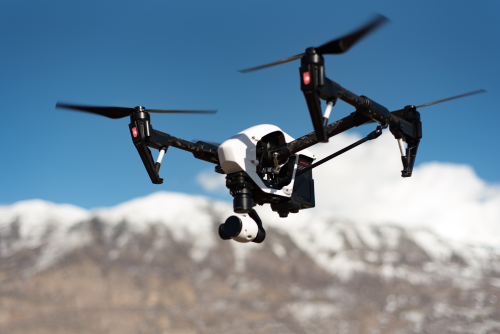
Choosing the best drone for beginners is not about chasing the highest resolution, the longest advertised range, or the most expensive bundle. It is about buying a drone you can actually learn on, fly legally, carry easily, and keep in the air without regretting the spend. If you want to know how to choose the best drone for beginners without overspending or buying the wrong features, start with your real use case, not the spec sheet.
Quick Take
If you only want the short version, this is the safest buying logic for most first-time buyers:
- For most beginners, a lightweight GPS camera drone is the best first choice.
- Prioritize stable hovering, a proper camera stabilizer, easy controls, and reliable return-to-home over flashy camera specs.
- Budget for the whole kit, not just the aircraft: batteries, charger, memory card, spare props, and repair support matter.
- Do not buy an FPV drone as your first drone unless your real goal is manual flying and you are willing to practice in a simulator first.
- Do not buy a very cheap toy drone expecting it to behave like a camera drone. Many first-time buyers quit because the “cheap starter” is unstable and frustrating.
- If you want to travel, a lighter drone is often easier to carry and may reduce regulatory friction in some places, but you still need to verify local rules.
- Used or manufacturer-refurbished drones can be smart value if parts, batteries, app support, and controller compatibility are still strong.
- The “best” beginner drone is the one that fits your first 90 days of flying, not your imagined pro workflow two years from now.
Start with your real mission, not your fantasy mission
Most buying mistakes happen before anyone compares models. They happen when buyers choose for a future version of themselves instead of the way they will actually fly.
Ask yourself one question first:
What will I do with this drone in the first three months?
Your answer usually fits one of these profiles.
Casual hobby flyer or family user
You want easy launches, stable hovering, short flights in safe open areas, and simple photo or video capture.
Best fit: – Lightweight GPS camera drone – Simple app and controller – Spare batteries – Good beginner safety features
Do not overpay for: – Pro video codecs – Multiple cameras – Long-range claims you should not rely on anyway – Advanced tracking modes you may rarely use
Travel creator or social media shooter
You care about portability, image quality, and low setup hassle. You will probably carry the drone more often than you fly it.
Best fit: – Compact folding camera drone – Lightweight class if available – Reliable automatic return-to-home – Strong wind warnings and decent stabilization
Do not overpay for: – Large heavy aircraft that make travel more complicated – Enterprise features – High-end cinema settings if your output is mostly social or casual travel content
Aspiring FPV pilot
FPV means first-person view flying, usually with goggles and often with manual control for speed, agility, and immersive video. This is a different path from standard camera drones.
Best fit: – Simulator first – Durable beginner FPV kit – Small training quad with easy parts replacement
Do not overpay for: – A regular camera drone if your real goal is freestyle or racing – Premium cinematic FPV gear before you can fly consistently – High-power setups that punish mistakes
Future paid operator, freelancer, or small business starter
You want to shoot property, events, construction progress, simple marketing content, or early client work.
Best fit: – Reliable consumer camera drone with support ecosystem – Good photo quality, stable video, and predictable workflow – Easy file transfer and editing – Access to spare batteries, props, and repairs
Do not overpay for: – Enterprise sensors before you have clients who need them – Thermal, mapping, or zoom payloads without a real business case – A larger aircraft just because it “looks more professional”
A beginner who wants paid work is still a beginner. Your first drone should help you become reliable, not just look impressive.
Which drone class fits which beginner?
A lot of confusion comes from comparing drones that are built for completely different jobs. Start by choosing the right class.
| Drone class | Best for | Main advantage | Main downside | Typical buyer regret |
|---|---|---|---|---|
| Toy or indoor trainer | Kids, indoor practice, very basic orientation skills | Cheap, low risk, often durable | Poor stability, weak camera, limited outdoors | “I thought all drones flew this badly” |
| Lightweight GPS camera drone | Most beginners, travel creators, hobbyists | Best balance of stability, portability, and image quality | Smaller size can struggle more in stronger wind | Outgrowing camera needs if you later do serious paid work |
| Mid-size consumer camera drone | Buyers focused on better image quality or tougher wind handling | More capable camera and generally stronger flight performance | Heavier, less travel-friendly, often more regulatory friction | Buying more drone than needed for casual use |
| Beginner FPV kit | Pilots who specifically want immersive manual flying | Best way to learn FPV fundamentals | Steeper learning curve, more crashes, less point-and-shoot convenience | Realizing you wanted easy aerial photos, not manual flight |
| Used/refurbished previous-generation camera drone | Value-focused beginners who want more drone for less money | Can offer excellent performance per dollar | Need to verify battery health, support, and parts availability | Buying something unsupported or hard to repair |
For most first-time buyers, the sweet spot is the second row: a lightweight GPS camera drone from a well-supported ecosystem.
That class tends to offer: – Stable hovering using satellite positioning – Easier takeoff and landing – A proper stabilized camera – Good portability – Enough image quality for travel, social content, and hobby photography – Lower cost and complexity than bigger “prosumer” aircraft
The features worth paying for, and the features beginners often overbuy
The biggest beginner trap is paying for headline features that sound important but do not improve your first months of flying.
Features that usually matter most
| Feature | Why it matters for beginners | Priority |
|---|---|---|
| GNSS positioning (satellite-assisted hover) | Helps the drone hold position instead of drifting constantly | Must-have for most first camera drones |
| Return-to-home | If signal drops or you get disoriented, the drone can attempt to come back | Must-have |
| 3-axis gimbal | A gimbal is the stabilizing mount that keeps video smooth and level | Must-have for good video |
| Reliable controller and app | Bad controls ruin the learning experience faster than mediocre specs | Must-have |
| Easy access to spare batteries and props | Crashes and short flight sessions are normal at the start | Must-have |
| Strong repair and support ecosystem | Saves money and downtime later | Must-have |
| Obstacle sensing | Useful safety aid, especially for newer pilots | Nice to have, not a substitute for skill |
| Subject tracking and smart modes | Helpful for solo creators once basics are learned | Nice to have |
| RAW photos or flat/log video profiles | Helpful if you plan to edit seriously | Nice to have for creators |
| Multiple cameras, tele lens, enterprise payloads | Useful for specialized work, not general beginner flying | Usually overkill |
| 5.1K, 6K, or 8K video headlines | Often less important than stabilization, dynamic range, and ease of use | Usually overbought |
| Extreme advertised range | Not a real buying priority for legal beginner flying | Usually overbought |
What beginners should care about more than megapixels
A good first drone should be easy to recover from mistakes. That matters more than a spec-sheet win.
Prioritize these real-world factors:
- Predictable hovering
- Clear battery status
- Strong GPS lock before takeoff
- Simple home-point setting
- Smooth braking
- Good visibility of the drone in the air
- Straightforward firmware updates
- Fast prop replacement
- Batteries and parts you can still buy six to twelve months later
Obstacle avoidance is useful, but not magic
Many buyers treat obstacle sensing like crash insurance. It is not.
Obstacle sensing can help with: – Slow, careful flying – Learning basic framing – Avoiding obvious forward obstacles – Returning home more safely in some situations
It may not save you from: – Thin branches – Wires – Side impacts – Fast movements – Low-light limitations – Poor pilot decisions
If your budget is tight, a better overall drone without top-tier obstacle sensing is often a smarter first buy than a feature-packed drone with compromises elsewhere.
The safest beginner buying framework
If you want a practical process, use this sequence.
1. Define your primary use in one sentence
Examples: – “I want travel photos and easy social clips.” – “I want to learn FPV freestyle.” – “I want to shoot simple real estate video.” – “I want a fun hobby drone I can fly on weekends.”
If you cannot define the mission in one sentence, you are more likely to buy the wrong drone.
2. Choose the right drone class
Use case first, then class: – Travel and hobby: lightweight GPS camera drone – Paid photo/video starter: lightweight or mid-size consumer camera drone – Indoor practice or kids: trainer or toy drone – FPV: simulator plus beginner FPV kit
3. Set a full-kit budget
Do not ask, “What drone can I afford?” Ask, “What complete setup can I sustain?”
Your total first-drone budget may need to cover: – Aircraft – Controller – At least two extra batteries – Charging hub or charging solution – Memory card – Spare props – Carry case or bag – Simulator, if going FPV – Registration, training, or insurance if required locally – Future repairs
A drone that stretches your budget so far that you skip batteries or spare props is often the wrong drone.
4. Buy for learning speed, not status
A beginner gets better faster with: – More practice flights – Simpler setup – Less fear of crashing – Better battery availability – Easier transport
That is why “smaller, lighter, easier” often beats “bigger, more professional, harder to justify.”
5. Check support before checkout
Before you buy, verify: – Are batteries easy to find? – Are spare propellers cheap and available? – Is the app still actively supported? – Will your phone or controller work well with it? – Can you get repairs where you live? – Is the drone still receiving software support?
This matters even more if you buy used or refurbished.
Where beginners should spend more, and where they should save
Not all drone spending is equal.
Spend more on these
- Flight stability and reliability
- Good controller experience
- Battery ecosystem
- Repairability
- Support availability
- Storage and transport protection
- A simulator if you are learning FPV
Save on these
- Creator bundles full of accessories you may never use
- Very high video resolution you do not need
- Extra filters on day one unless you know how you will use them
- Large aircraft bought mainly for ego or image
- Enterprise or commercial payloads without a paying workflow
A smart overspending filter
Before paying extra for any feature, ask: 1. Will this help me fly better in my first ten sessions? 2. Will this improve the kind of content or work I actually plan to do? 3. Will I still care about this feature if I am mostly flying on weekends?
If the answer is “no” to two of those three, skip it.
Used, refurbished, or new?
Buying used or manufacturer-refurbished is one of the best ways to avoid overspending, but only if you buy carefully.
Used or refurbished makes sense when
- The drone is from a well-supported product line
- Batteries are still easy to replace
- Spare props and chargers are available
- The controller is included and compatible
- The drone has not been bound to an account in a way that prevents use
- There is a clear return or testing process
- The price gap versus new is meaningful
Buy new if
- You want the easiest support path
- You are worried about hidden crash history
- The used price is not much lower
- You need warranty confidence
- You are new enough that setup problems would be a major headache
For many beginners, a previous-generation drone from a healthy ecosystem is a smarter buy than the cheapest brand-new drone on the shelf.
Safety, legal, and compliance checks before you buy
Even a beginner drone purchase has operational consequences. Rules vary widely by country, city, park, and use case, so verify before you fly.
What to check in your location
- Whether your drone must be registered
- Whether the pilot must complete training, a test, or an operator ID step
- Whether remote identification or electronic identification rules apply
- Whether weight class changes your obligations
- Whether camera-equipped drones face extra privacy or local restrictions
- Whether flights near airports, cities, crowds, roads, parks, or protected areas are limited
- Whether commercial use has different requirements from recreational use
- Whether night flying or flights over people need extra approval
Travel and airline basics to verify
If you plan to travel: – Check airline rules for lithium batteries before packing – Keep batteries protected and generally in carry-on if required by the airline – Verify drone import, customs, and local flight rules before arrival – Do not assume that because a drone is legal in one country, it is fine everywhere – Check national parks, heritage sites, beaches, and local municipalities separately
A lightweight drone can reduce friction in some markets, but it does not remove the need to check rules.
Common mistakes beginners make when buying a drone
1. Buying the cheapest drone and assuming it is “good enough to learn”
Often it is not. If the drone drifts, drops connection easily, or captures poor footage, you may learn frustration instead of skill.
2. Buying too much drone for weekend hobby use
A larger, more expensive drone may sit at home because it is bulky, intimidating, or harder to justify taking everywhere.
3. Paying for camera specs instead of flight quality
A smooth 4K clip from a stable drone is better than shaky high-resolution footage from a drone you dislike flying.
4. Assuming obstacle sensors make crashes unlikely
Sensors help, but they do not replace judgment, clear airspace, and conservative flying.
5. Ignoring the cost of batteries and spare parts
One battery can make a drone feel disappointing. Two or three batteries often change the whole ownership experience.
6. Choosing FPV because it looks more exciting
FPV is rewarding, but it has a steeper learning curve and a different maintenance rhythm. It is not the best entry point for everyone.
7. Forgetting local legal requirements
Weight, location, and purpose of use can change what you need to do before flying.
8. Buying without thinking about the upgrade path
The right first drone should either: – stay useful after you improve, or – be easy to resell without losing too much value
Unsupported platforms often fail on both counts.
A simple recommendation by buyer type
If you want the shortest possible buying answer, use this.
Best for most beginners
Choose a lightweight GPS camera drone with: – a stabilized camera – return-to-home – easy app support – at least two extra batteries – good spare parts availability
Best for travel creators
Choose the most portable camera drone you will realistically carry often, not the most powerful one you can technically afford.
Best for future paid photo/video work
Choose a reliable consumer camera drone with good image quality, repair support, and a clean workflow. Do not jump straight to specialized enterprise gear unless a paying client requirement already exists.
Best for FPV beginners
Start with a simulator, then a durable beginner FPV setup. Do not buy a regular camera drone if your real goal is manual FPV flying.
Best for kids or indoor fun
A protected-prop trainer or simple indoor drone is fine, but treat it as a toy or orientation trainer, not as your main aerial camera solution.
FAQ
Is a sub-250 g drone always the best beginner choice?
Not always, but it is often the most practical starting point. Lighter drones are usually easier to carry and may face fewer restrictions in some jurisdictions, but rules still vary, and smaller drones can be more affected by wind. Verify the local rule set before assuming lighter means unrestricted.
Should beginners buy the cheapest drone first?
Usually no, unless it is specifically for indoor practice or a child’s toy use. Very cheap drones often fly poorly outdoors and create a bad first experience. A better approach is to buy the least expensive drone that still has stable positioning, reliable controls, and parts support.
Do beginners need obstacle avoidance?
It is helpful, but it is not essential for every buyer. If your budget allows it without sacrificing core quality, it can add confidence. If paying for it means settling for weaker battery support, poor repair options, or a worse controller experience, it may not be worth the trade.
Is FPV a good first drone category?
Only if FPV is truly your goal. FPV has a steeper learning curve, more crash risk, and usually demands simulator practice. If you mainly want smooth aerial photos and easy travel footage, a standard camera drone is the better first buy.
How many batteries should I buy with my first drone?
For most beginners, three total batteries is the sweet spot: one in the drone and two extras. That gives you enough real practice time without turning each outing into a rushed session. FPV pilots may need a different battery plan depending on setup and flight style.
Is a combo bundle worth it?
Often yes, but only if the bundle includes things you would definitely buy anyway, such as extra batteries, a charger, spare props, or a case. A bundle full of accessories you do not understand or need is just a cleaner way to overspend.
Is used or refurbished a smart idea for a first drone?
Yes, if the drone still has app support, healthy battery availability, easy parts access, and a trustworthy seller or return process. It is one of the best ways to get more value without buying the newest release. Just avoid unsupported platforms or suspiciously cheap listings with unclear history.
Can I travel internationally with my drone?
Often yes, but you must verify airline battery rules, customs requirements, and destination flight laws before you go. Also check local park, city, and protected-area restrictions. Travel convenience is a real buying factor, which is why many beginners prefer compact, lightweight drones.
Final decision
If you want one default answer, buy a lightweight GPS camera drone with a true stabilized camera, return-to-home, easy spare-part access, and at least three batteries total. If your real goal is FPV, skip the camera-drone detour and start with a simulator plus a durable FPV training setup. The best drone for beginners is the one that gets flown often, supported easily, and matched honestly to what you will do next week, not what you might do someday.