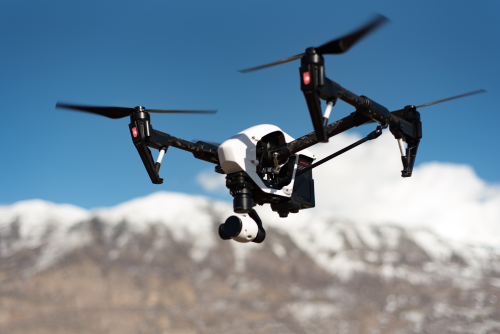
If you’re trying to figure out how to choose the best drone for creators without overspending or buying the wrong features, ignore the marketing language first and focus on the work you actually do. The right drone is not the one with the longest spec sheet. It is the one that fits your content, your travel habits, your editing workflow, and your real budget once batteries, accessories, and compliance costs are included.
Quick Take
- Most creators do not need the biggest, fastest, or most expensive drone.
- The best buying decision starts with your main output: travel reels, YouTube videos, client work, action footage, real estate, or high-end commercial production.
- For many creators, a compact foldable camera drone is the sweet spot because it balances image quality, portability, ease of use, and lower total cost.
- A mini drone is often the smartest choice for casual travel creators and social-first shooters, especially if they fly infrequently.
- A mid-range all-rounder is usually the best value for creators who want better wind performance, stronger video flexibility, and more dependable client results.
- FPV, which means first-person view flying, is a separate tool category. It is excellent for dynamic action footage but usually a poor first or only drone for most creators.
- Spend for the full kit, not just the aircraft: extra batteries, charger, memory cards, spare props, filters, storage, and repair support matter more than many premium headline features.
- Before flying, verify the rules that apply where you operate or travel. Weight class, registration, pilot requirements, airspace restrictions, privacy rules, and battery transport limits vary by country and location.
A simple framework for choosing the right drone
You can avoid most buyer regret by following five steps in order.
1. Define your primary content job
Ask one question first: what does this drone need to do most of the time?
That answer matters more than any brand, sensor size, or top speed claim.
Use these examples:
- Travel creator: easy packing, quick setup, low hassle, reliable daylight video
- YouTube creator or vlogger: strong all-round video, stable hovering, easy file transfer, flexible framing
- Freelancer shooting hotels, tourism, or real estate: repeatable quality, dependable flight behavior, good dynamic range for bright skies and dark shadows
- Action creator: speed, manual flying capability, immersive movement, durable setup
- Commercial filmmaker: best image quality, low-light performance, advanced color flexibility, redundancy, and a professional workflow
If your real use is “social clips from vacations and occasional local shoots,” do not buy like a cinema production company. If your income depends on client-approved deliverables, do not buy like a hobbyist.
2. Pick the drone class before you compare models
Creators often compare drones one by one too early. It is smarter to choose the right class first.
Which drone class fits which creator?
| Creator profile | Best drone class | Why it fits | Common overbuy mistake |
|---|---|---|---|
| Casual travel creator, social media shooter, beginner | Mini foldable camera drone | Small, easy to carry, quick to launch, less intimidating, often enough quality for social and casual YouTube use | Buying a heavy flagship drone for a few trips a year |
| Hybrid creator making YouTube, reels, and occasional paid work | Mid-range all-rounder | Better wind handling, stronger camera flexibility, more confident flight, still portable | Paying for premium cinema features never used in editing |
| Real estate, hospitality, tourism, local business freelancer | Mid-range all-rounder or premium camera drone | Reliable, repeatable footage and cleaner results for client work | Choosing FPV as the main business drone |
| Adventure, motorsport, biking, skiing, action creator | FPV drone plus a regular camera drone | Dynamic chase footage needs a different flying style than hover-and-pan cinematic shots | Expecting one drone to do both jobs well |
| High-end commercial filmmaker or production team | Premium camera drone | Better image headroom, stronger low-light performance, more professional delivery options | Expecting a mini drone to replace a commercial production tool |
| Frequent international traveler | Mini or compact all-rounder | Easier packing and fewer operational friction points | Assuming lighter weight means rule-free flying everywhere |
A useful rule: if you want one drone to do everything, you are already close to a compromise. Most creators are happiest with either:
- one compact all-rounder, or
- two specialized tools later: a stabilized camera drone and a separate FPV system
3. Set a total budget, not just a drone budget
This is where overspending usually happens. Buyers focus on the aircraft price and forget the rest of the kit.
A realistic creator setup often includes:
- 2 to 4 batteries
- multi-battery charger or charging hub
- spare propellers
- memory cards
- a case or travel bag
- ND filters, which are sunglasses for the lens that help keep video motion looking natural in bright conditions
- landing pad if you often launch on dust, sand, or grass
- extra charging cables and power bank options
- insurance if you fly for work or in higher-risk environments
- repair or replacement plan if downtime would hurt your business
A good budgeting habit is to keep the aircraft to roughly half to two-thirds of your total spend. If you stretch everything just to buy the drone body, you often end up with poor shooting endurance, weak storage, and no backup plan.
4. Choose the features that change outcomes
Many spec-sheet items sound important but do not improve your content in practice. The best buyers focus on features that affect shooting confidence, editing quality, and repeatability.
Features worth paying for vs features that often cause overspending
| Feature | Worth paying for when | Usually safe to skip when |
|---|---|---|
| Better wind performance | You shoot coastlines, mountains, boats, open urban rooftops, or travel often | You mostly fly in calm conditions and short sessions |
| Obstacle sensing | You are a beginner, fly in mixed environments, or need extra confidence around trees and structures | You only fly in wide open areas and keep conservative margins |
| Vertical shooting or easy crop flexibility | Social media is your primary output | You mainly deliver widescreen client work |
| Better low-light performance | You regularly shoot sunrise, sunset, blue hour, or darker scenes | Most of your content is daylight travel footage |
| Flatter color profile for grading | You know how to color grade and want more editing flexibility | You prefer quick edits and ready-to-post footage |
| Controller with built-in screen | You want a faster setup and less phone dependence in the field | You are budget-sensitive and comfortable using your phone |
| Longer battery life per flight | You shoot bigger locations or client work with fewer charging options | You mostly capture short clips near your base |
| Extra camera lenses or zoom options | You have a specific need for layered compositions, inspection-style distance, or creative compression | You are still learning basic aerial framing |
5. Stress-test the workflow before you buy
The “best” drone on paper can still be the wrong purchase if it slows down your actual process.
Think through these workflow questions:
- How long does it take you to get airborne?
- Can you transfer files quickly while traveling?
- Are the files easy for your laptop or phone to edit?
- Do you usually need vertical video for social platforms?
- Do you rely on auto modes, or do you want manual control?
- Can you safely and confidently launch where you normally work?
- If the drone is damaged, is repair support realistic where you live?
For many creators, speed matters more than maximum image potential. A drone that is easy to carry, fast to launch, and simple to edit from will often create more content than a “better” drone that stays in the bag.
What matters most in real-world creator use
Image quality is more than resolution
Do not buy based on 4K, 5.1K, or megapixel numbers alone.
What matters more:
- how clean the footage looks in your real lighting
- whether highlights and shadows hold together in contrasty scenes
- how stable the footage is
- whether the color is easy to work with
- how well the drone handles movement, especially in wind
Many creators overpay for image quality they never see after social compression. If most of your work ends up on Instagram, TikTok, YouTube, or client web pages, a practical and well-exposed shot matters more than a top-tier cinema specification.
Portability changes how often you fly
A drone that is too bulky, too loud, or too fussy to pack will be used less.
Mini and compact drones win because they reduce friction:
- easier to carry every day
- faster security and packing routines
- simpler battery management
- easier launch opportunities on travel days
- less attention in crowded tourist settings
This does not mean small is always best. It means convenience has real value. A slightly lower-spec drone you fly often can outperform a premium drone you leave at home.
Stability and confidence are creative features
For most creators, stable hovering, smooth braking, and predictable controls matter more than extreme speed.
This is especially true for:
- real estate
- travel filmmaking
- tourism content
- hotel and resort work
- solo creators who must frame, monitor surroundings, and think about the shot at the same time
A drone that feels calm and predictable lets you focus on composition. That directly improves your footage.
Battery endurance is part of the camera
Creators often think one battery is enough. It almost never is.
Real flights include:
- location scouting
- takeoff checks
- repositioning
- multiple takes
- waiting for people or traffic to clear
- landing with safety margin, not at zero
For most creator workflows, three batteries is a sensible starting point. If you shoot all day or work with clients, more may be justified.
Repairability and ecosystem support protect your budget
Cheap upfront can become expensive if spare props, batteries, or service support are difficult to get.
Before buying, check:
- battery availability
- propeller availability
- charger and accessory support
- repair turnaround in your market
- whether firmware and app support are active
- whether used resale value is reasonable
The wrong ecosystem can trap you in downtime or force a full replacement sooner than expected.
The one-drone question: can a single drone do everything?
Usually, no.
A standard stabilized camera drone is best for:
- scenic reveals
- travel shots
- city overviews
- slow cinematic movement
- real estate
- resort and tourism footage
- general creator work
An FPV drone is best for:
- chase shots
- aggressive movement
- gap flying in controlled environments
- action sports
- immersive motion sequences
If you are new, do not buy FPV as your first and only drone unless dynamic action is your whole reason for buying. FPV has a steeper learning curve, different safety demands, different maintenance needs, and different shot strengths.
A lot of creators are happier buying a strong all-round camera drone first, then renting, borrowing, or adding FPV later if the work justifies it.
Safety, legal, travel, and compliance limits to verify before you fly
Buying the right drone also means buying one you can realistically operate where you live and travel.
Rules differ widely, so verify before acting. Pay attention to:
Weight-based rules
In some countries, lighter drones can reduce registration or operating burdens. In other places, the difference is smaller than people expect. Never assume a sub-250 g drone means unrestricted flying.
Pilot requirements
Depending on location and use case, you may need:
- registration
- a pilot certificate or competency test
- remote identification or an equivalent electronic ID requirement
- special authorization for certain airspace or commercial work
Location restrictions
Always check whether drones are restricted or prohibited around:
- airports and controlled airspace
- national parks or protected areas
- government or military sites
- stadiums, concerts, and public events
- private venues and tourist attractions
- urban centers with local restrictions
People, property, and privacy
Even where flight is legal, flying close to uninvolved people, moving traffic, homes, balconies, hotels, or private spaces can create safety and privacy issues. Be conservative. Do not trade a shot for a complaint or unsafe setup.
Airline and travel limits
Airlines and airports may have rules for:
- the number of spare lithium batteries you can carry
- how batteries must be packed
- carry-on versus checked baggage rules
- device inspection at security
If you travel internationally, also verify customs, temporary import, and local use restrictions before departure.
Insurance and client requirements
If you work commercially, some clients, venues, or property managers may require proof of insurance, pilot credentials, or permissions before filming.
Common mistakes creators make when buying a drone
Buying for the dream job instead of the real job
Many people buy for the one project they hope to do later, not the work they actually do now. If 90 percent of your output is travel and social content, buy for that.
Confusing bigger numbers with better results
More megapixels, more range, higher speed, or bigger marketing claims do not automatically mean better creator footage.
Underestimating portability
A drone that feels annoying to pack will be used less. This is one of the biggest hidden causes of buyer regret.
Ignoring the total kit cost
The aircraft is only part of the purchase. Poor battery coverage, no filters, or weak storage can hurt real-world performance more than buying one tier lower.
Choosing FPV because it looks exciting
FPV footage is powerful, but it is not a shortcut. It requires practice, discipline, and usually a different production mindset.
Overbuying camera flexibility you do not edit for
If you do not color grade, shoot in difficult light, or deliver to demanding clients, premium formats may not improve your final content enough to justify the price and file size.
Not checking support in your market
The wrong purchase is sometimes not the drone itself. It is the lack of batteries, parts, repair, or local service.
Assuming one drone can replace all other tools
Sometimes the smartest buy is not “the best drone.” It is the best first drone.
A practical buying checklist before you hit purchase
Use this quick filter:
- Write down your primary use in one sentence. – Example: “I make travel reels and YouTube videos on trips four times a year.”
- Choose your class first. – Mini, mid-range all-rounder, premium camera drone, or FPV
- List your three true must-haves. – Example: portable, easy vertical content, good wind confidence
- List what you do not need. – Example: zoom lens, high-end grading workflow, extreme speed
- Set a full-kit budget. – Include batteries, props, filters, storage, and protection
- Check regulation and travel fit. – Especially weight class, registration, airline battery rules, and local flying restrictions
- Compare only two or three final options. – Too many comparisons usually lead to feature-chasing
If a feature does not help your main content, reduce risk, or save time in your workflow, it probably should not decide your purchase.
FAQ
Is a mini drone the best choice for most creators?
For many casual creators, travelers, and beginners, yes. A mini drone often gives the best balance of portability, simplicity, and good enough image quality. But if you frequently shoot in wind, low light, or paid client scenarios, a mid-range all-rounder may be a better long-term buy.
Is sub-250 g always the best option for travel?
Not always. A lighter drone can make travel easier and may reduce some regulatory friction in certain places, but not everywhere. You still need to verify local rules, location restrictions, privacy expectations, and airline battery policies.
Do I need a premium camera drone for YouTube or social media?
Usually not. Most creators publishing to social platforms or standard YouTube workflows will get more value from ease of use, portability, and consistent flying than from top-tier image specs. Premium camera drones make more sense when the work is commercial, frequent, or technically demanding.
Should FPV be my first drone as a creator?
Only if action footage is your main goal and you are ready for the learning curve. FPV is excellent for dynamic movement but is less forgiving, more specialized, and usually a weaker fit for general travel, real estate, or beginner creator work.
How many batteries should I budget for?
Three is a strong starting point for most creators. It gives you enough time for scouting, multiple takes, and safer reserve planning. One battery is rarely enough for meaningful shooting.
Is buying a used drone a good idea?
It can be, especially if you are price-sensitive and buying from a trusted seller. Check battery health, prop and arm condition, gimbal stability, controller function, charging hardware, app activation status, and any signs of crash history. Make sure replacement parts and support are still available.
What matters more: obstacle sensing or image quality?
For beginners and solo creators, obstacle sensing often improves confidence and reduces risk. For experienced pilots with client-grade delivery needs, image quality may matter more. The right answer depends on whether your bigger problem is flying safely or delivering more flexible footage.
Can one drone handle both cinematic travel shots and action chase footage?
Not well in most cases. A regular camera drone and an FPV drone are built for different strengths. If you need both styles, start with the tool that covers most of your work, then add the second system later if demand is real.
The smartest buying move
Do not ask, “What is the best drone?” Ask, “What drone will I actually carry, legally fly, and use enough to justify the cost?”
If 80 percent of your work is travel or social content, buy small and simple. If you need dependable client results, buy the best all-rounder your full kit budget supports. If you need action footage, treat FPV as a separate path. Choose for your real workflow, leave room in the budget for essentials, and verify the rules before the first flight.